

-16%
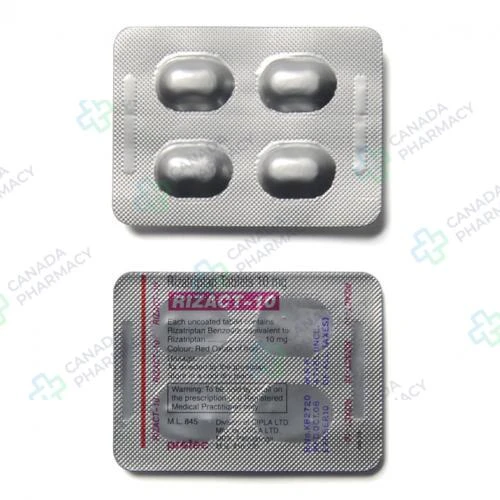
ManForce
Price range: $ 55,00 through $ 255,00
MaxGun Sublingual Spray
Price range: $ 90,00 through $ 145,00
Maxalt
Price range: $ 46,00 through $ 335,00
Maxalt is a specialized medication designed to provide fast and effective relief for acute migraine attacks in adults. It works by narrowing the blood vessels around the brain and reducing the natural substances that trigger headache pain. This targeted treatment helps alleviate intense throbbing, nausea, and extreme sensitivity to light or sound associated with migraines. The active ingredient, rizatriptan, is formulated to act quickly, allowing you to return to your daily activities with minimal interruption. For the best results, Maxalt should be taken as soon as the first signs of a migraine headache appear.
Active substance: Rizatriptan
Delivery: 5–21 days (depending on the shipping method)
Extra 10% discount with coupon: IT4K6SVM
Each dosage option has its own packaging choices.
Description
Maxalt belongs to a class of medications known as selective serotonin 5-HT1B/5-HT1D receptor agonists, commonly referred to as triptans. It is FDA-approved for the acute treatment of migraine attacks with or without aura in adults and pediatric patients aged 6 to 17 years. This prescription medication is not intended for the prophylactic prevention of migraines or for the management of hemiplegic or basilar migraines.
Proper clinical evaluation is essential prior to initiating therapy to ensure an accurate diagnosis and rule out underlying cardiovascular risks. Maxalt is available in standard oral tablets and orally disintegrating tablets (Maxalt-MLT) to accommodate varied patient needs during an acute attack.
| Parameter | Details |
|---|---|
| Active ingredient (INN) | Rizatriptan benzoate |
| Therapeutic class | Antimigraine agent / Selective 5-HT1B/5-HT1D agonist |
| Dosage form | Oral tablet, Orally disintegrating tablet (MLT) |
| Route of administration | Oral |
| Primary purpose | Acute treatment of migraine attacks |
| Prescription status | Prescription required (Rx only) |
How the drug works
Rizatriptan exerts its therapeutic activity by binding selectively with high affinity to human 5-HT1B and 5-HT1D receptors located on intracranial blood vessels and sensory nerve endings of the trigeminal system. Activation of these receptors results in the constriction of dilated cranial arteries and inhibition of pro-inflammatory neuropeptides. This dual vascular and neural mechanism diminishes peripheral pain signaling and central trigeminovascular transmission. Maxalt does not possess general analgesic properties and is specifically tailored for pathophysiology associated with acute migraine episodes.
Main uses
Maxalt is indicated exclusively for the acute treatment of migraine headaches with or without aura in adult patients and pediatric patients 6 to 17 years of age. Administration should occur promptly following the onset of migraine pain. The drug is not indicated for migraine prophylaxis, nor is it approved for the management of cluster headaches, tension-type headaches, or other chronic pain conditions. Clinical efficacy has not been established for non-migrainous headaches or structural neurological events.
Dosing schedule
In adult patients, the single recommended starting dose is either 5 mg or 10 mg. If the migraine headache returns after an initial response, a second dose may be administered, provided at least 2 hours have elapsed since the first dose. The maximum combined dose in a 24-hour period must not exceed 30 mg. For pediatric patients aged 6 to 17 years, dosing is weight-dependent: patients weighing under 40 kg receive 5 mg as a single dose, whereas those weighing 40 kg or more receive 10 mg. Patients co-administered propranolol require dose adjustment: adults must utilize the 5 mg single dose up to a maximum of 15 mg in 24 hours.
What you may notice early on
Symptom relief typically begins within 30 to 60 minutes following oral administration, with peak efficacy often achieved within 2 hours. Patients frequently observe a reduction in localized cranial throbbing alongside attenuation of associated symptoms, including light sensitivity (photophobia), sound sensitivity (phonophobia), and nausea. Transient sensations of warmth, tingling, tightness in the neck or chest, and mild sedation may occur shortly after ingestion and generally subside without intervention.
How it’s absorbed and eliminated
Following oral administration, rizatriptan is rapidly and completely absorbed, reaching peak plasma concentrations (Cmax) in approximately 1 to 1.5 hours. Bioavailability is approximately 45% due to first-pass metabolism. Administration with food delays Cmax by approximately one hour, though overall bioavailability remains unchanged. Elimination occurs primarily through oxidative deamination by monoamine oxidase-A (MAO-A) to an inactive indole acetic acid metabolite. A minor active N-monodesmethyl metabolite is formed to a limited extent. The mean plasma elimination half-life is 2 to 3 hours, with the majority of metabolites excreted via the kidneys.
Compatibility with other medicines
Maxalt is strictly contraindicated in patients currently taking monoamine oxidase-A (MAO-A) inhibitors or within 14 days of discontinuing MAO-A therapy, as MAO inhibition markedly increases rizatriptan exposure. Concurrent use with ergotamine-containing preparations or other 5-HT1 receptor agonists within a 24-hour window is contraindicated due to additive prolonged vasospastic reactions. Propranolol increases rizatriptan AUC and Cmax by approximately 70%, necessitating dose reduction. Selective serotonin reuptake inhibitors (SSRIs) or serotonin-norepinephrine reuptake inhibitors (SNRIs) co-administered with triptans carry a risk of Serotonin Syndrome.
Adverse reactions
In controlled clinical trials, the most reported adverse reactions were somnolence, dizziness, fatigue, dry mouth, asthenia, and chest or throat pressure sensations. Most side effects are transient and mild-to-moderate in intensity. Less common reactions include paresthesia, hypesthesia, nausea, and flushing. Frequent or daily use of acute migraine treatments like Maxalt may precipitate medication-overuse headache (rebound headache), requiring medical reassessment and detoxification protocols.
Red Flags and Emergency Care
Certain cardiovascular and hypersensitivity reactions necessitate immediate clinical evaluation. If severe or alarming symptoms develop, emergency medical attention should be obtained without delay.
| Symptom Category | Red Flag Manifestation |
|---|---|
| Cardiovascular | Severe chest pain, tightness, radiating arm or jaw pain, palpitations |
| Cerebrovascular | Sudden numbness, weakness, facial drooping, speech difficulty |
| Vascular | Severe abdominal pain, bloody diarrhea, cold/pale extremities |
| Serotonin Syndrome | Agitation, hallucinations, tremors, hyperreflexia, rapid heart rate, fever |
| Hypersensitivity | Anaphylaxis, swelling of face/lips/tongue, severe rash or hives |
What to avoid while taking it
While Maxalt may be taken independently of meals, high-fat food intake prior to administration can delay the onset of pain relief by approximately one hour. Concomitant consumption of alcoholic beverages should be avoided during an acute attack, as ethanol can aggravate headache severity and compound central nervous system depression, leading to heightened somnolence and impaired coordination.
Available alternatives
Non-triptan treatment options for acute migraine management include nonsteroidal anti-inflammatory drugs (NSAIDs), combination analgesics, calcitonin gene-related peptide (CGRP) receptor antagonists, and selective 5-HT1F receptor agonists. Triptans represent a target-specific acute intervention for moderate to severe attacks. Selection among these therapeutic modalities depends on individual cardiovascular status, attack severity, underlying kidney or liver function, and prior clinical response.
Important Precautions and Special Populations
Maxalt is contraindicated in patients with established ischemic heart disease (e.g., angina pectoris, history of myocardial infarction), coronary artery vasospasm (Prinzmetal’s angina), uncontrolled hypertension, peripheral vascular disease, ischemic bowel disease, or history of stroke/transient ischemic attack (TIA). It must not be administered to patients with severe hepatic impairment due to altered clearance patterns.
In pregnant individuals, rizatriptan should be prescribed only if the potential benefit outweighs the potential risk to the fetus, as human clinical data remain limited. Caution is advised when administering to nursing mothers, as excretion in human breast milk has not been fully quantified. Pediatric safety and effectiveness have been demonstrated in patients 6 to 17 years old, but safety is not established in children under 6 years of age or weighing less than 15 kg.
Common questions
Can Maxalt be taken to prevent a migraine before symptoms start?
Maxalt is not approved or effective for the preventive or prophylactic management of migraine headaches. It is formulated specifically to treat an acute migraine attack once the headache phase has initiated. Administering the drug during a migraine aura prior to the onset of head pain has not been shown to prevent the subsequent development of the headache.
What should I do if the first dose does not relieve my migraine?
If an initial dose of Maxalt produces no symptomatic relief, a second dose should not be taken for the same attack without consulting a healthcare provider, as evidence regarding the benefit of a second dose under these circumstances is limited. However, if partial relief is achieved or if the migraine recurs after initial improvement, a second dose may be administered at least 2 hours following the first dose, adhering to maximum daily limits.
How does propranolol affect the administration of Maxalt?
Propranolol inhibits the metabolic breakdown of rizatriptan, resulting in a significant increase in rizatriptan concentration in the blood. Consequently, patients currently taking propranolol must utilize a reduced single dose of 5 mg for Maxalt, and total daily intake must not exceed 15 mg within a 24-hour period.
Is it safe to drive after taking this medication?
Maxalt can cause drowsiness, dizziness, fatigue, and decreased visual acuity in some individuals. Patients should refrain from driving, operating machinery, or participating in hazardous activities until they have observed how Maxalt affects their central nervous system during an acute attack.
This text is for informational purposes only and does not constitute individual medical advice. In accordance with FDA requirements.
Additional information
| Dosage |
5 mg ,10mg |
|---|---|
| Package |
8 pills ,12 pills ,20 pills ,28 pills ,32 pills ,36 pills ,48 pills ,52 pills |
| Ενεργός Ουσία |
Related products
Anacin
More Details
This product has multiple variants. The options may be chosen on the product page
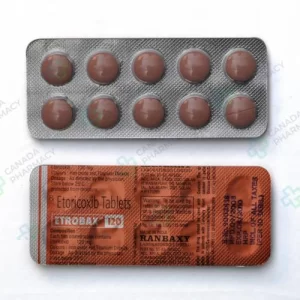
Arcoxia
Price range: $ 42,00 through $ 271,00
Active substance: etoricoxib
More Details
This product has multiple variants. The options may be chosen on the product page
Benemid
Price range: $ 48,00 through $ 62,00
Active substance: Probenecidum
More Details
This product has multiple variants. The options may be chosen on the product page
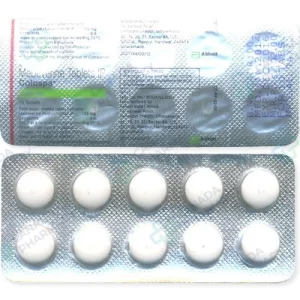
Colospa
Price range: $ 24,00 through $ 311,00
Active substance: mebeverine
More Details
This product has multiple variants. The options may be chosen on the product page
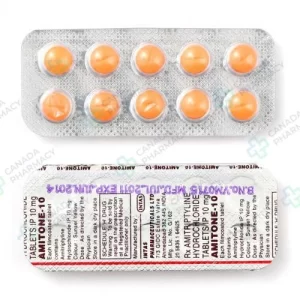
Elavil
Price range: $ 39,00 through $ 222,00
Active substance: amitriptyline
More Details
This product has multiple variants. The options may be chosen on the product page
Etodolac
Price range: $ 46,00 through $ 390,00
Active substance: Etodolac
More Details
This product has multiple variants. The options may be chosen on the product page
Motrin
Price range: $ 9,00 through $ 278,00
Active substance: ibuprofen
More Details
This product has multiple variants. The options may be chosen on the product page
Phenergan
Price range: $ 42,00 through $ 136,00
Active substance: Promethazine
More Details
This product has multiple variants. The options may be chosen on the product page