

-33%
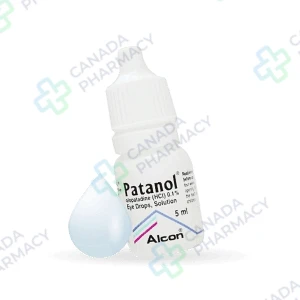
Paracetamol
Price range: $ 20,00 through $ 78,00
Paxil CR
Price range: $ 84,00 through $ 348,00
Patanol eye
Price range: $ 10,00 through $ 40,00
Patanol eye drops are a highly effective antihistamine solution designed to provide rapid relief from the symptoms of allergic conjunctivitis. This specialized formula targets bothersome ocular issues such as itching, redness, and swelling caused by seasonal or year-round allergens. By blocking the release of natural histamine in the eyes, the medication helps prevent allergic reactions from escalating throughout the day. The sterile ophthalmic drops are easy to apply and provide long-lasting comfort for those suffering from environmental sensitivities. Patanol remains a trusted choice for maintaining clear and irritation-free vision during peak allergy seasons.
Active substance: Olopatadine
Delivery: 5–21 days (depending on the shipping method)
Extra 10% discount with coupon: IT4K6SVM
Each dosage option has its own packaging choices.
Description
Patanol belongs to a class of ophthalmic medications classified as selective histamine H1-receptor antagonists and mast cell stabilizers. It is indicated for the treatment of ocular itching associated with allergic conjunctivitis. The active ingredient, olopatadine hydrochloride, acts locally on conjunctival tissues to manage allergic symptoms triggered by airborne environmental allergens.
Patanol eye drops are available by prescription only and must be administered according to specific dosage instructions provided by a licensed healthcare provider. Proper administration technique is required to prevent contamination of the bottle tip and to achieve optimal clinical efficacy during therapy.
| Attribute | Details |
|---|---|
| Active ingredient | Olopatadine hydrochloride (0.1%) |
| Therapeutic class | Ophthalmic antihistamine / Mast cell stabilizer |
| Dosage form | Ophthalmic solution |
| Route of administration | Ophthalmic (topical eye drops) |
| Primary purpose | Relief of ocular itching caused by allergic conjunctivitis |
| Storage | Store at 39°F to 77°F (4°C to 25°C) |
Clinical Overview and Pharmacological Profile
What it’s used for
Patanol (olopatadine hydrochloride ophthalmic solution 0.1%) is indicated for the temporary prevention and symptomatic treatment of ocular itching resulting from allergic conjunctivitis. Allergic conjunctivitis is an inflammatory ocular surface response triggered by exposure to airborne environmental allergens, such as seasonal pollens, ragweed, grass, mold spores, and animal dander. Clinical evaluations confirm that Patanol selectively targets the localized immune reaction on the ocular surface, reducing both acute itching and associated inflammatory responses. It is formulated specifically for topical ophthalmic administration and is prescribed under proper medical supervision following a definitive clinical evaluation.
How the drug works
The active compound, olopatadine hydrochloride, demonstrates a dual mechanism of action consisting of selective histamine H1-receptor antagonism and mast cell stabilization. Olopatadine competitively binds to histamine H1 receptors located on conjunctival epithelial and vascular endothelial cells, thereby inhibiting histamine-mediated responses such as vasodilation, vascular permeability, and nerve stimulation that manifest as ocular itching. Furthermore, olopatadine stabilizes human conjunctival mast cells, preventing the release of pro-inflammatory mediators including histamine, leukotrienes, and tryptase following antigen challenge. In vitro studies confirm that olopatadine exhibits high selectivity for the H1 receptor without significant affinity for alpha-adrenergic, dopamine, or muscarinic receptors.
What happens in the body
Following topical ocular instillation, systemic absorption of olopatadine hydrochloride is minimal. In clinical pharmacokinetic studies involving healthy volunteers receiving bilateral topical ocular administration of olopatadine 0.1% solution twice daily for two weeks, plasma concentrations were generally below the lower limit of quantitation (under 0.5 ng/mL). Peak plasma concentrations, when detectable, ranged from 0.5 ng/mL to 1.3 ng/mL and occurred within 0.5 to 2 hours post-instillation. The systemic elimination half-life of olopatadine in plasma is approximately 3 hours. Renal clearance is the primary pathway of elimination, with approximately 60% to 70% of the systemically absorbed dose recovered in urine as unchanged active drug.
Dosing schedule
The standard recommended dosage of Patanol for the treatment of allergic conjunctivitis in adults and pediatric patients aged 3 years and older is one drop instilled into each affected eye twice daily, spaced approximately 6 to 8 hours apart. Strict adherence to the prescribed dosage frequency is essential to maintain consistent local tissue concentrations throughout the day. Treatment duration is established by the prescribing clinician based on the seasonal or perennial nature of the underlying allergic exposure. Patients must avoid instilling more than the recommended dose, as excessive application does not enhance therapeutic outcomes and may increase local tissue irritation.
Practical tips
To ensure sterile administration, hands must be washed thoroughly with soap and water prior to handling the dropper bottle. Patients should tilt the head back slightly, pull down the lower eyelid to create a small pocket, and instill one drop without touching the dropper tip to the eye, eyelid, surrounding skin, or fingers. The bottle tip must remain uncontaminated to avoid bacterial infection of the solution. Contact lens wearers must remove soft contact lenses prior to instilling Patanol, as the formulation contains benzalkonium chloride as a preservative, which may be absorbed by soft lenses. Contact lenses may be reinserted 10 minutes following medication instillation, provided the eyes are not red or irritated.
Signs of improvement
Therapeutic response to Patanol typically begins within minutes after topical ocular instillation, with noticeable reduction in ocular itching. The dual mechanism of action provides sustained symptomatic control across the dosing interval when administered twice daily. Objective signs of allergic response, such as conjunctival redness and chemosis, may gradually diminish as mast cell stabilization reduces local inflammation. If ocular itching persists without improvement after several days of compliant use, re-evaluation by an eye care specialist is recommended.
Safety Profile and Special Considerations
Adverse reactions
In controlled clinical trials, Patanol was generally well-tolerated with a low incidence of adverse effects. The most frequently reported ocular adverse event was temporary burning or stinging upon instillation, occurring in approximately 7% of patients. Other reported ocular events with an incidence of less than 5% include ocular hyperemia, dry eye, eyelid edema, keratitis, foreign body sensation, and photophobia. Non-ocular adverse events reported in clinical trials include headache (occurring in approximately 7% of patients), asthenia, cold syndrome, pharyngitis, sinusitis, and dysgeusia (a bitter or unusual taste in the mouth due to drainage through the nasolacrimal duct).
Important precautions
Patanol is formulated strictly for topical ophthalmic administration and must not be injected, instilled into the anterior chamber of the eye, or ingested orally. Preservative-related toxicity may occur with frequent or prolonged use of benzalkonium chloride-containing drops; patients with dry eye syndrome or compromised corneal tissue require regular monitoring. Safety and efficacy in pediatric patients under 3 years of age have not been established. Pregnancy Category C: Patanol should be used during pregnancy only if the potential benefit justifies the potential risk to the fetus. Caution should be exercised when administering Patanol to a nursing mother, as it is unknown whether topical ophthalmic administration results in sufficient systemic absorption to produce detectable quantities in human breast milk.
Compatibility with other medicines
Due to the extremely low systemic concentrations achieved after topical ocular instillation, systemic drug-drug interactions with olopatadine are unlikely. Clinical interaction studies have not identified significant metabolic interference involving cytochrome P450 enzymes. However, when Patanol is prescribed concurrently with other topical ophthalmic formulations, such as artificial tears, glaucoma medications, or topical corticosteroids, an interval of at least 5 to 10 minutes should be maintained between the instillation of each medication to prevent wash-out of active ingredients.
If you skip a dose
If a dose of Patanol is missed, the patient should instill the missed drop as soon as remembered. However, if the time is close to the next scheduled administration, the missed dose should be skipped, and the standard dosing schedule should be resumed. Patients must not instill a double dose to compensate for a skipped application. Maintaining a regular twice-daily application schedule optimizes therapeutic control over allergic ocular symptoms.
Storage and expiration
Patanol ophthalmic solution should be stored in an upright position at controlled room temperature between 39°F and 77°F (4°C to 25°C). The bottle must be kept tightly closed when not in use to protect the solution from environmental contamination and evaporation. Keep out of reach of children. Discard any solution remaining past the official expiration date printed on the bottle packaging. Do not use the solution if it changes color or becomes cloudy.
Common questions
How long after instilling Patanol eye drops can contact lenses be reinserted?
Soft contact lenses must be removed prior to instilling Patanol because the formulation contains benzalkonium chloride, a preservative that can be absorbed by soft lenses and cause ocular tissue irritation. Patients should wait at least 10 minutes after instilling the drops before reinserting their lenses. Lenses should not be reinserted if the eye remains red, inflamed, or painful.
Can Patanol eye drops be used for red eyes caused by bacterial or viral infections?
No, Patanol is specifically indicated for allergic conjunctivitis and is ineffective against bacterial, viral, or fungal ocular infections. Administering an antihistamine drop during an active infectious process may delay appropriate anti-infective treatment. A doctor must evaluate red or painful eyes to determine the exact underlying cause before initiating therapy.
What should be done if the dropper tip accidentally touches an eyelid or finger?
If the dropper tip comes into contact with any external surface, including fingers, eyelids, or facial skin, it may become contaminated with bacteria. Patients should wipe the tip gently with a clean, sterile tissue without touching the orifice directly and close the cap immediately. If contamination is suspected to have compromised the solution inside the bottle, consult a pharmacist or prescriber regarding replacement.
Is it safe to drive after using Patanol eye drops?
Transient blurred vision or mild ocular stinging may occur immediately following the instillation of Patanol eye drops. Patients experiencing temporary vision disturbances should refrain from driving, operating machinery, or performing hazardous tasks until clear vision is fully restored.
Can Patanol be used concurrently with other prescription or over-the-counter eye drops?
Yes, Patanol can be used alongside other ophthalmic drops if directed by a healthcare provider. To prevent the second drop from diluting or washing away the first medication, patients must allow a minimum interval of 5 to 10 minutes between instilling different eye drop formulations.
In accordance with FDA requirements.
This content is informational and does not replace a consultation with your doctor or pharmacist.
Additional information
| Dosage |
0.1% 5 ml |
|---|---|
| Package |
1 flacons ,3 flacons ,6 flacons |
| Ενεργός Ουσία |
Related products
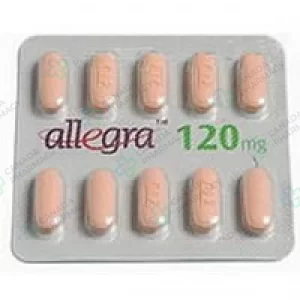
Allegra
Price range: $ 47,00 through $ 118,00
Active substance: Fexofenadine
More Details
This product has multiple variants. The options may be chosen on the product page
Antivert
Price range: $ 45,00 through $ 121,00
Active substance: Meclizine
More Details
This product has multiple variants. The options may be chosen on the product page
Atarax
Price range: $ 42,00 through $ 150,00
Active substance: Hydroxyzine
More Details
This product has multiple variants. The options may be chosen on the product page
Decadron
Price range: $ 12,00 through $ 182,00
Active substance: Dexamethasone
More Details
This product has multiple variants. The options may be chosen on the product page
Deltasone
Price range: $ 47,00 through $ 296,00
Active substance: Prednisone
More Details
This product has multiple variants. The options may be chosen on the product page

Ketasma
Price range: $ 10,00 through $ 23,00
Active substance: Ketotifen Fumarate
More Details
This product has multiple variants. The options may be chosen on the product page
Montair
Price range: $ 19,00 through $ 45,00
Active substance: Montelukast
More Details
This product has multiple variants. The options may be chosen on the product page
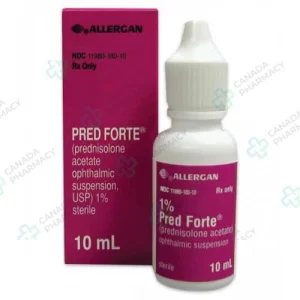
Pred Forte
Price range: $ 42,00 through $ 72,00
Active substance: prednisolone
More Details
This product has multiple variants. The options may be chosen on the product page