-35%
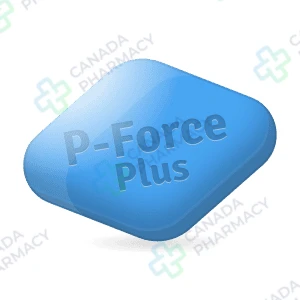
P-Force Plus
Price range: $ 33,00 through $ 74,00
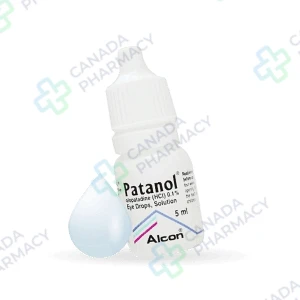
Patanol eye
Price range: $ 10,00 through $ 40,00
Paracetamol
Price range: $ 20,00 through $ 78,00
Paracetamol is a reliable and effective medication designed to provide fast relief from various types of mild to moderate pain. It is widely used to manage common conditions such as headaches, muscle aches, backaches, and toothaches. Additionally, this medication works as an efficient fever reducer, helping to alleviate discomfort during a cold or the flu. The formula is carefully developed to be gentle on the stomach while delivering consistent results for daily aches. This versatile treatment remains an essential staple for maintaining wellness and comfort in households across the country.
Active substance: Paracetamol
Delivery: 5–21 days (depending on the shipping method)
Extra 10% discount with coupon: IT4K6SVM
Each dosage option has its own packaging choices.
Description
Paracetamol belongs to a class of medications known as non-opioid analgesics and antipyretics. In the United States market, this active ingredient is officially designated and widely recognized under the monograph name acetaminophen. It is utilized extensively to relieve mild-to-moderate pain and reduce fever across various age groups.
While available over-the-counter for self-care, maintaining precise awareness of dosage limits is critical to preventing severe adverse events, particularly hepatic toxicity. This reference overview provides an objective summary of its therapeutic role, safe administration practices, and critical safety precautions.
| Attribute | Details |
|---|---|
| Drug name | Paracetamol (Acetaminophen) |
| Active ingredient (INN) | Paracetamol / Acetaminophen |
| Primary purpose | Analgesic (pain reliever) and antipyretic (fever reducer) |
| Dosage form | Oral tablets, capsules, liquid suspensions, extended-release caplets |
| Route of administration | Oral, rectal |
| Food interaction | Can be taken with or without food |
How the drug works
Paracetamol produces analgesic and antipyretic actions primarily through central nervous system pathways. Unlike nonsteroidal anti-inflammatory drugs (NSAIDs), it exhibits weak peripheral anti-inflammatory activity. The central mechanism involves inhibition of cyclooxygenase (COX) enzymes, particularly COX-1 and COX-2 variants within the central nervous system, which blocks the synthesis of pain-signaling prostaglandins. Additionally, its antipyretic effect stems from direct action on the hypothalamic heat-regulating center, causing peripheral vasodilation, increased cutaneous blood flow, and subsequent heat dissipation through sweating. While effective for nociceptive pain, its central selectivity means it does not reduce peripheral tissue swelling or gastrointestinal prostaglandin synthesis to the degree that NSAIDs do.
Main uses
Paracetamol is indicated for the temporary relief of mild-to-moderate pain and the temporary reduction of fever. Clinical applications include managing tension headaches, migraine pain, muscle aches, backaches, toothaches, minor arthritis discomfort, premenstrual and menstrual cramps, and aches associated with the common cold or influenza. On one hand, it serves as a frontline option for patients who cannot tolerate NSAIDs due to gastrointestinal sensitivity or bleeding risks; on the other hand, it lacks the peripheral anti-inflammatory activity needed for acute inflammatory joint conditions. Off-label uses, such as multimodal postoperative pain management combinations, should always be overseen by a licensed healthcare professional.
What happens in the body
Following oral administration, paracetamol is rapidly and almost completely absorbed from the gastrointestinal tract, predominantly in the small intestine. Peak plasma concentrations are typically reached within 30 to 60 minutes for immediate-release oral formulations, whereas extended-release forms achieve peak levels somewhat later. The drug is distributed evenly throughout most body tissues, with plasma protein binding remaining relatively low (10% to 25%) at therapeutic doses. Metabolism occurs primarily in the liver through glucuronidation and sulfation pathways. A minor fraction (approximately 5% to 10%) is metabolized via the cytochrome P450 system (specifically CYP2E1) into N-acetyl-p-benzoquinone imine (NAPQI), a reactive metabolite neutralized by hepatic glutathione. The elimination half-life ranges from 2 to 3 hours in healthy adults, with excretion predominantly occurring through the kidneys as inactive conjugate metabolites.
Administration Guidelines and Dosing
Standard adult oral dosing for immediate-release preparations generally ranges from 325 mg to 650 mg every 4 to 6 hours as needed, or 1000 mg every 6 hours, not to exceed a maximum daily limit of 4000 mg within a 24-hour period. Many manufacturers now recommend a lower maximum daily limit of 3000 mg to 3250 mg to minimize accidental overdose risks. Pediatric dosing is calculated strictly by body weight (typically 10 to 15 mg/kg per dose every 4 to 6 hours, up to a maximum of 5 doses per 24 hours). Always utilize calibrated measuring devices provided with liquid formulations rather than household spoons to ensure accurate administration.
Adverse reactions
At recommended therapeutic dosages, paracetamol is generally well tolerated, exhibiting a lower incidence of severe gastrointestinal distress compared to standard NSAIDs. However, potential side effects can occur. Mild reactions may include nausea, stomach upset, or minor skin eruptions. Serious adverse reactions are predominantly tied to excessive accumulation of the reactive metabolite NAPQI, leading to hepatotoxicity and potential acute liver failure. Hypersensitivity reactions, though rare, can present as severe cutaneous adverse reactions, including Stevens-Johnson syndrome (SJS) and toxic epidermal necrolysis (TEN). Hematologic abnormalities, such as thrombocytopenia or leukopenia, occur infrequently during routine therapeutic use.
Compatibility with other medicines
Combining paracetamol with other medications requires careful evaluation. The most significant concern involves concomitant use of multiple products containing acetaminophen, including combination cold remedies, sinus formulas, and prescription opioid-analgesic products, which greatly increases accidental total daily dose accumulation. Enzyme-inducing agents such as carbamazepine, phenobarbital, phenytoin, and rifampin can accelerate NAPQI formation, potentially elevating hepatotoxicity risks. Chronic administration of high paracetamol doses may enhance the anticoagulant effect of warfarin, increasing bleeding risk. Conversely, concurrent administration with anticholinergic medications may delay gastric emptying and slow absorption speed.
What to avoid while taking it
Food generally does not significantly alter the total amount of drug absorbed, though high-carbohydrate meals may slightly delay the rate of absorption. Chronic alcohol consumption is a critical factor to consider; individuals consuming three or more alcoholic drinks per day face a substantially heightened risk of liver damage when taking paracetamol due to CYP2E1 enzyme induction and depleted hepatic glutathione stores. Avoid combining this medication with alcohol to reduce the likelihood of hepatic toxicity.
Important Safety Precautions
Boxed warnings highlight the risk of severe liver damage associated with exceeding maximum daily doses, taking multiple acetaminophen-containing products, or consuming alcohol while using this drug. Patients with pre-existing hepatic impairment or severe renal insufficiency require dose adjustments and careful medical monitoring. During pregnancy, paracetamol is widely considered an acceptable choice for mild pain and fever when used at the lowest effective dose for the shortest duration; nevertheless, consultation with a healthcare provider remains essential. Lactating mothers can safely use the medication as minimal amounts pass into breast milk without causing documented harm to nursing infants.
Signs of improvement
Patients typically observe noticeable relief from mild-to-moderate pain within 30 to 60 minutes after oral ingestion. Fever reduction also generally begins within an hour, with temperature readings stabilizing over subsequent hours. If pain persists beyond 10 days in adults (5 days in children) or fever lasts longer than 3 days, treatment evaluation by a medical provider is recommended.
Storage and expiration
Store oral dosage forms at controlled room temperature between 68°F and 77°F (20°C to 25°C), keeping them away from excessive heat, moisture, and direct light. Do not store medications in humid bathroom environments. Maintain products in their original child-resistant packaging and out of reach of children. Properly discard any medication that has passed its stated expiration date.
Red flags
Immediate emergency medical care is required if signs of acute liver toxicity or severe allergic reactions appear. The table below outlines key manifestations requiring urgent evaluation.
Emergency Symptoms Requiring Immediate Evaluation
| Symptom Category | Specific Warning Signs |
|---|---|
| Hepatic distress | Yellowing of skin or eyes (jaundice), severe upper right abdominal pain, dark urine |
| Severe allergic reaction | Swelling of face, lips, tongue, or throat; severe dizziness; difficulty breathing |
| Dermatologic emergency | Redness, blistering, or peeling skin rash (potential SJS/TEN) |
| Acute overdose signs | Persistent nausea, vomiting, severe lethargy, unexplained confusion |
Common Questions
What should I do if I suspect an accidental dose overlap?
If you suspect an overdose or unintentional combination of multiple acetaminophen-containing products, contact Poison Control immediately at 1-800-222-1222 or seek emergency medical care, even if no symptoms are present. Early intervention with specific antidotes such as N-acetylcysteine is most effective when administered within the first 8 hours post-ingestion.
Can I take paracetamol alongside nonsteroidal anti-inflammatory drugs like ibuprofen?
Paracetamol and ibuprofen belong to different drug classes and possess distinct elimination pathways. Under professional medical direction, alternating or combining these agents is sometimes recommended for acute pain management. However, patients must ensure they do not exceed the maximum daily allowance for either active ingredient.
Is it safe to drive or operate machinery while taking this medication?
Paracetamol does not typically produce sedation, drowsiness, or impaired cognitive function at standard therapeutic doses. Most individuals can safely drive or operate heavy machinery while using it. If you experience unexpected dizziness or malaise, refrain from performing tasks requiring alertness until symptoms resolve.
How long can I safely use paracetamol for self-managed symptoms?
For over-the-counter self-care, adults should not use this medication for pain relief for more than 10 consecutive days, or for fever reduction for more than 3 days, unless instructed by a physician. Prolonged unmonitored use can mask underlying medical conditions that require formal diagnostic evaluation.
Why is checking drug labels on other over-the-counter remedies so important?
Acetaminophen is a very common active ingredient present in hundreds of combination over-the-counter products, including cough, cold, flu, allergy, and sleep preparations. Taking two medications containing acetaminophen concurrently can easily cause total daily intake to exceed safe limits, significantly increasing liver toxicity risks.
In accordance with FDA guidelines.
This text is for informational purposes only and does not constitute individual medical advice.
Additional information
| Dosage |
500 mg |
|---|---|
| Package |
60 pills ,90 pills ,120 pills ,180 pills ,270 pills ,360 pills |
| Ενεργός Ουσία |
Related products
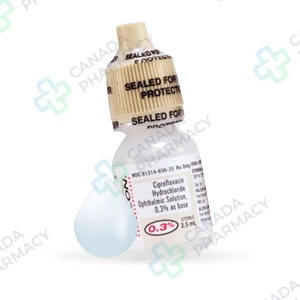
Ciprodex Ophthalmic Solution
Price range: $ 63,00 through $ 95,00
Active substance: Ciprofloxacin, Dexamethasone
More Details
This product has multiple variants. The options may be chosen on the product page
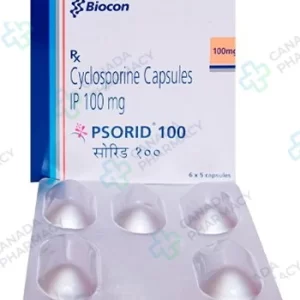
Cyclosporine
Price range: $ 43,00 through $ 216,00
Active substance: Cyclosporine
More Details
This product has multiple variants. The options may be chosen on the product page
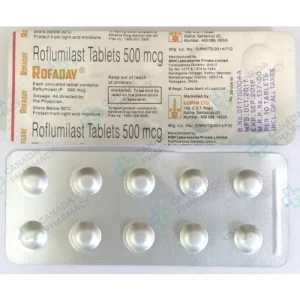
Daliresp
Price range: $ 68,00 through $ 220,00
Active substance: Roflumilast
More Details
This product has multiple variants. The options may be chosen on the product page
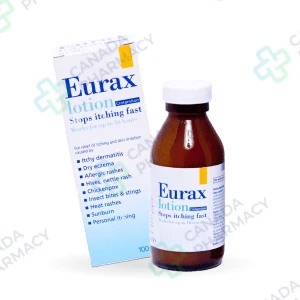
Eurax Lotion
Price range: $ 3,00 through $ 15,00
Active substance: Crotamiton
More Details
This product has multiple variants. The options may be chosen on the product page
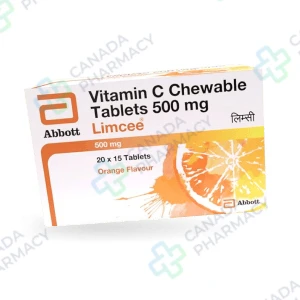
Limcee
Price range: $ 21,00 through $ 39,00
Active substance: Ascorbic Acid
More Details
This product has multiple variants. The options may be chosen on the product page