

-41%
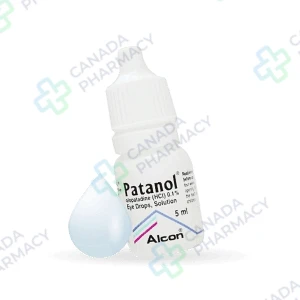
Patanol eye
Price range: $ 10,00 through $ 40,00

Petcam Oral Suspension
Price range: $ 6,00 through $ 40,00
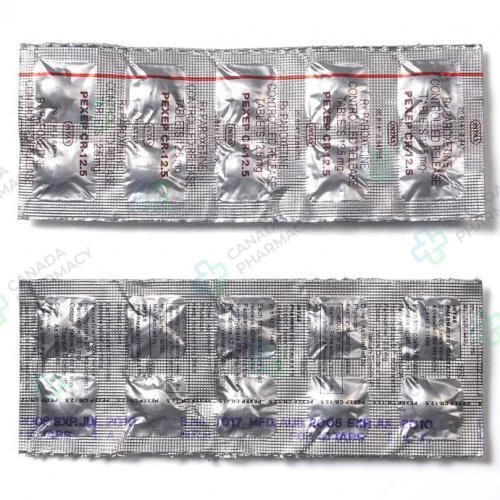
Paxil CR
Price range: $ 84,00 through $ 348,00
Paxil CR is a specialized controlled-release medication designed to support emotional health and stability. It works by regulating serotonin levels in the brain to effectively treat major depressive disorder and social anxiety. The advanced delivery system ensures a steady release of paroxetine, helping to manage symptoms of panic disorder with consistency. Additionally, this medication is indicated for relieving the physical and emotional symptoms associated with premenstrual dysphoric disorder. Its long-acting formula provides reliable support for individuals seeking to improve their daily quality of life and mental well-being.
Active substance: paroxetine
Delivery: 5–21 days (depending on the shipping method)
Extra 10% discount with coupon: IT4K6SVM
Each dosage option has its own packaging choices.
Description
Paxil CR belongs to the class of medications known as selective serotonin reuptake inhibitors (SSRIs). It contains paroxetine hydrochloride formulated in a controlled-release delivery system designed to slow the dissolution of active substance in the gastrointestinal tract. This prescription medication is FDA-approved in the United States for the management of specific psychiatric conditions, including major depressive disorder and panic disorder.
Paxil CR is dispensed strictly in accordance with federal and state prescription regulations. Patients prescribed this therapy require clinical monitoring to evaluate treatment response and adjust dosing schedules safely.
Basic Information
| Parameter | Details |
|---|---|
| Active ingredient (INN) | Paroxetine hydrochloride |
| Therapeutic class | Selective Serotonin Reuptake Inhibitor (SSRI) |
| Primary purpose | Management of depressive and anxiety disorders |
| Dosage form | Controlled-release extended-release tablets |
| Route of administration | Oral |
| Prescription status | Prescription only (Rx) |
| Storage | Room temperature between 59°F and 77°F (15°C to 25°C) |
Main uses
Paxil CR (paroxetine hydrochloride extended-release tablets) is indicated in the United States for the treatment of major depressive disorder (MDD), panic disorder (PD), social anxiety disorder (SAD), and premenstrual dysphoric disorder (PMDD). Unlike immediate-release paroxetine formulations, Paxil CR utilizes an enteric-coated, matrix-buffered tablet structure designed to release paroxetine gradually, which helps mitigate upper gastrointestinal side effects such as acute nausea during initial administration. Clinical indications rely on standardized criteria established by diagnostic medical manuals, and treatment efficacy is monitored across structured clinical intervals. Any off-label uses, such as post-traumatic stress disorder or generalized anxiety disorder, are not officially designated for the extended-release formulation in FDA labeling and must be evaluated individually by a licensed prescriber.
How the drug works
The pharmacological action of Paxil CR is linked to the potent and selective inhibition of neuronal serotonin (5-HT) reuptake in the central nervous system. Paroxetine exhibits high affinity for the human serotonin transporter (SERT) while demonstrating significantly lower affinity for norepinephrine and dopamine reuptake transporters. By blocking SERT, paroxetine increases extracellular concentrations of serotonin in synaptic clefts, enhancing serotonergic neurotransmission. In vitro binding studies indicate minimal affinity for muscarinic cholinergic, alpha1-, alpha2-, and beta-adrenergic, or histamine H1 receptors compared to tricyclic antidepressants, though anticholinergic activity remains clinically noticeable relative to some other SSRIs.
How it’s absorbed and eliminated
Paxil CR tablets feature a degradable polymeric matrix coated with an enteric layer that prevents release in the stomach until reaching the alkaline environment of the small intestine. Following oral administration, peak plasma concentrations (Cmax) are reached approximately 6 to 10 hours post-dose. Paroxetine is extensively metabolized in the liver primarily by the cytochrome P450 enzyme CYP2D6 via oxidation and methylation, followed by glucuronide and sulfate conjugation. Linear pharmacokinetics are not observed; non-linear pharmacokinetics occur due to CYP2D6 auto-inhibition at therapeutic doses, leading to disproportionate increases in plasma concentrations upon dose titration. The mean elimination half-life ranges from 15 to 24 hours under steady-state conditions, with inactive metabolites excreted via renal (approximately 64%) and fecal pathways (approximately 36%).
First days of treatment
Initiating therapy with Paxil CR requires understanding that therapeutic benefits are characteristically delayed. During the initial 1 to 2 weeks of treatment, patients may experience transient side effects such as mild nausea, somnolence, insomnia, or headache before steady-state plasma concentrations stabilize. Reductions in depressive symptoms or anxiety frequency typically manifest after 2 to 4 weeks of continuous daily administration. Prescribers frequently schedule follow-up assessments within the first month to evaluate tolerability and monitor for behavioral alterations or worsening mood during this early treatment phase.
Dosing schedule
Paxil CR is administered orally once daily, typically in the morning, with or without food. Tablets must be swallowed whole and must not be chewed, crushed, or split, as breaking the tablet matrix disrupts the controlled-release enteric mechanism. Dosing regimens vary by clinical indication: major depressive disorder generally starts at 25 mg daily, with potential titration in increments of 12.5 mg per day at weekly intervals up to a maximum of 62.5 mg daily. For panic disorder, the recommended starting dose is 12.5 mg daily, titrating up to a maximum recommended dose of 75 mg daily. Dosages for elderly patients or individuals with severe renal or hepatic impairment typically start at 12.5 mg daily, with maximum recommended limits capped at lower levels due to decreased drug clearance.
Compatibility with other medicines
Co-administration of Paxil CR with monoamine oxidase inhibitors (MAOIs), such as linezolid or intravenous methylene blue, is strictly contraindicated due to the high risk of fatal Serotonin Syndrome. A minimum washout period of 14 days is required between stopping an MAOI and starting Paxil CR, and 14 days must elapse after discontinuing Paxil CR before starting an MAOI. Paroxetine acts as a potent inhibitor of CYP2D6, significantly increasing plasma concentrations of co-administered drugs metabolized by this pathway, including atomoxetine, thioridazine, pimozide, risperidone, and certain tricyclic antidepressants. Concurrent use with nonsteroidal anti-inflammatory drugs (NSAIDs), aspirin, or warfarin elevates gastrointestinal bleeding risks due to platelet serotonin depletion.
Food and alcohol interactions
Food intake does not significantly alter the rate or extent of absorption of Paxil CR, permitting administration with or without meals. However, consuming tablets with food may reduce early gastrointestinal adverse events such as nausea. Alcohol consumption is strongly discouraged during treatment with Paxil CR. Although paroxetine does not explicitly potentiate the motor and mental impairments caused by alcohol in clinical studies, combining CNS-active agents with alcohol increases the risk of enhanced sedation, impaired cognitive function, and unpredictable mood alterations.
Adverse reactions
Adverse events associated with Paxil CR reflect its serotonergic activity. Common side effects reported in clinical trials include somnolence, insomnia, asthenia, dizziness, sweating, dry mouth, nausea, constipation, and decreased appetite. Sexual dysfunction–including delayed ejaculation, erectile dysfunction, decreased libido, and anorgasmia–is frequently observed and may persist throughout therapy. Weight changes, both modest loss and weight gain, can occur during prolonged treatment. Abrupt cessation of therapy often triggers discontinuation syndrome, characterized by dizziness, sensory disturbances (paresthesias or electric shock sensations), agitation, anxiety, tremor, confusion, and sleep disturbances; therefore, gradual dose tapering under medical guidance is recommended.
When to Seek Help Immediately
| Red Flag Symptoms | Action Required |
|---|---|
| Signs of Serotonin Syndrome (fever, agitation, tremor, rapid heart rate, muscle rigidity) | Seek emergency medical evaluation immediately. |
| Suicidal thoughts, worsening depression, or sudden changes in mood or behavior | Contact a prescribing physician or emergency care right away. |
| Severe allergic reaction (swelling of face, lips, tongue, severe rash, trouble breathing) | Call 911 or visit the nearest emergency department. |
| Eye pain, vision changes, or swelling around the eye (signs of angle-closure glaucoma) | Seek immediate ophthalmic and medical assessment. |
| Abnormal bleeding, severe bruising, or black tarry stools | Contact healthcare provider urgently. |
If you skip a dose
If a scheduled daily dose of Paxil CR is missed, it should be taken as soon as remembered on that day, provided it is not close to the time for the next scheduled dose. If the next scheduled dose is due shortly, the missed dose should be skipped, and the normal dosing sequence resumed. Double dosing to make up for a missed tablet is contraindicated, as elevated plasma concentrations increase the probability of adverse effects. Maintaining a consistent daily timing helps stabilize plasma levels and reduces the likelihood of withdrawal-like sensations.
Important precautions
Paxil CR carries an FDA Black Box Warning regarding an increased risk of suicidal thoughts and behaviors in children, adolescents, and young adults up to 24 years old during initial treatment phases. The safety and effectiveness in pediatric patients have not been established, and Paxil CR is not approved for pediatric use. Screening for bipolar disorder prior to initiation is essential, as SSRI monotherapy can precipitate mixed or manic episodes. Pediatric and adult patients with pre-existing angle-closure glaucoma require caution due to pupillary dilation risks. Pregnancy considerations are critical: exposure during the first trimester is associated with an increased risk of congenital cardiovascular malformations (specifically ventricular and atrial septal defects). Use during late pregnancy may result in persistent pulmonary hypertension of the newborn (PPHN) or neonatal withdrawal complications.
Storage and expiration
Paxil CR tablets should be stored at controlled room temperature between 59°F and 77°F (15°C to 25°C), with permitted excursions between 52°F and 86°F (11°C to 30°C). The medication must be kept in its original, tightly closed container to protect it from moisture and light exposure. Expiration dates stamped on original packaging indicate the period during which chemical stability is guaranteed. Expired, unused, or damaged tablets should be disposed of via medicine take-back programs or in accordance with federal and state waste regulations rather than flushed down household plumbing.
Common questions
What distinguishes Paxil CR from immediate-release Paxil?
Paxil CR incorporates a controlled-release matrix surrounded by an enteric coating. This engineering allows the tablet to pass through the acidic stomach environment intact before gradually releasing paroxetine in the small intestine. The primary clinical distinction is a lower incidence of acute upper gastrointestinal side effects, such as nausea, during the initial weeks of therapy compared to immediate-release paroxetine formulations.
How should Paxil CR be discontinued safely?
Paxil CR must not be stopped abruptly. Tapering the dosage gradually under strict medical supervision is necessary to minimize the risk of discontinuation syndrome. Symptoms of rapid withdrawal include dizziness, sensory disturbances like electric shock sensations, anxiety, sleep disturbances, and irritability. A prescriber will construct a step-down dosing schedule tailored to individual dosage levels and treatment duration.
Can Paxil CR be taken during pregnancy or breastfeeding?
Paxil CR requires careful risk-benefit analysis during pregnancy. Epidemiological studies associate first-trimester exposure with an elevated risk of congenital cardiac malformations. Use in late pregnancy can lead to neonatal complications requiring prolonged hospitalization or respiratory support. Paroxetine is excreted in human breast milk in low concentrations. Prescribers must evaluate whether the benefits of treatment outweigh potential fetal or infant risks.
Does Paxil CR interact with over-the-counter pain relievers?
Yes. Combining Paxil CR with nonsteroidal anti-inflammatory drugs (NSAIDs) such as ibuprofen, naproxen, or aspirin increases the risk of upper gastrointestinal bleeding. SSRIs inhibit platelet serotonin reuptake, which impairs platelet aggregation. Patients requiring pain management while taking Paxil CR should consult their pharmacist or physician regarding safer alternative analgesics.
What should be done if side effects like severe drowsiness occur?
Somnolence and dizziness are recognized adverse reactions associated with Paxil CR. Patients experiencing excessive daytime drowsiness should avoid driving, operating machinery, or performing hazardous tasks requiring mental alertness until their response to the medication is clear. Discussing the timing of administration with a prescriber may help manage sedation symptoms effectively.
In accordance with FDA requirements.
Information on this page is for reference and does not replace an assessment by a licensed healthcare professional.
Additional information
| Dosage |
12.5 mg ,25 mg ,37.5 mg |
|---|---|
| Package |
30 pills ,60 pills ,90 pills ,120 pills ,180 pills |
| Ενεργός Ουσία |
Related products
Bupron SR
Price range: $ 50,00 through $ 510,00
Active substance: Bupropion
More Details
This product has multiple variants. The options may be chosen on the product page
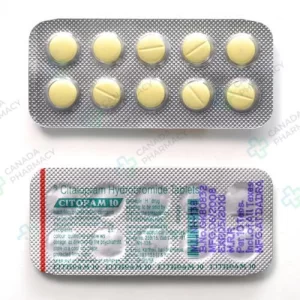
Celexa
Price range: $ 7,00 through $ 193,00
Active substance: Citalopram
More Details
This product has multiple variants. The options may be chosen on the product page

Flunil
Price range: $ 21,00 through $ 138,00
Active substance: Fluoxetine
More Details
This product has multiple variants. The options may be chosen on the product page
Geodon
Price range: $ 46,00 through $ 418,00
Active substance: Ziprasidone
More Details
This product has multiple variants. The options may be chosen on the product page

Lithium
Price range: $ 16,00 through $ 139,00
Active substance: Lithium
More Details
This product has multiple variants. The options may be chosen on the product page

Paxil
Price range: $ 34,00 through $ 445,00
Active substance: paroxetine
More Details
This product has multiple variants. The options may be chosen on the product page
Pexep
Price range: $ 42,00 through $ 162,00
Active substance: paroxetine
More Details
This product has multiple variants. The options may be chosen on the product page
Pristiq
Price range: $ 73,00 through $ 561,00
Active substance: desvenlafaxine
More Details
This product has multiple variants. The options may be chosen on the product page