

-33%
Paxil CR
Price range: $ 84,00 through $ 348,00
Pilex Ointment
Price range: $ 6,00 through $ 23,00
Petcam Oral Suspension
Price range: $ 6,00 through $ 40,00
Petcam Oral Suspension is a highly effective non-steroidal anti-inflammatory drug (NSAID) designed to alleviate pain and inflammation in pets. This medication is specifically formulated to manage discomfort associated with both acute and chronic musculoskeletal disorders, including osteoarthritis. By reducing joint stiffness and swelling, it helps restore mobility and significantly improves your pet’s daily quality of life. The liquid suspension format ensures easy and accurate dosing, allowing for convenient administration directly into the mouth or mixed with food. Petcam provides reliable relief to help your companion stay active and comfortable while managing various physical conditions.
Active substance: meloxicam
Delivery: 5–21 days (depending on the shipping method)
Extra 10% discount with coupon: IT4K6SVM
Each dosage option has its own packaging choices.
Description
Petcam Oral Suspension belongs to a class of non-steroidal anti-inflammatory drugs (NSAIDs) known as oxicams. Formulated with meloxicam as its active ingredient, this liquid therapeutic agent is prescribed under veterinary supervision to manage pain and inflammation associated with osteoarthritis in canine patients.
As a regulated prescription therapy dispensed in accordance with applicable federal and state regulations, precise dosing and monitoring are essential to balance therapeutic efficacy with systemic safety. Caregivers should administer this medication strictly under the guidance of a licensed healthcare professional following a thorough diagnostic evaluation.
| Parameter | Clinical Details |
|---|---|
| Active ingredient | Meloxicam |
| Therapeutic class | Non-steroidal anti-inflammatory drug (NSAID), Oxicam derivative |
| Dosage form | Oral liquid suspension |
| Route of administration | Oral |
| Primary purpose | Control of pain and inflammation associated with osteoarthritis |
| Prescription status | Prescription only (Rx) |
Therapeutic Overview and Clinical Pharmacology
Pharmacological Profile and Indications
Main uses
Petcam Oral Suspension is primarily indicated for the control of pain and inflammation associated with canine osteoarthritis. Osteoarthritis is a degenerative joint disease characterized by progressive cartilage degradation, synovial tissue inflammation, and persistent joint stiffness. By targeting inflammatory pathways within synovial fluid and musculoskeletal tissue, the medication helps facilitate improved mobility, weight-bearing capacity, and daily comfort in affected patients. While osteoarthritis remains the primary FDA-approved indication for meloxicam oral liquid in canine health, veterinary professionals evaluate individual clinical cases to determine whether therapy is appropriate based on validated clinical parameters and patient risk profiles.
How the drug works
The active pharmaceutical ingredient, meloxicam, operates through the inhibition of the cyclooxygenase (COX) enzyme system. Cyclooxygenase converts arachidonic acid into inflammatory mediators, specifically prostaglandins and thromboxanes. Meloxicam exhibits preferential selectivity for the cyclooxygenase-2 (COX-2) isoform over cyclooxygenase-1 (COX-1). COX-2 is induced during tissue injury and inflammatory cascades, whereas COX-1 provides homeostatic cytoprotection within the gastric mucosa, renal vasculature, and platelet aggregation pathways. By selectively attenuating COX-2-mediated prostaglandin E2 synthesis, the drug delivers localized anti-inflammatory, analgesic, and antipyretic effects while minimizing systemic interference with baseline gastrointestinal mucosa and renal perfusion under normal physiological conditions.
What happens in the body
Following oral administration, meloxicam exhibits high systemic bioavailability. Absorption occurs efficiently throughout the gastrointestinal tract, reaching peak plasma concentration within several hours after administration. The compound undergoes extensive plasma protein binding, predominantly to albumin, which governs its distribution throughout intravascular spaces and inflamed synovial tissues. Biotransformation occurs primarily in the liver via oxidative cytochrome P450 enzymatic pathways, converting meloxicam into inactive metabolites. Elimination occurs through dual pathways involving both biliary excretion in feces and renal excretion in urine. The terminal elimination half-life allows for once-daily maintenance administration following proper initial clinical stabilization.
Dosing, Administration, and Interactions
Dosing schedule
Dosage determination for Petcam Oral Suspension is calculated strictly according to body weight and administered using a calibrated dosing syringe provided with the product packaging. Therapy typically commences with an initial loading dose administered on the first day of treatment, followed by a reduced daily maintenance dose administered at approximately 24-hour intervals. The suspension must be shaken thoroughly prior to each dose to ensure uniform active ingredient distribution throughout the liquid vehicle. Caregivers should administer the medication directly into the patient’s mouth or mixed thoroughly with a small portion of food. Precise dosing accuracy is vital; doses should never be estimated or rounded up without explicit instructions from a prescriber.
If you skip a dose
If a scheduled dose is missed, administer the prescribed quantity as soon as remembered on that day. However, if the time for the subsequent scheduled dose is approaching, skip the missed dose and resume the established once-daily administration schedule. Caregivers must never administer a double dose or increase the liquid volume to compensate for a skipped treatment. Administering extra medication elevates systemic drug concentration and increases the probability of drug-induced adverse events, particularly within the gastrointestinal tract and kidneys.
Compatibility with other medicines
Concurrent administration of Petcam Oral Suspension with other pharmacological agents requires careful clinical evaluation. Co-administration with other non-steroidal anti-inflammatory drugs (such as carprofen, deracoxib, or aspirin) or systemic corticosteroids (such as prednisone or dexamethasone) significantly heightens the risk of gastrointestinal mucosal erosion, ulceration, and perforation. Concomitant use with nephrotoxic medications or diuretics (like furosemide) increases the incidence of renal impairment. Furthermore, because meloxicam is highly bound to plasma proteins, concurrent administration with other highly protein-bound drugs may displace active compounds, altering systemic drug clearance and toxicological potential. A full medication history must be reviewed prior to initiating therapy.
What to avoid while taking it
When managing therapy with Petcam Oral Suspension, caregivers should ensure consistent administration conditions. Administering the liquid suspension alongside or immediately following a meal can attenuate potential gastric irritation without compromising systemic absorption. Caregivers must strictly avoid combining this medication with over-the-counter human analgesics or unprescribed anti-inflammatory supplements. Ensure the patient maintains continuous access to clean drinking water throughout the treatment duration, as adequate systemic hydration is essential for maintaining renal perfusion during NSAID therapy.
Safety Profile and Frequently Asked Questions
Adverse Effects and Precautions
Important precautions
Petcam Oral Suspension carries specific regulatory warnings and safety considerations. This product is strictly contraindicated in patients with known hypersensitivity to meloxicam or other oxicam derivatives. Extreme caution is warranted when administering this therapy to individuals with pre-existing renal dysfunction, hepatic impairment, hypovolemia, dehydration, or cardiovascular insufficiency. Safety has not been conclusively established in breeding, pregnant, or lactating subjects, or in young animals under six weeks of age. Off-label repeated administration in feline species carries a significant risk of acute renal failure and mortality; repeated dosing in cats is explicitly contraindicated under standard clinical guidelines. Regular baseline and periodic diagnostic monitoring, including biochemical liver and kidney panels, is recommended during long-term therapy.
Adverse reactions
Clinical response to Petcam Oral Suspension is generally well-tolerated when dosed according to body weight, but adverse reactions may occur. The most commonly reported adverse clinical signs involve the gastrointestinal system, including mild transient vomiting, soft stools, diarrhea, and decreased appetite. Behavioral changes such as temporary lethargy or mild depression may also occur. Less common but severe adverse reactions involve gastrointestinal ulceration, intestinal perforation, renal toxicity, and elevated liver enzyme activity. Caregivers observing persistent digestive upset, changes in drinking or urination habits, skin reactions, or dark tarry stools should discontinue administration immediately and consult a medical professional.
Red flags
Immediate emergency medical evaluation is necessary if severe physiological disturbances emerge during treatment. Caregivers should be vigilant for critical indicators of acute systemic toxicity or severe hypersensitivity reactions.
| Clinical Indicator | Potential Underlying Condition | Recommended Action |
|---|---|---|
| Black, tarry stools or blood in vomit | Gastrointestinal mucosal ulceration or hemorrhage | Halt medication immediately; seek urgent care |
| Complete anorexia or persistent vomiting | Severe gastrointestinal toxicity or obstruction | Discontinue treatment; contact provider |
| Marked increase or decrease in water intake/urination | Acute renal dysfunction or kidney injury | Cease administration; obtain blood biochemistry |
| Yellowing of eyes, gums, or skin (jaundice) | Hepatic dysfunction or severe liver impairment | Stop drug intake; initiate medical evaluation |
| Facial swelling, hives, or respiratory distress | Severe acute systemic hypersensitivity / anaphylaxis | Seek immediate emergency medical care |
Storage and expiration
Store Petcam Oral Suspension at controlled room temperature, ideally between 68°F and 77°F (20°C to 25°C), with brief excursions permitted up to 86°F (30°C). Keep the bottle tightly closed in its original container to protect the liquid formulation from light and excessive moisture. Store the product safely out of reach of children and animals to prevent accidental ingestion or overdose. Do not use the suspension past the expiration date printed on the bottle label. Expired or unused liquid should be disposed of in compliance with local environmental regulations and state pharmaceutical disposal guidelines.
Commonly Asked Questions
Is it recommended to give Petcam Oral Suspension with or without food?
Petcam Oral Suspension can be administered either directly into the mouth or mixed with a small portion of food. Giving the suspension with or shortly after a meal is often recommended because food helps buffer the stomach lining against local prostaglandin suppression, thereby reducing the likelihood of transient gastrointestinal upset such as mild nausea or digestive discomfort.
How long does it take to observe clinical improvement after starting treatment?
Therapeutic response to meloxicam oral suspension varies based on individual physiological factors and the severity of joint inflammation. Initial analgesic effects typically begin within a few hours following administration. However, maximum clinical benefit regarding joint mobility and reduced inflammation from chronic osteoarthritis often becomes evident over three to four days of continuous daily dosing according to the prescribed regimen.
What action should be taken if an accidental overdose of the liquid occurs?
In the event of an accidental administration of a higher-than-prescribed volume, seek emergency medical intervention immediately. Overdose can lead to severe gastrointestinal ulceration, acute renal failure, hepatic toxicity, and electrolyte imbalances. Prompt medical treatment, including decontamination, fluid therapy, and gastroprotective administration, may be required to prevent severe systemic complications.
Can this medication be used long-term for chronic joint conditions?
Yes, meloxicam oral suspension is frequently prescribed for long-term management of chronic osteoarthritis. However, extended use requires strict clinical oversight. Long-term therapy necessitates periodic laboratory monitoring–such as routine complete blood counts and blood chemistry panels–to assess kidney and liver function and ensure that the lowest effective maintenance dose is maintained throughout the treatment course.
Why is continuous access to fresh water essential during administration?
Inhibition of cyclooxygenase enzymes by NSAIDs can reduce blood flow to the renal cortex, particularly during periods of dehydration or low systemic blood volume. Ensuring continuous access to fresh, clean drinking water helps maintain adequate hydration and renal vascular perfusion, thereby mitigating the risk of acute drug-induced renal injury while taking this medication.
Information on this page is for reference and does not replace an assessment by a licensed healthcare professional. In accordance with FDA regulations.
Additional information
| Dosage |
10 ml |
|---|---|
| Package |
1 bottles ,5 bottles ,10 bottles |
| Ενεργός Ουσία |
Related products
Cartidin
Price range: $ 65,00 through $ 278,00
Active substance: Diacerein
More Details
This product has multiple variants. The options may be chosen on the product page
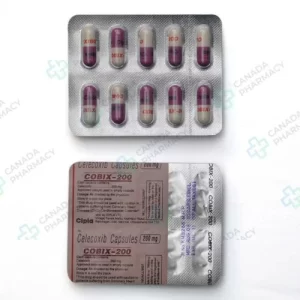
Celebrex
Price range: $ 42,00 through $ 232,00
Active substance: Celecoxib
More Details
This product has multiple variants. The options may be chosen on the product page
Diclofenac SR
Price range: $ 33,00 through $ 206,00
Active substance: diclofenac
More Details
This product has multiple variants. The options may be chosen on the product page
Emulgel
Price range: $ 51,00 through $ 323,00
Active substance: diclofenac
More Details
This product has multiple variants. The options may be chosen on the product page
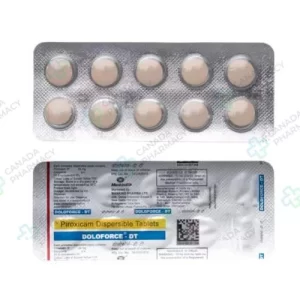
Feldene
Price range: $ 27,00 through $ 222,00
Active substance: Piroxicam
More Details
This product has multiple variants. The options may be chosen on the product page
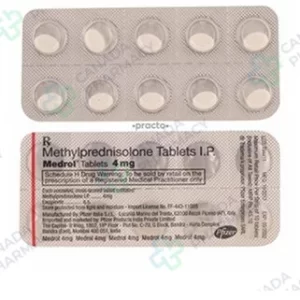
Medrol
Price range: $ 49,00 through $ 497,00
Active substance: Medrol
More Details
This product has multiple variants. The options may be chosen on the product page
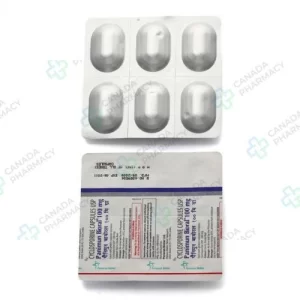
Neoral
Price range: $ 45,00 through $ 1 800,00
Active substance: Cyclosporine
More Details
This product has multiple variants. The options may be chosen on the product page
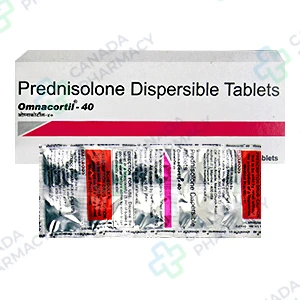
Omnacortil
Price range: $ 51,00 through $ 210,00
Active substance: prednisolone
More Details
This product has multiple variants. The options may be chosen on the product page