

-39%
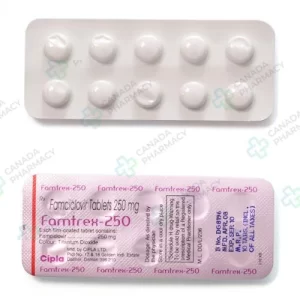
Famvir
Price range: $ 136,00 through $ 285,00
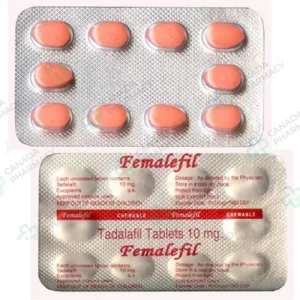
Female Cialis
Price range: $ 20,00 through $ 340,00
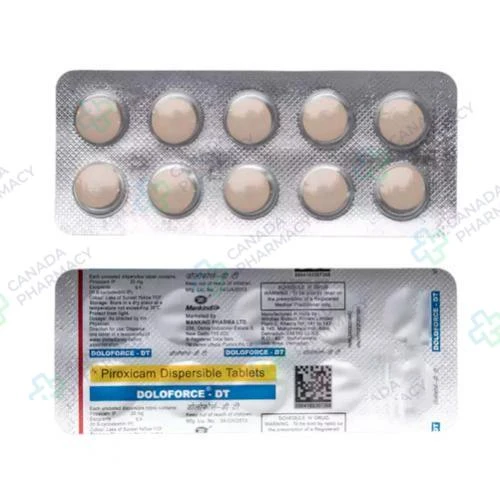
Feldene
Price range: $ 27,00 through $ 222,00
Feldene is a nonsteroidal anti-inflammatory drug (NSAID) used to relieve pain, swelling, and joint stiffness. It is officially indicated for the treatment of chronic symptoms related to osteoarthritis. The medication is also highly effective in managing the discomfort and inflammation caused by rheumatoid arthritis. By targeting the chemicals in the body that cause inflammation, Feldene helps reduce physical limitations in patients with joint disorders. This treatment provides consistent relief, helping individuals maintain an active and comfortable lifestyle.
Active substance: Piroxicam
Delivery: 5–21 days (depending on the shipping method)
Extra 10% discount with coupon: IT4K6SVM
Each dosage option has its own packaging choices.
Description
Feldene – Information for Patients
Feldene belongs to a class of medications known as nonsteroidal anti-inflammatory drugs (NSAIDs), specifically within the oxicam derivative subcategory. It is an FDA-approved prescription medication prescribed primarily for managing chronic inflammatory joint conditions.
By reducing systemic inflammation and relieving musculoskeletal discomfort, this treatment helps improve joint mobility in eligible individuals. As a prescription drug, its administration requires careful medical oversight to balance clinical efficacy against potential cardiovascular and gastrointestinal risks.
Basic Information
| Active ingredient | Piroxicam |
| Therapeutic class | Nonsteroidal Anti-inflammatory Drug (NSAID) |
| Dosage form | Oral capsule |
| Route of administration | Oral |
| Primary purpose | Osteoarthritis and Rheumatoid Arthritis symptom management |
| Prescription status | Prescription (Rx) only |
How the Drug Works
Feldene exerts its therapeutic effects by inhibiting the cyclooxygenase (COX) enzymes, specifically COX-1 and COX-2. This enzymatic inhibition prevents the biological transformation of arachidonic acid into prostaglandins, which are key chemical mediators involved in peripheral inflammation, pain signaling, and hyperalgesia. Unlike acute central analgesics, piroxicam operates primarily at sites of peripheral tissue damage and synovial inflammation. By decreasing prostaglandin accumulation within joint tissues, Feldene attenuates localized edema, synovial thickening, vascular permeability, and joint stiffness associated with inflammatory arthropathies.
Main Uses
Feldene is indicated for the relief of the signs and symptoms of osteoarthritis and rheumatoid arthritis. In clinical disease management, it aids in reducing chronic joint pain, tenderness, swelling, and morning stiffness caused by structural cartilage degeneration or autoimmune synovial inflammation. Due to its pharmacokinetic duration and potential adverse effect profile, the FDA-approved labeling emphasizes that Feldene should be selected after careful consideration of potential risks relative to other NSAIDs. Any use for off-label conditions–such as acute gouty arthritis, ankylosing spondylitis, or dysmenorrhea–is determined strictly by a qualified healthcare provider based on clinical judgment.
How It’s Absorbed and Eliminated
Following oral administration, Feldene is well absorbed from the gastrointestinal tract, reaching peak plasma concentrations within 3 to 5 hours. Concurrent food consumption may slightly delay the rate of absorption but does not significantly reduce the overall extent of systemic bioavailability. Piroxicam exhibits extensive plasma protein binding, exceeding 99% capacity primarily to serum albumin. It possesses an exceptionally long elimination half-life, averaging approximately 50 hours in human subjects. The drug undergoes extensive hepatic biotransformation, primarily via hydroxylation and glucuronide conjugation mediated by cytochrome P450 enzymes, predominantly CYP2C9. Excretion of metabolites and minimal unchanged drug occurs mainly through the renal system in urine, with a smaller fraction eliminated via the biliary route in feces.
Dosing Schedule
The standard recommended initial dosage of Feldene for osteoarthritis and rheumatoid arthritis is 20 mg administered orally once daily. Alternatively, a healthcare provider may direct the daily dosage to be divided into 10 mg taken twice daily if preferred for gastrointestinal tolerance. Clinicians aim to maintain patients on the lowest effective dose for the shortest duration consistent with individual treatment goals to minimize systemic exposure and adverse events. Capsules should be swallowed whole with a full glass of water. Taking the dose with food or milk may help mitigate minor digestive distress. Daily maintenance doses exceeding 20 mg are generally avoided, as higher doses increase the risk of gastrointestinal toxicity without providing proportional gains in anti-inflammatory efficacy.
What to Avoid While Taking It
Patients prescribed Feldene should be mindful of specific dietary and substance interactions. Administering piroxicam alongside meals or milk can help minimize localized gastric mucosal irritation, though high-fat meals may marginally delay the time required to reach peak plasma concentration. Alcohol consumption should be strictly limited or avoided entirely while taking Feldene. Combining ethanol with nonsteroidal anti-inflammatory agents significantly amplifies the risk of severe upper gastrointestinal complications, including mucosal erosion, ulcer formation, and internal bleeding. Additionally, excessive dietary sodium intake should be monitored, particularly in individuals managing concurrent hypertension or fluid retention.
Compatibility With Other Medicines
Feldene demonstrates clinically significant interactions with several drug classes, requiring comprehensive medication review prior to initiation:
- Anticoagulants and Antiplatelets: Concomitant administration with warfarin, heparin, aspirin, or SSRIs increases the risk of serious gastrointestinal and systemic bleeding events.
- Other NSAIDs or Corticosteroids: Co-administration with secondary NSAIDs or oral corticosteroids increases mucosal toxicity and ulceration risk without added therapeutic benefit.
- Antihypertensives: Piroxicam can reduce the blood-pressure-lowering efficacy of ACE inhibitors, angiotensin receptor blockers (ARBs), and beta-blockers.
- Lithium and Methotrexate: Feldene can inhibit the renal clearance of lithium and methotrexate, potentially elevating serum concentration levels and precipitating severe drug toxicity.
- Diuretics: The natriuretic and antihypertensive efficacy of loop diuretics (e.g., furosemide) and thiazides may be blunted by NSAID-induced renal prostaglandin inhibition.
Adverse Reactions
Adverse events associated with Feldene range from mild gastrointestinal symptoms to serious systemic complications. Common side effects reported during treatment include epigastric distress, nausea, abdominal pain, flatulence, diarrhea, constipation, dizziness, and tinnitus. Less common but severe complications involve peptic ulceration, gastrointestinal perforation, and frank bleeding. Additional risks include impaired renal function, acute renal failure, hyperkalemia, elevated liver transaminases, fluid retention, peripheral edema, and new-onset or worsening hypertension. Rare dermatologic hypersensitivity reactions, such as Stevens-Johnson syndrome (SJS) and toxic epidermal necrolysis (TEN), have also been documented.
Important Precautions
Feldene carries boxed warnings highlighting severe cardiovascular and gastrointestinal risks. Nonsteroidal anti-inflammatory drugs increase the risk of serious cardiovascular thrombotic events, including myocardial infarction and stroke, which can be fatal. This risk may manifest early during therapy and increases with prolonged use. Feldene is strictly contraindicated for perioperative pain management in patients undergoing coronary artery bypass graft (CABG) surgery.
Furthermore, NSAIDs cause an elevated risk of serious gastrointestinal adverse events, including inflammation, bleeding, ulceration, and perforation of the stomach or intestines. These conditions can occur at any time during use and without warning symptoms. Patients with a history of peptic ulcer disease or gastrointestinal bleeding require extreme caution. Enhanced clinical monitoring is also warranted for patients with underlying renal impairment, hepatic dysfunction, heart failure, or severe hypertension.
Special Populations
The safety and efficacy profile of Feldene varies among specific patient demographics:
- Elderly Patients: Individuals aged 65 and older face a heightened risk of NSAID-induced adverse effects, particularly fatal gastrointestinal bleeding and acute renal impairment. Dosing should be cautious, often starting at the lower end of the spectrum with attentive clinical monitoring.
- Pediatric Use: Safety and effectiveness in pediatric patients have not been established by the FDA.
- Pregnancy: Use of Feldene during the third trimester of pregnancy is contraindicated because NSAIDs can cause premature closure of the fetal ductus arteriosus and lead to fetal renal dysfunction resulting in oligohydramnios. Use in earlier pregnancy stages should occur only if the potential benefit justifies the potential risk to the fetus.
- Nursing Mothers: Piroxicam is excreted into human breast milk in small amounts. Healthcare providers must evaluate whether to discontinue nursing or discontinue the drug, considering the mother’s clinical need.
If You Skip a Dose
If a dose of Feldene is missed, it should be taken as soon as it is remembered on that day. However, if it is nearly time for the next scheduled dose, the missed dose should be skipped entirely, resuming the regular once-daily schedule. Patients must not double the dose or take extra medication to compensate for a missed capsule. Exceeding prescribed dosing intervals significantly escalates the risk of gastrointestinal mucosal injury and systemic toxicity.
Signs of Improvement
Evaluating the therapeutic response to Feldene involves monitoring both subjective patient report and objective clinical indicators of joint inflammation. Patients typically observe a reduction in joint pain intensity, decreased duration of morning stiffness, and improved joint mobility within 1 to 2 weeks of starting continuous once-daily therapy. Peak anti-inflammatory benefits for systemic chronic conditions such as rheumatoid arthritis may require up to 4 weeks of consistent dosing. If minimal or no clinical improvement is observed after an adequate treatment period, the prescribing physician may reassess the therapeutic approach.
When to Seek Help Immediately
| Symptom / Sign | Clinical Implication |
| Difficulty breathing, chest pain, or sudden weakness on one side of the body | Potential signs of a acute cardiovascular event (myocardial infarction or stroke) |
| Black, tarry stools or vomiting bloody/coffee-ground material | Signs of active upper gastrointestinal bleeding or severe ulceration |
| Swelling of the face, lips, tongue, or throat with hives | Severe systemic allergic reaction or anaphylaxis requiring immediate emergency care |
| Severe skin rash, blistering, or peeling skin accompanied by fever | Potential early presentation of serious dermatologic toxicities (SJS/TEN) |
| Unusual weight gain, severe swelling in legs/ankles, or markedly reduced urination | Signs of severe fluid retention or acute renal dysfunction |
Common Questions
Why is Feldene typically administered only once per day?
Feldene possesses a long elimination half-life of approximately 50 hours in the body. This extended pharmacokinetic profile allows steady therapeutic plasma levels to be maintained over a 24-hour period with a single daily dose, eliminating the need for frequent daily administration.
Can Feldene be taken with over-the-counter pain relievers like ibuprofen or naproxen?
No, Feldene should not be combined with over-the-counter NSAIDs like ibuprofen or naproxen. Concurrent use of multiple NSAIDs significantly increases the risk of severe gastrointestinal ulceration, internal bleeding, and kidney impairment without offering additional pain relief.
What should I do if I experience stomach discomfort while taking Feldene?
Minor stomach upset can often be managed by taking the capsule alongside food, milk, or an antacid. However, if you experience persistent abdominal pain, severe heartburn, or any signs of internal bleeding (such as dark stools), contact your healthcare provider promptly.
Does Feldene affect blood pressure control in individuals with hypertension?
Yes, nonsteroidal anti-inflammatory drugs including Feldene can cause new-onset hypertension or exacerbate preexisting high blood pressure. They may also diminish the therapeutic efficacy of common antihypertensive medications. Regular blood pressure monitoring is recommended during treatment.
How long does it take for Feldene to leave the body after stopping treatment?
Because piroxicam has an average elimination half-life of about 50 hours, it takes approximately 10 to 12 days for the medication to be almost completely cleared from the system following the final dose.
This content is informational and does not replace a consultation with your doctor or pharmacist. In accordance with FDA requirements.
Additional information
| Dosage |
10 mg ,20mg |
|---|---|
| Package |
30 caps ,60 caps ,90 caps ,120 caps ,180 caps ,270 caps ,360 caps |
| Ενεργός Ουσία |
Related products

Cartidin
Price range: $ 65,00 through $ 278,00
Active substance: Diacerein
More Details
This product has multiple variants. The options may be chosen on the product page
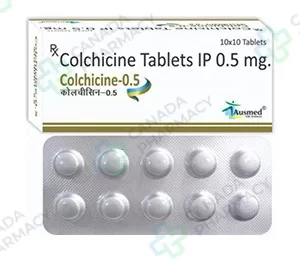
Colchicine
Price range: $ 57,00 through $ 193,00
Active substance: colchicine
More Details
This product has multiple variants. The options may be chosen on the product page

Deltasone
Price range: $ 47,00 through $ 296,00
Active substance: Prednisone
More Details
This product has multiple variants. The options may be chosen on the product page
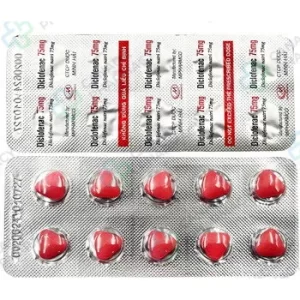
Diclofenac
Price range: $ 49,00 through $ 121,00
Active substance: diclofenac
More Details
This product has multiple variants. The options may be chosen on the product page
Etodolac
Price range: $ 46,00 through $ 390,00
Active substance: Etodolac
More Details
This product has multiple variants. The options may be chosen on the product page
Hydroxychloroquine
Price range: $ 50,00 through $ 1 450,00
Active substance: Hydroxychloroquine
More Details
This product has multiple variants. The options may be chosen on the product page
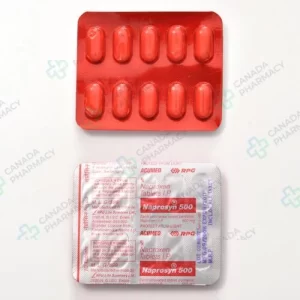
Naprosyn
Price range: $ 56,00 through $ 260,00
Active substance: naproxen
More Details
This product has multiple variants. The options may be chosen on the product page
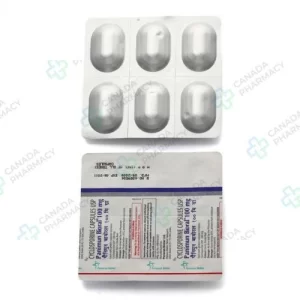
Neoral
Price range: $ 45,00 through $ 1 800,00
Active substance: Cyclosporine
More Details
This product has multiple variants. The options may be chosen on the product page