

-63%

Alamin M Forte
Price range: $ 57,00 through $ 150,00
Aquasol A
Price range: $ 15,00 through $ 39,00
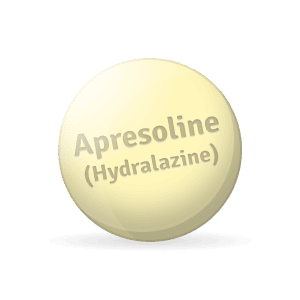
Apresoline
Price range: $ 48,00 through $ 81,00
Apresoline is an effective vasodilator primarily used to manage and treat essential hypertension. This medication works by relaxing the muscles in your blood vessels, allowing them to widen and improve blood flow. By lowering high blood pressure, it helps reduce the workload on the heart and arteries throughout the body. Maintaining healthy blood pressure levels with this treatment can significantly decrease the risk of serious cardiovascular events. It is available in various strengths to provide a reliable solution for long-term blood pressure management.
Delivery: 5–21 days (depending on the shipping method)
Extra 10% discount with coupon: IT4K6SVM
Each dosage option has its own packaging choices.
Description
Apresoline belongs to a class of cardiovascular medications known as direct-acting peripheral vasodilators. It contains hydralazine hydrochloride as its active ingredient and is an FDA-approved prescription medication used primarily in the management of essential hypertension.
Proper clinical management requires that Apresoline be prescribed and monitored by a licensed healthcare professional, frequently as part of a multi-drug antihypertensive regimen. Understanding the drug’s mechanism, pharmacokinetic profile, and potential adverse reactions ensures safe and effective blood pressure control.
| Parameter | Details |
|---|---|
| Active ingredient | Hydralazine hydrochloride |
| Primary purpose | Management of essential hypertension |
| Route of administration | Oral |
| Prescription status | Prescription-only (Rx) |
| Mechanism of action | Direct relaxation of vascular smooth muscle |
| Storage | Store at controlled room temperature 20°C to 25°C (68°F to 77°F) |
What it’s used for
Apresoline is indicated for the treatment of essential hypertension. In clinical practice, it is typically prescribed in combination with other antihypertensive agents, such as beta-blockers and diuretics, rather than as monotherapy. This combination strategy helps counteract compensatory mechanisms, such as reflex tachycardia and fluid retention, which can occur when vasodilators are administered alone.
The medication is formulated for oral administration. Dosage adjustments must be tailored by a physician based on blood pressure response and individual tolerability. In specific clinical scenarios, off-label use may occur under direct specialist oversight, though primary FDA-approved labeling remains focused on arterial hypertension control.
Clinical Overview
How the drug works
Apresoline exerts its therapeutic effect through the direct relaxation of vascular smooth muscle, predominantly within the arterial bed. By selectively reducing peripheral vascular resistance in arterioles, it lowers systemic arterial blood pressure without causing significant venodilation.
The reduction in vascular resistance leads to a decrease in cardiac afterload. However, this blood pressure reduction frequently triggers a sympathetic reflex, resulting in increased heart rate, stroke volume, and cardiac output. For this reason, co-administration with a sympathetic inhibitor, such as a beta-adrenergic blocking agent, is frequently employed to stabilize cardiac hemodynamics during treatment.
Key Pharmacologic Features
How it’s absorbed and eliminated
Following oral administration, Apresoline is rapidly absorbed through the gastrointestinal tract. Peak plasma concentrations are typically achieved within 1 to 2 hours post-dose. The systemic bioavailability of hydralazine hydrochloride varies significantly among individuals due to first-pass hepatic metabolism via N-acetyltransferase.
Patients are categorized clinically as slow or fast acetylators. Slow acetylators generally exhibit higher plasma concentration levels and a longer elimination half-life, which ranges broadly between 2 and 8 hours. The drug undergoes extensive metabolic transformation in the liver, with its primary metabolites excreted predominantly by the kidneys.
Dosing schedule
Therapeutic dosing of Apresoline is individualized according to patient response and blood pressure goals. Initial therapy generally starts at a low daily dose, divided into multiple administrations throughout the day, and is gradually titrated upward under strict medical supervision.
Abrupt discontinuation of Apresoline should be avoided, as sudden withdrawal can lead to a rebound increase in blood pressure. Patients must adhere strictly to the schedule prescribed by their healthcare provider. Dosage adjustments may be necessary for patients with impaired renal or hepatic function to prevent drug accumulation and systemic toxicity.
Safety and Practical Use
Adverse reactions
Treatment with Apresoline can produce side effects related to its potent vasodilatory action. Common adverse reactions include headache, sinus tachycardia, heart palpitations, anorexia, nausea, vomiting, and diarrhea. Peripheral vasodilation may also induce localized edema or flushing.
Long-term administration, particularly at higher daily doses, is associated with the potential development of a drug-induced lupus-like syndrome. Symptoms of this syndrome include arthralgia, fever, chest pain, and joint swelling. These symptoms are generally reversible upon prompt withdrawal of the medication under medical direction.
Precautions and Risks
Before you take it
Apresoline carries specific clinical warnings. It is contraindicated in patients with coronary artery disease or mitral valvular rheumatic heart disease, as reflex cardiac stimulation can exacerbate myocardial ischemia or provoke angina pectoris. Caution is required in individuals with a history of stroke or severe renal insufficiency.
In special populations, such as pregnant women, hydralazine hydrochloride should be used only if the potential benefit justifies the potential risk to the fetus. It is classified as an FDA pregnancy category medication requiring careful risk-benefit evaluation. Elderly patients may exhibit heightened sensitivity to hypotensive effects and require lower starting doses.
Interaction Profile
Compatibility with other medicines
Apresoline exhibits significant pharmacodynamic interactions with other blood pressure medications. Potentiation of hypotensive effects occurs when co-administered with other antihypertensives, nitrates, or central nervous system depressants. Combined use with monoamine oxidase (MAO) inhibitors requires extreme caution due to potential blood pressure alterations.
Concomitant administration with nonsteroidal anti-inflammatory drugs (NSAIDs) may diminish the blood pressure-lowering effectiveness of hydralazine hydrochloride. Patients must inform their prescribing clinician of all current prescription drugs, over-the-counter products, and dietary supplements to avoid unsafe pharmacological interactions.
Red flags
Certain clinical signs demand prompt medical intervention. Patients experiencing severe chest pain, rapid or irregular heart rhythms, severe shortness of breath, or sudden severe headache should contact emergency services immediately.
Additionally, signs of a systemic hypersensitivity reaction or drug-induced lupus syndrome–such as persistent joint pain, unexplained fever, facial rash, or swelling of the face, lips, or tongue–warrant urgent evaluation by a healthcare professional.
| Emergency Sign | Recommended Action |
|---|---|
| Chest pain or severe pressure | Seek immediate emergency medical care |
| Rapid, pounding heartbeat (tachycardia) | Contact your prescribing doctor urgently |
| Unexplained fever or persistent joint pain | Schedule an immediate clinical evaluation |
| Swelling of the face, lips, throat, or tongue | Seek emergency care for potential hypersensitivity |
| Severe dizziness or fainting (syncope) | Lie down immediately and seek medical attention |
What to avoid while taking it
Alcohol consumption can enhance the vasodilatory effects of Apresoline, increasing the risk of pronounced orthostatic hypotension, severe dizziness, and syncope. Patients are advised to limit or avoid alcohol during treatment.
While standard food intake does not severely inhibit overall absorption, taking Apresoline consistently with respect to meals (either consistently with food or consistently on an empty stomach) helps maintain stable plasma concentrations and predictable therapeutic efficacy.
If you skip a dose
If a scheduled dose of Apresoline is missed, it should be taken as soon as remembered, unless it is almost time for the next scheduled dose. Patients should never double the dose to compensate for a missed administration.
Taking two doses simultaneously can precipitate an unexpected severe drop in blood pressure. Establishing a consistent daily dosing routine helps maintain optimal therapeutic blood pressure control.
Common beliefs
Myth: Apresoline works instantly to cure high blood pressure permanently.
Fact: Apresoline manages blood pressure levels while taken; it does not cure underlying hypertension, and blood pressure will rise if the medication is discontinued.
Myth: If you feel well, you can stop taking the medication.
Fact: High blood pressure often presents without symptoms. Discontinuing treatment without medical guidance can lead to dangerous rebound hypertension.
Frequently Asked Questions
Can Apresoline cause dizziness when standing up quickly?
Yes, as a direct vasodilator, Apresoline can cause orthostatic hypotension. Patients are advised to rise slowly from sitting or lying positions to minimize lightheadedness.
How long does it take for Apresoline to show an effect?
Oral administration generally initiates vascular relaxation within 45 minutes, with peak therapeutic blood pressure reduction typically observed within 1 to 2 hours.
Is blood test monitoring required during long-term therapy?
Yes. Healthcare providers frequently order complete blood counts and antinuclear antibody (ANA) titers during prolonged treatment to screen for potential drug-induced lupus syndrome or hematologic alterations.
Can Apresoline be taken prior to surgical procedures?
Patients undergoing elective surgery must inform their surgical team and anesthesiologist, as hydralazine interacts with anesthetic agents to alter hemodynamic stability.
In accordance with FDA requirements.
This text is for informational purposes only and does not constitute individual medical advice.
Additional information
| Dosage |
25 mg |
|---|---|
| Package |
60 tabs ,90 tabs ,120 tabs ,180 tabs ,270 tabs |
| Active Ingredient |
Hydralazine |
Related products
Avalide
Price range: $ 66,00 through $ 333,00
Active substance: Irbesartan
More Details
This product has multiple variants. The options may be chosen on the product page
Benicar
Price range: $ 42,00 through $ 478,00
Active substance: Olmesartan
More Details
This product has multiple variants. The options may be chosen on the product page

Capoten
Price range: $ 42,00 through $ 323,00
Active substance: Captopril
More Details
This product has multiple variants. The options may be chosen on the product page
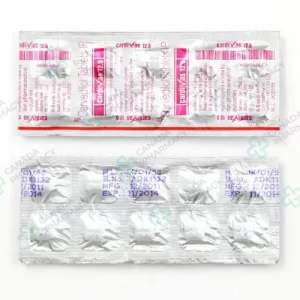
Coreg
Price range: $ 41,00 through $ 651,00
Active substance: Carvedilol
More Details
This product has multiple variants. The options may be chosen on the product page
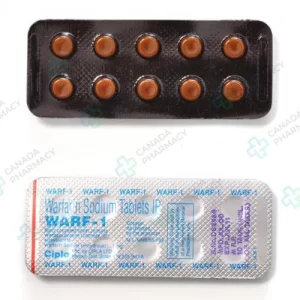
Coumadin
Price range: $ 12,00 through $ 153,00
Active substance: Warfarin
More Details
This product has multiple variants. The options may be chosen on the product page

Cozaar
Price range: $ 41,00 through $ 281,00
Active substance: Losartan
More Details
This product has multiple variants. The options may be chosen on the product page
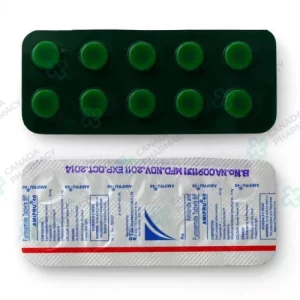
Frumil
Price range: $ 43,00 through $ 202,00
Active substance: Amiloride, furosemide
More Details
This product has multiple variants. The options may be chosen on the product page
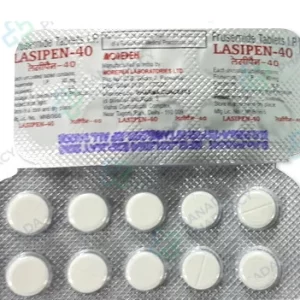
Furosemide
Price range: $ 46,00 through $ 193,00
Active substance: furosemide
More Details
This product has multiple variants. The options may be chosen on the product page