

-43%
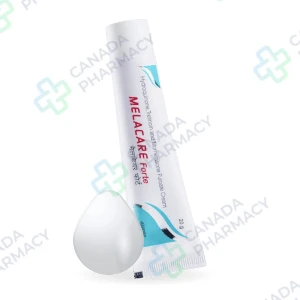
Melacare Forte Cream
Price range: $ 19,00 through $ 64,00
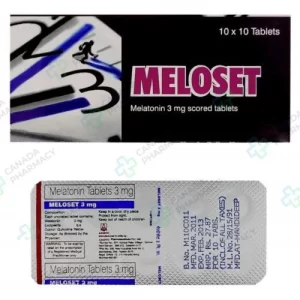
Melatonin
Price range: $ 46,00 through $ 201,00
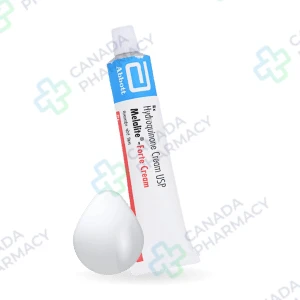
Melalite Forte Cream
Price range: $ 10,00 through $ 34,00
Melalite Forte Cream is a potent dermatological solution specifically formulated to reduce the appearance of dark spots and hyperpigmentation. Featuring 4% Hydroquinone, this topical treatment works by inhibiting melanin production to even out skin tone and restore natural radiance. It effectively addresses common skin concerns such as melasma, age spots, freckles, and marks caused by sun exposure or hormonal changes. The non-greasy formula absorbs quickly into the skin, making it a convenient addition to a targeted nighttime skincare routine. Regular application helps achieve a clearer, more uniform complexion by visibly lightening darkened areas of the skin.
Active substance: Hydroquinone
Delivery: 5–21 days (depending on the shipping method)
Extra 10% discount with coupon: IT4K6SVM
Each dosage option has its own packaging choices.
Description
Melalite Forte Cream belongs to a class of topical skin-lightening medications containing hydroquinone at a 4% concentration. It is prescribed for the gradual bleaching of hyperpigmented skin conditions, including melasma, freckles, senile lentigines, and post-inflammatory hyperpigmentation resulting from skin trauma or acne. This cream is dispensed in accordance with applicable federal and state regulations in the United States under medical supervision.
On one hand, 4% hydroquinone remains one of the most thoroughly studied dermatological options for reducing excessive localized melanin production. On the other hand, its application requires strict adherence to treatment schedules, adequate sun protection, and careful monitoring to avoid localized irritation or rare long-term cutaneous complications.
| Property | Details |
|---|---|
| Drug name | Melalite Forte Cream |
| Active ingredient | Hydroquinone (4% w/w) |
| Therapeutic class | Topical Depigmenting Agent |
| Dosage form | Topical Cream |
| Route of administration | Topical (Skin) |
| Primary purpose | Gradual reduction of hyperpigmentation (melasma, lentigines, freckles) |
| Prescription status | Dispensed in accordance with applicable federal and state regulations |
| Storage | Store below 25°C (77°F), away from direct light and heat |
What it’s used for
Melalite Forte Cream is indicated for the topical treatment of cutaneous hyperpigmentation disorders where excessive melanin accumulation causes dark spots or uneven skin tone. Clinicians frequently prescribe 4% hydroquinone formulation for melasma (chloasma), a condition characterized by symmetric brownish patches on the face often triggered by hormonal alterations or ultraviolet light exposure. Additionally, it is indicated for senile lentigines (age spots), ephelides (freckles), and post-inflammatory hyperpigmentation occurring after inflammatory skin lesions, such as acne vulgaris, eczema, or superficial burn injuries. While it effectively targets hyperpigmented macules, it is not intended for widespread body whitening or non-pathological skin tone alterations. Any application outside dermatological hyperpigmentation conditions represents an off-label use and should be managed under clinical direction.
How the drug works
The primary active substance in Melalite Forte Cream, hydroquinone, exerts its effect through the reversible inhibition of tyrosinase, the rate-limiting enzyme responsible for converting 3,4-dihydroxyphenylalanine (DOPA) into melanin polymers within epidermal melanocytes. By interfering with enzymatic oxidation, hydroquinone decreases melanin synthesis and suppresses intracellular melanosome formation. Furthermore, hydroquinone alters the internal structure of melanocytes, leading to increased melanosome degradation. As existing hyperpigmented epidermal cells undergo normal shedding and desquamation, the underlying skin exhibits a lighter pigment density. This biochemical action is gradual, requiring several weeks of continuous application before clinical fading of hyperpigmented lesions becomes visible.
How it’s absorbed and eliminated
Following topical application of 4% hydroquinone cream to intact cutaneous surfaces, systemic absorption remains relatively low and variable among individuals. Studies demonstrate that a small fraction of topically applied hydroquinone crosses the stratum corneum into systemic circulation. Once absorbed, hydroquinone undergoes rapid hepatic conjugation into water-soluble sulfate and glucuronide metabolites. These inactive metabolites are subsequently excreted through the renal system via urine. Systemic accumulation is minimal when applied to limited surface areas according to recommended dosing limits. However, absorption can significantly increase if the product is applied to broken, eroded, or inflamed skin, or when used under occlusive dressings.
Clinical Profile and Usage Guidelines
Dosing and Daily Application
Dosing schedule
Melalite Forte Cream should be applied strictly to hyperpigmented lesions twice daily, typically once in the morning and once in the evening, or as instructed by a healthcare provider. Prior to initiating routine application, a skin sensitivity test (patch test) should be conducted by applying a small amount of cream to an unbroken patch of skin and monitoring for 24 hours for severe erythema or vesicle formation. Application involves rubbing a thin layer evenly into the affected dark spots until absorbed. Treatment duration generally spans 8 to 12 weeks; if no therapeutic response is observed after 2 months of compliant use, treatment should be discontinued and re-evaluated by a clinician.
What to expect when starting treatment
During the initial days of using Melalite Forte Cream, patients may observe mild localized redness, subtle dryness, or light peeling at the application site. These early cutaneous reactions are relatively common as the skin adapts to topical hydroquinone. Depigmentation does not occur immediately; initial fading of dark spots typically becomes noticeable after 4 to 6 weeks of continuous, disciplined application alongside broad-spectrum sun protection. On one hand, early mild desquamation indicates epidermal turnover; on the other hand, severe burning, intense itchiness, or blistering requires immediate cessation of the product and professional clinical evaluation.
Compatibility with other medicines
Topical application of Melalite Forte Cream requires caution when combined with other dermatological treatments. Concurrent use of hydroquinone with topical oxidizing agents, such as benzoyl peroxide, hydrogen peroxide, or carbamide peroxide, can cause temporary dark staining of the treated skin. While this staining can be removed with soap and water, simultaneous application should be avoided. Combining hydroquinone with topical retinoids (such as tretinoin or adapalene) or alpha-hydroxy acids (like glycolic acid) can enhance depigmenting efficacy, but also increases the risk of epidermal irritation, dryness, and erythema. Patients should inform their prescriber of all concurrent topical creams, ointments, or chemical peels.
Safety Profile and Risk Management
Adverse reactions
The safety profile of Melalite Forte Cream includes both mild localized skin reactions and less frequent systemic or cutaneous risks. Commonly reported adverse events include mild erythema, localized burning sensations, skin dryness, desquamation, and allergic contact dermatitis. Extended use over several months or years, particularly in dark-skinned individuals, presents a rare but serious risk of exogenous ochronosis–a condition characterized by blue-black hyperpigmentation in the treated area due to deposition of ochronotic pigment in the dermis. If ochronosis occurs, treatment must be discontinued permanently. Prolonged application may also lead to patchy loss of normal skin pigmentation (leukoderma or confetti-like hypopigmentation).
Important precautions
Melalite Forte Cream is for external topical use only and must never be applied to eyes, lips, mucous membranes, or open wounds. Sun exposure significantly antagonizes the depigmenting effect of hydroquinone; exposure to direct sunlight or ultraviolet light stimulates melanin production and can reverse treatment gains. Therefore, daytime application requires strict concurrent use of broad-spectrum sunscreen (SPF 30 or higher) and protective clothing. Hydroquinone is classified as FDA Pregnancy Category C; safety during pregnancy has not been established, and it should be used during pregnancy only if clearly required. Caution is advised when prescribing to nursing mothers, as it is unknown whether topical hydroquinone is excreted in human milk. Pediatric safety below 12 years of age has not been validated.
If you skip a dose
If a scheduled application of Melalite Forte Cream is missed, apply it as soon as remembered, provided it is not almost time for the next routine application. Do not apply extra cream or double the dosage layer to compensate for skipped doses. Excess application does not accelerate skin lightening and increases the risk of severe skin irritation.
Practical tips
To optimize results while using Melalite Forte Cream, wash hands thoroughly before and after every application, unless treating hyperpigmentation on the hands. Apply only a thin layer targeting dark spots directly, avoiding surrounding unaffected skin. Integrate a non-comedogenic broad-spectrum sunscreen into your morning routine and reapply every 2 hours when outdoors, even on cloudy days. Avoid using abrasive facial scrubs, alcohol-based toners, or harsh soaps during treatment to reduce cutaneous barrier breakdown.
Storage and expiration
Store Melalite Forte Cream at controlled room temperature between 15°C and 25°C (59°F to 77°F). Keep the tube tightly closed when not in use to prevent oxidation, which can cause the cream to turn brown and lose efficacy. Protect from excessive heat and direct sunlight. Store safely out of reach of children and pets. Do not use the product past the expiration date printed on the tube crimp or package box.
| Category | Clinical Evaluation |
|---|---|
| Main advantages | Targeted depigmentation for melasma and post-inflammatory hyperpigmentation; established clinical record. |
| Limitations | Requires several weeks for initial results; reversible upon sun exposure; potential for skin irritation. |
| Safety profile | Generally well-tolerated for short-term use; rare risk of exogenous ochronosis with prolonged application. |
| Convenience of use | Simple twice-daily topical application requiring mandatory daytime sunscreen use. |
Patient Considerations and FAQs
Frequently Asked Questions
Common questions
How long does it usually take to see visible fading of dark spots?
Clinical improvement with Melalite Forte Cream is gradual. Most patients notice visible lightening of hyperpigmented areas after 4 to 8 weeks of consistent twice-daily application combined with strict sun protection. If no noticeable fading occurs after 2 months of compliant use, consult your healthcare provider to re-evaluate treatment suitability.
Is sun protection mandatory while using this cream?
Yes, diligent sun protection is essential. Ultraviolet rays directly stimulate melanocytes to synthesize melanin, which counteracts the depigmenting action of hydroquinone. Using broad-spectrum sunscreen with SPF 30 or higher and wearing protective hats are critical components of hyperpigmentation therapy.
What happens if the cream changes color to dark brown?
If Melalite Forte Cream turns dark brown, it indicates that the hydroquinone active ingredient has oxidized due to exposure to air or heat. Oxidized cream loses its therapeutic potency and may cause skin irritation; discolored product should be discarded and replaced.
Can Melalite Forte Cream cause permanent skin discoloration?
While rare, prolonged and continuous use over extended months or years can cause exogenous ochronosis–a dark blue-black cutaneous pigmentation–or confetti-like leukoderma. Using the cream under clinical oversight for limited treatment durations minimizes these risks.
Can I apply makeup or moisturizer over Melalite Forte Cream?
Yes, makeup and non-medicated moisturizers can be applied once Melalite Forte Cream has fully absorbed into the skin. Wait a few minutes after applying the cream before smoothing on moisturizer or cosmetics.
In accordance with FDA requirements.
This content is informational and does not replace a consultation with your doctor or pharmacist.
Additional information
| Dosage |
4% 30 gm |
|---|---|
| Package |
1 tubes ,3 tubes ,6 tubes |
| Ενεργός Ουσία |
Related products
Accufine
Price range: $ 69,00 through $ 323,00
Active substance: Isotretinoin
More Details
This product has multiple variants. The options may be chosen on the product page
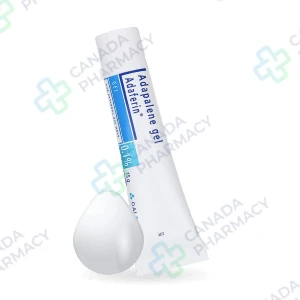
Adaferin Gel
Price range: $ 10,00 through $ 46,00
Active substance: Adapalene
More Details
This product has multiple variants. The options may be chosen on the product page
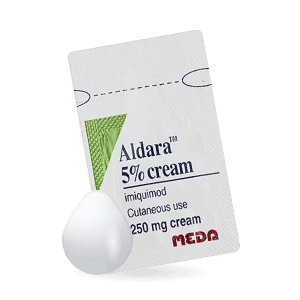
Aldara Cream
Price range: $ 224,00 through $ 1 440,00
More Details
This product has multiple variants. The options may be chosen on the product page
Benzac
Price range: $ 45,00 through $ 118,00
Active substance: benzoyl peroxide
More Details
This product has multiple variants. The options may be chosen on the product page
Betadine
Price range: $ 7,00 through $ 12,00
Active substance: Povidone Iodine
More Details
This product has multiple variants. The options may be chosen on the product page
Differin
Price range: $ 48,00 through $ 153,00
Active substance: Adapalene
More Details
This product has multiple variants. The options may be chosen on the product page
Eukroma Cream
Price range: $ 47,00 through $ 151,00
Active substance: Hydroquinone
More Details
This product has multiple variants. The options may be chosen on the product page
Eurax Lotion
Price range: $ 3,00 through $ 15,00
Active substance: Crotamiton
More Details
This product has multiple variants. The options may be chosen on the product page