

-16%
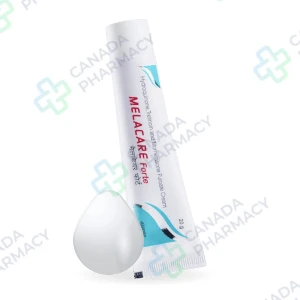
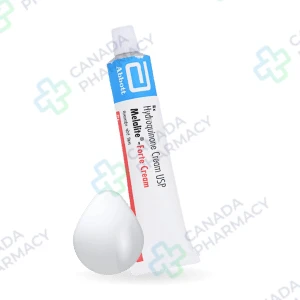
Melacare Forte Cream
Price range: $ 19,00 through $ 64,00
Melacare Forte Cream is a specialized dermatological treatment formulated to effectively reduce the appearance of moderate to severe melasma. This potent cream combines hydroquinone, tretinoin, and mometasone furoate to target hyperpigmentation and brighten uneven skin tone. It works by inhibiting melanin production and accelerating skin cell renewal, leading to a clearer and more radiant complexion. The formula is specifically designed for localized application on dark spots, sun spots, and discoloration caused by hormonal changes. Regular use helps restore a natural, uniform appearance to the skin by significantly fading stubborn facial blemishes.
Delivery: 5–21 days (depending on the shipping method)
Extra 10% discount with coupon: IT4K6SVM
Each dosage option has its own packaging choices.
Description
Melacare Forte Cream belongs to a class of combination dermatological preparations containing a depigmentation agent, a retinoid, and a topical corticosteroid. It is indicated for the short-term treatment of moderate-to-severe facial hyperpigmentation associated with melasma under the clinical guidance of a licensed healthcare provider.
Due to the potency of its active constituents, this medication is dispensed strictly in accordance with applicable federal and state regulations in the United States. Proper medical supervision is essential to evaluate therapeutic progress and minimize the risk of localized cutaneous adverse reactions.
| Parameter | Clinical Details |
|---|---|
| Active Ingredients | Hydroquinone, Tretinoin, Fluocinolone acetonide |
| Therapeutic Class | Combination dermatological depigmenting agent |
| Dosage Form | Topical cream |
| Route of Administration | Cutaneous application |
| Prescription Status | Dispensed pursuant to a valid prescription under state and federal law |
| Primary Purpose | Short-term management of moderate-to-severe facial melasma |
| Storage Conditions | Store at 20°C to 25°C (68°F to 77°F); protect from heat and light |
How the Drug Works
The pharmacological efficacy of Melacare Forte Cream rests on the complementary mechanisms of its three active components. Hydroquinone acts as a primary skin-depigmenting agent by inhibiting the enzymatic conversion of tyrosine to 3,4-dihydroxyphenylalanine (DOPA) via tyrosinase suppression, thereby decreasing melanin synthesis within epidermal melanocytes. Tretinoin, a vitamin A derivative, stimulates epidermal cell turnover, accelerating the desquamation of hyperpigmented keratinocytes and facilitating deeper penetration of hydroquinone. Fluocinolone acetonide is a low-to-medium potency synthetic corticosteroid that exerts localized anti-inflammatory, anti-pruritic, and vasoconstrictive actions, suppressing localized irritation and erythema induced by the hydroquinone and tretinoin components.
Main Uses
Melacare Forte Cream is clinically indicated for the short-term, intermittent treatment of moderate-to-severe hyperpigmentation seen in facial melasma. Melasma presents as symmetrical dark macules or patches on sun-exposed areas of the face, influenced by ultraviolet radiation, hormonal exposure, and genetic factors. The triple-combination strategy is employed when single-agent therapies prove inadequate for epidermal pigment clearance. Prescribing this medication for post-inflammatory hyperpigmentation or hyperpigmentation on non-facial anatomical sites represents off-label use; such applications require individualized clinical evaluation due to limited controlled safety and efficacy data for off-label cutaneous locations.
Dosing Schedule
Administration of Melacare Forte Cream must adhere precisely to the regimen prescribed by a healthcare provider. The cream should be applied once daily at night, approximately 30 minutes before bedtime. Prior to application, the target facial areas should be washed gently with a mild, non-abrasive cleanser, rinsed with warm water, and patted completely dry. A thin film of cream is gently rubbed into the hyperpigmented spots, extending roughly one-half inch onto surrounding normal skin. Applying excessive amounts of cream will not yield faster or superior results and significantly increases the incidence of severe skin peeling, redness, and discomfort.
How It’s Absorbed and Eliminated
Percutaneous absorption of the active components in Melacare Forte Cream remains minimal when applied to intact skin according to recommendations. Systemic absorption of hydroquinone following topical application is limited, with absorbed portions undergoing metabolic conjugation and renal clearance. Tretinoin exhibits low systemic bioavailability; endogenous retinoid pathways mediate the metabolism of the absorbed fraction, which is subsequently excreted in urine and feces. Fluocinolone acetonide absorption depends on epidermal barrier integrity; once systemically absorbed, corticosteroids bind to plasma proteins, undergo hepatic metabolism, and are excreted by the kidneys. Occlusive dressings increase systemic absorption significantly and must be avoided.
What You May Notice Early On
During the initial weeks of treatment, patients frequently experience localized physiological reactions as the epidermal tissue adapts to retinoid and depigmenting activity. Mild redness, dryness, mild burning, and localized scaling or peeling are common early manifestations. These symptoms generally reflect increased epidermal cell turnover induced by tretinoin. If skin irritation becomes uncomfortable, healthcare providers may recommend temporarily reducing application frequency. Visible reduction in hyperpigmentation typically develops gradually after several weeks of continuous nocturnal application, provided consistent broad-spectrum sun protection is maintained throughout the treatment course.
Compatibility with Other Medicines
Concomitant use of Melacare Forte Cream with other topical dermatological products should be carefully managed to avoid compounding cutaneous toxicity. Concurrent application of abrasive soaps, harsh cleansers, drying agents, or cosmetics with high concentrations of alcohol, astringents, or lime can cause additive irritation. Using topicals containing sulfur, resorcinol, or salicylic acid alongside this preparation may exacerbate skin peeling and erythema. Patients taking systemic medications known to induce photosensitivity–such as thiazide diuretics, tetracyclines, or fluoroquinolones–face an elevated risk of phototoxic reactions and should discuss these treatments with their prescriber.
Adverse Reactions
Cutaneous adverse events are the most frequently reported side effects associated with Melacare Forte Cream. Commonly observed localized reactions include erythema, desquamation, dry skin, pruritus, burning sensations, and skin hyperesthesia. Prolonged or inappropriate continuous application of hydroquinone presents a risk of developing exogenous ochronosis, a permanent blue-black skin darkening that necessitates immediate cessation of therapy. Extended use of the topical corticosteroid component can induce local tissue changes, including skin atrophy, striae formation, telangiectasia, folliculitis, or hypertrichosis. Systemic corticosteroid absorption remains low with proper use but may increase under occlusive conditions.
Important Precautions
Rigorous photoprotection is mandatory during therapy. Exposure to sunlight, sunlamps, or ultraviolet light reactivates melanocytes, counteracting therapeutic gains. Patients must apply broad-spectrum sunscreen (SPF 30 or higher) daily and wear protective clothing over treated areas. Melacare Forte Cream is contraindicated in individuals with a history of hypersensitivity to hydroquinone, tretinoin, fluocinolone acetonide, or sulfite additives. Use during pregnancy should be avoided unless explicitly directed by a prescriber, as systemic retinoids carry known risk profiles. Safety and efficacy in pediatric populations have not been clinically established.
Red Flags
Certain adverse events require immediate treatment discontinuation and prompt medical evaluation. Patients should seek urgent medical assistance upon identifying any of the following signs:
- Severe, persistent burning, blistering, crusting, or marked swelling at the application site
- Development of dark blue-black hyperpigmentation (indicative of exogenous ochronosis)
- Systemic hypersensitivity symptoms, such as facial edema, hives, or breathing difficulty
- Signs of secondary skin infection, including purulent discharge, weeping lesions, or severe tenderness
Practical Tips
To optimize therapeutic results while protecting the skin barrier, patients should incorporate gentle skincare habits. Application should occur exclusively at night to prevent light-induced degradation of tretinoin. Wait until the skin is fully dry after cleansing before applying the cream to minimize initial stinging. Moisturizers may be applied during the day to manage dryness, provided they are non-comedogenic and fragrance-free. Never apply occlusive bandages, wraps, or tight covers over the treated skin unless specifically directed by the prescribing professional.
Storage and Expiration
Melacare Forte Cream should be stored at controlled room temperature between 20°C to 25°C (68°F to 77°F), with permitted excursions between 15°C and 30°C (59°F and 86°F). Keep the tube tightly closed when not in use to prevent oxidation; hydroquinone can darken upon prolonged contact with air, resulting in diminished potency. Protect the medication from freezing and direct heat sources. Dispose of any unused medication that has exceeded the expiration date printed on the tube or carton.
Common Questions
What should I do if I miss a scheduled application?
If an evening application is missed, skip the missed dose entirely and resume your regular application schedule the following night. Do not apply extra cream or apply the product during the morning to make up for a missed application, as daytime application increases light sensitivity and localized skin irritation without enhancing therapeutic benefits.
Is it safe to go outdoors in sunny weather while using this cream?
Sunlight exposure should be minimized as much as possible throughout treatment. When outdoor exposure is unavoidable, apply a broad-spectrum sunscreen with an SPF of 30 or higher and wear protective apparel, such as wide-brimmed hats. Ultraviolet light exposure can trigger rapid melanin production, reversing pigment clearance achieved during therapy.
How long can I continuously use Melacare Forte Cream?
Treatment duration is determined individually by the prescribing clinician and is typically limited to short-term cycles, often up to 8 weeks. Prolonged continuous therapy is avoided to reduce the risks of topical corticosteroid-induced skin thinning, vascular telangiectasia, and hydroquinone-associated exogenous ochronosis.
Why is my skin peeling after starting this medication?
Mild desquamation or peeling is an expected pharmacologic response to tretinoin, which accelerates cell turnover to remove hyperpigmented surface keratinocytes. If peeling becomes severe, accompanied by marked redness or pain, contact your prescribing physician to evaluate whether reducing application frequency is appropriate for your skin tolerance.
Can I use this cream if I am planning to become pregnant?
Topical retinoids and combination depigmentation therapies should be avoided by individuals who are pregnant, attempting to become pregnant, or nursing, unless specifically evaluated and directed by a physician. Consult your healthcare provider to discuss safe, alternative skin management strategies prior to conception.
In accordance with FDA regulatory guidelines for topical prescription combination products.
This text is for informational purposes only and does not constitute individual medical advice.
Additional information
| Dosage |
4% + 0.025% + 0.1% 25 gm |
|---|---|
| Package |
1 tubes ,2 tubes ,3 tubes ,4 tubes |
| Ενεργός Ουσία | , , |
Related products
Acticin
Price range: $ 50,00 through $ 103,00
Active substance: Permethrin
More Details
This product has multiple variants. The options may be chosen on the product page
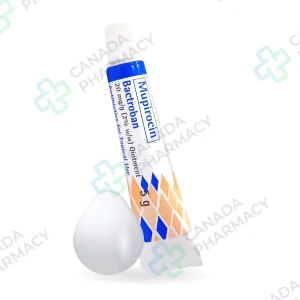
Bactroban Ointment 5g
Price range: $ 55,00 through $ 200,00
Active substance: Mupirocin
More Details
This product has multiple variants. The options may be chosen on the product page
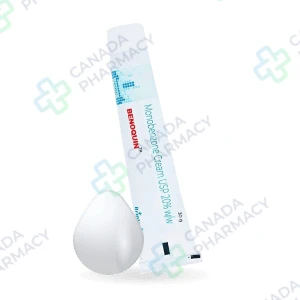
Benoquin Cream
Price range: $ 73,00 through $ 503,00
Active substance: Monobenzone
More Details
This product has multiple variants. The options may be chosen on the product page
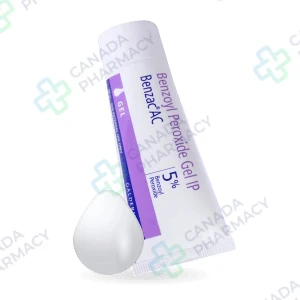
Benzac AC Gel
Price range: $ 34,00 through $ 104,00
Active substance: benzoyl peroxide
More Details
This product has multiple variants. The options may be chosen on the product page
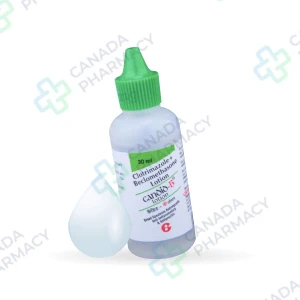
Candid B Lotion
Price range: $ 40,00 through $ 85,00
Active substance: Beclometasone, Clotrimazole
More Details
This product has multiple variants. The options may be chosen on the product page
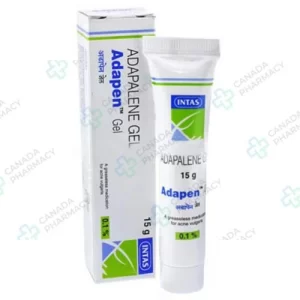
Differin
Price range: $ 48,00 through $ 153,00
Active substance: Adapalene
More Details
This product has multiple variants. The options may be chosen on the product page
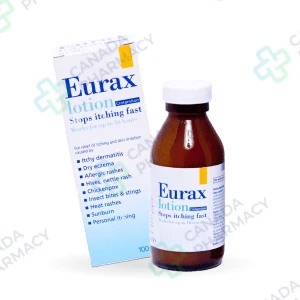
Eurax Lotion
Price range: $ 3,00 through $ 15,00
Active substance: Crotamiton
More Details
This product has multiple variants. The options may be chosen on the product page
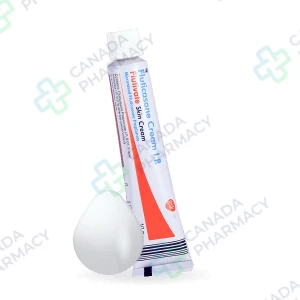
Flutivate Skin Cream
Price range: $ 24,00 through $ 91,00
Active substance: fluticasone
More Details
This product has multiple variants. The options may be chosen on the product page