

-51%
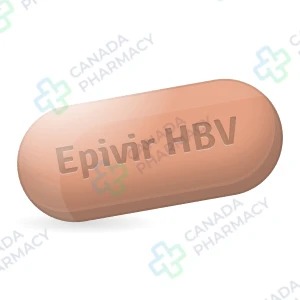
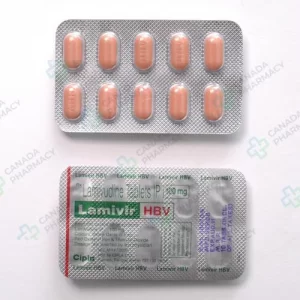
Epivir
Price range: $ 71,00 through $ 298,00

Erectafil
Price range: $ 60,00 through $ 466,00
Epivir HBV
Price range: $ 53,00 through $ 360,00
Epivir HBV is a specialized antiviral medication formulated specifically for the treatment of chronic hepatitis B virus infection. The active ingredient, lamivudine, works effectively by interfering with the replication process of the virus to slow its progression. By lowering the viral load in the bloodstream, this treatment helps to minimize the long-term impact of the infection on the liver. Consistent use of Epivir HBV is aimed at improving liver function and preventing further damage associated with chronic HBV. This medication provides a reliable option for individuals seeking to manage their condition and support their overall hepatic health.
Active substance: lamivudine
Delivery: 5–21 days (depending on the shipping method)
Extra 10% discount with coupon: IT4K6SVM
Each dosage option has its own packaging choices.
Description
Epivir HBV belongs to a class of antiviral medications known as nucleoside reverse transcriptase inhibitors (NRTIs). Formulated with lamivudine as its active pharmaceutical ingredient, this medication is indicated for the treatment of chronic hepatitis B virus (HBV) infection in patients displaying evidence of active viral replication and active hepatic inflammation. Epivir HBV is a prescription-only (Rx) therapeutic agent that requires ongoing clinical evaluation and laboratory monitoring by a qualified healthcare provider.
It is critical to distinguish Epivir HBV (containing 100 mg of lamivudine per tablet) from higher-dose lamivudine formulations prescribed for human immunodeficiency virus (HIV) management. Proper screening for HIV prior to initiating therapy is essential to prevent the development of viral resistance. Treatment decisions, dosage adjustments, and clinical evaluations must be made in accordance with federal regulations and guidance from a licensed prescriber.
| Property | Details |
|---|---|
| Active Ingredient (INN) | Lamivudine |
| Dosage Form | Oral tablet (100 mg); Oral solution (5 mg/mL) |
| Route of Administration | Oral |
| Primary Indication | Chronic Hepatitis B virus infection with active replication |
| Prescription Status | Prescription only (Rx) |
| Storage Parameters | Controlled room temperature (68°F to 77°F / 20°C to 25°C) |
Key Pharmacological Overview
Main uses
Epivir HBV is primarily indicated for the treatment of chronic hepatitis B in adult and pediatric patients (aged 2 years and older) who demonstrate signs of ongoing HBV replication and active liver inflammation. Clinical trial data support its use in patients with compensated or decompensated liver disease. Long-term therapy aims to suppress HBV DNA levels, reduce serum aminotransferase levels (ALT/AST), and slow the progression of liver fibrosis or histopathological damage. Epivir HBV does not cure hepatitis B infection, and viral suppression requires continuous adherence to prescribed therapy.
How the drug works
Lamivudine is a synthetic nucleoside analogue. Intracellularly, lamivudine is metabolized by cellular kinases into its active metabolite, lamivudine 5′-triphosphate. This active metabolite structurally mimics natural nucleosides and competes with deoxycytidine triphosphate for incorporation into viral DNA. Once incorporated into the viral DNA chain by HBV polymerase (reverse transcriptase), lamivudine triphosphate acts as a chain terminator due to the lack of a 3′-hydroxyl group, thereby inhibiting further viral DNA synthesis and viral replication.
What happens in the body
Following oral administration, lamivudine is rapidly absorbed from the gastrointestinal tract with an absolute oral bioavailability of approximately 86% in adult patients. Peak serum concentrations are generally reached within 0.5 to 2 hours post-dose. The drug distributes widely into extracellular fluid, with a mean apparent volume of distribution of approximately 1.3 L/kg. Plasma protein binding is minimal (less than 36%). Lamivudine is predominantly eliminated unchanged by the kidneys via active tubular secretion and glomerular filtration. In patients with normal renal function, the terminal elimination half-life ranges from 5 to 7 hours.
Important Safety and Usage Guidelines
Dosing schedule
The standard recommended dosage of Epivir HBV for adult patients with normal renal function is 100 mg administered orally once daily, with or without food. For pediatric patients aged 2 to 17 years, dosing is calculated based on body weight (3 mg/kg once daily, up to a maximum daily dose of 100 mg) using the oral solution. Renal function must be evaluated prior to and during treatment. Because lamivudine is primarily cleared by the kidneys, dosage reduction is required for patients with impaired renal function (creatinine clearance less than 50 mL/min). Adjustments should follow established renal clearance protocols determined by the treating physician.
Compatibility with other medicines
Co-administration of Epivir HBV with trimethoprim/sulfamethoxazole (TMP-SMX) results in a significant increase in lamivudine exposure due to competitive renal clearance pathways. While dosage adjustment of Epivir HBV is generally not required unless renal impairment is present, therapeutic monitoring is advised. Epivir HBV should not be administered concurrently with other medicinal products containing lamivudine or emtricitabine, as these agents share structural similarities, intracellular metabolic pathways, and cross-resistance profiles. Furthermore, zalcitabine is not recommended for co-administration due to potential inhibition of lamivudine phosphorylation.
Adverse reactions
In clinical trials of patients with chronic hepatitis B, Epivir HBV demonstrated a generally tolerable adverse event profile. The most frequently reported adverse effects include general malaise, fatigue, respiratory tract infections, headache, abdominal pain, nausea, vomiting, and diarrhea. Laboratory abnormalities observed during treatment include transient elevations in serum alanine aminotransferase (ALT), serum lipase, and bilirubin levels. Dermatologic reactions such as pruritus and rash have also been noted. Patients experiencing unusual or persistent symptoms should report them to their prescribing physician.
Important precautions
Epivir HBV carries boxed warnings regarding critical clinical risks. First, severe acute exacerbations of hepatitis B have been documented in patients who have discontinued lamivudine therapy. Hepatic function must be monitored closely with both clinical and laboratory follow-up for at least several months after stopping treatment. Second, Epivir HBV tablets contain 100 mg of lamivudine, which is an inadequate dose for the treatment of HIV infection. Administration of Epivir HBV to individuals with unrecognized or untreated HIV co-infection can rapidly lead to the emergence of lamivudine-resistant HIV strains (e.g., M184V mutation). Third, lactic acidosis and severe hepatomegaly with steatosis, including fatal cases, have been reported with the use of nucleoside analogues.
Red flags
Immediate medical attention is required if a patient experiences signs suggestive of lactic acidosis or severe liver injury. Critical warning symptoms include:
- Deep, rapid breathing or unexplained shortness of breath
- Severe nausea, persistent vomiting, or severe abdominal pain
- Unusual muscle pain, weakness, or feeling cold in the extremities
- Dizziness, lightheadedness, or sudden onset of severe fatigue
- Yellowing of the skin or eyes (jaundice) accompanied by dark urine or light-colored stools
- Swelling of the face, lips, tongue, or throat, or difficulty swallowing
What to avoid while taking it
Patients taking Epivir HBV should avoid excessive alcohol consumption, as alcohol can exacerbate liver toxicity and complicate underlying hepatic disease. Patients must also avoid taking overlapping antiviral formulations containing lamivudine, emtricitabine, or related nucleoside analogues unless explicitly directed by a physician.
If you skip a dose
If a dose of Epivir HBV is missed, it should be taken as soon as remembered on the same day. However, if it is nearly time for the next scheduled dose, the missed dose should be skipped, and the regular dosing routine resumed. Patients should never double the dose to compensate for a missed tablet.
Storage and expiration
Epivir HBV tablets should be stored at controlled room temperature between 68°F and 77°F (20°C to 25°C), with excursions permitted between 59°F and 86°F (15°C to 30°C). Keep the container tightly closed to protect from moisture. Do not use the medication beyond the expiration date printed on the package.
Common questions
Is Epivir HBV suitable for the treatment of HIV infection?
No. Epivir HBV contains 100 mg of lamivudine, which is significantly lower than the dosage required to suppress HIV replication. Using Epivir HBV in patients with HIV can lead to viral resistance. All patients must undergo HIV testing prior to starting Epivir HBV therapy.
What occurs if Epivir HBV treatment is abruptly discontinued?
Discontinuing Epivir HBV suddenly can lead to a severe acute rebound of hepatitis B, characterized by sharp spikes in liver enzymes and potential liver decompensation. Patients must not stop taking their medication without explicit instructions and monitoring from their healthcare provider.
Can dosage adjustments be made for patients with kidney disease?
Yes. Because lamivudine is primarily eliminated by the kidneys, patients with decreased renal function (creatinine clearance under 50 mL/min) require a reduced dose or extended dosing interval. Your physician will calculate the appropriate schedule based on blood tests.
Can Epivir HBV be taken with food?
Yes. Epivir HBV may be taken with or without food. Bioavailability studies indicate that food does not significantly alter the overall extent of lamivudine absorption in a clinically meaningful way.
Does Epivir HBV prevent the transmission of Hepatitis B to others?
No. While Epivir HBV lowers the amount of hepatitis B virus in the body, it has not been proven to completely eliminate the risk of transmission through sexual contact or blood exposure. Appropriate preventative precautions must be maintained.
This text is for informational purposes only and does not constitute individual medical advice.
In accordance with FDA requirements.
Additional information
| Dosage |
100mg ,150 mg |
|---|---|
| Package |
30 pills ,60 pills ,90 pills ,120 pills ,180 pills ,270 pills ,360 pills |
| Ενεργός Ουσία |
Related products
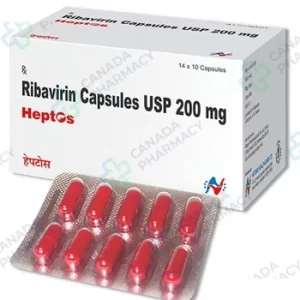
Copegus
Price range: $ 171,00 through $ 452,00
Active substance: ribavirin
More Details
This product has multiple variants. The options may be chosen on the product page
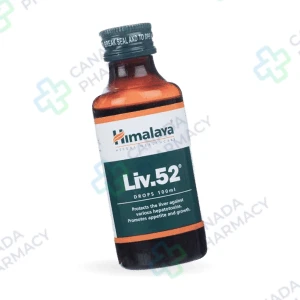
Liv.52 Drops
$ 50,00
Active substance: Chicory, The Caper Bush
More Details
This product has multiple variants. The options may be chosen on the product page
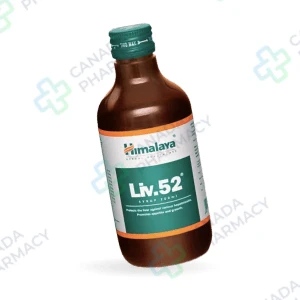
Liv.52 Syrup
$ 60,00
Active substance: Chicory, The Caper Bush
More Details
This product has multiple variants. The options may be chosen on the product page
Rebetol
Price range: $ 78,00 through $ 446,00
Active substance: ribavirin
More Details
This product has multiple variants. The options may be chosen on the product page
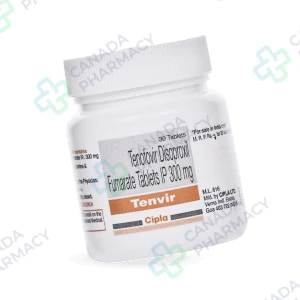
Tenvir
Price range: $ 52,00 through $ 140,00
Active substance: Tenofovir Disoproxil Fumarate
More Details
This product has multiple variants. The options may be chosen on the product page