

-59%
Flovent
Price range: $ 35,00 through $ 90,00
Flunil
Price range: $ 21,00 through $ 138,00
Floxin
Price range: $ 46,00 through $ 335,00
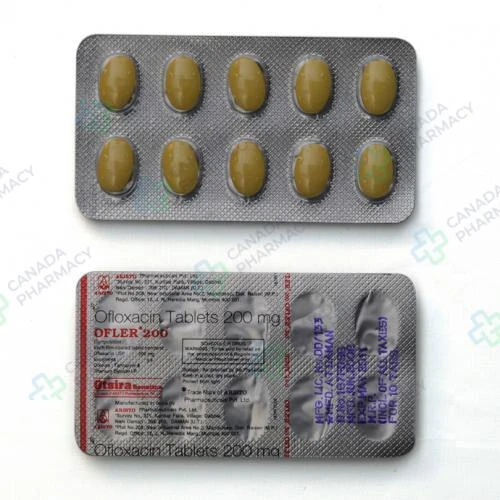
Floxin is a potent fluoroquinolone antibiotic designed to treat a wide range of bacterial infections throughout the body. It works by inhibiting the enzymes that bacteria need to replicate and repair their DNA, effectively stopping the growth of the infection. This medication is commonly used for treating acute bacterial exacerbations of chronic bronchitis and community-acquired pneumonia. It is also highly effective against uncomplicated skin and skin structure infections, as well as bacterial prostatitis. By targeting specific pathogens, Floxin helps restore health and alleviate symptoms caused by susceptible bacterial strains.
Active substance: Ofloxacin
Delivery: 5–21 days (depending on the shipping method)
Extra 10% discount with coupon: IT4K6SVM
Each dosage option has its own packaging choices.
Description
Floxin belongs to a class of broad-spectrum antibacterial agents known as fluoroquinolones, with ofloxacin as its active ingredient. It is a prescription-only medication evaluated by the FDA to treat specific, serious bacterial infections when first-line therapies are ineffective or inappropriate. In accordance with federal regulations, this drug must be dispensed strictly pursuant to a valid prescription from a licensed healthcare provider.
Because fluoroquinolones carry significant warnings and potential adverse risks, understanding safety precautions and proper administration is critical. Patients must be fully aware of the clinical risks, potential drug interactions, and specific symptoms that require immediate medical attention before beginning therapy.
| Parameter | Details |
|---|---|
| Drug name | Floxin |
| Active ingredient (INN) | Ofloxacin |
| Therapeutic class | Fluoroquinolone antibacterial agent |
| Dosage form | Oral tablet |
| Route of administration | Oral |
| Prescription status | Prescription only (Rx) |
Important Safety Warnings and Clinical Overview
Safety Profile and Key Precautions
Warning: Floxin carries serious safety warnings regarding systemic risks associated with fluoroquinolone antibiotics. The drug has been associated with disabling and potentially irreversible adverse reactions occurring together, including tendinitis, tendon rupture, peripheral neuropathy, and central nervous system toxicity. If any signs of tendon pain, swelling, inflammation, or neurological symptoms such as tingling, burning, or numbness occur, treatment must be discontinued immediately and a healthcare provider contacted.
Furthermore, Floxin can exacerbate muscle weakness in patients with myasthenia gravis and must be avoided in individuals with a history of this neuromuscular disease. Elderly patients, individuals taking concomitant systemic corticosteroids, and patients with organ transplant history face an elevated risk of severe tendon disorders. Fluoroquinolones may also cause QT interval prolongation on an electrocardiogram, increasing the risk of dangerous ventricular arrhythmias. Patients with known risk factors, such as uncorrected hypokalemia or preexisting cardiac conditions, require careful medical assessment. Fluoroquinolones should be used for uncomplicated infections only when no alternative treatment options are available.
How the Drug Works and Main Uses
How the Drug Works
Floxin exerts its bactericidal activity by inhibiting essential bacterial enzymes necessary for deoxyribonucleic acid (DNA) synthesis and replication. Specifically, the active substance ofloxacin targets bacterial DNA gyrase (topoisomerase II) and topoisomerase IV. By disrupting these enzymatic processes, the medication prevents bacterial cells from uncoiling, repairing, and replicating their genetic material, leading to rapid cell death.
Because human cells do not contain bacterial DNA gyrase, the drug selectively targets pathogenic organisms. However, its broad-spectrum mechanism affects both Gram-positive and Gram-negative bacteria, which makes targeted diagnostic culture and susceptibility testing essential to prevent the development of drug-resistant strains.
Main Uses
Floxin is indicated for the treatment of mild to moderate infections caused by susceptible strains of designated microorganisms. FDA-approved indications historically include acute bacterial exacerbations of chronic bronchitis, community-acquired pneumonia, uncomplicated skin and skin structure infections, uncomplicated urethral and cervical gonorrhea, non-gonococcal urethritis and cervicitis, acute pelvic inflammatory disease, uncomplicated cystitis, complicated urinary tract infections, and chronic bacterial prostatitis.
Due to the risk of serious adverse reactions, prescribers must reserve Floxin for conditions such as uncomplicated cystitis or acute bacterial exacerbations of chronic bronchitis only when alternative treatment options are considered inadequate. Any off-label use of this agent must be evaluated cautiously by a qualified medical professional based on specific susceptibility profiles.
Dosing, Pharmacological Profile, and Management
Dosing Schedule and Administration
The dosage and duration of Floxin therapy are determined individually by the prescribing clinician based on the specific anatomical site of infection, severity, renal function, and pathogen susceptibility. Oral doses are typically administered every 12 hours with a full glass of water. Patients should maintain adequate hydration throughout treatment to prevent the formation of highly concentrated urine and potential crystalluria.
Never adjust the recommended dosage or terminate therapy prematurely, even if symptoms resolve quickly, as incomplete courses encourage bacterial resistance. Dosing intervals must be separated by at least 2 hours from the ingestion of antacids, multivitamins, or supplements containing magnesium, aluminum, iron, or zinc, as these substances form insoluble complexes that severely reduce absorption.
How It’s Absorbed and Eliminated
Following oral administration, ofloxacin is rapidly and almost completely absorbed from the gastrointestinal tract, achieving peak plasma concentrations within 1 to 2 hours under fasting conditions. The oral bioavailability of the drug approaches 98%, making oral administration therapeutically equivalent to intravenous delivery in many clinical scenarios.
Ofloxacin distributes widely into body tissues and fluids, including pulmonary tissue, skin blister fluid, prostatic tissue, and urine. The elimination half-life of ofloxacin ranges approximately between 5 and 8 hours in patients with normal renal function. The primary route of elimination is renal, with over 80% of the administered dose excreted unchanged in the urine within 48 hours. Consequently, dosage adjustments are strictly required for patients with renal impairment to prevent drug accumulation and toxicity.
What Not to Combine
Floxin interacts significantly with multiple classes of medications, requiring strict pharmacological vigilance. Co-administration with multivalent cations, including antacids containing aluminum or magnesium, oral iron supplements, sucralfate, and zinc-containing products, drastically reduces oral absorption. These agents must be taken at least 2 hours before or 2 hours after Floxin.
Concomitant administration of nonsteroidal anti-inflammatory drugs (NSAIDs) with fluoroquinolones may increase the risk of central nervous system stimulation and convulsive seizures. Fluoroquinolones may enhance the anticoagulant effects of warfarin, necessitating frequent monitoring of prothrombin time or International Normalized Ratio (INR). Additionally, blood glucose fluctuations, including severe hypoglycemia and hyperglycemia, have been reported in diabetic patients receiving Floxin concurrently with oral hypoglycemic agents or insulin.
Adverse Reactions
Patients receiving Floxin may experience gastrointestinal, neurological, or dermatological side effects. Frequently reported mild to moderate adverse reactions include nausea, headache, dizziness, insomnia, diarrhea, abdominal discomfort, and vaginitis in female patients. Phototoxicity may also occur, manifesting as severe sunburn reactions upon minimal exposure to sunlight or ultraviolet radiation.
More severe adverse reactions warranting immediate drug withdrawal include hypersensitivity reactions, severe cutaneous adverse reactions, central nervous system stimulation causing tremors, anxiety, confusion, or hallucinations, and tendon pathology. Patients must report any new or worsening physical or psychological symptoms to their physician immediately.
Red Flags
Certain emergency symptoms demand immediate medical intervention. Stop taking Floxin and seek emergency medical care at once if you experience signs of an anaphylactic reaction, severe neurological changes, or acute structural pain. Never ignore emerging symptoms while on fluoroquinolone therapy.
| Emergency Symptom | Clinical Implication |
|---|---|
| Swelling of the face, lips, tongue, or throat | Severe allergic reaction (Anaphylaxis) |
| Sudden pain, swelling, or popping in a joint or tendon | Risk of acute tendon rupture |
| Numbness, burning, tingling, or weakness in hands or feet | Peripheral neuropathy |
| Severe dizziness, confusion, hallucinations, or seizures | Central nervous system toxicity |
| Severe, watery diarrhea or abdominal cramps | Clostridioides difficile-associated diarrhea |
| Chest pain, rapid or irregular heartbeat | Potential QT interval prolongation or arrhythmia |
What to Avoid While Taking It
Patients taking Floxin must observe specific dietary precautions. Avoid consuming dairy products or calcium-fortified juices at the same time as the medication without other food, as high concentrations of calcium can interfere with absorption. However, taking Floxin with a normal meal containing calcium does not significantly alter drug bioavailability.
Alcohol should be strictly avoided during treatment. Alcohol consumption can exacerbate central nervous system side effects such as dizziness, lightheadedness, and impaired concentration. Patients should also limit excessive caffeine consumption, as fluoroquinolones can inhibit caffeine metabolism, leading to exaggerated caffeine-related nervous system stimulation, jitteriness, and insomnia.
If You Skip a Dose
If a dose of Floxin is missed, take it as soon as remembered on the same day. However, if it is almost time for the next scheduled dose, skip the missed dose entirely and resume the regular dosing regimen. Never take two doses simultaneously or take extra medication to compensate for a missed dose.
Maintaining consistent therapeutic drug levels in the bloodstream is crucial for resolving bacterial infections. Repeatedly missing doses reduces antimicrobial efficacy and increases the probability of bacterial resistance development.
Storage and Expiration
Floxin should be stored at controlled room temperature between 68°F and 77°F (20°C to 25°C), away from excessive heat, moisture, and direct light exposure. Keep the container tightly closed and out of reach of children and pets. Do not store this medication in humid environments such as bathrooms.
Never use Floxin past the expiration date printed on the packaging. Safely discard any unused or expired medication according to local pharmacy take-back programs or federal guidelines, avoiding flushing medications down the drain unless explicitly instructed to do so.
Common Questions
Can tendon pain develop days or weeks after stopping Floxin therapy?
Yes. Tendon inflammation or tendon rupture associated with fluoroquinolones like Floxin can manifest during treatment or up to several months after completing the course. Any sudden pain or swelling in tendons, particularly the Achilles tendon, requires immediate resting of the limb and prompt medical evaluation.
Why must mineral supplements and antacids be separated from Floxin administration?
Antacids containing aluminum or magnesium, as well as iron and zinc supplements, bind directly to ofloxacin in the digestive tract. This chemical process, called chelation, forms an insoluble complex that prevents the antibiotic from being absorbed into the bloodstream, rendering the dose ineffective.
How should diabetic patients monitor their condition while taking Floxin?
Patients with diabetes mellitus must monitor their blood glucose levels closely during treatment. Floxin can cause both hypoglycemia (abnormally low blood sugar) and hyperglycemia (abnormally high blood sugar). If symptoms of hypoglycemia such as dizziness, sweating, or shakiness occur, initiate immediate glucose correction and contact your physician.
Is it safe to drive or operate machinery while taking this medication?
Floxin may cause neurological side effects including dizziness, drowsiness, visual disturbances, and impaired alertness. Patients should refrain from driving, operating heavy machinery, or engaging in tasks requiring mental clarity until they know how the medication affects them individually.
This text is for informational purposes only and does not constitute individual medical advice.
In accordance with FDA requirements.
Additional information
| Dosage |
200mg ,400mg |
|---|---|
| Package |
30 pills ,60 pills ,90 pills ,120 pills ,180 pills ,270 pills ,360 pills |
| Ενεργός Ουσία |
Related products
Amoxil
Price range: $ 40,00 through $ 170,00
Active substance: amoxicillin
More Details
This product has multiple variants. The options may be chosen on the product page
Augmentin
Price range: $ 56,00 through $ 678,00
Active substance: amoxicillin, clavulanate
More Details
This product has multiple variants. The options may be chosen on the product page

Azee DT
Price range: $ 20,00 through $ 42,00
Active substance: Azithromycin
More Details
This product has multiple variants. The options may be chosen on the product page
Azeetop
Price range: $ 40,00 through $ 250,00
Active substance: Azithromycin
More Details
This product has multiple variants. The options may be chosen on the product page

Azithromycin DT
Price range: $ 60,00 through $ 972,00
Active substance: Azithromycin
More Details
This product has multiple variants. The options may be chosen on the product page
Ceftin
Price range: $ 38,00 through $ 386,00
Active substance: Cefuroxime
More Details
This product has multiple variants. The options may be chosen on the product page
Chloromycetin
Price range: $ 52,00 through $ 242,00
Active substance: chloramphenicol
More Details
This product has multiple variants. The options may be chosen on the product page
Ciprodex Ophthalmic Solution
Price range: $ 63,00 through $ 95,00
Active substance: Ciprofloxacin, Dexamethasone
More Details
This product has multiple variants. The options may be chosen on the product page