

-25%
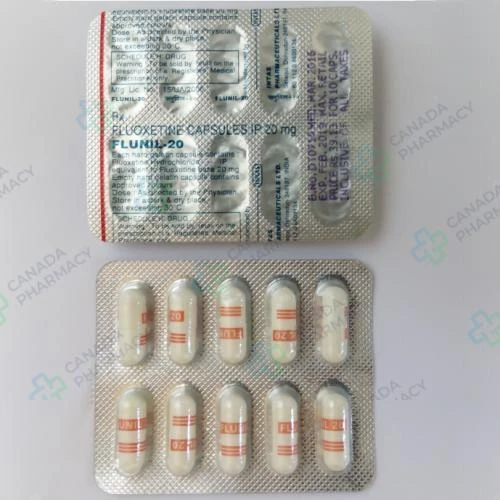
Flunil
Price range: $ 21,00 through $ 138,00
Flutivate Skin Cream
Price range: $ 24,00 through $ 91,00
Fluoxetine
Price range: $ 40,00 through $ 179,00
Fluoxetine is a widely recognized selective serotonin reuptake inhibitor (SSRI) used to effectively manage major depressive disorder. It is also highly effective in treating obsessive-compulsive disorder and panic attacks, helping individuals regain control over their daily routines. This medication is clinically indicated for the management of bulimia nervosa, aiding in the reduction of binge-eating and purging behaviors. Additionally, Fluoxetine is approved for alleviating the severe emotional and physical symptoms associated with premenstrual dysphoric disorder. By balancing serotonin levels in the brain, this treatment promotes improved mood, better sleep patterns, and an overall enhanced sense of well-being.
Active substance: Fluoxetine
Delivery: 5–21 days (depending on the shipping method)
Extra 10% discount with coupon: IT4K6SVM
Each dosage option has its own packaging choices.
Description
Fluoxetine belongs to a class of central nervous system agents known as selective serotonin reuptake inhibitors (SSRIs). It is an FDA-approved prescription medication indicated for the management of specific psychiatric disorders in adult and pediatric populations. Dispensing of this medication is subject to federal and state regulations in the United States and requires a valid prescription from a licensed healthcare practitioner.
This reference guide details the pharmacological profile, therapeutic indications, dosage guidance, pharmacokinetic parameters, potential drug interactions, and clinical safety considerations for fluoxetine.
Basic Information Overview
| Parameter | Details |
|---|---|
| Drug Name | Fluoxetine |
| Active Ingredient (INN) | Fluoxetine hydrochloride |
| Therapeutic Class | Selective Serotonin Reuptake Inhibitor (SSRI) |
| Dosage Forms | Oral capsule, delayed-release capsule, oral tablet, oral solution |
| Route of Administration | Oral |
| Prescription Status | Prescription only (Rx) |
How the Drug Works
The therapeutic mechanism of fluoxetine is linked to its selective inhibition of CNS neuronal uptake of serotonin (5-HT). Antagonism of presynaptic serotonin reuptake transporters results in increased extracellular concentrations of serotonin in specific brain regions, including the frontal cortex and limbic system. Chronic administration leads to down-regulation of presynaptic 5-HT1A autoreceptors, which enhances overall serotoninergic neurotransmission over time.
Fluoxetine exhibits minimal affinity for other neurotransmitter receptors, including muscarinic cholinergic, alpha1-adrenergic, alpha2-adrenergic, histamine H1, and dopamine D2 receptors. This selectivity accounts for its decreased propensity to produce anticholinergic, sedative, and cardiovascular side effects compared to tricyclic antidepressants (TCAs).
Main Uses
Fluoxetine is FDA-approved for several specific psychiatric indications, varying by patient age group and clinical presentation:
- Major Depressive Disorder (MDD): Indicated for acute and maintenance treatment of MDD in adults and pediatric patients aged 8 years and older.
- Obsessive-Compulsive Disorder (OCD): Approved for acute and maintenance treatment of obsessions and compulsions in adults and pediatric patients aged 7 years and older.
- Bulimia Nervosa: Indicated for the reduction of binge-eating and vomiting behaviors in adult patients with moderate-to-severe bulimia.
- Panic Disorder: Approved for acute treatment of panic disorder, with or without agoraphobia, in adult patients.
- Treatment-Resistant Depression and Bipolar I Depression: FDA-approved for use in combination with olanzapine for adults with treatment-resistant depression or acute depressive episodes associated with Bipolar I Disorder.
Off-label clinical applications: In clinical practice, prescribers may occasionally use fluoxetine off-label for conditions such as post-traumatic stress disorder (PTSD), social anxiety disorder, or binge-eating disorder. Off-label use must be evaluated and managed exclusively by a licensed prescriber based on individualized clinical judgment.
Dosing Schedule
Fluoxetine dosing regimens must be individualized according to the underlying diagnosis, patient age, clinical response, and tolerability. It is typically administered as a single daily dose in the morning to reduce the likelihood of nocturnal insomnia.
- Major Depressive Disorder: Standard adult starting dose is 20 mg daily administered in the morning. Dose adjustments may occur after several weeks if clinical response is insufficient, up to a maximum recommended dosage of 80 mg daily. Dosages above 20 mg daily may be divided into morning and noon administrations.
- Obsessive-Compulsive Disorder: Recommended adult initial dose is 20 mg daily, often titrated over several weeks to a target dose of 40 mg to 60 mg daily. Maximum recommended dose is 80 mg daily.
- Bulimia Nervosa: Recommended dosage is 60 mg daily, administered in the morning. Titration to 60 mg may be initiated over several days.
- Panic Disorder: Initial therapy typically begins at 10 mg daily for the first week, after which the dosage is generally increased to 20 mg daily. Maximum studied dosage is 60 mg daily.
Dose titration in hepatic impairment or elderly patients should proceed with lower or less frequent doses due to altered pharmacokinetic clearance.
What Happens in the Body
Fluoxetine exhibits distinct pharmacokinetic properties characterized by thorough oral absorption and extensive hepatic metabolism:
- Absorption: Fluoxetine is well absorbed from the gastrointestinal tract following oral administration. Peak plasma concentrations (Cmax) are reached within 6 to 8 hours. Systemic bioavailability is not significantly altered by food consumption.
- Distribution: The drug is highly plasma protein-bound (approximately 94.5%), primarily to albumin and alpha-1-acid glycoprotein. It crosses the blood-brain barrier and is widely distributed throughout body tissues.
- Metabolism: Fluoxetine undergoes extensive hepatic metabolism via the cytochrome P450 enzyme system, primarily CYP2D6, into its active metabolite, norfluoxetine, as well as several unidentified metabolites. Norfluoxetine demonstrates potent selective serotonin reuptake inhibition comparable to the parent compound.
- Elimination: The elimination half-life of fluoxetine is approximately 1 to 3 days following acute administration and 4 to 6 days after chronic administration. The active metabolite norfluoxetine has an elimination half-life of 4 to 16 days. The prolonged elimination half-life ensures persistent drug levels for weeks following therapy discontinuation. Elimination occurs primarily via hepatic metabolism with renal excretion of inactive metabolites.
Compatibility with Other Medicines
Fluoxetine exhibits complex pharmacological interaction profiles due to its inhibition of hepatic CYP2D6 enzymes and its serotonergic activity:
- Monoamine Oxidase Inhibitors (MAOIs): Co-administration is strictly contraindicated due to the risk of fatal Serotonin Syndrome. At least 14 days must elapse between discontinuation of an MAOI and initiation of fluoxetine. Crucially, at least 5 weeks must elapse after stopping fluoxetine before starting an MAOI due to the long half-life of norfluoxetine.
- Serotonergic Drugs: Concomitant use with other serotonergic agents (including triptans, tramadol, fentanyl, lithium, linezolid, intravenous methylene blue, and St. John’s Wort) increases the risk of Serotonin Syndrome.
- Drugs Metabolized by CYP2D6: Fluoxetine significantly inhibits CYP2D6 activity. Caution and dose adjustment are required when co-administering drugs with a narrow therapeutic index metabolized by CYP2D6, such as thioridazine, pimozide, flecainide, propafenone, and certain tricyclic antidepressants.
- Anticoagulants and NSAIDs: Serotonin release by platelets plays an essential role in hemostasis. Concurrent use of fluoxetine with aspirin, nonsteroidal anti-inflammatory drugs (NSAIDs), warfarin, or direct oral anticoagulants increases the risk of upper gastrointestinal bleeding.
Adverse Reactions
Adverse reactions associated with fluoxetine administration are typically mild to moderate in severity and often manifest during the initial weeks of treatment.
- Central Nervous System: Insomnia, anxiety, nervousness, fatigue, somnolence, tremor, dizziness, abnormal dreams.
- Gastrointestinal: Nausea, diarrhea, dry mouth, dyspepsia, anorexia, constipation, abdominal pain.
- Dermatologic: Rash, pruritus, hyperhidrosis (increased sweating).
- Metabolic: Weight loss, decreased appetite, hyponatremia.
- Sexual Dysfunction: Decreased libido, erectile dysfunction, delayed or absent ejaculation, anorgasmia. Sexual side effects may persist in some individuals despite treatment cessation.
Important Precautions
Fluoxetine carries a Boxed Warning regarding an increased risk of suicidal thoughts and behaviors in children, adolescents, and young adults (aged 18 to 24) during initial therapy (typically the first 1–2 months) or following dose adjustments. Prescribers must carefully balance this risk with clinical need and monitor patients closely for emergence of suicidal ideation, agitation, or unusual changes in behavior.
Prior to initiating therapy, patients should be screened for bipolar disorder, as monotherapy with SSRIs can precipitate mixed or manic episodes in susceptible individuals. Fluoxetine administration has also been associated with QT prolongation and ventricular arrhythmia (including Torsades de Pointes); caution is advised in patients with congenital long QT syndrome, structural heart disease, or electrolyte abnormalities such as hypokalemia or hypomagnesemia.
In elderly populations, fluoxetine carries a risk of treatment-emergent hyponatremia, often secondary to the Syndrome of Inappropriate Antidiuretic Hormone Secretion (SIADH). Discontinuation of therapy must involve a gradual dose reduction where feasible, although the compound’s long half-life provides a self-tapering effect that minimizes abrupt withdrawal phenomena compared to shorter-acting SSRIs.
What to Avoid While Taking It
Co-administration of alcohol with fluoxetine is not recommended. Although fluoxetine does not potentiate the cognitive and motor performance impairments caused by alcohol in clinical studies, CNS-active agents in combination with alcohol can produce unpredictable sedation or impaired judgment.
Patients taking fluoxetine should exercise caution when operating heavy machinery, driving motor vehicles, or performing hazardous tasks until they have reasonably established how the medication impacts their cognitive and neuromuscular performance.
First Days of Treatment
During the initial 1 to 2 weeks of fluoxetine administration, patients may experience mild gastrointestinal upset, heightened anxiety, or altered sleep patterns before therapeutic benefits become apparent. Full antidepressant effects generally require 4 to 6 weeks of continuous administration, while therapeutic effects for OCD or bulimia nervosa may require up to 8 to 12 weeks of sustained treatment.
It is critical that patients maintain consistent daily administration during the early treatment phase despite the absence of immediate symptomatic relief.
If You Skip a Dose
If a dose is missed, it should be taken as soon as remembered on the same day. If the missed dose is not noticed until the following day, the patient should skip the missed dose and resume the regular dosing schedule. Double doses must not be ingested to compensate for a missed administration.
Owing to the prolonged elimination half-lives of fluoxetine and its active metabolite norfluoxetine, missing a single dose typically does not precipitate acute withdrawal symptoms or immediate drops in therapeutic plasma concentrations.
Storage and Expiration
Fluoxetine formulations should be stored at controlled room temperature between 20°C and 25°C (68°F to 77°F), with excursions permitted between 15°C and 30°C (59°F to 86°F). Store the medication in its original light-resistant container, tightly closed, and protected from excessive moisture and heat. Keep out of reach of children and pets. Do not use past the expiration date printed on the container label.
When to Seek Help Immediately
| Warning Sign / Symptom | Potential Underlying Condition | Required Action |
|---|---|---|
| New or worsening suicidal thoughts, severe agitation, sudden behavioral changes | Treatment-emergent suicidal ideation / Behavioral activation | Seek immediate emergency medical assistance or contact a crisis center. |
| High fever, severe tremor, rigidity, confusion, rapid heart rate, diaphoresis | Serotonin Syndrome | Seek emergency medical care immediately. Discontinue serotonergic agents. |
| Swelling of the face, lips, tongue, or throat; severe skin rash with blistering | Severe allergic reaction / Anaphylaxis / Severe cutaneous reaction | Obtain immediate emergency medical evaluation. |
| Irregular heartbeat, chest tightness, severe dizziness, syncope | QT Prolongation / Cardiac Arrhythmia | Seek immediate medical attention. |
| Unusual bleeding, persistent black tarry stools, vomiting blood | Gastrointestinal Hemorrhage | Contact a healthcare provider immediately or visit an emergency facility. |
| Seizures or convulsions | Neurological toxicity / Lowered seizure threshold | Seek immediate emergency medical services. |
Common Questions
How long does fluoxetine remain in the body after discontinuation?
Due to the long elimination half-life of fluoxetine (1 to 3 days acutely, 4 to 6 days chronic) and its active metabolite norfluoxetine (4 to 16 days), the drug and its active components persist in the systemic circulation for several weeks after the final dose is administered. Complete elimination from the plasma typically takes 5 to 6 weeks following drug cessation.
Can fluoxetine cause withdrawal symptoms if stopped abruptly?
While abrupt discontinuation of short-acting SSRIs frequently leads to discontinuation syndrome, fluoxetine’s long half-life provides an inherent gradual taper as drug levels decline slowly in the plasma. Nevertheless, abrupt cessation without medical supervision is discouraged, as persistent mild withdrawal symptoms such as dizziness, sensory disturbances, or mood changes can still occur in sensitive individuals.
Is it safe to drive or operate machinery when beginning fluoxetine treatment?
Fluoxetine can cause somnolence, dizziness, and impaired judgment or motor skills in some individuals, particularly during initial dose titration. Patients are advised to refrain from driving motor vehicles or operating complex machinery until they are confident that the drug does not adversely affect their ability to perform these activities safely.
Does fluoxetine interact with over-the-counter pain relievers like ibuprofen?
Yes. Combining fluoxetine with nonsteroidal anti-inflammatory drugs (NSAIDs) such as ibuprofen, naproxen, or aspirin increases the risk of upper gastrointestinal bleeding. Both SSRIs and NSAIDs impair platelet function and hemostasis. Patients requiring pain management should consult their doctor or pharmacist for alternative options, such as acetaminophen, when clinically appropriate.
What should be monitored during long-term fluoxetine therapy in pediatric patients?
Pediatric patients receiving extended fluoxetine therapy require periodic clinical monitoring of height, weight, and overall physical growth. Studies indicate that chronic SSRI use in pediatric populations may be associated with minor temporary reductions in rate of growth. Height and weight curves should be systematically tracked by the prescribing pediatrician.
In accordance with FDA requirements.
The information presented here is not a substitute for professional medical advice.
Additional information
| Dosage |
10mg ,20mg |
|---|---|
| Package |
60 caps ,90 caps ,120 caps ,180 caps ,270 caps ,360 caps |
| Ενεργός Ουσία |
Related products
Alesse
Price range: $ 65,00 through $ 208,00
Active substance: ethinyloestradiol, Levonorgestrel
More Details
This product has multiple variants. The options may be chosen on the product page
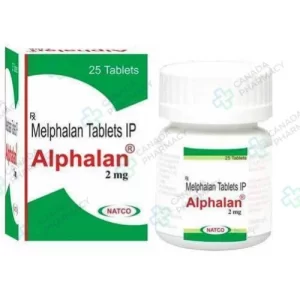
Alkeran
Price range: $ 112,00 through $ 513,00
Active substance: Melphalan
More Details
This product has multiple variants. The options may be chosen on the product page
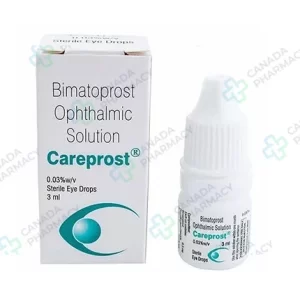
Careprost
Price range: $ 42,00 through $ 367,00
Active substance: Bimatoprost
More Details
This product has multiple variants. The options may be chosen on the product page
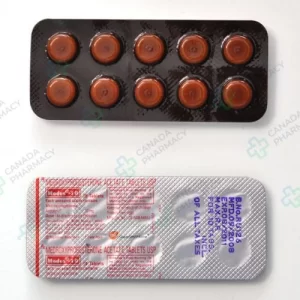
Cycrin
Price range: $ 52,00 through $ 347,00
Active substance: Medroxyprogesterone
More Details
This product has multiple variants. The options may be chosen on the product page
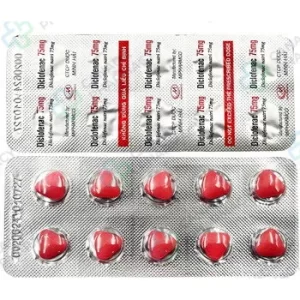
Diclofenac
Price range: $ 49,00 through $ 121,00
Active substance: diclofenac
More Details
This product has multiple variants. The options may be chosen on the product page
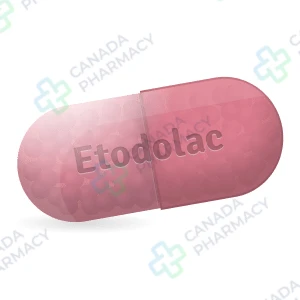
Etodolac
Price range: $ 46,00 through $ 390,00
Active substance: Etodolac
More Details
This product has multiple variants. The options may be chosen on the product page
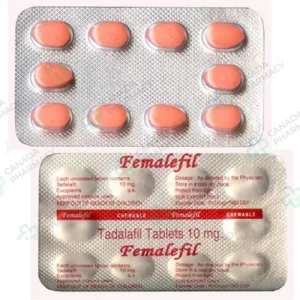
Female Cialis
Price range: $ 20,00 through $ 340,00
Active substance: Tadalafil
More Details
This product has multiple variants. The options may be chosen on the product page
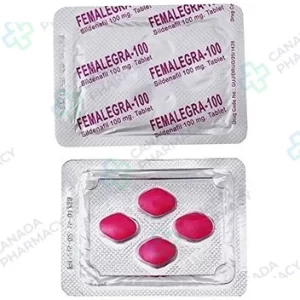
Femalegra
Price range: $ 50,00 through $ 305,00
Active substance: Sildenafil
More Details
This product has multiple variants. The options may be chosen on the product page