

-38%
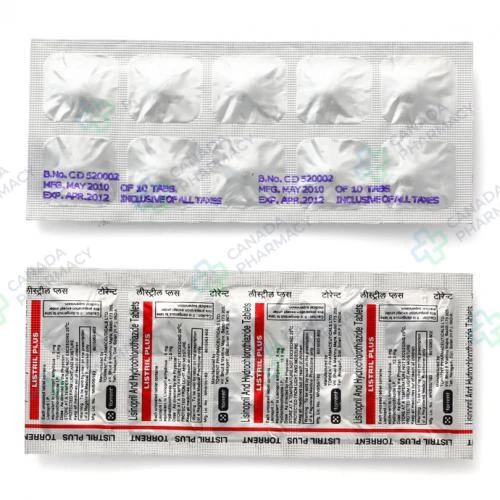

Zerit
Price range: $ 21,00 through $ 101,00
Zestril
Price range: $ 41,00 through $ 210,00
Zestoretic
Price range: $ 44,00 through $ 326,00
Zestoretic is a combination medication primarily prescribed for the effective management of high blood pressure, also known as hypertension. This formula contains two active ingredients, lisinopril and hydrochlorothiazide, which work together to regulate cardiovascular function. Lisinopril helps relax the blood vessels for smoother blood flow, while hydrochlorothiazide acts as a diuretic to reduce excess fluid in the body. By successfully lowering blood pressure, the medication helps prevent serious long-term complications such as strokes and heart attacks. This once-daily oral treatment is an established option for patients seeking a dual-action approach to maintaining optimal heart health.
Active substance: hydrochlorothiazide, lisinopril
Delivery: 5–21 days (depending on the shipping method)
Extra 10% discount with coupon: IT4K6SVM
Each dosage option has its own packaging choices.
Description
Zestoretic belongs to a group of combination blood pressure medications that pair an angiotensin-converting enzyme (ACE) inhibitor with a thiazide diuretic. It combines lisinopril and hydrochlorothiazide to work through two distinct mechanisms, helping lower arterial pressure more effectively than single agents alone when initial treatment needs adjustment. This prescription medication requires careful monitoring by a healthcare professional to ensure safe management of your cardiovascular health.
| Parameter | Details |
|---|---|
| Drug name | Zestoretic |
| Active ingredient (INN) | Lisinopril / Hydrochlorothiazide |
| Therapeutic class | Antihypertensive combination (ACE Inhibitor / Thiazide Diuretic) |
| Dosage form | Oral tablet |
| Route of administration | Oral |
| Prescription status | Prescription (Rx) only |
Key Medical and Safety Overview
Severe Allergic Warnings
Warning: Zestoretic carries a boxed warning regarding fetal toxicity. Taking this medication during pregnancy can cause severe harm or death to a developing fetus. If pregnancy is detected, stop taking this prescription immediately under your doctor’s supervision. In addition, patients with a personal history of angioedema linked to prior ACE inhibitor treatment must never take Zestoretic. Angioedema can cause sudden, severe swelling of the face, tongue, and throat, leading to fatal airway compromise. Seek emergency medical evaluation immediately if any swelling of the face, lips, or throat occurs.
Kidney and Electrolyte Risks
Important precautions must be observed regarding renal function and serum electrolyte balance. Because hydrochlorothiazide promotes fluid excretion and lisinopril alters renal hemodynamics, therapy can lead to dehydration, excessive hypotension, or kidney dysfunction. Patients with renal artery stenosis, severe heart failure, or severe renal impairment require frequent blood tests to assess serum creatinine and blood urea nitrogen. Furthermore, Zestoretic can alter serum potassium levels; it may cause dangerous hyperkalemia due to lisinopril or hypokalemia due to hydrochlorothiazide. Routine monitoring of serum electrolytes is necessary throughout the course of treatment.
How the drug works: Zestoretic delivers a dual-action approach to reducing elevated blood pressure by combining lisinopril and hydrochlorothiazide. Lisinopril inhibits angiotensin-converting enzyme, preventing the conversion of angiotensin I to angiotensin II, a potent vasoconstrictor. By blocking angiotensin II, it dilates blood vessels and decreases aldosterone secretion, reducing vascular resistance. Hydrochlorothiazide acts as a diuretic in the renal distal tubules, increasing the excretion of sodium, chloride, and water while reducing plasma volume. Together, these complementary pathways reduce cardiac workload and lower peripheral arterial pressure more significantly than either component administered alone.
What it’s used for: Zestoretic is indicated for the management of hypertension (high blood pressure) when monotherapy does not achieve target blood pressure goals. It is generally not intended for the initial treatment of hypertension, but rather as second-line or combination therapy for patients whose blood pressure is not adequately controlled on lisinopril or hydrochlorothiazide alone. Lowering blood pressure decreases the risk of fatal and nonfatal cardiovascular events, primarily strokes and heart attacks. Any off-label administration of this product is not FDA-approved and must be evaluated strictly by a licensed healthcare provider based on specific clinical circumstances.
Dosing schedule: The dosing of Zestoretic must be individualized based on clinical response and patient tolerability. Available oral tablet strengths combine lisinopril and hydrochlorothiazide in fixed ratios, such as 10 mg/12.5 mg, 20 mg/12.5 mg, and 20 mg/25 mg. The medication is taken orally, usually once daily in the morning with or without food. Because blood pressure response varies significantly among individuals, dose adjustments are made incrementally under direct medical supervision. Patients must follow the precise dosing instructions provided by their clinician and never adjust doses independently, as sudden drops in blood pressure can occur.
What happens in the body: Following oral administration, peak serum levels of lisinopril occur within approximately 7 hours, whereas hydrochlorothiazide achieves peak concentration within 1 to 4 hours. Lisinopril is not metabolized in the liver and is excreted unchanged entirely in urine. Hydrochlorothiazide is also eliminated primarily by the kidneys, making renal clearance a critical factor in overall drug clearance. The effective half-life of lisinopril accumulation following multiple dosing is roughly 12 hours, while hydrochlorothiazide exhibits an elimination half-life ranging from 6 to 15 hours. Patients with impaired renal clearance require careful monitoring due to prolonged drug retention.
Medication Interactions
Zestoretic has several significant drug-drug interactions that demand careful monitoring. Concomitant use with potassium supplements, potassium-sparing diuretics (such as spironolactone), or salt substitutes containing potassium can cause life-threatening hyperkalemia. Nonsteroidal anti-inflammatory drugs (NSAIDs), including ibuprofen and naproxen, may diminish the blood pressure-lowering effect of Zestoretic and increase the risk of severe renal impairment. Co-administration with lithium can result in elevated lithium toxicity due to reduced renal excretion. Additionally, combined use with aliskiren in patients with diabetes mellitus is strictly contraindicated.
What side effects may occur: Adverse reactions to Zestoretic range from mild discomfort to severe systemic events. Common side effects include persistent dry cough, dizziness, headache, fatigue, lightheadedness upon standing (orthostatic hypotension), and mild nausea. Electrolyte disturbances, such as hypokalemia or hyperkalemia, elevated serum creatinine, and hyperuricemia, may occur during therapy. Rare but critical side effects include liver dysfunction, blood dyscrasias, and severe skin reactions. If persistent dizziness, severe weakness, or an ongoing dry cough develops, contact your physician promptly to evaluate whether treatment adjustments are required.
| Red Flag Symptom | Recommended Action |
|---|---|
| Swelling of face, lips, tongue, or throat | Seek emergency medical attention immediately (airway emergency). |
| Difficulty breathing or swallowing | Stop taking medication and call 911 or go to the nearest emergency room. |
| Fainting or severe, persistent dizziness | Lie down immediately and contact your medical provider right away. |
| Unusual muscle weakness or irregular heartbeat | Contact your clinician promptly for urgent electrolyte testing. |
| Yellowing of skin or eyes (jaundice) | Discontinue use and seek urgent medical evaluation for liver function. |
Daily Use and Safety Guidelines
What to avoid while taking it: Alcohol consumption can potentiate the hypotensive effect of Zestoretic, increasing the risk of severe dizziness, lightheadedness, and fainting episodes. Patients should avoid excessive salt substitutes containing potassium, as well as potassium-rich dietary regimens, unless explicitly advised by a doctor, to prevent dangerous hyperkalemia. Staying adequately hydrated is essential, but sudden excessive fluid intake or extreme fluid restriction should never be undertaken without professional medical advice.
If you skip a dose: If you miss a dose of Zestoretic, take it as soon as you remember on that same day. However, if it is almost time for your next scheduled dose, skip the missed dose and resume your regular daily schedule. Never take two doses at once to make up for a missed tablet, as taking an extra dose can cause a rapid, severe drop in blood pressure and dangerous electrolyte imbalances.
Practical tips: Take Zestoretic consistently at the same time each morning to establish a regular routine and minimize nighttime urination caused by the diuretic component. When standing up from a sitting or lying position, do so slowly to reduce dizziness associated with orthostatic blood pressure shifts. Monitor your blood pressure at home regularly as directed by your clinician, and bring your recorded readings to every medical follow-up visit.
Frequently Asked Questions
What should I do if I develop a persistent dry cough while taking Zestoretic?
A persistent, non-productive dry cough is a known side effect of ACE inhibitors like lisinopril. It occurs because the drug prevents the breakdown of bradykinin in the lungs. This cough will not resolve with over-the-counter cough syrups. You should notify your doctor if the cough becomes bothersome, as they may transition you to a different class of blood pressure medication.
Can I take over-the-counter pain relievers while using Zestoretic?
Caution is necessary when choosing pain medications. Frequent or high-dose use of nonsteroidal anti-inflammatory drugs (NSAIDs) such as ibuprofen or naproxen can decrease the effectiveness of Zestoretic and increase the risk of kidney strain. Acetaminophen is generally considered a safer alternative for occasional pain relief, but you should consult your pharmacist or doctor before taking any new over-the-counter medication.
How long does it take for Zestoretic to lower blood pressure?
Initial reductions in blood pressure typically begin within a few hours of taking a dose. However, achieving the full therapeutic effect of the combination may take two to four weeks of consistent daily use. Do not stop taking the medication or alter your dose if your blood pressure does not drop immediately; structural adjustment of blood pressure requires steady administration.
Is it safe to drive or operate machinery while taking Zestoretic?
Zestoretic can cause dizziness, lightheadedness, or fatigue, especially during the first few weeks of treatment or following a dose increase. You should avoid driving, operating machinery, or performing hazardous tasks until you know how the medication affects your alertness and stability. If you feel lightheaded, sit or lie down until the sensation passes completely.
The information presented here is not a substitute for professional medical advice.
In accordance with FDA requirements.
Additional information
| Dosage |
5mg+12.5mg |
|---|---|
| Package |
30 pills ,60 pills ,90 pills ,120 pills ,180 pills ,270 pills ,360 pills |
| Ενεργός Ουσία | , |
Related products
Avalide
Price range: $ 66,00 through $ 333,00
Active substance: Irbesartan
More Details
This product has multiple variants. The options may be chosen on the product page

Betapace
Price range: $ 9,00 through $ 260,00
Active substance: Sotalol
More Details
This product has multiple variants. The options may be chosen on the product page

Cozaar
Price range: $ 41,00 through $ 281,00
Active substance: Losartan
More Details
This product has multiple variants. The options may be chosen on the product page

Diltiazem
Price range: $ 49,00 through $ 590,00
Active substance: Diltiazem
More Details
This product has multiple variants. The options may be chosen on the product page

Diltiazem HCL
Price range: $ 52,00 through $ 393,00
Active substance: Diltiazem
More Details
This product has multiple variants. The options may be chosen on the product page

Dipyridamole
Price range: $ 43,00 through $ 257,00
Active substance: Dipyridamole
More Details
This product has multiple variants. The options may be chosen on the product page
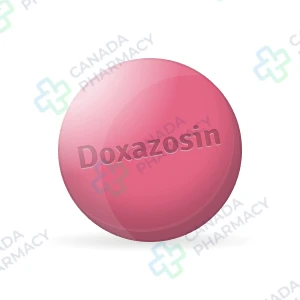
Doxazosin
Price range: $ 42,00 through $ 332,00
Active substance: Doxazosin
More Details
This product has multiple variants. The options may be chosen on the product page
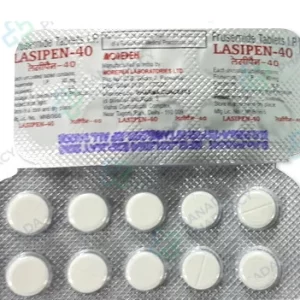
Furosemide
Price range: $ 46,00 through $ 193,00
Active substance: furosemide
More Details
This product has multiple variants. The options may be chosen on the product page