

-34%
Zestoretic
Price range: $ 44,00 through $ 326,00
Zetia
Price range: $ 51,00 through $ 394,00
Zestril
Price range: $ 41,00 through $ 210,00
Zestril is a widely used ACE inhibitor designed to effectively manage high blood pressure in both adults and children. By relaxing the blood vessels, this medication promotes better blood flow and reduces the overall workload on the heart. It is also an essential treatment for patients recovering from a heart attack or those managing chronic heart failure. Consistent use of Zestril helps lower the risk of severe complications, such as strokes and kidney disease. This reliable medication remains a cornerstone for maintaining long-term cardiovascular health and stability.
Active substance: lisinopril
Delivery: 5–21 days (depending on the shipping method)
Extra 10% discount with coupon: IT4K6SVM
Each dosage option has its own packaging choices.
Description
Zestril belongs to a class of medications known as angiotensin-converting enzyme (ACE) inhibitors. In the United States, it is available by prescription only for managing cardiovascular conditions under professional medical oversight.
The active ingredient in Zestril is lisinopril, which acts directly on the renin-angiotensin-aldosterone system. It is primarily prescribed to control elevated blood pressure, improve survival after heart attacks, and manage heart failure.
| Property | Details |
|---|---|
| Active ingredient | Lisinopril |
| Therapeutic class | ACE Inhibitor |
| Dosage form | Oral tablet |
| Route of administration | Oral |
| Primary purpose | Hypertension and cardiovascular management |
| Prescription status | Prescription (Rx) only |
Pharmacological Profile and Indications
How the drug works
Zestril contains lisinopril, a synthetic peptide derivative that competitively inhibits angiotensin-converting enzyme (ACE). ACE is responsible for converting angiotensin I to angiotensin II, a potent vasoconstrictor that also stimulates aldosterone secretion by the adrenal cortex. By inhibiting ACE, lisinopril decreases plasma angiotensin II concentration, which leads to reduced vasopressor activity and decreased aldosterone secretion. The reduction in aldosterone results in less sodium retention and a slight increase in serum potassium. Additionally, ACE inhibition prevents the degradation of bradykinin, a vasodilatory peptide, which contributes to the overall blood pressure-lowering effect of the drug.
What it’s used for
Zestril is indicated for three main therapeutic uses in adult populations. First, it is prescribed for the treatment of hypertension to lower blood pressure, either as monotherapy or in combination with other classes of antihypertensive agents. Second, it is used as an adjunctive therapy in the management of heart failure in patients who have not responded adequately to diuretics and digitalis. Third, Zestril is indicated for hemodynamically stable patients within 24 hours of an acute myocardial infarction to reduce mortality as part of standard post-infarction management. In pediatric patients aged 6 years and older, Zestril is indicated solely for the treatment of hypertension.
Dosing schedule
Dosage must be strictly individualized based on clinical indication and patient response. For adult hypertension, the recommended initial dose is 10 mg once daily, which may be adjusted up to a maximum of 40 mg daily. For patients taking concomitant diuretics, the initial dose is typically reduced to 5 mg once daily. In heart failure, treatment is generally initiated at 5 mg once daily, under close medical monitoring, and titrated up to 40 mg daily as tolerated. For acute myocardial infarction, an initial dose of 5 mg is given within 24 hours, followed by 5 mg after 24 hours, 10 mg after 48 hours, and 10 mg daily thereafter for 6 weeks. Dosage adjustments are required for patients with renal impairment based on creatinine clearance.
What happens in the body
Following oral administration of Zestril, peak serum concentrations of lisinopril occur within approximately 7 hours. Absorption is not affected by the presence of food in the gastrointestinal tract. Lisinopril does not undergo metabolic transformation in the liver and does not bind significantly to serum proteins other than ACE. It is eliminated entirely unchanged via renal excretion. The effective half-life for accumulation following multiple dosing is approximately 12 hours. In patients with impaired renal function, elimination is delayed, requiring dosage reduction to prevent accumulation and toxicity.
Safety Profile and Usage Guidelines
Important precautions
Zestril carries a Boxed Warning regarding fetal toxicity. When pregnancy is detected, Zestril should be discontinued as soon as possible, as drugs acting on the renin-angiotensin system can cause serious injury or death to the developing fetus. Patients receiving Zestril are at risk of angioedema involving the face, extremities, lips, tongue, glottis, or larynx, which can cause fatal airway obstruction. Severe hypotension may occur, particularly in volume-depleted or salt-depleted patients. Regular monitoring of renal function and serum potassium levels is required during therapy.
Adverse reactions
The most commonly observed adverse reactions associated with Zestril include dizziness, headache, excessive hypotension, persistent dry cough, chest pain, and fatigue. Clinical laboratory findings may reveal hyperkalemia, elevated blood urea nitrogen (BUN), and increases in serum creatinine. Less common but serious side effects include anaphylactoid reactions, neutropenia, agranulocytosis, and hepatic dysfunction characterized by cholestatic jaundice or hepatitis. Patients experiencing persistent dry cough should be evaluated, as this is a known class effect of ACE inhibitors resulting from bradykinin accumulation.
Compatibility with other medicines
Co-administration of Zestril with potassium-sparing diuretics, potassium supplements, or salt substitutes containing potassium increases the risk of severe hyperkalemia. Concurrent use with nonsteroidal anti-inflammatory drugs (NSAIDs), including selective COX-2 inhibitors, may decrease the antihypertensive effect of Zestril and exacerbate renal function deterioration. Concomitant administration with lithium may lead to increased serum lithium levels and lithium toxicity. Dual blockade of the renin-angiotensin system with angiotensin receptor blockers (ARBs) or aliskiren increases the risks of hypotension, hyperkalemia, and renal impairment.
Food and alcohol interactions
Zestril may be taken with or without food, as food intake does not alter the clinical bioavailability of lisinopril. However, patients should maintain consistent dietary habits and avoid salt substitutes containing potassium without consulting their healthcare provider. Alcohol consumption while taking Zestril can enhance the hypotensive effect, increasing the risk of dizziness, orthostatic hypotension, or fainting. Adequate hydration is recommended, but excessive fluid restriction or dehydration can lead to exaggerated drops in blood pressure.
If you skip a dose
If a dose of Zestril is missed, it should be taken as soon as remembered on the same day. However, if it is almost time for the next scheduled dose, the missed dose should be skipped, and the regular dosing schedule should be resumed. Patients must not double the dose to make up for a missed tablet, as taking an extra dose increases the risk of marked hypotension and renal side effects.
Pregnancy, breastfeeding, and other groups
Use of Zestril during the second and third trimesters of pregnancy is strictly contraindicated due to documented fetal toxicity, including reduced fetal renal function, oligohydramnios, and skeletal deformations. It is not known whether lisinopril is excreted in human milk; caution should be exercised when administered to a nursing woman. Safety and effectiveness have been established in pediatric patients aged 6 to 16 years with hypertension, but not in pediatric patients with severe renal impairment or those under 6 years. Geriatric patients may exhibit increased sensitivity to the medication due to age-related declines in renal clearance.
Storage and expiration
Zestril tablets should be stored at controlled room temperature between 20°C and 25°C (68°F to 77°F), with excursions permitted between 15°C and 30°C (59°F and 86°F). Protect the medication from excessive moisture, heat, and direct light. Keep the container tightly closed and out of reach of children. Do not use Zestril after the expiration date printed on the original packaging.
Common questions
How long does it take for Zestril to lower blood pressure?
Antihypertensive activity begins within 1 hour after oral administration, with peak reduction of blood pressure achieved within 6 hours. Maximum blood pressure-lowering effects may take up to 2 to 4 weeks of continuous daily dosing to become fully evident.
What should I do if I experience a persistent dry cough while taking Zestril?
A persistent, non-productive cough is a recognized side effect of ACE inhibitors like Zestril. You should inform your healthcare provider about this symptom; do not stop taking the medication on your own. Your provider can evaluate whether the cough is related to Zestril and recommend an alternative therapy if necessary.
Can Zestril cause elevated potassium levels?
Yes, Zestril inhibits aldosterone secretion, which can lead to potassium retention in the body. Periodic laboratory monitoring of serum potassium is essential, and patients should avoid potassium supplements unless explicitly instructed by their physician.
Is it safe to take Zestril with over-the-counter pain relievers?
Over-the-counter NSAIDs such as ibuprofen or naproxen can reduce the effectiveness of Zestril and increase the risk of kidney strain. Always consult your pharmacist or doctor before combining over-the-counter analgesics with your prescription therapy.
In accordance with FDA requirements.
This text is for informational purposes only and does not constitute individual medical advice.
Additional information
| Dosage |
2.5mg ,5mg ,10mg |
|---|---|
| Package |
60 pills ,90 pills ,120 pills ,180 pills ,270 pills ,360 pills |
| Ενεργός Ουσία |
Related products
Adalat
Price range: $ 41,00 through $ 267,00
Active substance: Nifedipine
More Details
This product has multiple variants. The options may be chosen on the product page
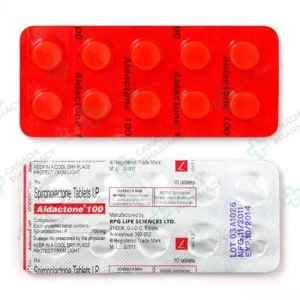
Aldactone
Price range: $ 33,00 through $ 345,00
Active substance: Spironolactone
More Details
This product has multiple variants. The options may be chosen on the product page
Aquazide
Price range: $ 18,00 through $ 30,00
Active substance: hydrochlorothiazide
More Details
This product has multiple variants. The options may be chosen on the product page
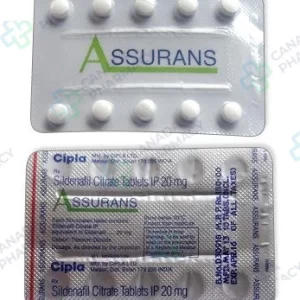
Assurans
Price range: $ 50,00 through $ 70,00
Active substance: Sildenafil Citrate
More Details
This product has multiple variants. The options may be chosen on the product page
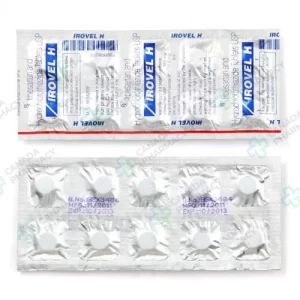
Avalide
Price range: $ 66,00 through $ 333,00
Active substance: Irbesartan
More Details
This product has multiple variants. The options may be chosen on the product page
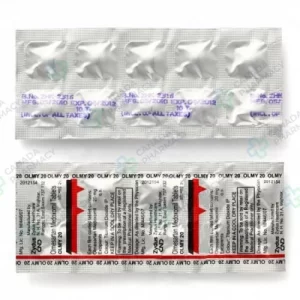
Benicar
Price range: $ 42,00 through $ 478,00
Active substance: Olmesartan
More Details
This product has multiple variants. The options may be chosen on the product page
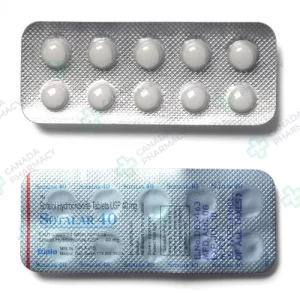
Betapace
Price range: $ 9,00 through $ 260,00
Active substance: Sotalol
More Details
This product has multiple variants. The options may be chosen on the product page
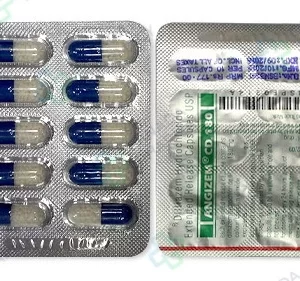
Cardizem
Price range: $ 24,00 through $ 389,00
Active substance: Diltiazem
More Details
This product has multiple variants. The options may be chosen on the product page