

-19%

Tamiflu
Price range: $ 66,00 through $ 427,00
Tastylia OD Strip
Price range: $ 50,00 through $ 140,00
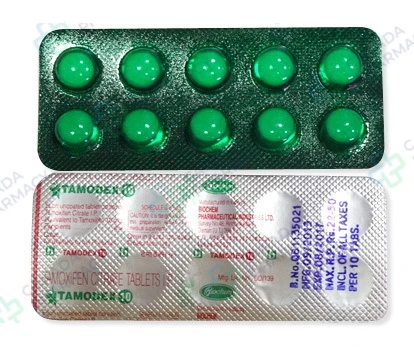
Tamoxifen
Price range: $ 43,00 through $ 209,00
Tamoxifen is a well-established selective estrogen receptor modulator (SERM) primarily used to treat hormone receptor-positive breast cancer in both women and men. This medication is effectively utilized to manage metastatic breast cancer and to reduce the risk of recurrence in early-stage cases. It is also indicated for patients with ductal carcinoma in situ (DCIS) to lower the chances of developing invasive breast cancer following surgery. Furthermore, Tamoxifen serves as a preventive measure for women who are at a high clinical risk for developing the disease. By interfering with the effects of estrogen in breast tissue, it remains a cornerstone of long-term oncology care and hormone therapy.
Active substance: tamoxifen citrate
Delivery: 5–21 days (depending on the shipping method)
Extra 10% discount with coupon: IT4K6SVM
Each dosage option has its own packaging choices.
Description
Tamoxifen belongs to a group of medicines called selective estrogen receptor modulators (SERMs). It works by competitively binding to estrogen receptors in target tissues throughout the body, altering estrogen-mediated cellular signaling pathways. In the United States, tamoxifen is a prescription-only (Rx) medication subject to federal and state regulations governing systemic antineoplastic and endocrine therapies.
The standard oral formulation contains tamoxifen citrate, available in 10 mg and 20 mg strength tablets. Because of its specialized endocrine action and organ-specific receptor interactions, treatment requires initial evaluation and ongoing monitoring by a qualified prescribing practitioner.
Clinical Profile and Pharmacologic Properties
| Parameter | Clinical Specification |
|---|---|
| Active ingredient | Tamoxifen citrate |
| Therapeutic class | Selective Estrogen Receptor Modulator (SERM) |
| Dosage form | Oral tablet (10 mg, 20 mg) |
| Route of administration | Oral |
| Prescription status | Prescription (Rx) only |
| Primary purpose | Endocrine management of hormone receptor-positive breast neoplasms and risk reduction |
Mechanism of action
Tamoxifen exhibits a tissue-specific pharmacological profile, functioning as an estrogen antagonist in certain tissues while acting as a partial estrogen agonist in others. In breast tissue, tamoxifen acts as a competitive inhibitor, binding to nuclear estrogen receptors (ER) and blocking the proliferative activity of endogenous estrogen on hormone-sensitive breast cancer cells. In contrast, in the bone microenvironment and the uterine mucosa, tamoxifen acts as a partial agonist. This organ-selective activity helps maintain bone mineral density in postmenopausal individuals, but it simultaneously stimulates endometrial cell proliferation. The precise physiological response depends on intracellular co-regulator proteins (co-activators and co-repressors) present within targeted tissue types.
What it’s used for
Tamoxifen is approved by the U.S. Food and Drug Administration (FDA) for the treatment of metastatic estrogen receptor-positive breast cancer in both women and men. It is indicated as adjuvant treatment following surgery and radiation therapy for early-stage, node-positive or node-negative hormone receptor-positive breast cancer to reduce the probability of disease recurrence. Additionally, tamoxifen is indicated to reduce the incidence of invasive breast cancer in women diagnosed with ductal carcinoma in situ (DCIS) after initial surgery and radiation. It is also approved for breast cancer risk reduction in premenopausal and postmenopausal women identified as having a high risk of developing the disease. Off-label applications–which are non-FDA-approved uses–include the clinical management of male gynecomastia and specific ovulation induction protocols in reproductive endocrine medicine.
Dosing schedule
The standard adult dosage of tamoxifen for adjuvant breast cancer therapy or risk reduction ranges from 20 mg to 40 mg daily, administered orally. In standard practice, a single daily dose of 20 mg is routinely prescribed; daily dosages exceeding 20 mg are typically administered in two divided doses, once in the morning and once in the evening. Tablets must be swallowed whole with water or another non-alcoholic liquid, with or without meals, at approximately the same time each day to maintain steady therapeutic plasma concentrations. Adjuvant treatment regimens generally extend for 5 to 10 years, depending on individual patient risk factors, disease stage, and official oncology guidelines. Exact dosing schedules are strictly individualized by the prescribing physician.
How it’s absorbed and eliminated
Following oral administration, tamoxifen is absorbed rapidly from the gastrointestinal tract, with peak serum concentrations achieved within 4 to 7 hours. The compound undergoes extensive plasma protein binding, primarily to serum albumin (greater than 99%). Tamoxifen is extensively metabolized in the liver via hepatic cytochrome P450 pathways, predominantly involving CYP3A4 and CYP2D6 isoenzymes. CYP2D6 converts tamoxifen into major active secondary metabolites, including 4-hydroxytamoxifen and endoxifen (4-hydroxy-N-desmethyltamoxifen), which display significantly higher binding affinity for estrogen receptors compared to the parent drug. The elimination half-life of parent tamoxifen ranges from 5 to 7 days, whereas the elimination half-life of its primary active metabolite, N-desmethyltamoxifen, is approximately 14 days. Excretion occurs mainly through the feces via biliary clearance, with a minimal percentage excreted through renal filtration in the urine.
Safety Guidelines and Clinical Considerations
What not to combine
Tamoxifen metabolism relies heavily on hepatic CYP450 enzyme activity. Co-administration with potent CYP2D6 inhibitors–such as fluoxetine, paroxetine, or quinidine–can significantly inhibit the biotransformation of tamoxifen into its active metabolite endoxifen, potentially diminishing therapeutic efficacy. Concomitant use with coumarin-type anticoagulants (e.g., warfarin) can produce a significant enhancement of anticoagulant effect, elevating the risk of bleeding; close monitoring of the International Normalized Ratio (INR) is mandatory when these agents are combined. Furthermore, strong CYP3A4 inducers such as rifampin can accelerate tamoxifen elimination and lower serum concentrations. Healthcare providers must evaluate all concurrent prescription medications, over-the-counter products, and herbal supplements prior to initiating therapy.
Adverse reactions
Adverse effects associated with tamoxifen reflect both its anti-estrogenic and agonist properties across different tissue beds. The most common adverse reactions reported in clinical trials include vasomotor symptoms (hot flashes), night sweats, vaginal discharge, fluid retention, and menstrual irregularities in premenopausal individuals. Less frequent but clinically significant adverse events include deep vein thrombosis (DVT), pulmonary embolism (PE), superficial thrombophlebitis, and ocular toxicities such as cataracts or corneal opacities. Transient elevations in hepatic transaminases and hypertriglyceridemia have also been documented. Patients with pre-existing bone metastases may experience hypercalcemia upon treatment initiation, requiring immediate medical evaluation.
Important precautions
Tamoxifen carries a Boxed Warning regarding serious risks including uterine malignancies (endometrial adenocarcinoma and uterine sarcoma), stroke, and pulmonary embolism. These risks necessitate mandatory baseline gynecologic evaluation before starting treatment, followed by prompt clinical investigation of any abnormal postmenopausal or intermenstrual vaginal bleeding. A history of deep vein thrombosis, pulmonary embolism, or current therapy with systemic anticoagulants requires a rigorous risk-benefit assessment by the clinician. Routine lab work, including complete blood counts, hepatic function panels, and lipid profiles, is recommended during long-term maintenance therapy.
What to avoid while taking it
Patients receiving tamoxifen therapy should avoid regular consumption of grapefruit juice or products containing St. John’s wort, as these substances alter hepatic CYP3A4 activity and disrupt target plasma concentrations. Moderate to heavy alcohol consumption should be avoided due to added stress on metabolic pathways in the liver. Additionally, over-the-counter dietary supplements containing phytoestrogens (such as high-dose soy isoflavones or black cohosh) should not be consumed without specific authorization from the treating physician, as their potential interference with tamoxifen’s receptor-binding capacity has not been established.
Red flags
Urgent medical care must be sought if patients develop localized signs of deep vein thrombosis, such as sudden leg pain, swelling, or tenderness in the calf or thigh. Emergency services are required if symptoms suggestive of pulmonary embolism occur, including acute shortness of breath, sudden chest pain, or coughing up blood. Immediate medical evaluation is also necessary if a patient experiences neurological symptoms characteristic of a stroke (such as sudden facial weakness, numbness in extremities, difficulty speaking, or sudden visual disturbances) or abnormal pelvic pain and heavy vaginal bleeding.
If you skip a dose
If a patient misses a dose of tamoxifen, the missed dose should be taken as soon as it is remembered on that day. If it is close to the time for the next scheduled dose, the missed dose should be omitted entirely, and the standard dosing schedule resumed. Patients must not double the dose or take extra tablets to compensate for a missed dose, as doubling the daily amount elevates the risk of severe adverse effects without providing additional therapeutic benefit.
Special populations
Tamoxifen is contraindicated during pregnancy due to demonstrated risks of fetal harm, embryotoxicity, and potential teratogenicity. Women of childbearing potential must undergo pregnancy testing prior to treatment initiation and must use effective non-hormonal contraception during therapy and for 9 months after the final dose. Breastfeeding is not recommended during treatment and for 2 weeks following the last dose, as human milk excretion has not been fully characterized. Safety and efficacy in pediatric populations have not been formally established. Elderly patients do not require age-specific dose modifications, though baseline hepatic and renal function should be considered.
Common questions
Does tamoxifen induce permanent menopause in premenopausal women?
Tamoxifen alters estrogen signaling but does not cause irreversible cessation of ovarian function on its own. While many premenopausal women experience menstrual irregularities or temporary amenorrhea during treatment, ovarian function may resume after discontinuation, depending on age and prior chemotherapy exposure.
Why is CYP2D6 genetic testing discussed in relation to tamoxifen?
CYP2D6 is the primary hepatic enzyme responsible for converting tamoxifen into endoxifen, its most active metabolite. Individuals designated as CYP2D6 poor metabolizers produce lower plasma levels of endoxifen, leading some clinicians to evaluate CYP2D6 genotype status or avoid concomitant strong CYP2D6-inhibiting drugs.
How are ocular changes monitored during tamoxifen therapy?
Because tamoxifen has been associated with cataracts, retinal micro-emboli, and visual disturbances, patients who report changes in visual acuity, color perception, or night vision should undergo a comprehensive ophthalmic examination. Baseline visual assessments are often recommended for long-term users.
Are non-hormonal birth control methods required while taking tamoxifen?
Yes, non-hormonal contraceptive methods (such as barrier devices) are required. Hormonal contraceptives–including oral contraceptive pills, patches, or hormonal intrauterine devices–contain estrogens or progestins that can interfere directly with tamoxifen’s mechanism of action and reduce its clinical efficacy.
What routine laboratory tests are performed during multi-year tamoxifen therapy?
Long-term management typically includes periodic complete blood counts (CBC), liver function tests (LFTs), serum calcium levels, and lipid panels to monitor for potential hematologic, hepatic, or metabolic shifts throughout the course of treatment.
This text is for informational purposes only and does not constitute individual medical advice.
In accordance with FDA requirements.
Additional information
| Dosage |
20mg |
|---|---|
| Package |
60 pills ,90 pills ,120 pills ,180 pills ,270 pills ,360 pills |
| Ενεργός Ουσία |
Related products
Alkeran
Price range: $ 112,00 through $ 513,00
Active substance: Melphalan
More Details
This product has multiple variants. The options may be chosen on the product page

Betahistine
Price range: $ 41,00 through $ 311,00
Active substance: Betahistine
More Details
This product has multiple variants. The options may be chosen on the product page

Cabgolin
Price range: $ 134,00 through $ 356,00
Active substance: Cabergoline
More Details
This product has multiple variants. The options may be chosen on the product page

Careprost
Price range: $ 42,00 through $ 367,00
Active substance: Bimatoprost
More Details
This product has multiple variants. The options may be chosen on the product page
Diclofenac
Price range: $ 49,00 through $ 121,00
Active substance: diclofenac
More Details
This product has multiple variants. The options may be chosen on the product page
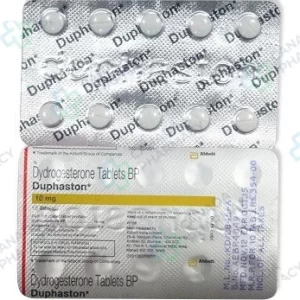
Duphaston
Price range: $ 64,00 through $ 648,00
Active substance: dydrogesterone
More Details
This product has multiple variants. The options may be chosen on the product page

Estriol
Price range: $ 64,00 through $ 137,00
Active substance: Estriol
More Details
This product has multiple variants. The options may be chosen on the product page
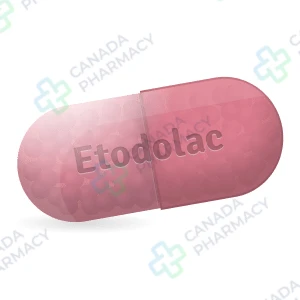
Etodolac
Price range: $ 46,00 through $ 390,00
Active substance: Etodolac
More Details
This product has multiple variants. The options may be chosen on the product page