

-39%
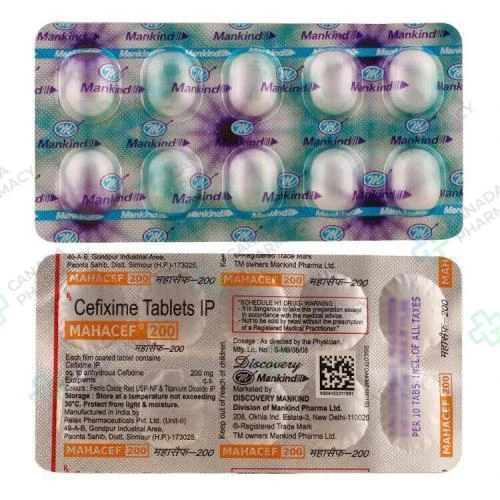
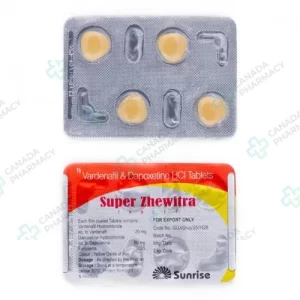
Super Zhewitra
Price range: $ 55,00 through $ 132,00

Sustiva
Price range: $ 47,00 through $ 2 412,00
Suprax
Price range: $ 44,00 through $ 338,00
Suprax is a highly effective third-generation cephalosporin antibiotic designed to combat a wide variety of bacterial infections. It works by inhibiting the growth of bacteria, providing rapid relief from painful symptoms and inflammatory conditions. This medication is primarily used to treat respiratory tract infections such as bronchitis, tonsillitis, and pharyngitis, as well as middle ear infections. Additionally, Suprax is a trusted solution for managing uncomplicated urinary tract infections and certain sexually transmitted bacterial infections. Its reliable formulation ensures consistent results for patients seeking an efficient treatment for their bacterial ailments.
Active substance: cefixime
Delivery: 5–21 days (depending on the shipping method)
Extra 10% discount with coupon: IT4K6SVM
Each dosage option has its own packaging choices.
Description
Suprax belongs to a group of medicines called third-generation cephalosporin antibiotics. It is prescribed to treat specific acute bacterial infections by inhibiting bacterial cell wall synthesis. Because its mechanism of action targets bacterial cell wall structures, it has no therapeutic efficacy against viral pathogens, including those responsible for the common cold or influenza.
Suprax (cefixime) is approved by the U.S. Food and Drug Administration (FDA) for the treatment of uncomplicated urinary tract infections, acute otitis media, pharyngitis, tonsillitis, and acute exacerbations of chronic bronchitis. In accordance with federal and state regulations, Suprax is dispensed strictly by prescription (Rx) and should be taken only under the supervision of a licensed healthcare provider.
| Parameter | Details |
|---|---|
| Drug Name | Suprax |
| Active Ingredient | Cefixime |
| Therapeutic Class | Cephalosporin Antibiotic (Third-Generation) |
| Dosage Forms | Oral Capsule, Oral Tablet, Powder for Oral Suspension |
| Route of Administration | Oral |
| Prescription Status | Prescription-only (Rx) |
| Primary Purpose | Treatment of susceptible bacterial infections |
Clinical and Pharmacological Profile
How the drug works
Suprax exerts bactericidal activity through the targeted inhibition of bacterial cell wall synthesis. The active ingredient, cefixime, binds directly to specific penicillin-binding proteins (PBPs) located within the bacterial cell wall. This binding inhibits the final transpeptidation step of peptidoglycan synthesis, disrupting the structural integrity of the cell wall. Without an intact cell wall, susceptible bacteria undergo osmotic lysis and cell death.
Cefixime demonstrates stability in the presence of various beta-lactamase enzymes produced by gram-negative and gram-positive organisms. As a result, organisms that display resistance to conventional penicillins or first- and second-generation cephalosporins due to beta-lactamase production may remain susceptible to treatment with Suprax.
Main uses
Suprax is indicated for the treatment of mild to moderate bacterial infections caused by susceptible strains of designated microorganisms. Approved clinical indications in adult and pediatric populations include:
- Uncomplicated Urinary Tract Infections: Caused by susceptible strains of Escherichia coli and Proteus mirabilis.
- Acute Otitis Media: Caused by Haemophilus influenzae, Moraxella catarrhalis, and Streptococcus pyogenes.
- Pharyngitis and Tonsillitis: Caused by Streptococcus pyogenes.
- Acute Bronchitis and Acute Exacerbations of Chronic Bronchitis: Caused by Streptococcus pneumoniae and Haemophilus influenzae.
- Uncomplicated Gonorrhea: Cervical and urethral infections caused by Neisseria gonorrhoeae.
Any application of Suprax for clinical conditions outside these FDA-approved indications represents an off-label use and must be evaluated by a healthcare provider based on clinical evidence and laboratory microbiological culture results.
What happens in the body
Following oral administration, approximately 40% to 50% of a given dose of cefixime is absorbed from the gastrointestinal tract. Peak serum concentrations are typically attained within 2 to 6 hours after oral intake. Peak serum concentration is approximately 20% to 50% higher following administration of the oral suspension compared to oral capsules or tablets.
Cefixime is approximately 65% bound to human serum proteins, primarily serum albumin. The medication does not undergo extensive hepatic metabolism. The serum elimination half-life ranges between 3.0 and 4.0 hours in patients with normal renal function. Excretion occurs primarily via the kidneys, with approximately 50% of the absorbed dose eliminated unchanged in urine over a 24-hour period.
Safety, Dosing, and Patient Information
Dosing schedule
Dosage regimens for Suprax are individual and depend on the patient’s age, body weight, renal function, and the severity of the clinical infection. For adults, the standard total daily dose is 400 mg. This dosage may be administered either as a single 400 mg dose once daily or split into 200 mg taken every 12 hours. For uncomplicated cervical or urethral gonococcal infections, a single oral dose of 400 mg is recommended.
In pediatric patients aged six months or older, the recommended dose is 8 mg/kg daily, given as a single dose or divided into 4 mg/kg administered every 12 hours. For patients with renal impairment whose creatinine clearance is less than 60 mL/min, dosage adjustments are necessary to avoid systemic accumulation of the drug.
Compatibility with other medicines
Co-administration of Suprax with other pharmacologic agents may alter drug concentrations or therapeutic efficacy. Notable drug interactions include:
- Probenecid: Concurrent administration decreases renal clearance of cefixime, resulting in elevated peak concentrations and prolonged elimination half-life.
- Anticoagulants (e.g., Warfarin): Cephalosporins may prolong prothrombin time and increase the International Normalized Ratio (INR), raising the risk of bleeding events.
- Carbamazepine: Elevated blood plasma concentrations of carbamazepine have been reported during co-administration with cefixime.
What side effects may occur
Adverse reactions associated with Suprax are predominantly gastrointestinal in nature and typically mild to moderate in severity. Frequently reported adverse effects include diarrhea, loose stools, abdominal pain, nausea, dyspepsia, and flatulence. Severe diarrhea occurs less frequently but requires immediate clinical evaluation.
Other reported side effects include dermatologic reactions (skin rash, pruritus, urticaria), central nervous system events (headache, dizziness), and transient laboratory alterations, such as mild elevations in liver transaminases (ALT, AST) or blood urea nitrogen (BUN). Anaphylactic reactions and severe cutaneous adverse reactions occur rarely.
Before you take it
Before initiating therapy with Suprax, healthcare providers must determine whether the patient has a history of severe hypersensitivity reactions to cefixime, other cephalosporins, or penicillins. Cross-hypersensitivity among beta-lactam antibiotics can occur, requiring caution in patients with documented penicillin allergies.
Treatment with broad-spectrum antibacterial agents alters normal colonic flora, potentially permitting the overgrowth of Clostridioides difficile. Clostridioides difficile-associated diarrhea (CDAD) can range in severity from mild diarrhea to fatal pseudomembranous colitis and should be considered in any patient experiencing diarrhea during or following antibiotic administration.
Suprax should be used during pregnancy only if clearly required, following an assessment by the prescribing clinician. Caution is exercised when prescribing to nursing mothers, as data regarding cefixime excretion in human breast milk remain limited.
What to avoid while taking it
Suprax can be administered with or without food. Although taking the drug with food slightly delays the rate of absorption, the overall extent of systemic absorption is not significantly affected. Taking oral doses with meals may help alleviate mild gastrointestinal discomfort, such as nausea.
While alcohol does not directly impair the pharmacokinetics of cefixime, alcohol consumption during an infection can dehydrate the body, impair immune function, and worsen gastrointestinal side effects. It is generally advised to avoid alcohol until treatment is completed.
If you skip a dose
If a dose of Suprax is missed, take it as soon as it is remembered. However, if the time is close to the next scheduled dose, skip the missed dose and resume the regular dosing schedule. Never double the dose to make up for a missed application.
Signs of improvement
Clinical response to Suprax typically begins within 48 to 72 hours of starting treatment. Patients usually observe a decrease in fever, reduction in localized pain or discomfort, and easing of respiratory or urinary symptoms. It is essential to complete the full prescribed course even after symptoms resolve to prevent recurrence or resistance.
Storage and expiration
Solid oral dosage forms (capsules and tablets) should be stored at controlled room temperature between 20°C and 25°C (68°F and 77°F). The dry powder for oral suspension must be stored at room temperature before reconstitution.
Once reconstituted with water, the oral suspension may be kept at room temperature or under refrigeration for up to 14 days. Ensure the bottle is kept tightly closed. Discard any unused portion after 14 days.
Common questions
What should I do if I experience severe diarrhea while taking Suprax?
Severe or watery diarrhea occurring during treatment or within weeks after completing therapy may indicate a Clostridioides difficile infection. You should contact your physician immediately. Avoid taking over-the-counter anti-diarrheal products without medical advice, as they may aggravate intestinal inflammation.
Can Suprax be taken with antacids?
Unlike some antibiotics, aluminum- or magnesium-containing antacids do not significantly alter the absorption of cefixime. However, if you experience ongoing stomach upset, consult your pharmacist or healthcare provider regarding optimal timing.
How long does it usually take for symptoms to start improving?
Most patients notice clinical improvement within 2 to 3 days of starting therapy. If your symptoms fail to improve after 72 hours or become worse, contact your prescriber for evaluation.
Is it necessary to finish the entire prescribed course?
Yes, completing the entire duration of therapy prescribed by your provider is essential. Stopping early can leave residual bacteria untreated and contribute to the development of bacterial resistance.
Does Suprax affect oral birth control pills?
Broad-spectrum antibiotics can occasionally disrupt gut bacteria involved in the recirculation of estrogen, potentially decreasing the effectiveness of oral contraceptives. Discussing non-hormonal back-up barrier methods with your healthcare provider during treatment is recommended.
This text is for informational purposes only and does not constitute individual medical advice. In accordance with FDA requirements.
Additional information
| Dosage |
100mg ,200mg |
|---|---|
| Package |
30 pills ,60 pills ,90 pills ,120 pills ,180 pills ,270 pills ,360 pills |
| Ενεργός Ουσία |
Related products

Augmentin
Price range: $ 56,00 through $ 678,00
Active substance: amoxicillin, clavulanate
More Details
This product has multiple variants. The options may be chosen on the product page
Azithromycin DT
Price range: $ 60,00 through $ 972,00
Active substance: Azithromycin
More Details
This product has multiple variants. The options may be chosen on the product page
Cefaclor
Price range: $ 68,00 through $ 3 600,00
Active substance: cefaclor monohydrate
More Details
This product has multiple variants. The options may be chosen on the product page
Cephadex
Price range: $ 16,00 through $ 48,00
Active substance: cephalexin
More Details
This product has multiple variants. The options may be chosen on the product page
Cepmox
Price range: $ 41,00 through $ 115,00
Active substance: amoxicillin
More Details
This product has multiple variants. The options may be chosen on the product page
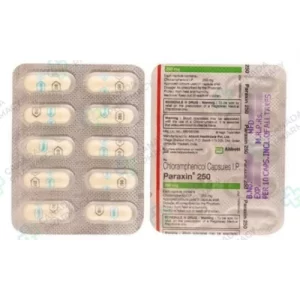
Chloromycetin
Price range: $ 52,00 through $ 242,00
Active substance: chloramphenicol
More Details
This product has multiple variants. The options may be chosen on the product page
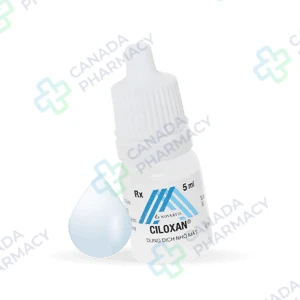
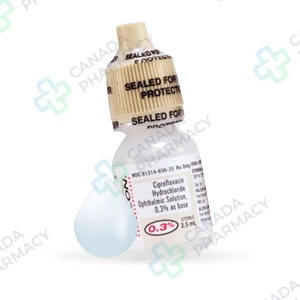
Ciloxan Ophthalmic Solution
Price range: $ 50,00 through $ 63,00
Active substance: Ciprofloxacin hydrochloride
More Details
This product has multiple variants. The options may be chosen on the product page
Ciprodex Ophthalmic Solution
Price range: $ 63,00 through $ 95,00
Active substance: Ciprofloxacin, Dexamethasone
More Details
This product has multiple variants. The options may be chosen on the product page