

-56%
Astralean
Price range: $ 49,00 through $ 670,00
Atarax
Price range: $ 42,00 through $ 150,00
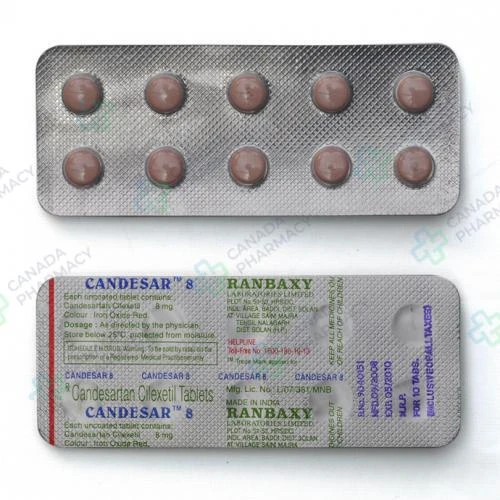
Atacand
Price range: $ 42,00 through $ 383,00
Atacand is a highly effective medication primarily used to manage high blood pressure in adults and children. It belongs to a class of drugs called angiotensin II receptor blockers, which work by relaxing blood vessels to improve blood flow. This medication is also indicated for the treatment of heart failure to help reduce the risk of cardiovascular complications and hospitalizations. By maintaining stable blood pressure levels, Atacand plays a crucial role in preventing serious events like strokes and heart attacks. This once-daily oral treatment offers a reliable approach to long-term cardiovascular health management.
Active substance: Candesartan
Delivery: 5–21 days (depending on the shipping method)
Extra 10% discount with coupon: IT4K6SVM
Each dosage option has its own packaging choices.
Description
Atacand belongs to a class of cardiovascular medications known as angiotensin II receptor blockers (ARBs). It is prescribed by healthcare providers to treat high blood pressure (hypertension) in adult and pediatric patients, as well as heart failure in adult patients to reduce cardiovascular mortality and heart failure hospitalizations.
As a prescription-only medication evaluated by the US Food and Drug Administration (FDA), Atacand must be administered under proper medical supervision. The active drug substance, candesartan cilexetil, acts directly on the renin-angiotensin-aldosterone system to relax arterial blood vessels and decrease peripheral vascular resistance.
Basic Information Overview
| Drug Name | Atacand |
| Active Ingredient | Candesartan cilexetil |
| Therapeutic Class | Angiotensin II Receptor Blocker (ARB) |
| Dosage Form | Oral tablets (4 mg, 8 mg, 16 mg, 32 mg) |
| Route of Administration | Oral |
| Primary Purpose | Management of hypertension and heart failure |
| Prescription Status | Prescription only (Rx) |
Atacand Prescribing and Pharmacological Overview
How the drug works and Pharmacokinetics
How the drug works
Candesartan cilexetil is an inactive ester prodrug that rapidly hydrolyzes to its active metabolite, candesartan, during gastrointestinal absorption. Candesartan functions by selectively blocking the binding of angiotensin II to the AT1 receptor in cardiovascular tissues, including vascular smooth muscle and the adrenal glands. Angiotensin II is a powerful endogenous vasoconstrictor that also stimulates aldosterone secretion. By antagonizing the AT1 receptor, candesartan inhibits angiotensin II-mediated vasoconstriction and sodium retention, leading to systemic vasodilation and decreased systemic blood pressure without causing a reflex increase in heart rate.
What happens in the body
Following oral administration of Atacand, peak plasma concentrations of candesartan are reached within 3 to 4 hours. The absolute bioavailability of candesartan from the tablet formulation is approximately 15%. Candesartan is highly bound to plasma proteins (greater than 99%), predominantly albumin. The total plasma clearance is approximately 0.37 mL/min/kg, with a renal clearance of about 0.19 mL/min/kg. Elimination occurs through both renal excretion (approximately 33%) and biliary/fecal excretion (approximately 67%). The terminal elimination half-life of candesartan is approximately 9 hours. Hepatic metabolism occurs to a minor degree via O-deethylation by CYP2C9 to an inactive metabolite.
Main uses and Dosing schedule
Main uses
Atacand is indicated for the treatment of hypertension in adults and pediatric patients aged 1 to under 17 years. Lowering elevated blood pressure reduces the risk of fatal and nonfatal cardiovascular events, primarily strokes and myocardial infarctions. Additionally, Atacand is indicated for the treatment of heart failure (New York Heart Association class II–IV) in adults with left ventricular systolic dysfunction (ejection fraction 40% or less) to reduce cardiovascular death and heart failure hospitalizations. It can be administered as monotherapy or combined with other antihypertensive agents, digitalis, beta-blockers, and diuretics.
Dosing schedule
Dosage must be individualized based on clinical indications and patient response. For adult hypertension, the recommended starting dose is 16 mg once daily when used as monotherapy in patients who are not volume depleted. The effective dosage range is 8 mg to 32 mg daily, administered in one or two divided doses. For adult heart failure, the target dosage is 32 mg once daily, typically initiated at 4 mg once daily and doubled at intervals of approximately two weeks as tolerated by the patient. Atacand tablets should be swallowed whole with fluid and may be taken with or without food.
Safety Information, Special Populations, and FAQ
Compatibility and Adverse reactions
Compatibility with other medicines
Coadministration of Atacand with lithium may lead to reversible increases in serum lithium concentrations and toxicity; periodic monitoring of lithium levels is recommended. Dual blockade of the renin-angiotensin system with ARBs, ACE inhibitors, or aliskiren increases the risks of hypotension, hyperkalemia, and renal functional impairment. Concurrent administration of nonsteroidal anti-inflammatory drugs (NSAIDs), including selective COX-2 inhibitors, in elderly or volume-depleted patients may result in worsening renal function, including possible acute renal failure, and can attenuate the antihypertensive effect of Atacand. Combining Atacand with potassium-sparing diuretics or potassium supplements can elevate serum potassium levels.
Adverse reactions
Atacand is generally well tolerated, with adverse events observed in clinical trials usually being mild and transient. In hypertension clinical studies, the most common side effects reported at a frequency higher than placebo included headache, dizziness, upper respiratory tract infection, back pain, and pharyngitis. In heart failure trials, common adverse reactions leading to dosage reduction or treatment discontinuation included severe hypotension, hyperkalemia, and worsening renal function. Laboratory alterations may include increases in blood urea nitrogen (BUN), serum creatinine, and serum potassium.
Important precautions and Red flags
Important precautions
WARNING: FETAL TOXICITY. Drugs that act directly on the renin-angiotensin system can cause injury and death to the developing fetus. When pregnancy is detected, discontinue Atacand as soon as possible. Exposure to ARBs during the second and third trimesters reduces fetal renal function and increases fetal and neonatal morbidity and mortality. In patients with an activated renin-angiotensin system (e.g., volume- or salt-depleted patients taking high doses of diuretics), symptomatic hypotension may occur following initiation of therapy. Renal function and serum potassium should be monitored periodically, particularly in patients with heart failure or preexisting renal impairment.
If you skip a dose
If a dose of Atacand is missed, it should be taken as soon as remembered on the same day. If it is nearly time for the next scheduled dose, the missed dose should be skipped and the regular dosing schedule resumed. Double doses should not be taken to make up for a missed tablet.
What to avoid while taking it
Patients receiving Atacand should exercise caution with alcohol intake, as ethanol may enhance the blood pressure-lowering effect and increase feelings of lightheadedness or dizziness. Patients should avoid over-the-counter potassium supplements or salt substitutes containing potassium without consulting a physician. Maintaining adequate hydration is necessary, particularly in warm weather or during illness involving vomiting or diarrhea, to prevent intravascular volume depletion and excessive hypotension.
Special populations
Atacand is contraindicated in pediatric patients under 1 year of age due to potential effects on renal development. For pediatric patients aged 1 to under 17 years, dosage is determined based on body weight. Clinical studies did not show overall differences in efficacy or safety between elderly patients (aged 65 and older) and younger adults, though greater sensitivity in some older individuals cannot be excluded. In patients with severe hepatic impairment or renal artery stenosis, cautious dosing and close clinical monitoring are recommended.
Red flags
Immediate medical attention is required if signs of a severe hypersensitivity reaction develop, including facial, lip, tongue, or throat swelling (angioedema) or severe respiratory distress. Emergency medical assistance should be sought if individuals experience fainting (syncope), severe lightheadedness, chest tightness, irregular heart rhythms, or a marked decrease in daily urine output.
Common questions
How long does it take for Atacand to lower blood pressure?
Initial reductions in blood pressure are typically observed within 2 weeks of starting therapy, with the maximal blood pressure-lowering effect usually achieved within 4 to 6 weeks of continuous treatment at a consistent dosage.
Does Atacand cause a persistent dry cough like ACE inhibitors?
Because Atacand blocks angiotensin II receptors directly rather than inhibiting angiotensin-converting enzyme (ACE), it does not prevent the breakdown of bradykinin. Consequently, the incidence of dry cough associated with ARBs like Atacand is significantly lower than that associated with ACE inhibitors.
What monitoring is required while taking Atacand?
Healthcare providers routinely monitor blood pressure, serum creatinine, blood urea nitrogen (BUN), and serum potassium levels to evaluate treatment efficacy and detect any potential renal impairment or electrolyte imbalances.
Can Atacand be taken with food?
Yes, Atacand can be taken with or without food. Food does not significantly affect the rate or extent of absorption of candesartan.
Is Atacand safe to use during pregnancy?
No. Atacand is contraindicated in pregnancy. Drugs acting on the renin-angiotensin system can cause severe fetal damage, renal failure, and death when administered during pregnancy. Alternative blood pressure treatments must be used if pregnancy occurs.
In accordance with FDA requirements.
This text is for informational purposes only and does not constitute individual medical advice.
Additional information
| Dosage |
4mg ,8mg ,16mg |
|---|---|
| Package |
20 pills ,30 pills ,60 pills ,90 pills ,120 pills ,180 pills ,270 pills ,360 pills |
| Ενεργός Ουσία |
Related products
Acivir Pills
Price range: $ 51,00 through $ 200,00
Active substance: Acyclovir
More Details
This product has multiple variants. The options may be chosen on the product page
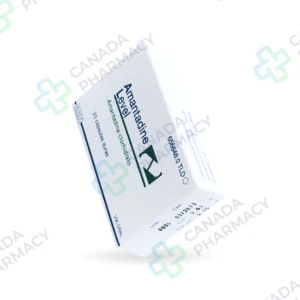
Amantadine
Price range: $ 19,00 through $ 249,00
Active substance: Amantadine
More Details
This product has multiple variants. The options may be chosen on the product page
Capoten
Price range: $ 42,00 through $ 323,00
Active substance: Captopril
More Details
This product has multiple variants. The options may be chosen on the product page
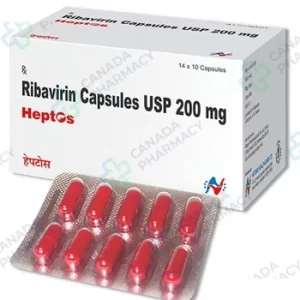
Copegus
Price range: $ 171,00 through $ 452,00
Active substance: ribavirin
More Details
This product has multiple variants. The options may be chosen on the product page
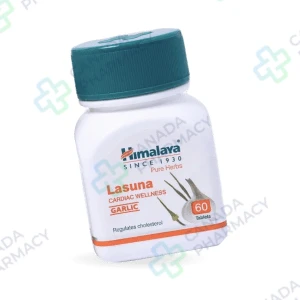
Lasuna
Price range: $ 58,00 through $ 244,00
Active substance: extracts of garlic
More Details
This product has multiple variants. The options may be chosen on the product page
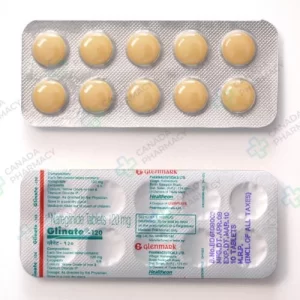
Starlix
Price range: $ 40,00 through $ 288,00
Active substance: Nateglinide
More Details
This product has multiple variants. The options may be chosen on the product page
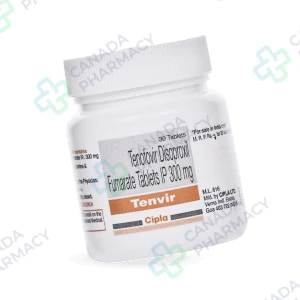
Tenvir
Price range: $ 52,00 through $ 140,00
Active substance: Tenofovir Disoproxil Fumarate
More Details
This product has multiple variants. The options may be chosen on the product page
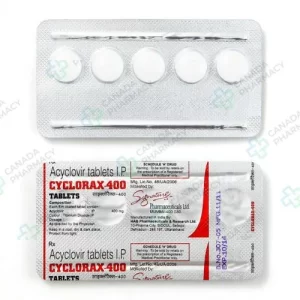
Zovirax
Price range: $ 52,00 through $ 587,00
Active substance: Acyclovir
More Details
This product has multiple variants. The options may be chosen on the product page