

-28%
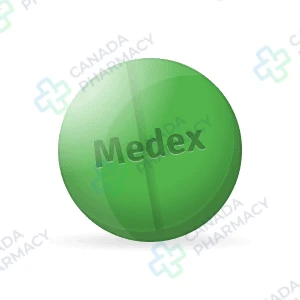

Meclizine
Price range: $ 47,00 through $ 143,00
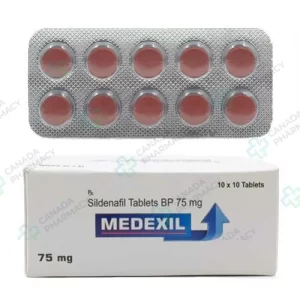
Medexil
Price range: $ 43,00 through $ 108,00
Medex
Price range: $ 41,00 through $ 144,00
Medex is a highly effective medication designed to prevent gastric ulcers in individuals who frequently use nonsteroidal anti-inflammatory drugs for pain management. It works by reducing the amount of acid produced in the stomach while simultaneously enhancing the natural protective lining of the digestive system. This treatment is particularly valuable for patients managing chronic conditions like arthritis, ensuring that long-term therapy remains safe for the stomach. By providing a reliable defense against gastrointestinal irritation, Medex helps maintain overall digestive health during ongoing medical care. Its proven formula offers essential support for those seeking to balance effective pain relief with superior stomach protection.
Active substance: Coumadin
Delivery: 5–21 days (depending on the shipping method)
Extra 10% discount with coupon: IT4K6SVM
Each dosage option has its own packaging choices.
Description
Medex belongs to a class of therapeutic agents designed for specific clinical conditions managed under professional medical supervision. This medication is dispensed in accordance with applicable federal and state regulations within the United States.
Understanding the pharmacological properties, administration requirements, and safety parameters of Medex ensures optimal treatment alignment. Patients should consult their prescribing physician to determine whether this therapy is appropriate for their specific clinical circumstances.
| Property | Details |
|---|---|
| Drug name | Medex |
| Prescription status | Dispensed in accordance with applicable federal and state regulations |
| Dosage form | Oral tablet / capsule |
| Route of administration | Oral |
| Primary purpose | Therapeutic management as directed by a healthcare provider |
| Storage | Controlled room temperature (68°F to 77°F) |
Clinical Overview and Pharmacological Profile
How the drug works
Medex exerts its primary therapeutic effect by modifying specific physiological pathways targeted during clinical treatment. The active constituents interact with cellular structures or biochemical processes to modulate target organ responses. This pharmacodynamic activity helps stabilize physiological parameters monitored by healthcare providers. The precise rate of pharmacological onset depends on individual metabolic profiles and administration schedules. Detailed cellular mechanisms are defined in official prescribing reference materials.
What it’s used for
Medex is indicated for clinical management of specified conditions as established by a licensed healthcare professional. Prescribers evaluate patient history, baseline diagnostic testing, and concurrent therapies before incorporating Medex into a comprehensive treatment plan. Any application outside of established FDA-approved labeling is classified as off-label use and requires distinct clinical justification by the treating physician. Patients should only use this medication for conditions explicitly evaluated and targeted by their medical provider.
Dosing schedule
The dosing regimen for Medex is established individually by the prescribing clinician based on clinical assessment, body weight, organ function, and severity of the condition. Tablets or capsules are administered orally, typically accompanied by water. Dosages must not be altered, escalated, or discontinued abruptly without formal consultation with a medical professional. Adherence to prescribed administration intervals maintains steady therapeutic levels in the systemic circulation. If digestive sensitivity occurs, guidance from a pharmacist may assist in optimizing daily administration routines.
If you skip a dose
If a scheduled dose of Medex is missed, it should be taken as soon as remembered on the same day, provided the time for the next scheduled dose is not imminent. If the next regular dose is due shortly, the missed dose must be omitted entirely. Patients should never double the dose or take extra medication to compensate for a skipped administration. Maintaining a regular daily schedule minimizes therapeutic fluctuations.
What happens in the body
Following oral administration, Medex undergoes gastrointestinal absorption into the systemic circulation. Systemic bioavailability, peak plasma concentration levels, and therapeutic clearance rates vary among individual patients depending on age, hepatic function, and metabolic pathways. The half-life of the drug varies between individuals, influencing excretion patterns primarily through renal or biliary routes. Metabolic processing occurs predominantly in the liver or target tissues as defined in pharmacokinetic monitoring profiles. Specific elimination curves depend on individual organ clearance capacity.
Patient Safety and Precautions
Compatibility with other medicines
Medex may interact with concurrently administered therapeutic agents, altering efficacy or increasing the incidence of adverse reactions. Co-administration with enzyme inhibitors, inducers, or medications competing for clearance pathways requires careful baseline evaluation. Patients must provide their physician and pharmacist with a comprehensive list of all prescription drugs, over-the-counter products, dietary supplements, and herbal remedies currently in use. Adjustments to dosage timing or active monitoring may be necessary when initiating or discontinuing concomitant treatments.
What to avoid while taking it
Dietary factors can influence the absorption rate and overall bioavailability of Medex. Specific food interactions should be discussed with a healthcare provider to determine whether administration should occur with meals or on an empty stomach. Consumption of alcohol during treatment with Medex may potentiate adverse effects such as drowsiness, dizziness, or blood pressure fluctuations. Patients are advised to limit or avoid alcohol consumption until their individual reaction to the medication has been evaluated.
Adverse reactions
Treatment with Medex may produce side effects, ranging from mild transient reactions to more pronounced physiological responses. Commonly observed mild effects may include digestive discomfort, mild headache, or occasional dizziness during initial therapy. Most minor reactions diminish as the body adapts to the medication. However, persistent or severe symptoms require prompt evaluation by a medical provider. Observational data and clinical monitoring document varying systemic responses depending on individual patient tolerance.
| Emergency Sign / Symptom | Recommended Action |
|---|---|
| Swelling of the face, lips, tongue, or throat | Seek immediate emergency medical care |
| Difficulty breathing or severe shortness of breath | Seek immediate emergency medical care |
| Chest pain, rapid, or irregular heartbeat | Seek immediate emergency medical care |
| Severe skin rash, blistering, or peeling skin | Discontinue use and seek urgent medical evaluation |
| Marked deterioration of general clinical state | Contact emergency services or treating physician immediately |
Red flags
Immediate emergency medical attention is required if signs of severe hypersensitivity or acute systemic reactions manifest during treatment with Medex. Critical warning signs include sudden swelling of the face, lips, tongue, or throat, severe shortness of breath, unexplained chest pain, rapid heartbeat, or acute skin reactions such as blistering or peeling. Severe neurological changes or marked sudden deterioration of overall clinical condition also warrant immediate emergency intervention.
Important precautions
Special clinical caution is warranted when prescribing Medex to vulnerable patient populations. Individuals with pre-existing hepatic impairment, renal insufficiency, cardiovascular conditions, or advanced age require tailored monitoring and potential dosage adjustments. Safety during pregnancy and lactation must be evaluated on an individual basis; a formal risk-benefit analysis must be conducted prior to initiation. Patients should notify their clinician of all past medical conditions, allergies, and organ impairments before starting therapy.
Storage and expiration
Medex should be stored in its original container at controlled room temperature, protected from excessive moisture, high humidity, and direct light exposure. Medication containers must be kept tightly closed and securely out of the reach of children and pets. Do not store tablets or capsules in environments such as bathroom cabinets. Expired or unused medication should be disposed of in accordance with local environmental guidelines and pharmacy take-back programs.
Common questions
What should be done if mild persistent nausea occurs after taking Medex?
If mild gastrointestinal discomfort or nausea persists, taking the medication alongside meals may assist in improving tolerance, provided food does not interfere with absorption. Patients should consult their pharmacist or physician before altering the relation of dosing to mealtimes. Persistent symptoms that interfere with daily routine require formal clinical re-evaluation.
How does impaired renal function affect the administration of Medex?
Renal clearance plays a role in the elimination of many systemic active ingredients. In patients with reduced kidney function, clearance rates may be prolonged, increasing systemic exposure. Prescribers typically order baseline renal function tests and may adjust dosage intervals accordingly.
Is routine laboratory monitoring required during long-term therapy with Medex?
Depending on the specific condition being treated, healthcare providers may schedule periodic blood tests, organ function panels, or therapeutic drug monitoring. Regular monitoring helps evaluate efficacy and detect potential subclinical adverse effects early. Patients should adhere to all scheduled laboratory appointments.
What precautions should be taken regarding driving or operating machinery?
Medex may cause central nervous system responses such as dizziness or somnolence in certain individuals during initial administration. Patients should observe their personal response to the medication before engaging in activities requiring complete alertness, such as driving or operating heavy equipment.
Can Medex be abruptly stopped if symptoms resolve?
Treatment should not be discontinued abruptly unless directed by a physician. Premature cessation of therapy may lead to symptom recurrence or rebound physiological effects. Any reduction in dosage should follow a structured plan supervised by the prescribing clinician.
In accordance with FDA requirements.
This text is for informational purposes only and does not constitute individual medical advice.
Additional information
| Dosage |
1mg ,5mg |
|---|---|
| Package |
90 pills ,120 pills ,180 pills ,270 pills ,360 pills |
| Ενεργός Ουσία |
Related products
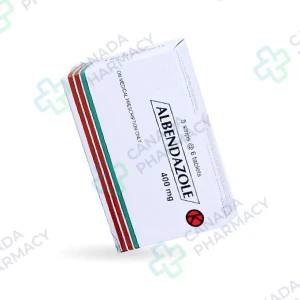
Albendazole
Price range: $ 46,00 through $ 121,00
Active substance: Albendazole
More Details
This product has multiple variants. The options may be chosen on the product page
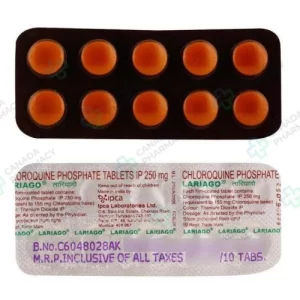
Chloroquine
Price range: $ 41,00 through $ 402,00
Active substance: Chloroquine
More Details
This product has multiple variants. The options may be chosen on the product page

Famvir
Price range: $ 136,00 through $ 285,00
Active substance: Famciclovir
More Details
This product has multiple variants. The options may be chosen on the product page

Kaletra
More Details
This product has multiple variants. The options may be chosen on the product page

Lasuna
Price range: $ 58,00 through $ 244,00
Active substance: extracts of garlic
More Details
This product has multiple variants. The options may be chosen on the product page
Procardia
Price range: $ 28,00 through $ 269,00
Active substance: Nifedipine
More Details
This product has multiple variants. The options may be chosen on the product page

Tamiflu
Price range: $ 66,00 through $ 427,00
Active substance: Oseltamivir
More Details
This product has multiple variants. The options may be chosen on the product page

Tenvir
Price range: $ 52,00 through $ 140,00
Active substance: Tenofovir Disoproxil Fumarate
More Details
This product has multiple variants. The options may be chosen on the product page