

-20%
Fosamax
Price range: $ 55,00 through $ 507,00
Frumil
Price range: $ 43,00 through $ 202,00
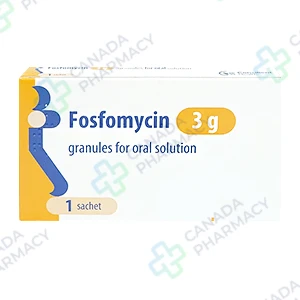
Fosfomycin
Price range: $ 42,00 through $ 336,00
Fosfomycin is a powerful antibiotic specifically designed to treat acute bacterial infections of the urinary tract. This medication is primarily indicated for the treatment of uncomplicated cystitis in women caused by susceptible strains of bacteria. It works by inhibiting the synthesis of the bacterial cell wall, effectively stopping the infection from spreading. The treatment is commonly available as a convenient single-dose oral powder that dissolves easily in water. By targeting the source of the discomfort, Fosfomycin provides an efficient way to resolve painful symptoms and restore bladder health.
Active substance: Fosfomycin trometamol
Delivery: 5–21 days (depending on the shipping method)
Extra 10% discount with coupon: IT4K6SVM
Each dosage option has its own packaging choices.
Description
Fosfomycin belongs to a class of bactericidal antibiotics known as phosphonic acid derivatives. It is an FDA-approved prescription medication indicated primarily for the single-dose treatment of uncomplicated urinary tract infections in adult women.
This medication is supplied as an oral sachet containing fosfomycin tromethamine, which must be dissolved in water prior to ingestion. As a prescription antibacterial agent, fosfomycin is dispensed in accordance with applicable federal and state regulations upon receiving a valid order from a licensed prescriber.
| Active ingredient (INN) | Fosfomycin tromethamine |
| Therapeutic class | Phosphonic acid derivative antibacterial |
| Dosage form | Granules for oral solution (sachet) |
| Route of administration | Oral |
| Prescription status | Prescription only (Rx) |
| Primary purpose | Treatment of acute uncomplicated cystitis in adult women |
Core Pharmacological Profile
How the drug works
Fosfomycin exhibits a distinct mechanism of action compared to other antibiotic classes, such as beta-lactams or fluoroquinolones. It interferes with the initial stage of bacterial cell wall synthesis by irreversibly inhibiting the enzyme phosphoenolpyruvate transferase (MurA). By binding MurA, fosfomycin prevents the formation of N-acetylmuramic acid, an essential peptidoglycan precursor necessary for bacterial cell wall structural integrity. This mechanism results in cell lysis and bacterial death, establishing its bactericidal profile. Additionally, fosfomycin reduces bacterial adherence to uroepithelial cells, which assists in clearing susceptible pathogens from the urinary tract. The active drug displays specific activity against common uropathogens, including Escherichia coli and Enterococcus faecalis.
What happens in the body
Following oral administration of fosfomycin tromethamine, the salt rapidly dissolves and is absorbed in the gastrointestinal tract, liberating free fosfomycin acid. The absolute bioavailability of the oral tromethamine formulation is approximately 37% under fasting conditions. Administration with food decreases peak plasma concentrations ($C_{max}$) and the area under the concentration-time curve (AUC) by approximately 30% to 35%, although therapeutic urinary levels are still maintained. Fosfomycin does not bind to plasma proteins and distributes widely throughout body tissues, concentrated primarily in the kidneys and bladder wall. The mean elimination half-life is approximately 5.7 hours in adults with normal kidney function. Excretion occurs predominantly unchanged through the kidneys via glomerular filtration. High urinary concentrations exceeding 128 mcg/mL are attained within 2 to 4 hours post-dose and remain therapeutically effective for up to 48 hours.
Compatibility with other medicines
Co-administration of fosfomycin with prokinetic agents can modify its systemic and urinary concentrations. Specifically, metoclopramide significantly decreases serum concentrations and urinary excretion of fosfomycin when taken concurrently. This interaction stems from increased gastrointestinal motility, which reduces the residence time and absorption window of fosfomycin in the digestive tract. Other medications that enhance gastrointestinal transit may induce a similar reduction in fosfomycin bioavailability. Fosfomycin does not undergo hepatic metabolism via cytochrome P450 enzymes; consequently, it carries a low risk of enzyme-mediated drug-drug interactions. Patients should inform their prescribers of all concurrent prescription products, over-the-counter agents, and dietary supplements.
Clinical Usage and Considerations
Main Uses and Indications
The primary FDA-approved indication for oral fosfomycin tromethamine is the treatment of uncomplicated acute cystitis (lower urinary tract infection) in adult women caused by susceptible isolates of Escherichia coli and Enterococcus faecalis. Fosfomycin is not indicated for the treatment of pyelonephritis or perinephric abscesses due to insufficient systemic tissue penetration for upper urinary tract infections. In clinical practice, any application of oral single-dose fosfomycin for conditions outside of acute uncomplicated lower UTI in adult females–such as complicated urinary tract infections, male lower urinary tract infections, or chronic bacterial prostatitis–is considered off-label. Off-label use requires specific evaluation by a healthcare provider, as clinical efficacy and safety parameters for these indications have not been formally established by the FDA for the single-dose oral packet formulation.
Dosing Schedule and Administration
The standard dosage of fosfomycin for uncomplicated cystitis in adult females is a single oral dose of 3 grams (equivalent to one sachet). The medication is formulated as soluble granules. The complete contents of one single-dose packet must be poured into 3 to 4 ounces (90 to 120 mL) of cold or room-temperature water and stirred until completely dissolved. The liquid mixture should be ingested immediately after preparation. Patients should not swallow the dry granules directly, nor should hot water be used to dissolve the powder. Taking multiple doses for a single acute episode of uncomplicated cystitis does not increase clinical success rates and may elevate the incidence of gastrointestinal adverse effects.
Adverse Reactions and Safety
Fosfomycin is generally well tolerated, with most reported adverse effects being mild to moderate and self-limiting. Clinical trial data show that gastrointestinal symptoms are the most frequent adverse events. Diarrhea occurs in approximately 9% to 10% of patients following a single dose. Other reported adverse reactions include nausea (4% to 5%), headache (4%), vaginitis (4%), dizziness (1% to 2%), and dyspepsia (1% to 2%). Less common reactions include abdominal pain, flatulence, somnolence, and transient dermatologic rash. Hypersensitivity reactions, including rare instances of anaphylaxis, require immediate medical attention. If severe or persistent diarrhea develops, healthcare providers must evaluate the patient for potential Clostridioides difficile-associated diarrhea.
Important precautions
Prescribers evaluate several clinical precautions when recommending fosfomycin therapy. Clostridioides difficile-associated diarrhea (CDAD) has been reported with nearly all systemic antibacterial agents, including fosfomycin, ranging in severity from mild diarrhea to fatal pseudomembranous colitis. Treatment with antibacterial agents alters the normal flora of the colon, leading to overgrowth of C. difficile. In patients with severe renal impairment (creatinine clearance less than 50 mL/min), urinary excretion of fosfomycin is reduced, prolonged elimination half-life occurs, though single-dose regimens generally do not require dose adjustment unless specified by a physician.
First days of treatment
Following single-dose administration of fosfomycin, therapeutic drug concentrations accumulate in the urinary tract within 2 to 4 hours. Symptomatic improvement, such as reduced dysuria, lower abdominal discomfort, and decreased urinary frequency, typically begins within 24 to 48 hours. Patients are advised to maintain adequate hydration during recovery. It is clinically expected that full resolution of symptoms may take two to three days, even though the medication is ingested as a single dose.
What to avoid while taking it
Food decreases the rate and extent of oral absorption of fosfomycin tromethamine, lowering peak blood and urine concentrations. Administering the dose on an empty stomach or two hours after a meal optimizes absorption parameters. While alcohol does not directly react chemically with fosfomycin, ethanol consumption can irritate the bladder mucosa and exacerbate symptoms of urinary frequency and dysuria. Avoiding alcohol intake during active urinary tract infections supports symptomatic recovery.
Special populations
Fosfomycin should be used during pregnancy only if clearly needed under clinical supervision. Animal reproduction studies have not demonstrated direct fetal toxicity, but adequate and well-controlled studies in pregnant human subjects remain limited. Fosfomycin is excreted in human breast milk in low concentrations; caution should be exercised when administering to nursing mothers. The safety and effectiveness of fosfomycin in pediatric patients under 18 years of age have not been established. Clinical trials have shown no overall differences in safety or effectiveness between elderly patients and younger adults, though age-related decline in renal function should be evaluated.
Storage and expiration
Fosfomycin tromethamine sachets should be stored at controlled room temperature between 68°F and 77°F (20°C to 25°C), with excursions permitted between 59°F and 86°F (15°C to 30°C). Keep the packet in its original protective packaging to prevent exposure to excessive heat and moisture. The sachet must remain unopened until the time of dose preparation. Once dissolved in liquid, the solution must be consumed immediately. Expired products should be disposed of in accordance with standard pharmaceutical disposal protocols.
Common Questions
What should occur if vomiting happens shortly after drinking the reconstituted solution?
If vomiting occurs within 30 to 60 minutes of swallowing the liquid mixture, a significant portion of the active ingredient may not have been absorbed from the gastrointestinal tract. Patients should contact their prescribing provider to determine whether a re-dose or an alternative antibiotic treatment is required.
Can fosfomycin be utilized for upper urinary tract infections such as pyelonephritis?
No. Oral fosfomycin tromethamine is approved specifically for uncomplicated lower urinary tract infections (cystitis). Tissue concentrations achieved in the renal parenchyma following a single oral dose are insufficient to reliably treat upper urinary tract infections or systemic kidney infections.
How long does fosfomycin maintain antibacterial activity in the bladder?
Following a single 3-gram oral dose, fosfomycin maintains bactericidal concentrations in the urine above 128 mcg/mL for up to 48 hours in individuals with normal renal clearance. This prolonged local presence allows a single dose to achieve bacteriological clearance of susceptible organisms.
Is a second sachet required if urinary discomfort persists after 24 hours?
No. Taking an additional sachet without medical direction is not recommended. Symptomatic improvement usually progresses over 48 to 72 hours following administration. If symptoms persist beyond 3 days or worsen, clinical re-evaluation and urine culture testing are necessary.
Does fosfomycin impair the ability to drive or operate machinery?
Dizziness and headache are listed among the potential adverse effects of fosfomycin. Patients should evaluate their individual physiological response to the medication before driving vehicles or operating machinery requiring mental alertness.
This text is for informational purposes only and does not constitute individual medical advice. In accordance with FDA requirements.
Additional information
| Dosage |
3g |
|---|---|
| Package |
1 sachets ,2 sachets ,3 sachets ,4 sachets ,5 sachets ,6 sachets ,7 sachets ,8 sachets ,9 sachets ,10 sachets |
| Ενεργός Ουσία |
Related products
Azipro
Price range: $ 90,00 through $ 680,00
Active substance: Azithromycin
More Details
This product has multiple variants. The options may be chosen on the product page
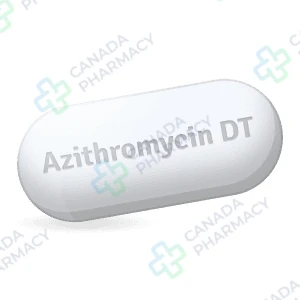
Azithromycin DT
Price range: $ 60,00 through $ 972,00
Active substance: Azithromycin
More Details
This product has multiple variants. The options may be chosen on the product page
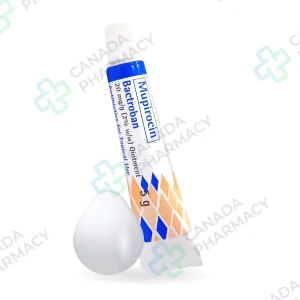
Bactroban Ointment 5g
Price range: $ 55,00 through $ 200,00
Active substance: Mupirocin
More Details
This product has multiple variants. The options may be chosen on the product page
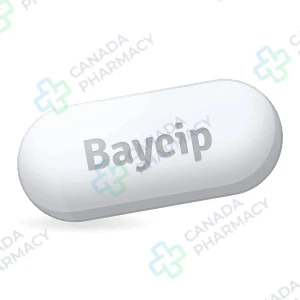
Baycip
Price range: $ 42,00 through $ 113,00
Active substance: Ciprofloxacin
More Details
This product has multiple variants. The options may be chosen on the product page
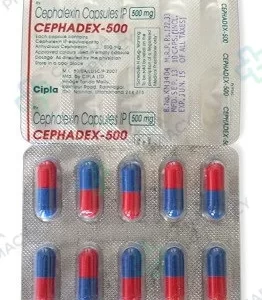
Cephalexin
Price range: $ 39,00 through $ 349,00
Active substance: cephalexin
More Details
This product has multiple variants. The options may be chosen on the product page
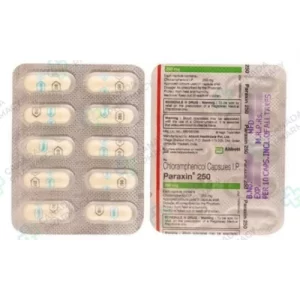
Chloromycetin
Price range: $ 52,00 through $ 242,00
Active substance: chloramphenicol
More Details
This product has multiple variants. The options may be chosen on the product page
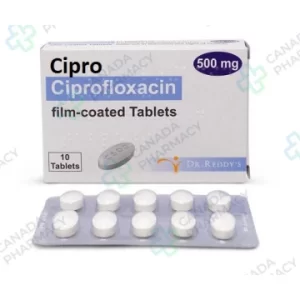
Cipro
Price range: $ 40,00 through $ 317,00
Active substance: Ciprofloxacin
More Details
This product has multiple variants. The options may be chosen on the product page
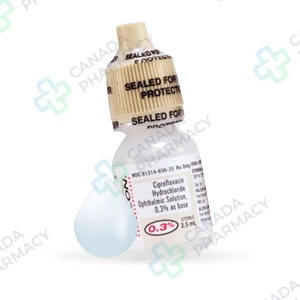
Ciprodex Ophthalmic Solution
Price range: $ 63,00 through $ 95,00
Active substance: Ciprofloxacin, Dexamethasone
More Details
This product has multiple variants. The options may be chosen on the product page