

-49%

Differin
Price range: $ 48,00 through $ 153,00
Digoxin
Price range: $ 48,00 through $ 152,00
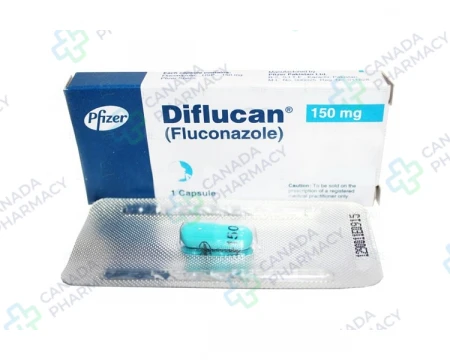
Diflucan
Price range: $ 51,00 through $ 854,00
Diflucan is a powerful antifungal medication designed to treat a variety of yeast and fungal infections throughout the body. It is widely used to clear vaginal candidiasis by stopping the growth of the fungi responsible for the infection. Beyond yeast infections, this medication is effective for treating oral thrush and esophageal fungal issues. The active ingredient works by targeting the cell membranes of the fungi, ensuring a fast and reliable recovery. This treatment offers a convenient and proven way to restore your well-being and eliminate persistent fungal symptoms.
Active substance: Fluconazole
Delivery: 5–21 days (depending on the shipping method)
Extra 10% discount with coupon: IT4K6SVM
Each dosage option has its own packaging choices.
Description
Diflucan belongs to a class of antifungal medications known as synthetic triazoles, which work by inhibiting fungal sterol synthesis. In the United States, Diflucan is available strictly by prescription (Rx) under federal regulation and is prescribed by licensed healthcare providers to treat serious systemic and localized fungal infections.
Because oral fluconazole can interact with numerous prescription drugs and carries specific warnings regarding liver function and cardiovascular risk, proper medical evaluation is required prior to starting therapy. Patients should take this medication exactly as directed by their physician and report any unexpected symptoms immediately.
| Parameter | Details |
|---|---|
| Drug Name | Diflucan |
| Active Ingredient | Fluconazole |
| Therapeutic Class | Antifungal (Triazole derivative) |
| Dosage Form | Oral tablet, oral suspension |
| Prescription Status | Prescription (Rx) only |
| Route of Administration | Oral |
Clinical Profile and Safety Guidelines
Main Uses and Mechanism
Main uses
FDA-approved indications for Diflucan include vaginal candidiasis (yeast infection), oropharyngeal candidiasis (thrush), esophageal candidiasis, systemic candidal infections (including candidemia and disseminated candidiasis), and cryptococcal meningitis. It is also indicated for prophylaxis to reduce the incidence of candidiasis in patients undergoing bone marrow transplantation who receive cytotoxic chemotherapy or radiation therapy. Off-label indications–which are clinical uses not explicitly listed in the official FDA-approved label–may include certain non-candidal endemic mycoses when prescribed by a specialist based on specific clinical guidelines.
How the drug works
Diflucan works by selectively inhibiting the fungal cytochrome P-450-dependent enzyme lanosterol 14-alpha-demethylase. This critical enzyme is essential for converting lanosterol to ergosterol, a vital structural component of the fungal cell membrane. The depletion of ergosterol impairs membrane function and permeability, leading to fungal cell growth inhibition and cellular death. Because Diflucan exhibits high specificity for fungal cytochrome P-450 enzymes over human cytochrome enzymes, it effectively targets the infection, though high doses can still interfere with human hepatic enzymes and alter drug metabolism.
How it is absorbed and eliminated
Following oral administration, Diflucan is rapidly and almost completely absorbed, displaying bioequivalence to intravenous formulations. Peak plasma concentrations are achieved within 1 to 2 hours post-dose under fasting conditions. The mean elimination half-life of fluconazole is approximately 30 hours, which allows for convenient once-daily or single-dose administration regimens depending on the clinical indication. Fluconazole penetrates well into all body fluids, including cerebrospinal fluid, saliva, and skin. Over 80% of the administered dose is excreted unchanged in the urine, making renal dosage adjustments necessary for patients with impaired kidney function.
Important Precautions and Interactions
Important precautions and warnings
Safety must be the primary consideration when initiating therapy with Diflucan. Serious hepatic toxicity, including fatal liver failure, has been reported in patients taking fluconazole, particularly those with severe underlying medical conditions. Patients must undergo baseline and periodic hepatic function testing if extended therapy is required. Furthermore, Diflucan can cause QT prolongation on an electrocardiogram, which poses a risk of serious ventricular arrhythmias such as Torsades de Pointes. Caution is advised when prescribing Diflucan to patients with proarrhythmic conditions, electrolyte imbalances, or those taking concurrent QT-prolonging agents. Pregnant women should avoid high-dose fluconazole during the first trimester due to potential risks of congenital anomalies.
What not to combine
Diflucan is a potent inhibitor of cytochrome P450 isoenzymes CYP2C9 and CYP3A4, as well as a moderate inhibitor of CYP2C19. Co-administration of Diflucan with drugs metabolized by these pathway enzymes can result in significantly elevated plasma concentrations of co-administered medications. Diflucan is contraindicated with drugs that prolong the QT interval and are metabolized by CYP3A4, such as cisapride, pimozide, quinidine, and erythromycin. Significant interactions also occur with oral anticoagulants (e.g., warfarin), increasing prothrombin time and bleeding risk. Simultaneous use with oral hypoglycemics (sulfonylureas), phenytoin, tacrolimus, cyclosporine, and certain statins requires careful clinical monitoring and dose adjustments to prevent severe toxicity.
Patient Safety and Practical Management
Adverse Reactions and Red Flags
Adverse reactions and side effects
Common side effects associated with Diflucan are generally mild to moderate and primarily involve the gastrointestinal tract and nervous system. Patients frequently report nausea, abdominal pain, diarrhea, flatulence, headache, and dizziness. Skin reactions, such as mild rash, are also documented. However, more severe skin reactions, including toxic epidermal necrolysis and Stevens-Johnson syndrome, have occurred in immunocompromised patients. Long-term therapy may lead to transient elevations in liver enzymes, alopecia, or altered taste sensation. Patients experiencing persistent or worsening side effects should consult their prescribing physician immediately.
Red flags and emergency care
Patients must seek emergency medical evaluation if they experience signs of a severe allergic or systemic reaction while taking Diflucan. Immediate signs requiring urgent attention include swelling of the face, lips, tongue, or throat, alongside severe difficulty breathing or swallowing. Dark urine, persistent jaundice (yellowing of the skin or eyes), pale stools, severe upper abdominal pain, and unexplained extreme fatigue indicate severe liver injury. Additionally, sudden dizziness, fainting, chest pain, or irregular heartbeats require immediate emergency care to evaluate for cardiac arrhythmias.
| Emergency Sign / Red Flag | Recommended Action |
|---|---|
| Swelling of face, lips, tongue, or throat | Seek emergency medical care immediately |
| Difficulty breathing or wheezing | Seek emergency medical care immediately |
| Yellowing of skin or eyes (Jaundice) | Discontinue use and seek urgent medical evaluation |
| Severe abdominal pain with dark urine | Contact your healthcare provider immediately |
| Irregular heartbeat, severe dizziness, or fainting | Seek emergency medical care immediately |
| Severe blistering or peeling skin rash | Discontinue use and get immediate emergency care |
Dosing schedule and guidelines
Diflucan dosing must be individualized based on the fungal pathogen, anatomical site of infection, and severity of the disease. For acute vaginal candidiasis, a single oral dose of 150 mg is standard in adult patients. Oropharyngeal candidiasis typically requires a loading dose of 200 mg on the first day, followed by 100 mg once daily for at least two weeks. Systemic or deep fungal infections, such as cryptococcal meningitis, demand higher dosages ranging from 400 mg daily or more, often continued for extended periods under direct medical supervision. For pediatric patients and individuals with renal impairment (creatinine clearance under 50 mL/min), specific weight-based or clearance-adjusted dosing schedules must be calculated by the prescriber.
Food and alcohol interactions
Diflucan tablets and oral suspensions may be taken with or without food, as food does not significantly alter the rate or extent of oral absorption. However, taking the medication with meals or milk may help decrease mild gastrointestinal discomfort, such as nausea or indigestion. Alcohol consumption should be strictly limited or avoided during treatment. Combining alcohol with Diflucan increases the metabolic burden on the liver, escalating the potential risk of hepatotoxicity and worsening nervous system side effects such as dizziness and drowsiness.
What to do if you miss a dose
If a dose of Diflucan is missed on a daily dosing schedule, it should be taken as soon as the patient remembers. However, if it is almost time for the next scheduled dose, skip the missed dose and resume the regular dosing schedule. Patients must never take a double dose or extra medication to make up for a missed tablet, as doubling the dose elevates the risk of plasma accumulation and adverse toxic effects. If taking a single-dose treatment (such as 150 mg for vaginal thrush) and the dose was forgotten, contact your prescribing clinician for guidance.
Storage and expiration
Diflucan tablets should be stored at controlled room temperature between 68°F to 77°F (20°C to 25°C), away from excess heat, direct sunlight, and moisture; avoid storing in humid bathroom cabinets. Oral suspensions should be stored between 41°F and 86°F (5°C to 30°C) and discarded 14 days after reconstitution. Always keep all prescription medications in their original child-resistant containers and safely out of reach of children and pets. Do not use any tablet or liquid past the expiration date printed on the packaging.
Common Questions
Can Diflucan cause severe liver toxicity?
Yes, fluconazole carries a risk of hepatic injury ranging from mild, reversible liver enzyme elevations to rare cases of severe hepatitis and fatal hepatic failure. Patients with underlying liver disease or those receiving long-term treatment require baseline liver function monitoring and should report any signs of jaundice or severe abdominal pain promptly.
What happens if I take Diflucan with blood thinners like warfarin?
Diflucan inhibits the liver enzyme responsible for metabolizing warfarin, which can significantly enhance the anticoagulant effect and prolong prothrombin time. This combination substantially increases the risk of serious bleeding. Patients taking both medications must undergo frequent INR monitoring, and warfarin doses may need temporary adjustment.
Is a single dose of Diflucan always sufficient to clear an infection?
A single 150 mg dose is specifically FDA-approved for uncomplicated vaginal yeast infections. However, for systemic, esophageal, or oral fungal infections, extended once-daily regimens lasting days to weeks are required to fully eradicate the organism and prevent relapse. Never stop or alter your regimen early without provider approval.
How long does Diflucan remain in your body after stopping treatment?
Because Diflucan has an extended elimination half-life of approximately 30 hours, it takes roughly 5 to 6 days for the drug to be largely cleared from systemic circulation. Due to this persistence, potential drug interactions can still occur for several days after completing the prescribed course.
What should I do if a rash develops while taking Diflucan?
While mild rashes can occur, fluconazole can occasionally trigger severe cutaneous adverse reactions, such as Stevens-Johnson syndrome. If a new rash, peeling skin, or mucosal blisters develop, discontinue the medication immediately and seek urgent medical evaluation to rule out severe hypersensitivity.
Information on this page is for reference and does not replace an assessment by a licensed healthcare professional.
In accordance with FDA guidelines.
Additional information
| Dosage |
50mg ,100mg ,150mg ,200mg ,400mg |
|---|---|
| Package |
30 pills ,60 pills ,90 pills ,120 pills ,180 pills ,270 pills ,360 pills |
| Ενεργός Ουσία |
Related products
Fulvicin
Price range: $ 25,00 through $ 160,00
Active substance: Griseofulvin
More Details
This product has multiple variants. The options may be chosen on the product page

Grifulvin V
Price range: $ 30,00 through $ 292,00
Active substance: Griseofulvin
More Details
This product has multiple variants. The options may be chosen on the product page

Gyne-Lotrimin
Price range: $ 40,00 through $ 63,00
Active substance: Imidazole
More Details
This product has multiple variants. The options may be chosen on the product page

Lamisil Cream
Price range: $ 11,00 through $ 36,00
Active substance: Terbinafine
More Details
This product has multiple variants. The options may be chosen on the product page
Lotrisone
Price range: $ 41,00 through $ 254,00
Active substance: betamethasone, Clotrimazole
More Details
This product has multiple variants. The options may be chosen on the product page

Mentax
Price range: $ 48,00 through $ 185,00
Active substance: Butenafine
More Details
This product has multiple variants. The options may be chosen on the product page

Mycelex g
Price range: $ 17,00 through $ 39,00
Active substance: Clotrimazole
More Details
This product has multiple variants. The options may be chosen on the product page
Nizoral
Price range: $ 60,00 through $ 410,00
Active substance: ketoconazole
More Details
This product has multiple variants. The options may be chosen on the product page