

-23%
Mentat DS syrup
Price range: $ 49,00 through $ 341,00
Mesterolone
Price range: $ 78,00 through $ 256,00
Mentax
Price range: $ 48,00 through $ 185,00
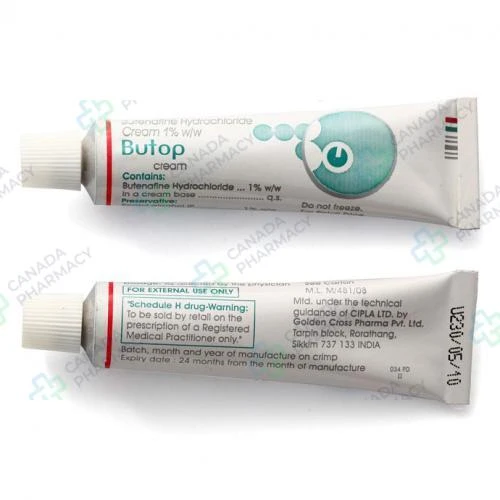
Mentax is a highly effective topical antifungal medication designed to treat a variety of fungal skin infections. This cream contains butenafine hydrochloride, which works by inhibiting the growth of fungi that cause irritation and skin damage. It is specifically indicated for the treatment of common conditions such as athlete’s foot, jock itch, and ringworm. Users can expect reliable relief from the persistent itching, redness, and burning sensations associated with these fungal issues. The formula absorbs quickly into the skin to target the infection at its source and promote visible healing.
Active substance: Butenafine
Delivery: 5–21 days (depending on the shipping method)
Extra 10% discount with coupon: IT4K6SVM
Each dosage option has its own packaging choices.
Description
Mentax belongs to a group of synthetic antifungal agents known as benzylamines, which are structurally related to the allylamine class of antimycotics. Formulated as a topical cream containing 1% butenafine hydrochloride, it is prescribed for the management of specific superficial fungal skin infections. Proper application and strict adherence to healthcare provider instructions help ensure target tissue eradication while minimizing the risk of local cutaneous irritation.
This medication is dispensed by prescription only in accordance with federal and state regulations in the United States. An evaluation by a qualified healthcare professional is necessary to confirm a fungal etiology, establish appropriate dosing frequency, and determine the necessary duration of treatment based on individual clinical presentation.
| Parameter | Details |
|---|---|
| Drug name | Mentax |
| Active ingredient | Butenafine hydrochloride (1%) |
| Therapeutic class | Topical benzylamine antifungal agent |
| Dosage form | Topical cream |
| Route of administration | Cutaneous (topical skin application) |
| Prescription status | Prescription (Rx) |
Clinical Profile and Indications
Pharmacologic Properties and Usage
What it’s used for
Mentax cream is indicated for the topical treatment of superficial dermatophytic fungal infections of the skin. Specifically, it is prescribed for interdigital tinea pedis (athlete’s foot), tinea corporis (ringworm of the body), and tinea cruris (jock itch) caused by susceptible organisms such as Trichophyton rubrum, Trichophyton mentagrophytes, and Epidermophyton floccosum. Additionally, Mentax is used to treat tinea (pityriasis) versicolor, a superficial fungal condition caused by Malassezia furfur. Clinical diagnosis should confirm the presence of pathogenic fungi prior to initiating therapy.
How the drug works
Mentax exerts its therapeutic effect through the selective inhibition of squalene epoxidase, a key enzyme involved in the early stages of fungal ergosterol biosynthesis. By blocking squalene epoxidase, the medication causes a intracellular accumulation of toxic squalene concentrations within the fungal cell alongside a critical depletion of ergosterol, an essential component of the fungal cell membrane. This dual action impairs membrane integrity and function, resulting in fungicidal activity against susceptible dermatophytes rather than simple growth inhibition.
Dosing schedule
The dosing regimen for Mentax depends on the specific condition being treated and must be determined by a healthcare provider. For interdigital tinea pedis, the typical dosage is application once daily for four weeks, or alternatively, twice daily for seven days as directed by a physician. For tinea corporis and tinea cruris, the cream is usually applied once daily for two weeks. When treating tinea versicolor, application is generally once daily for two weeks. Patients should clean and completely dry the affected skin before applying a thin layer covering both the lesion and surrounding healthy skin.
What happens in the body
Pharmacokinetic evaluations demonstrate that systemic absorption of butenafine hydrochloride following topical application of Mentax cream is extremely low. In clinical studies involving patients with fungal skin infections treated once daily for multiple weeks, serum concentrations of butenafine remained below detection limits or were present in minimal nanogram-per-milliliter amounts. The active compound maintains high concentrations within the stratum corneum of the skin, persisting for extended periods following application. Systemic metabolism of the trace amounts absorbed occurs primarily via hepatic pathways, followed by renal and biliary elimination.
Safety, Storage, and Practical Advice
Safety Considerations and Interactions
Adverse reactions
Mentax cream is generally well tolerated when applied as directed. Mild local skin reactions at the application site represent the most frequently reported adverse effects. Patients may experience localized burning, stinging, itching (pruritus), redness (erythema), or mild irritation. In rare instances, contact dermatitis or contact sensitization may develop. If severe localized irritation, swelling, blistering, or signs of hypersensitivity occur, treatment should be discontinued and evaluated by a healthcare professional.
Important precautions
Mentax is formulated exclusively for external topical use on intact skin. It is not intended for ophthalmic, oral, or intravaginal administration. Care must be taken to avoid contact with the eyes, nose, mouth, and other mucous membranes. The safety and efficacy of Mentax in pediatric patients under 12 years of age have not been established for all indications. Regarding pregnancy, topical butenafine should be used during pregnancy only if clearly needed and prescribed by a clinician. Nursing mothers should exercise caution, as it is unknown whether topically applied butenafine is excreted in human milk.
Compatibility with other medicines
Systemic drug-drug interactions with Mentax cream are highly unlikely due to the negligible systemic absorption of butenafine following topical application. However, applying other topical agents, prescription creams, over-the-counter ointments, cosmetics, or harsh chemical clearers to the same treatment area simultaneously may alter drug delivery or exacerbate skin irritation. Patients should consult their prescriber before combining Mentax with any other cutaneous product on the affected skin surface.
What you may notice early on
During the initial days of treatment, patients often report a reduction in cutaneous discomfort, such as decreased itching and redness. However, visible skin improvement does not mean the underlying fungal organism has been completely eliminated. Symptomatic relief typically precedes complete mycological clearance. Continuing the full course of therapy exactly as prescribed by a physician is necessary to prevent infection relapse.
Practical Application and Storage
If you skip a dose
If an application of Mentax is forgotten, apply the missed dose as soon as remembered, provided it is not near the time for the next scheduled application. If it is close to the next planned application, skip the missed dose and resume the regular treatment schedule. Patients should not apply double amounts or apply the cream more frequently than instructed to make up for a missed application.
Practical tips
To optimize treatment outcomes, thoroughly wash and dry the affected area prior to applying Mentax cream. Gently rub the cream into the skin until completely absorbed, and wash hands immediately afterward unless treating the hands. Patients managing athlete’s foot (tinea pedis) should wear well-fitting, breathable footwear and change socks daily. For body or groin infections, wearing loose-fitting cotton clothing helps maintain a dry environment, which inhibits fungal proliferation.
Storage and expiration
Mentax cream should be stored at controlled room temperature between 15°C and 30°C (59°F to 86°F). Protect the container from excessive heat, freezing, and direct sunlight. Keep the tube tightly closed when not in use and store it out of reach of children and pets. Do not use the medication beyond the expiration date printed on the tube and outer packaging.
| Feature | Clinical Summary |
|---|---|
| Primary purpose | Topical treatment of dermatophytic skin infections |
| Common side effect | Local burning, stinging, itching, or redness |
| Systemic absorption | Minimal following topical administration |
| Dosing frequency | Once or twice daily depending on indication |
| Storage range | 15°C to 30°C (59°F to 86°F) |
Common Questions
Is Mentax effective for treating fungal nail infections (onychomycosis)?
No. Mentax cream is formulated specifically for superficial fungal infections of the skin. It does not penetrate the nail plate adequately to treat onychomycosis. Fungal nail infections require specialized systemic or topical prescription treatments explicitly approved for nail penetration under medical supervision.
What should be done if Mentax cream accidentally gets into the eyes?
Mentax cream is for external skin use only and can cause irritation if exposed to sensitive mucous membranes. If accidental eye contact occurs, immediately flush the eye thoroughly with large amounts of clean, cool water or saline. If burning, redness, or vision changes persist, seek medical evaluation promptly.
Can Mentax be stopped as soon as itching and redness disappear?
No. Stopping treatment early upon the disappearance of surface symptoms often leaves viable fungal spores in the skin, increasing the likelihood of infection recurrence. Patients should complete the entire duration of therapy prescribed by their healthcare provider even if symptoms resolve earlier.
Does applying a thicker layer of cream make the infection clear up faster?
Applying excess amounts of Mentax cream does not accelerate healing or enhance efficacy. Fungal tissue absorption relies on a thin, uniform coating over the affected area. Excessive application may increase the risk of local skin irritation and waste medication without therapeutic benefit.
Is a prescription required to obtain Mentax cream in the United States?
Yes. Mentax is classified as a prescription medication (Rx) by the U.S. Food and Drug Administration. An evaluation by a licensed healthcare provider is necessary to receive a prescription tailored to the specific diagnosis and clinical needs.
Information on this page is for reference and does not replace an assessment by a licensed healthcare professional. Dispensed in accordance with applicable federal and state regulations in the United States.
Additional information
| Dosage |
15gm |
|---|---|
| Package |
2 tubes ,3 tubes ,4 tubes ,5 tubes ,6 tubes ,7 tubes ,8 tubes ,9 tubes ,10 tubes |
| Ενεργός Ουσία |
Related products
Diflucan
Price range: $ 51,00 through $ 854,00
Active substance: Fluconazole
More Details
This product has multiple variants. The options may be chosen on the product page
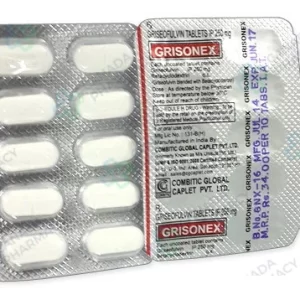
Fulvicin
Price range: $ 25,00 through $ 160,00
Active substance: Griseofulvin
More Details
This product has multiple variants. The options may be chosen on the product page
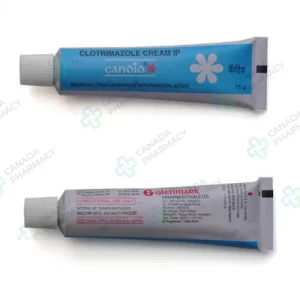
Grifulvin V
Price range: $ 30,00 through $ 292,00
Active substance: Griseofulvin
More Details
This product has multiple variants. The options may be chosen on the product page
Gyne-Lotrimin
Price range: $ 40,00 through $ 63,00
Active substance: Imidazole
More Details
This product has multiple variants. The options may be chosen on the product page

Lamisil Cream
Price range: $ 11,00 through $ 36,00
Active substance: Terbinafine
More Details
This product has multiple variants. The options may be chosen on the product page
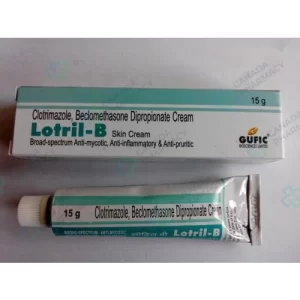
Lotrisone
Price range: $ 41,00 through $ 254,00
Active substance: betamethasone, Clotrimazole
More Details
This product has multiple variants. The options may be chosen on the product page
Mycelex g
Price range: $ 17,00 through $ 39,00
Active substance: Clotrimazole
More Details
This product has multiple variants. The options may be chosen on the product page
Nizoral
Price range: $ 60,00 through $ 410,00
Active substance: ketoconazole
More Details
This product has multiple variants. The options may be chosen on the product page