

-36%
Cardizem
Price range: $ 24,00 through $ 389,00

Careprost
Price range: $ 42,00 through $ 367,00
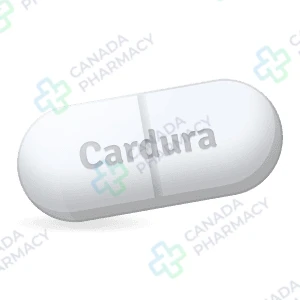
Cardura
Price range: $ 40,00 through $ 313,00
Cardura is an effective medication primarily used to treat hypertension and the symptoms of benign prostatic hyperplasia (BPH). By relaxing the muscles in the prostate and bladder neck, this treatment helps improve urinary flow and reduce discomfort associated with an enlarged prostate. It also functions as an alpha-blocker that relaxes blood vessels, allowing blood to flow more easily throughout the body to lower blood pressure. Maintaining healthy blood pressure levels with this medication helps reduce the risk of serious cardiovascular events like strokes and heart attacks. This dual-action formula provides a reliable solution for men managing prostate health while supporting overall circulatory wellness.
Active substance: Doxazosin
Delivery: 5–21 days (depending on the shipping method)
Extra 10% discount with coupon: IT4K6SVM
Each dosage option has its own packaging choices.
Description
Cardura belongs to a class of medications called alpha-1 adrenergic blockers. It is an FDA-approved prescription medication indicated for the treatment of hypertension (high blood pressure) and benign prostatic hyperplasia (BPH).
The active substance in Cardura is doxazosin mesylate, which acts by relaxing blood vessels and smooth muscle tissue in the prostate and bladder neck. As a prescription-only pharmaceutical, Cardura must be taken under the supervision of a licensed healthcare provider in accordance with federal and state regulations.
Product Summary
| Active ingredient (INN) | Doxazosin mesylate |
| Therapeutic class | Alpha-1 adrenergic blocker (AHFS 40:28.12) |
| Dosage form | Oral tablet |
| Route of administration | Oral |
| Primary purpose | Hypertension and Benign Prostatic Hyperplasia (BPH) |
| Prescription status | Prescription (Rx only) |
| Storage | Store at 20°C to 25°C (68°F to 77°F); excursions permitted between 15°C and 30°C (59°F and 86°F). |
Clinical Overview
Pharmacology and Pharmacokinetics
How the drug works
Cardura selectively blocks post-junctional alpha-1 adrenergic receptors. In vascular smooth muscle, this inhibition reduces peripheral vascular resistance, leading to a decrease in systemic arterial blood pressure. In benign prostatic hyperplasia (BPH), alpha-1 receptors mediate smooth muscle tone in the prostate capsule, proximal urethra, and bladder neck. By selectively blocking these receptors, doxazosin relaxes the prostatic stroma and bladder neck, improving urinary flow rates and reducing symptoms of lower urinary tract obstruction without impairing bladder contractility. The pharmacological effect is specific to alpha-1 receptors, exhibiting minimal affinity for alpha-2 receptors.
What happens in the body
Following oral administration of doxazosin mesylate, peak plasma concentrations are reached within approximately 2 to 3 hours. The absolute bioavailability of doxazosin is approximately 65%. Doxazosin is highly bound to plasma proteins (approximately 98%). The drug undergoes extensive hepatic metabolism primarily by O-demethylation and hydroxylation via CYP3A4, CYP2C9, and CYP2D6 isoenzymes. Doxazosin exhibits a terminal elimination half-life of approximately 22 hours, which supports once-daily dosing schedules. Elimination occurs predominantly through feces (approximately 63% to 65%, mostly as metabolites) and to a lesser extent through urine (9% to 11%).
Indications and Dosing
Main uses
Cardura is approved by the U.S. Food and Drug Administration (FDA) for two main clinical indications:
- Hypertension: It may be used as initial monotherapy or in combination with other antihypertensive agents, such as thiazide diuretics, beta-blockers, calcium channel blockers, or ACE inhibitors, to manage elevated blood pressure.
- Benign Prostatic Hyperplasia (BPH): It is prescribed to treat urinary outflow obstruction and clinical symptoms associated with BPH, such as urinary frequency, urgency, weak stream, and hesitancy.
Off-label notice: Any clinical use outside these FDA-approved indications, such as management of ureteral stent discomfort or Raynaud’s phenomenon, constitutes an off-label application and must be individually evaluated by a prescribing clinician.
Dosing schedule
Cardura tablets are administered orally once daily, either in the morning or evening, with or without food. Dosage must be individualized based on clinical response and tolerability:
- Hypertension: The initial recommended starting dose is 1 mg once daily. To minimize the risk of postural hypotension or syncope, the dosage may be titrated at 1 to 2-week intervals to 2 mg, 4 mg, 8 mg, up to a maximum recommended dose of 16 mg daily.
- Benign Prostatic Hyperplasia: The initial starting dose is 1 mg once daily. Depending on individual urodynamics and symptomatic response, the dose may be increased at 1 to 2-week intervals to 2 mg, 4 mg, up to a maximum dose of 8 mg once daily.
If administration is discontinued for several days, therapy should be restarted at the 1 mg initial dose and retitrated.
Safety and Precautions
Adverse reactions
Clinical trials for Cardura report several adverse reactions, primarily related to its vasodilatory and alpha-adrenergic blocking properties. The most common side effects include postural hypotension, dizziness, vertigo, fatigue, somnolence, peripheral edema, and asthenia. Central nervous system effects such as headaches may occur. Gastrointestinal reactions can include nausea and abdominal discomfort. Respiratory symptoms like rhinitis or nasal congestion have also been noted. A rare but serious reaction associated with alpha-1 blockers is priapism (a prolonged and painful erection), which requires immediate medical intervention. Additionally, intraoperative floppy iris syndrome (IFIS) has been observed during cataract surgery in patients taking or previously treated with alpha-1 blockers.
Important precautions
Patients initiating therapy with Cardura should be warned about the potential for a marked drop in blood pressure, particularly upon standing (orthostatic hypotension), which may result in dizziness or syncope. This “first-dose effect” is most pronounced following the initial dose or after dose increases. Caution is advised when operating machinery or driving until individual tolerance is established. Patients with underlying hepatic impairment should be monitored closely, as doxazosin is extensively metabolized by the liver. Cardura is not indicated for pediatric use. Patients scheduled for cataract or glaucoma surgery must inform their ophthalmic surgeon of past or present doxazosin therapy due to the risk of Intraoperative Floppy Iris Syndrome (IFIS).
Compatibility with other medicines
Concomitant administration of Cardura with other antihypertensive agents or vasodilators may produce additive hypotensive effects, requiring careful dose adjustment. Co-administration with phosphodiesterase type 5 (PDE-5) inhibitors (such as sildenafil, tadalafil, or vardenafil) can lead to symptomatic hypotension; PDE-5 inhibitor therapy should be initiated at the lowest dosage in patients already stabilized on doxazosin. In vitro studies indicate that doxazosin does not alter the protein binding of digoxin, warfarin, phenytoin, or indomethacin. However, concomitant administration with strong CYP3A4 inhibitors (e.g., ketoconazole, clarithromycin) may potentially increase systemic exposure of doxazosin.
What to avoid while taking it
Cardura can be taken with or without food, as food intake does not significantly alter its systemic bioavailability or peak plasma concentration. However, alcohol consumption should be limited or avoided while taking doxazosin. Alcohol possesses vasodilatory properties that can compound the blood pressure-lowering effect of Cardura, increasing the frequency and severity of orthostatic dizziness, lightheadedness, and fainting. Patients should also avoid sudden changes in posture, such as standing up quickly from a seated or lying position, to reduce postural instability.
Red flags
Certain symptoms require prompt medical evaluation. Emergency medical attention should be sought if any of the following occur:
- Severe dizziness, severe lightheadedness, or loss of consciousness (syncope).
- Chest pain, angina, or irregular/rapid heartbeat (palpitations).
- Signs of a severe allergic reaction, such as swelling of the face, lips, tongue, or throat, or difficulty breathing.
- A prolonged penile erection lasting longer than 4 hours (priapism).
- Sudden, unexplained weakness or shortness of breath.
If you skip a dose
If a dose of Cardura is missed, it should be taken as soon as remembered on the same day. If it is almost time for the next scheduled dose, skip the missed dose and resume the regular daily schedule. Do not double the dose to compensate for a missed tablet. If therapy with Cardura is interrupted for several consecutive days, patients should contact their healthcare provider prior to resuming treatment, as restarting at a higher maintenance dose increases the risk of severe postural hypotension; retitration starting from the 1 mg initial dose is typically required.
Special populations
- Pregnancy: Cardura is classified as Pregnancy Category C under prior FDA labeling conventions. There are no adequate and well-controlled studies in pregnant women. It should be used during pregnancy only if the potential benefit justifies the potential risk to the fetus.
- Nursing Mothers: Doxazosin is excreted in human milk. Exercise caution when administering Cardura to a nursing woman; clinical decisions should weigh the importance of the drug to the mother against potential effects on the infant.
- Geriatric Use: Clinical trials revealed no overall differences in safety or effectiveness between elderly and younger patients, though increased sensitivity in some older individuals cannot be ruled out.
- Pediatric Use: Safety and effectiveness in pediatric patients have not been established.
Common Questions
How long does it take for Cardura to start working for BPH symptoms?
Initial symptomatic improvement in urinary flow and obstruction usually begins within 1 to 2 weeks of starting therapy, but full clinical benefit may require several weeks of gradual dose titration under medical supervision.
Is it better to take Cardura in the morning or at bedtime?
Many prescribers recommend taking the initial dose or incremental dose increases at bedtime to minimize the impact of potential daytime dizziness or orthostatic hypotension, often referred to as the “first-dose effect.”
What should I do before having cataract surgery if I am taking Cardura?
You must inform your ophthalmologist about your current or past use of Cardura, as alpha-blockers can cause Intraoperative Floppy Iris Syndrome during cataract procedures, requiring specific surgical adjustments.
Can Cardura be taken alongside erectile dysfunction medications?
Combining Cardura with PDE-5 inhibitors can cause a significant drop in blood pressure. Consultation with a prescribing clinician is required to ensure doses are appropriately adjusted and separated if necessary.
Does Cardura cause permanent blood pressure changes if stopped abruptly?
Stopping Cardura will cause blood pressure or urinary symptoms to gradually return to baseline levels. Abrupt discontinuation does not typically cause rebound hypertension, but dosage retitration is necessary if treatment is restarted after several days off the drug.
This text is for informational purposes only and does not constitute individual medical advice.
In accordance with FDA requirements.
Additional information
| Dosage |
1mg ,2mg ,4mg |
|---|---|
| Package |
30 pills ,60 pills ,90 pills ,120 pills ,180 pills ,270 pills ,360 pills |
| Ενεργός Ουσία |
Related products
Anaconda
Price range: $ 87,00 through $ 225,00
Active substance: Sildenafil Citrate
More Details
This product has multiple variants. The options may be chosen on the product page
Assurans
Price range: $ 50,00 through $ 70,00
Active substance: Sildenafil Citrate
More Details
This product has multiple variants. The options may be chosen on the product page

Calcium Carbonate
Price range: $ 41,00 through $ 535,00
Active substance: Calcium Carbonate
More Details
This product has multiple variants. The options may be chosen on the product page

Enclomisign
Price range: $ 85,00 through $ 189,00
Active substance: Enclomiphene
More Details
This product has multiple variants. The options may be chosen on the product page

Extra Super P-Force
Price range: $ 72,00 through $ 199,00
Active substance: Dapoxetine, Sildenafil Citrate
More Details
This product has multiple variants. The options may be chosen on the product page
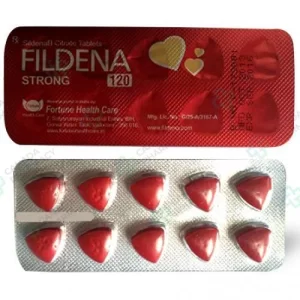
Fildena Strong
Price range: $ 49,00 through $ 213,00
Active substance: Sildenafil Citrate
More Details
This product has multiple variants. The options may be chosen on the product page
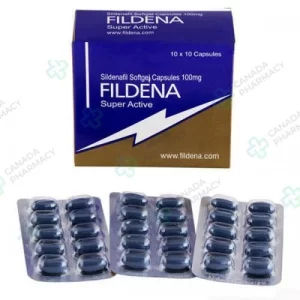
Fildena Super Active
Price range: $ 54,00 through $ 202,00
Active substance: Sildenafil Citrate
More Details
This product has multiple variants. The options may be chosen on the product page
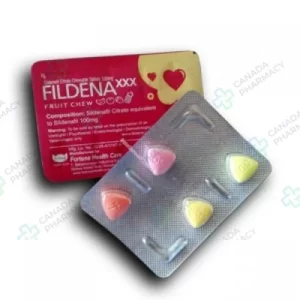
Fildena XXX
Price range: $ 48,00 through $ 137,00
Active substance: Sildenafil Citrate
More Details
This product has multiple variants. The options may be chosen on the product page