

-59%
Isoptin
Price range: $ 35,00 through $ 338,00
Isotroin
Price range: $ 41,00 through $ 513,00
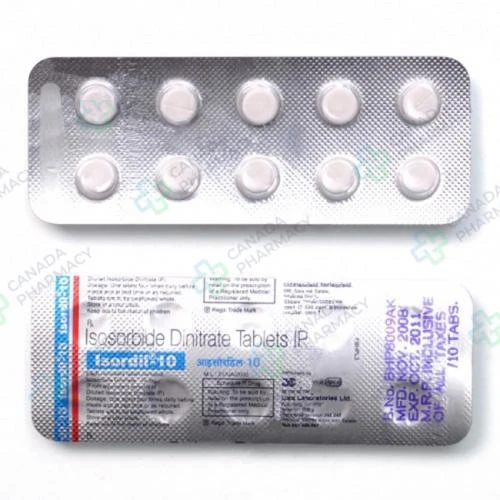
Isordil
Price range: $ 51,00 through $ 151,00
Isordil is an effective nitrate medication used primarily to prevent and manage episodes of angina pectoris. By relaxing and widening blood vessels, this medication facilitates smoother blood flow throughout the cardiovascular system. This process reduces the heart’s workload and ensures that the cardiac muscle receives an adequate supply of oxygen. It is highly reliable for long-term prophylaxis in patients suffering from stable coronary artery disease. Regular use of Isordil helps decrease the frequency and severity of chest pain, supporting an active and comfortable lifestyle.
Active substance: isosorbide dinitrate
Delivery: 5–21 days (depending on the shipping method)
Extra 10% discount with coupon: IT4K6SVM
Each dosage option has its own packaging choices.
Description
Isordil belongs to a group of cardiovascular medicines known as organic nitrates, which act primarily as vascular smooth muscle relaxants. Prescribed under the direction of a physician, this prescription medication is indicated for the prevention and management of angina pectoris resulting from underlying coronary artery disease.
In the United States, Isordil is available only with a valid prescription from a licensed healthcare provider and is dispensed in accordance with federal regulations. Proper administration requires careful adherence to dosing schedules to maintain clinical efficacy while minimizing potential pharmacological tolerance.
| Parameter | Details |
|---|---|
| Drug Name | Isordil |
| Active Ingredient | Isosorbide dinitrate |
| Therapeutic Class | Vasodilator / Organic Nitrate |
| Dosage Form | Oral tablets, sublingual tablets |
| Route of Administration | Oral, Sublingual |
| Prescription Status | Prescription (Rx) only |
How the Drug Works
Isordil exerts its therapeutic action by converting into nitric oxide within vascular smooth muscle tissue. Nitric oxide activates the enzyme soluble guanylate cyclase, leading to increased intracellular concentrations of cyclic guanosine monophosphate (cGMP). Elevated cGMP promotes vascular smooth muscle relaxation and subsequent vasodilation. The primary hemodynamic effect is peripheral venodilation, which decreases venous return to the heart and lowers left ventricular end-diastolic pressure (preload). To a lesser extent, arterial dilation reduces systemic vascular resistance (afterload). Together, these mechanisms decrease myocardial oxygen demand, alleviating ischemic chest pain associated with angina pectoris.
Main Uses
Isordil is FDA-approved for the prevention of angina pectoris caused by underlying coronary artery disease. Depending on the specific formulation, sublingual isosorbide dinitrate is utilized for the rapid relief of acute anginal attacks or acute prophylaxis prior to physical exertion. Oral tablet formulations are administered on a scheduled basis for long-term prophylaxis to reduce the frequency and severity of chest pain episodes. Isordil is not intended for the immediate reversal of an active myocardial infarction. Any off-label applications, such as adjunct therapy in chronic heart failure management, must be explicitly diagnosed and monitored by a qualified cardiology specialist.
Dosing Schedule
Dosage requirements for Isordil vary based on the clinical formulation and individual patient requirements. For oral formulations, therapy typically begins at a lower dose and is titrated upward as needed under medical supervision. To prevent pharmacological nitrate tolerance, regimens generally incorporate an asymmetric daily dosing schedule that allows a nitrate-free interval of 10 to 14 hours every 24 hours. Sublingual formulations are dissolved beneath the tongue at the first sign of an acute anginal attack. Patients should swallow oral tablets whole with water and refrain from altering dosages without direct consultation with their prescribing clinician.
How It’s Absorbed and Eliminated
Following oral administration, isosorbide dinitrate is rapidly absorbed from the gastrointestinal tract, undergoing extensive hepatic first-pass metabolism. The systemic bioavailability of unaltered isosorbide dinitrate following oral ingestion is relatively low (approximately 20% to 25%), whereas sublingual administration bypasses initial liver metabolism, resulting in a faster onset of action within 2 to 5 minutes. The drug is enzymatically cleaved into two active metabolites: isosorbide-2-mononitrate and isosorbide-5-mononitrate. The elimination half-life of parent isosorbide dinitrate is approximately 1 hour, while its active metabolites exhibit longer half-lives ranging from 2 to 5 hours, primarily excreted via the kidneys.
What Not to Combine
Co-administration of Isordil with phosphodiesterase type 5 (PDE-5) inhibitors–such as sildenafil, tadalafil, or vardenafil–is strictly contraindicated due to the risk of severe, life-threatening hypotension and cardiovascular collapse. Soluble guanylate cyclase stimulators, including riociguat, must also be avoided concurrently. Concomitant use with antihypertensive agents, beta-blockers, calcium channel blockers, or peripheral vasodilators can potentiate blood pressure-lowering effects, potentially causing symptomatic orthostasis. Patients must inform their healthcare team of all prescription medications, over-the-counter products, and botanical supplements currently in use prior to initiating treatment with Isordil.
What to Avoid While Taking It
Alcohol consumption during Isordil therapy presents significant physiological risks and should be strictly avoided. Ethanol induces peripheral vasodilation, which additive with isosorbide dinitrate can trigger pronounced arterial hypotension, severe dizziness, or syncope. While food intake does not substantially alter the overall absorption of oral Isordil, taking tablets with meals may slightly delay peak plasma concentration without reducing total bioavailability. Maintaining consistent habits regarding food intake helps ensure predictable therapeutic responses.
Important Precautions
Isordil should be used with extreme caution in patients with severe hypotension, volume depletion, severe anemia, or hypertrophic obstructive cardiomyopathy. Abrupt cessation of prolonged nitrate therapy can precipitate severe rebound angina or hypertensive crisis; dosage reduction must occur gradually under professional medical supervision. Use in pediatric populations has not been established through adequate clinical trials. For elderly patients, initiating therapy at the lower end of the dosing range is recommended due to higher rates of hepatic, renal, or cardiovascular dysfunction. In pregnant or nursing individuals, Isordil is prescribed only when clearly necessary after evaluating benefit-to-risk profiles.
Adverse Reactions
Headache is the most frequent adverse reaction reported with Isordil treatment, resulting from cranial vasodilation; this effect often diminishes over time with continued therapy. Additional documented adverse effects include orthostatic hypotension, lightheadedness, dizziness, facial flushing, weakness, and reflex tachycardia. Less commonly, patients may experience nausea, vomiting, syncope, or localized cutaneous rashes. Severe hypotension may occasionally manifest with paradoxically increased angina pectoris symptoms. Patients experiencing persistent or intolerable adverse reactions should contact their prescribing clinician promptly for clinical evaluation.
Red Flags
Immediate emergency medical attention is required if signs of severe systemic toxicity or hypersensitivity develop during Isordil treatment. Critical warning signs include extreme hypotension, unexplained syncope, severe bradycardia, or worsening chest pain unresponsive to acute sublingual doses. Furthermore, signs of methemoglobinemia–such as cyanosis (bluish coloration of the skin or lips), persistent headache, fatigue, or shortness of breath–warrant immediate evaluation in an emergency facility. Anaphylactic reactions characterized by facial swelling, hives, or breathing difficulty also demand emergency intervention.
If You Skip a Dose
If a scheduled dose of oral Isordil is missed, it should be taken as soon as remembered, provided the next scheduled dose is not imminent. If the time is close to the subsequent dose, the missed dose should be skipped entirely, maintaining the regular dosing pattern. Patients must never double the dose or take extra medicine to compensate for a missed administration. Preserving the mandated nitrate-free interval is critical to prevent the development of drug tolerance and maintain long-term therapeutic effectiveness.
Storage and Expiration
Isordil formulations should be stored at controlled room temperature, typically between 20°C to 25°C (68°F to 77°F), away from excessive heat, direct moisture, and light exposure. Sublingual and oral tablets must be maintained in their original, tightly closed containers to protect the chemical integrity of the active ingredient. Keep all medications out of reach of children and pets. Properly discard any expired or unused medication in compliance with local environmental guidelines or through authorized pharmacy take-back programs.
Common Questions
Is it safe to drive after taking Isordil?
Isordil can cause dizziness, lightheadedness, and orthostatic hypotension, especially when initiating treatment or adjusting the dosage. Patients should refrain from operating motor vehicles or operating dangerous machinery until they understand how the medication individually affects their alertness and hemodynamic stability.
What happens if an anginal attack occurs despite taking prophylactic Isordil?
Prophylactic oral Isordil is intended to lower the frequency of chest pain episodes, not to provide immediate relief during an acute crisis. If acute angina occurs, patients should utilize their prescribed fast-acting sublingual nitrate therapy as directed by their physician and seek immediate emergency care if symptoms persist.
Why is a nitrate-free interval necessary during daily dosing?
Continuous 24-hour exposure to organic nitrates causes vascular smooth muscle to develop tolerance, rapidly reducing the medication’s therapeutic effectiveness. Incorporating a daily 10- to 14-hour nitrate-free gap restores vascular sensitivity and preserves clinical benefit over long-term use.
Can Isordil be stopped suddenly if chest pain symptoms improve?
Sudden discontinuation of long-term nitrate therapy can induce rebound angina, severe vasospasm, or worsening cardiac ischemia. Tapering the dose gradually under direct medical direction is necessary to prevent withdrawal complications.
Is alcohol completely off-limits while taking this medication?
Yes, concurrent alcohol consumption creates an additive vasodilatory effect that can cause severe hypotension, fainting, and orthostatic collapse. Complete avoidance of alcohol is strongly advised while undergoing therapy with Isordil.
In accordance with FDA requirements.
This text is for informational purposes only and does not constitute individual medical advice.
Additional information
| Dosage |
5mg ,10mg |
|---|---|
| Package |
60 pills ,90 pills ,120 pills ,180 pills ,270 pills ,360 pills |
| Ενεργός Ουσία |
Related products
Arjuna
Price range: $ 63,00 through $ 72,00
Active substance: Arjuna (Terminalia arjuna) bark extract
More Details
This product has multiple variants. The options may be chosen on the product page
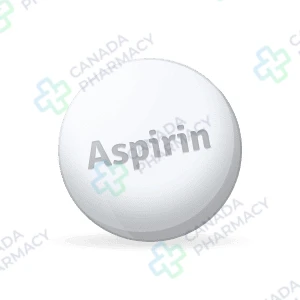
Aspirin
Price range: $ 8,00 through $ 118,00
Active substance: Acetylsalicylic acid
More Details
This product has multiple variants. The options may be chosen on the product page
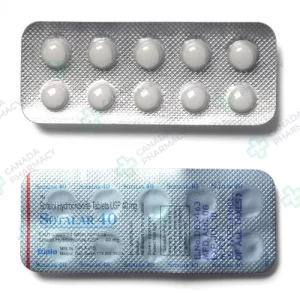
Betapace
Price range: $ 9,00 through $ 260,00
Active substance: Sotalol
More Details
This product has multiple variants. The options may be chosen on the product page
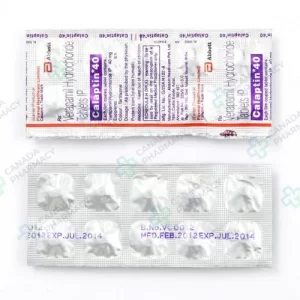
Calan
Price range: $ 46,00 through $ 242,00
Active substance: Verapamil
More Details
This product has multiple variants. The options may be chosen on the product page
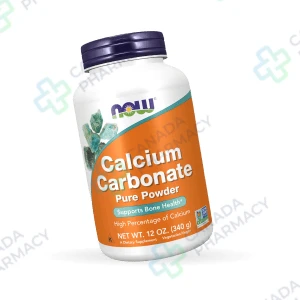
Calcium Carbonate
Price range: $ 41,00 through $ 535,00
Active substance: Calcium Carbonate
More Details
This product has multiple variants. The options may be chosen on the product page
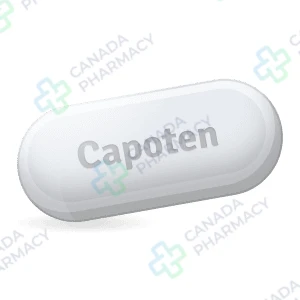
Capoten
Price range: $ 42,00 through $ 323,00
Active substance: Captopril
More Details
This product has multiple variants. The options may be chosen on the product page
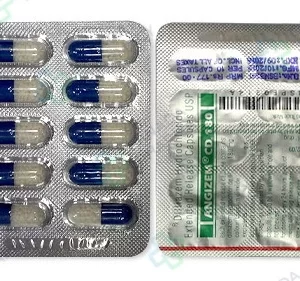
Cardizem
Price range: $ 24,00 through $ 389,00
Active substance: Diltiazem
More Details
This product has multiple variants. The options may be chosen on the product page
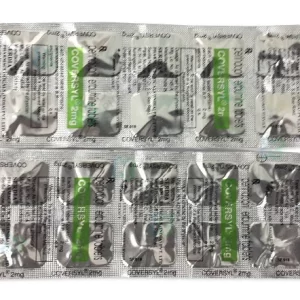
Coversyl
Price range: $ 40,00 through $ 540,00
Active substance: perindopril arginine
More Details
This product has multiple variants. The options may be chosen on the product page