

-52%
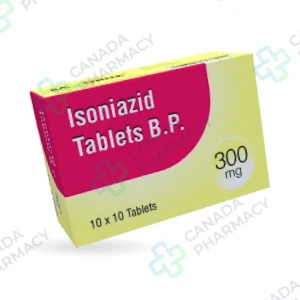
Isoniazid
Price range: $ 45,00 through $ 444,00
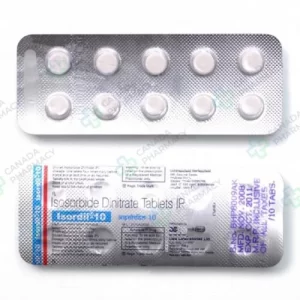
Isordil
Price range: $ 51,00 through $ 151,00
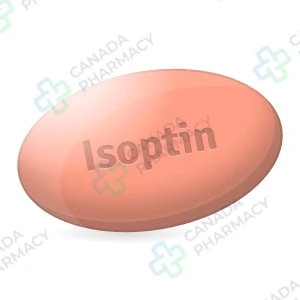
Isoptin
Price range: $ 35,00 through $ 338,00
Isoptin is a highly effective calcium channel blocker used primarily to manage various cardiovascular conditions. It works by relaxing the muscles of the heart and blood vessels, which improves blood flow and reduces the workload on the cardiovascular system. This medication is widely used to treat high blood pressure, helping to prevent long-term complications such as strokes and heart attacks. Isoptin is also frequently prescribed to manage chronic stable angina, effectively reducing the frequency and severity of chest pain. Additionally, it helps control certain heart rhythm disorders by regulating electrical activity to maintain a steady and healthy heartbeat.
Active substance: Verapamil
Delivery: 5–21 days (depending on the shipping method)
Extra 10% discount with coupon: IT4K6SVM
Each dosage option has its own packaging choices.
Description
Isoptin – Information for Patients and Caregivers
Isoptin belongs to a class of medications known as non-dihydropyridine calcium channel blockers. It is prescribed by licensed healthcare providers to treat high blood pressure, manage chest pain known as angina, and control certain heart rate disorders. As a prescription-only pharmaceutical in the United States, its administration requires precise individual dosage alignment and ongoing medical monitoring.
| Drug name | Isoptin |
| Active ingredient | Verapamil hydrochloride |
| Prescription status | Prescription (Rx) only |
| Dosage form | Oral tablet |
| Route of administration | Oral |
| Primary purpose | Management of hypertension, angina pectoris, and cardiac arrhythmias |
| Storage | Controlled room temperature (68°F to 77°F / 20°C to 25°C) |
How the drug works
The active substance in Isoptin, verapamil hydrochloride, acts by inhibiting the influx of extracellular calcium ions across the cellular membranes of cardiac muscle and vascular smooth muscle tissue. By selectively blocking these L-type calcium channels, the medication promotes relaxation of the coronary vascular smooth muscle and peripheral arterial beds, which leads to reduced systemic vascular resistance. In cardiac tissue, verapamil specifically slows electrical conduction through the atrioventricular (AV) node. This pharmacological action effectively slows the ventricular rate in atrial arrhythmias and reduces overall myocardial contractility and oxygen consumption during exertional states.
Main uses
Isoptin is indicated for the treatment of essential hypertension to assist in lowering elevated arterial blood pressure. Systemic blood pressure reduction decreases the risk of secondary cardiovascular events, including stroke and myocardial infarction. Additionally, it is indicated for the management of angina pectoris, including vasospastic (Prinzmetal’s) angina, unstable angina, and chronic stable angina. The medication is also prescribed to control ventricular rate in patients with chronic atrial fibrillation or atrial flutter, as well as for the prophylaxis and acute treatment of recurrent paroxysmal supraventricular tachycardia.
What happens in the body
Following oral administration, more than 90% of verapamil is rapidly absorbed from the gastrointestinal tract. However, due to extensive hepatic first-pass metabolism, systemic bioavailability ranges between 20% and 35% after a single dose. Peak plasma concentrations are typically achieved within 1 to 2 hours following oral ingestion of immediate-release formulations. Verapamil is bound to plasma proteins at approximately 90% and undergoes substantial metabolic degradation in the liver, primarily mediated by CYP3A4, CYP1A2, and CYP2C enzyme pathways. Its principal active metabolite, norverapamil, possesses roughly 20% of the cardiovascular activity of the parent compound. Elimination occurs predominantly via the renal system, with approximately 70% excreted in urine and 16% in feces. The elimination half-life ranges from 2.8 to 7.4 hours after a single oral dose, though it may extend during repeated daily administration or in patients with impaired hepatic function.
Dosing schedule
Dosing regimens for Isoptin must be individually titrated by a healthcare provider based on clinical response and therapeutic tolerance. The medication is administered orally and is typically swallowed whole with water. Prescribing clinicians generally initiate treatment at lower daily doses, adjusting the schedule at defined intervals to establish blood pressure control or cardiac rhythm stabilization. Dosage requirements vary substantially depending on the specific diagnosis, such as hypertension, effort angina, or supraventricular arrhythmias. Patients must adhere strictly to the schedule established by their provider and avoid altering the daily dose or stopping treatment without explicit medical direction.
Compatibility with other medicines
Verapamil displays significant potential for drug-drug interactions due to its metabolic pathway and cardiac conduction effects. Concomitant administration with beta-adrenergic blocking agents (such as metoprolol, atenolol, or propranolol) increases the risk of marked bradycardia, atrioventricular block, and heart failure due to additive negative inotropic and dromotropic actions. Concurrent use with digoxin can elevate serum digoxin concentration by 50% to 70%, requiring therapeutic monitoring to prevent digitalis toxicity. Co-administration with certain HMG-CoA reductase inhibitors (statins like simvastatin or lovastatin) may lead to elevated statin plasma levels and an increased risk of myopathy or rhabdomyolysis. In addition, strong CYP3A4 inhibitors or inducers can substantially alter plasma verapamil concentrations.
Adverse reactions
Therapy with Isoptin may cause adverse reactions across several organ systems. Gastrointestinal distress, particularly severe or persistent constipation, is among the most frequently documented adverse events resulting from intestinal smooth muscle relaxation. Central nervous system reactions include dizziness, lightheadedness, and headache, often secondary to vasodilatory changes. Cardiovascular side effects include low blood pressure (hypotension), unusually slow heart rate (bradycardia), peripheral edema (swelling of the lower extremities), and second- or third-degree AV block. Nausea, fatigue, dyspnea, and skin rash may also occur during treatment.
What to avoid while taking it
Certain dietary substances interfere directly with the pharmacokinetic profile of verapamil. Grapefruit juice inhibits CYP3A4 intestinal enzymes, which can significantly elevate plasma concentrations of the drug and increase the incidence of adverse effects. Alcohol consumption while taking Isoptin requires caution; verapamil inhibits the metabolic clearance of ethanol, leading to elevated and prolonged blood alcohol levels. Patients should consult their healthcare provider regarding specific dietary adjustments and alcohol avoidance during therapy.
If you skip a dose
If a dose of Isoptin is missed, it should be taken as soon as remembered on the same day. However, if it is almost time for the next scheduled dose, the missed dose should be skipped entirely, and the normal dosing schedule resumed. Patients must not take two doses at the same time to compensate for a skipped tablet, as doubling the dose increases the risk of acute hypotension and severe bradycardia.
Important precautions
Isoptin is contraindicated in patients with severe left ventricular dysfunction, pronounced hypotension, sick sinus syndrome (except in the presence of a functioning artificial pacemaker), second- or third-degree AV block, and severe heart failure. Patients with impaired liver function require lower initial doses and careful titration due to reduced clearance of the drug. Elderly individuals may display increased sensitivity to the hypotensive and heart-rate-slowing effects. The use of verapamil during pregnancy or lactation requires a comprehensive evaluation of maternal benefits versus fetal or neonatal risks by the treating physician.
Storage and expiration
Isoptin tablets should be stored at controlled room temperature between 68°F and 77°F (20°C to 25°C), away from excessive heat, light, and moisture. Keep the container tightly closed and out of reach of children and pets. Expired medication must not be ingested and should be disposed of in accordance with local drug take-back programs or FDA disposal guidelines.
Red flags
Immediate emergency medical evaluation is necessary if signs of a severe adverse event occur. Patients should seek prompt emergency care if they experience any of the following clinical signs:
- Signs of a severe allergic reaction, including swelling of the face, lips, tongue, or throat
- Difficulty breathing, sudden shortness of breath, or wheezing
- Severe dizziness, lightheadedness, or sudden fainting (syncope)
- Unusually slow, irregular, or faint pulse
- New or worsening chest pain or pressure
- Rapid, unexplained weight gain accompanied by severe swelling in the feet, ankles, or lower legs
Common questions
Does Isoptin commonly cause constipation?
Yes, constipation is one of the most frequently reported adverse effects of verapamil. It occurs because the drug relaxes smooth muscle tissue in the gastrointestinal tract, slowing intestinal motility. Patients experiencing bowel changes should discuss dietary fluid, fiber, or medical management options with their provider.
Why is grapefruit juice restricted during treatment with Isoptin?
Grapefruit juice contains compounds that inhibit the CYP3A4 enzyme responsible for breaking down verapamil in the digestive tract. This inhibition can lead to increased concentrations of the drug in the bloodstream, raising the risk of excessive blood pressure drops and cardiac rate disturbances.
Can Isoptin therapy be stopped suddenly?
Abrupt cessation of Isoptin can lead to a rapid rebound in blood pressure or an exacerbation of angina symptoms. Any dose modification or treatment discontinuation must be managed directly by a prescribing physician, who may recommend a gradual tapering process.
How does Isoptin interact with other blood pressure drugs?
When combined with other antihypertensive agents or heart rate regulators like beta-blockers, Isoptin can produce additive effects, leading to pronounced hypotension or marked slowing of the heart rate. Blood pressure and heart rate monitoring are required when multi-drug cardiovascular regimens are used.
In accordance with FDA requirements for prescription pharmaceuticals.
Information on this page is for reference and does not replace an assessment by a licensed healthcare professional.
Additional information
| Dosage |
40mg ,80 mg ,120mg ,240mg |
|---|---|
| Package |
30 pills ,60 pills ,90 pills ,120 pills ,180 pills ,270 pills ,360 pills |
| Ενεργός Ουσία |
Related products
Arjuna
Price range: $ 63,00 through $ 72,00
Active substance: Arjuna (Terminalia arjuna) bark extract
More Details
This product has multiple variants. The options may be chosen on the product page
Benicar
Price range: $ 42,00 through $ 478,00
Active substance: Olmesartan
More Details
This product has multiple variants. The options may be chosen on the product page
Cardizem
Price range: $ 24,00 through $ 389,00
Active substance: Diltiazem
More Details
This product has multiple variants. The options may be chosen on the product page
Coreg
Price range: $ 41,00 through $ 651,00
Active substance: Carvedilol
More Details
This product has multiple variants. The options may be chosen on the product page
Digoxin
Price range: $ 48,00 through $ 152,00
Active substance: digoxin
More Details
This product has multiple variants. The options may be chosen on the product page
Diltiazem HCL
Price range: $ 52,00 through $ 393,00
Active substance: Diltiazem
More Details
This product has multiple variants. The options may be chosen on the product page
Dipyridamole
Price range: $ 43,00 through $ 257,00
Active substance: Dipyridamole
More Details
This product has multiple variants. The options may be chosen on the product page
Doxazosin
Price range: $ 42,00 through $ 332,00
Active substance: Doxazosin
More Details
This product has multiple variants. The options may be chosen on the product page