

-44%
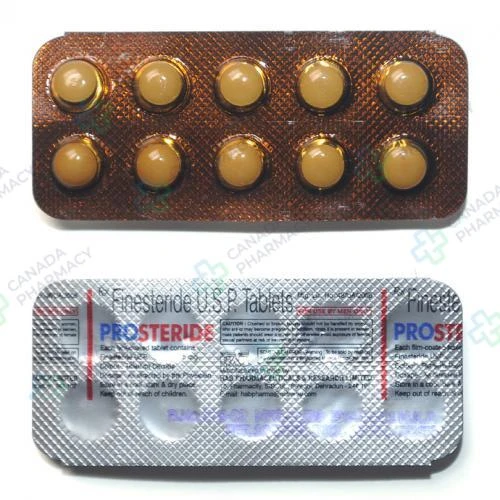
Proscalpin
Price range: $ 121,00 through $ 430,00
Proscare
Price range: $ 46,00 through $ 205,00
Proscar
Price range: $ 55,00 through $ 369,00
Proscar is an effective medication specifically designed to treat symptoms associated with benign prostatic hyperplasia (BPH), or an enlarged prostate. It works by decreasing the levels of a hormone that causes the prostate gland to grow, leading to a gradual reduction in its size. This treatment helps improve urinary flow and provides relief from common issues such as a weak stream or the frequent urge to urinate. By effectively managing the condition, Proscar helps lower the risk of sudden urinary blockage. Consistent use also reduces the potential need for future surgery related to prostate enlargement.
Active substance: Finasteride
Delivery: 5–21 days (depending on the shipping method)
Extra 10% discount with coupon: IT4K6SVM
Each dosage option has its own packaging choices.
Description
Proscar belongs to a group of medicines known as 5-alpha reductase inhibitors. It contains finasteride as its active drug substance and is formulated to lower specific hormone levels in the body. In the United States, this medication is available strictly as a prescription (Rx) drug dispensed in accordance with federal and state regulations.
This reference overview outlines essential clinical characteristics, pharmacokinetic properties, administration guidelines, and safety profile details necessary for informed therapeutic use.
| Drug name | Proscar |
| Active ingredient | Finasteride |
| Therapeutic class | 5-alpha reductase inhibitor |
| Dosage form | Film-coated tablet |
| Route of administration | Oral |
| Prescription status | Prescription only (Rx) |
Clinical Overview and Pharmacologic Characteristics
What it’s used for
Proscar is indicated for the treatment of symptomatic benign prostatic hyperplasia (BPH) in adult men with an enlarged prostate gland. The medication is prescribed to alleviate lower urinary tract symptoms, improve urinary flow rates, and slow down the clinical progression of BPH. Additionally, long-term administration of Proscar is indicated to reduce the overall risk of acute urinary retention–a sudden inability to pass urine–and to decrease the likelihood of requiring surgical intervention, such as transurethral resection of the prostate (TURP) or prostatectomy. It is frequently prescribed as monotherapy or in combination with an alpha-blocker to manage progressive BPH symptoms effectively.
How the drug works
The mechanism of action of Proscar centers on the competitive inhibition of Type II 5-alpha reductase, an intracellular enzyme responsible for converting testosterone into 5-alpha-dihydrotestosterone (DHT). Dihydrotestosterone is the primary androgenic hormone driving prostate tissue proliferation and glandular enlargement. By selectively binding to Type II 5-alpha reductase, finasteride causes a rapid decrease in serum and intraprostatic DHT levels, reducing serum concentrations by approximately 70% within 24 hours of administration. This suppression of androgenic activity reduces prostate size and relieves urinary obstruction over time.
What happens in the body
Following oral administration of a 5 mg dose, finasteride exhibits rapid systemic absorption, achieving mean peak plasma concentrations within 1 to 2 hours. The oral bioavailability of finasteride averages approximately 63% and is not significantly affected by food co-administration. Circulating finasteride is extensively bound to plasma proteins, with protein binding recorded at approximately 90%. The drug distributes into body tissues and crosses the blood-brain barrier in minimal amounts, with small quantities detected in seminal fluid.
Finasteride undergoes extensive hepatic metabolism primarily via the cytochrome P450 3A4 enzyme pathway, forming two major inactive metabolites. The elimination half-life of finasteride in adult men averages 6 hours, though it may extend to 8 hours in elderly individuals over 70 years of age. Elimination occurs through dual pathways: approximately 39% of the metabolically transformed dose is excreted via urine, while 57% is eliminated through feces. Systemic clearance does not require dosage modification in patients with renal impairment.
Administration, Safety, and Precautions
Dosing schedule
The recommended standard clinical dosage of Proscar for adult males is one 5 mg tablet administered orally once daily. The tablet should be swallowed whole and may be taken with or without food, as food intake does not alter systemic absorption. Consistency in daily administration helps maintain stable systemic concentrations of the drug.
Patients should adhere strictly to the schedule prescribed by their healthcare provider. Dosage adjustments are not necessary for elderly individuals or patients presenting with varying degrees of renal insufficiency. Because therapeutic response develops over extended periods, continuous daily administration for at least six months is typically required to adequately evaluate clinical efficacy and achieve significant prostate volume reduction.
First days of treatment
Initiating therapy with Proscar does not produce immediate symptom relief. During the initial days and weeks of treatment, patients will generally not experience a perceptible change in urinary flow rate or frequency. Biological suppression of dihydrotestosterone begins within 24 hours of the first dose, but structural regression of prostate tissue is a gradual anatomical process. Patients should continue taking the medication consistently as directed, understanding that therapeutic response accumulates over months rather than days.
Signs of improvement
Evaluation of treatment response relies on objective and subjective measures assessed over several months. Noticeable clinical improvements typically manifest after 3 to 6 months of continuous therapy. Key indicators that the medication is effective include reduced nighttime urinary frequency (nocturia), diminished hesitation when starting urination, a stronger urinary stream, and a decreased feeling of incomplete bladder emptying. Physicians may also monitor clinical progress through periodic measurement of prostate-specific antigen (PSA) levels and physical examinations.
Adverse reactions
Clinical studies indicate that Proscar is generally well tolerated, though adverse reactions primarily involving sexual function may occur. The most frequently reported side effects include erectile dysfunction, decreased libido, and ejaculation disorders (such as reduced volume of ejaculate). These events occur in a small percentage of treated men and tend to decrease in incidence with continued long-term therapy. Less common reactions include breast tenderness, enlargement (gynecomastia), testicular pain, and hypersensitivity reactions such as rash or swelling of the lips and face. Post-marketing surveillance has identified rare reports of persistent sexual dysfunction, mood changes, and depressed mood after treatment cessation. Patients experiencing severe hypersensitivity or persistent side effects should consult their physician promptly.
Important precautions
Proscar carries specific warnings regarding prostate-specific antigen (PSA) monitoring and potential risk of high-grade prostate cancer. Treatment with finasteride reduces serum PSA levels by approximately 50% in patients with BPH, even in the presence of prostate cancer. Healthcare providers must establish a new baseline PSA level after 6 months of therapy and double the PSA result when interpreting laboratory values to screen for prostate cancer. Any sustained increase in PSA levels during treatment warrants careful clinical evaluation.
Special populations
Proscar is strictly contraindicated in women, pediatric patients, and pregnant individuals. Finasteride is classified as teratogenic; exposure of a male fetus to finasteride during pregnancy can cause developmental abnormalities of the external genitalia. Pregnant women or women of childbearing potential must not handle crushed or broken Proscar tablets due to potential transdermal absorption of the active substance. Proscar tablets are film-coated to prevent contact with the active component during normal handling, provided the tablets remain intact. The drug is not indicated for pediatric use or for use in female patients under any clinical condition.
Compatibility with other medicines
Clinical drug interaction studies have evaluated finasteride with numerous agents, demonstrating a low potential for clinically significant pharmacokinetic interactions. Finasteride does not significantly alter the pharmacokinetics or clearance of drugs metabolized by the cytochrome P450 hepatic system, such as warfarin, theophylline, digoxin, propranolol, or antipyrine. Concomitant administration with alpha-adrenergic blockers, particularly doxazosin, has been studied extensively and shown no adverse pharmacokinetic interactions. Although specific inhibitors or inducers of CYP3A4 may alter finasteride plasma concentrations, no dosage adjustments are officially mandated for standard concomitant therapies.
Storage and expiration
Proscar tablets should be stored at controlled room temperature between 15°C and 30°C (59°F to 86°F). The medication must be kept in a tightly closed container, protected from light, moisture, and excessive heat. Keep the medication in its original packaging until administration. Discard any unused or expired tablets according to local environmental regulations, and ensure the drug is kept out of reach of children and pets.
Common questions
How long does it take for Proscar to show significant clinical results?
Clinical improvement in urinary symptoms varies among individuals. While serum DHT levels decrease within 24 hours of starting therapy, structural prostate volume reduction requires prolonged exposure. Patients typically observe noticeable symptom relief after 3 to 6 months of daily administration, with maximum efficacy often assessed at 12 months.
What should a patient do if a daily dose of Proscar is missed?
If a dose is missed, it should be taken as soon as remembered on the same day. However, if it is nearly time for the next scheduled dose, the missed tablet should be skipped, and the regular schedule resumed. Patients must not double the dose to compensate for a missed tablet.
Does Proscar interfere with routine blood tests for prostate health?
Yes, Proscar significantly affects serum prostate-specific antigen (PSA) levels. Continuous therapy reduces baseline PSA values by approximately 50%. Physicians factor this predictable decrease into clinical calculations when interpreting PSA laboratory results for prostate cancer screening.
Can women handle Proscar tablets safely?
Intact, film-coated Proscar tablets can be handled safely under normal circumstances. However, women who are pregnant or may become pregnant must strictly avoid handling crushed or broken tablets due to the risk of cutaneous absorption of finasteride, which poses potential developmental hazards to a male fetus.
Is it necessary to adjust the dose in elderly patients or those with kidney disease?
No, pharmacokinetic evaluations demonstrate that the systemic clearance of finasteride is not adversely altered by age or renal dysfunction. Consequently, standard daily dosing of 5 mg remains appropriate for elderly individuals and patients with impaired renal function without requiring regimen modifications.
This text is for informational purposes only and does not constitute individual medical advice.
In accordance with FDA requirements.
Additional information
| Dosage |
1mg ,5mg |
|---|---|
| Package |
30 pills ,60 pills ,90 pills ,120 pills ,180 pills ,270 pills ,360 pills |
| Ενεργός Ουσία |
Related products
Adgain
Price range: $ 32,00 through $ 78,00
More Details
This product has multiple variants. The options may be chosen on the product page
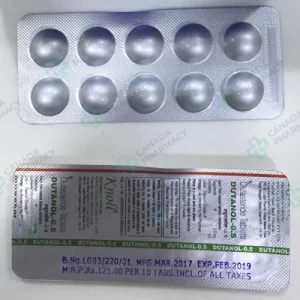
Avodart
Price range: $ 40,00 through $ 556,00
Active substance: Dutasteride
More Details
This product has multiple variants. The options may be chosen on the product page

Biotin VB7
Price range: $ 24,00 through $ 61,00
More Details
This product has multiple variants. The options may be chosen on the product page
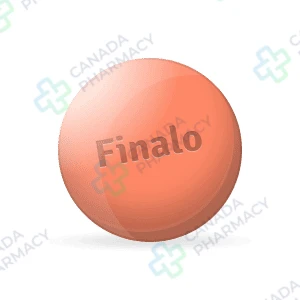
Finalo
Price range: $ 26,00 through $ 52,00
Active substance: Finasteride
More Details
This product has multiple variants. The options may be chosen on the product page
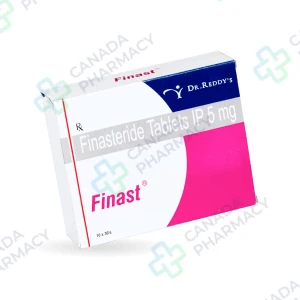
Finast
Price range: $ 78,00 through $ 540,00
Active substance: Finasteride
More Details
This product has multiple variants. The options may be chosen on the product page
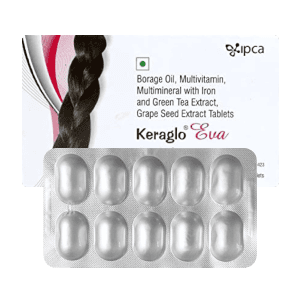
Keraglo Eva
Price range: $ 22,00 through $ 91,00
More Details
This product has multiple variants. The options may be chosen on the product page
Proscalpin
Price range: $ 121,00 through $ 430,00
Active substance: Finasteride
More Details
This product has multiple variants. The options may be chosen on the product page
Proscare
Price range: $ 46,00 through $ 205,00
Active substance: Finasteride
More Details
This product has multiple variants. The options may be chosen on the product page