

-44%
Sinequan
Price range: $ 52,00 through $ 399,00
Skelaxin
Price range: $ 74,00 through $ 417,00
Singulair
Price range: $ 42,00 through $ 502,00
Singulair is a trusted daily medication designed to effectively manage chronic asthma and allergic rhinitis symptoms. By blocking leukotrienes, this treatment helps reduce inflammation in the airways to improve breathing and overall comfort. It is highly effective at relieving common allergy symptoms such as sneezing, nasal congestion, and itchy or runny nose. Additionally, Singulair provides reliable protection against exercise-induced bronchoconstriction to help patients stay active. This versatile formula is available in various strengths to suit the specific needs of both adults and children.
Active substance: Montelukast
Delivery: 5–21 days (depending on the shipping method)
Extra 10% discount with coupon: IT4K6SVM
Each dosage option has its own packaging choices.
Description
Singulair belongs to a class of medications known as leukotriene receptor antagonists, which work by inhibiting specific inflammatory chemicals in the airway. It is prescribed in the United States under applicable federal and state regulations as a prescription-only (Rx) treatment to help manage chronic respiratory conditions and allergic responses.
On one hand, this medication provides an effective non-steroidal option for long-term control of persistent asthma symptoms and seasonal or perennial allergic rhinitis; on the other hand, healthcare providers must carefully consider its safety profile, including serious potential mood and behavioral side effects. Singulair is formulated for daily maintenance control and is not indicated for the rapid relief of acute asthma attacks.
| Attribute | Details |
|---|---|
| Active Ingredient | Montelukast sodium |
| Therapeutic Class | Leukotriene Receptor Antagonist (LTRA) |
| Prescription Status | Prescription only (Rx) |
| Dosage Forms | Film-coated tablets (10 mg), chewable tablets (4 mg, 5 mg), oral granules (4 mg packet) |
| Route of Administration | Oral |
| Primary Purpose | Asthma prophylaxis/chronic treatment, prevention of exercise-induced bronchoconstriction, allergic rhinitis relief |
| Storage Conditions | Store at 20°C to 25°C (68°F to 77°F); protect from light and moisture |
Clinical Overview and Safety Profile
How the drug works
Singulair functions by selectively blocking the cysteinyl leukotriene type-1 ($CysLT_1$) receptor. Cysteinyl leukotrienes ($LTC_4$, $LTD_4$, $LTE_4$) are potent inflammatory eicosanoids released by various cells, including mast cells and eosinophils. In patients with asthma, leukotriene-mediated effects include airway edema, smooth muscle contraction, and altered cellular activity associated with the inflammatory process. In patients with allergic rhinitis, cysteinyl leukotrienes are released from the nasal mucosa after allergen exposure, contributing to nasal congestion, rhinorrhea, and airway resistance. By binding to the $CysLT_1$ receptor with high affinity, montelukast inhibits bronchoconstriction and reduces airway inflammation without demonstrating agonist activity.
Main uses
Singulair is FDA-approved for several distinct clinical indications. It is indicated for the prophylaxis and chronic treatment of asthma in adults and pediatric patients 12 months of age and older. It is also approved for the prevention of exercise-induced bronchoconstriction (EIB) in patients 6 years of age and older. Additionally, Singulair is indicated for the relief of symptoms of seasonal allergic rhinitis in patients 2 years of age and older, and perennial allergic rhinitis in patients 6 months of age and older. Because of the risk of neuropsychiatric events, for allergic rhinitis, guidelines recommend reserving Singulair for patients who have an inadequate response or intolerance to alternative therapies.
Dosing schedule
Dosing depends on the target indication and patient age. For asthma or combined asthma and allergic rhinitis, the recommended dose is taken once daily in the evening to optimize therapeutic coverage during night-time hours when bronchoconstriction often peaks. Adults and adolescents aged 15 years and older typically take one 10 mg film-coated tablet daily. Pediatric patients aged 6 to 14 years receive one 5 mg chewable tablet daily. Children aged 2 to 5 years take one 4 mg chewable tablet or oral granule packet daily, while infants aged 12 to 23 months (for asthma) or 6 to 23 months (for perennial allergic rhinitis) receive one 4 mg oral granule packet daily. For prevention of EIB, a single dose should be ingested at least 2 hours prior to exercise, with no additional doses taken within 24 hours.
What happens in the body
Following oral administration, montelukast is rapidly absorbed. The mean oral bioavailability for the 10 mg film-coated tablet is approximately 64%. Peak plasma concentration ($C_{max}$) is achieved within 3 to 4 hours after administration in fasting adults. For the 5 mg chewable tablet, $C_{max}$ is reached in 2 to 2.5 hours. Montelukast is extensively bound to plasma proteins (greater than 99%). It undergoes substantial hepatic metabolism primarily via cytochrome P450 enzymes CYP3A4, CYP2C8, and CYP2C9. Plasma clearance averages 45 mL/min in healthy adults. Elimination occurs almost exclusively through the biliary system into the feces, with less than 0.2% excreted in urine. The mean plasma elimination half-life ranges from 2.7 to 5.5 hours in healthy young adults.
Adverse reactions
Clinical trial data and post-marketing surveillance indicate that Singulair is generally tolerated, though adverse effects can occur across different organ systems. Commonly reported side effects in adult and pediatric clinical trials include upper respiratory infection, fever, headache, pharyngitis, cough, abdominal pain, diarrhea, and otitis media. Gastrointestinal disturbances such as dyspepsia and nausea are also observed. Hypersensitivity reactions, including anaphylaxis, angioedema, pruritus, and urticaria, have been documented. Patients should monitor for skin changes, muscle cramps, or persistent gastrointestinal distress and inform their prescribing healthcare provider if troublesome symptoms persist.
Important precautions
Singulair carries a FDA Boxed Warning concerning serious neuropsychiatric events. Reported events include agitation, aggressive behavior, anxiety, depression, disorientation, disturbance in attention, dream abnormalities, hallucinations, insomnia, irritability, memory impairment, obsessive-compulsive symptoms, restlessness, somnambulism, suicidal thoughts and behaviors, and tremor. Healthcare providers must evaluate the risks and benefits before initiating treatment and advise patients and caregivers to remain vigilant for changes in mood or behavior. In special populations, Singulair is classified under pregnancy considerations as passing into human milk in limited amounts; caution should be exercised when administered to a nursing woman. No overall differences in safety or effectiveness have been observed between elderly patients and younger adults, though individual sensitivity cannot be ruled out.
Practical Considerations and Guidance
Red flags
Patients and caregivers must seek immediate medical evaluation if specific severe adverse reactions develop. Critical warnings include:
- Severe mental health changes, including sudden depression, severe anxiety, agitation, or thoughts of self-harm or suicide.
- Signs of a severe systemic allergic reaction (anaphylaxis), such as swelling of the face, lips, tongue, or throat, leading to difficulty breathing or swallowing.
- Signs of systemic eosinophilia or vasculitis (Churg-Strauss syndrome), characterized by a combination of worsening pulmonary symptoms, severe numbness or tingling in the extremities, cardiac complications, and a rash.
- Worsening shortness of breath or acute bronchospasm that does not respond to short-acting rescue inhalers.
Compatibility with other medicines
Montelukast is metabolized by CYP3A4 and CYP2C8. Concomitant administration of potent hepatic enzyme inducers, such as phenobarbital, phenytoin, or rifampin, can increase the clearance of montelukast and reduce plasma concentrations by approximately 40%. While dose adjustments are not routinely recommended by the manufacturer, clinical monitoring is advised when these agents are co-administered. Co-administration with gemfibrozil, a potent CYP2C8 inhibitor, can significantly increase systemic exposure to montelukast; caution should be exercised. Singulair does not routinely alter the pharmacokinetics of theophylline, prednisone, oral contraceptives, terfenadine, digoxin, or warfarin.
If you skip a dose
If a routine daily dose of Singulair is missed, the patient should skip the missed dose and resume their regular schedule with the next planned dose. Patients should never double up on doses or take extra medication to make up for a missed administration. Maintaining a consistent daily routine helps sustain adequate leukotriene receptor blockade in bronchial and nasal tissues.
Storage and expiration
Singulair film-coated tablets, chewable tablets, and oral granules should be stored at controlled room temperature between 20°C and 25°C (68°F to 77°F), with excursions permitted between 15°C and 30°C (59°F to 86°F). Protect the medication from moisture and light by keeping it in its original packaging until use. Oral granule packets should not be opened until ready to administer. Discard any unused portion of opened granule packets or any medication that has passed its printed expiration date.
Can Singulair be used to treat an acute asthma attack?
No, Singulair is not indicated for the reversal of acute bronchospasm or status asthmaticus. It is designed for maintenance prevention and daily control of inflammation. Patients experiencing a sudden onset of shortness of breath or wheezing must use an inhaled short-acting beta-agonist (rescue inhaler) as directed by their physician.
Is it necessary to take Singulair with food?
Singulair film-coated and chewable tablets can be taken with or without food. However, for oral granules, the packet can be administered directly into the mouth or mixed with a spoonful of cold or room-temperature soft foods (such as applesauce, ice cream, carrots, or rice). The granules must not be dissolved in liquid prior to administration, although liquids may be taken immediately following consumption.
How quickly does Singulair start working for exercise-induced asthma?
When prescribed for exercise-induced bronchoconstriction (EIB), a single dose of Singulair should be taken at least 2 hours prior to physical activity. Clinical studies demonstrate protection against exercise-induced airway constriction starting around 2 hours post-dose and lasting up to 24 hours. Patients already taking a daily evening dose for asthma should not take an additional dose prior to exercise.
What should caregivers do if a child exhibits unusual behavioral changes while taking Singulair?
Caregivers should monitor pediatric patients closely for changes in mood, sleep disturbances, aggression, or unusual restlessness. If any unexpected behavioral or emotional symptoms occur, the caregiver should contact the prescribing physician immediately to evaluate whether treatment with Singulair should be discontinued.
In accordance with FDA requirements. This material is educational. Only a licensed prescriber can determine whether a medication is appropriate for you.
Additional information
| Dosage |
4mg ,5mg ,10mg |
|---|---|
| Package |
30 pills ,60 pills ,90 pills ,120 pills ,180 pills ,270 pills ,360 pills |
| Ενεργός Ουσία |
Related products
Entocort
Price range: $ 61,00 through $ 628,00
Active substance: Budesonide
More Details
This product has multiple variants. The options may be chosen on the product page
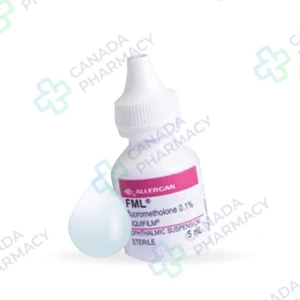
FML Forte
Price range: $ 43,00 through $ 166,00
Active substance: Fluorometholone
More Details
This product has multiple variants. The options may be chosen on the product page
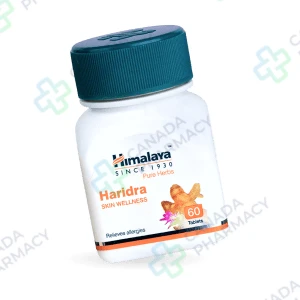
Haridra
$ 48,00
Active substance: Haridra
More Details
This product has multiple variants. The options may be chosen on the product page
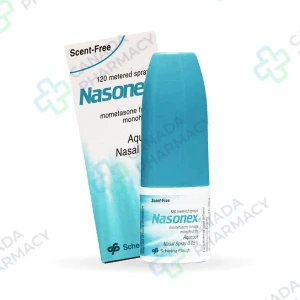
Nasonex nasal spray
Price range: $ 62,00 through $ 276,00
Active substance: Mometasone Furoate Monohydrate
More Details
This product has multiple variants. The options may be chosen on the product page
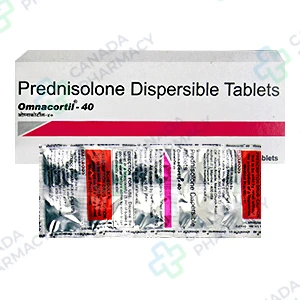
Omnacortil
Price range: $ 51,00 through $ 210,00
Active substance: prednisolone
More Details
This product has multiple variants. The options may be chosen on the product page
Promethazine
Price range: $ 43,00 through $ 228,00
Active substance: Promethazine
More Details
This product has multiple variants. The options may be chosen on the product page
Quibron-T
Price range: $ 43,00 through $ 492,00
Active substance: Theophylline
More Details
This product has multiple variants. The options may be chosen on the product page
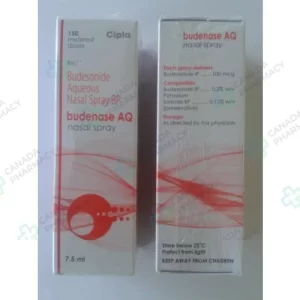
Rhinocort
Price range: $ 42,00 through $ 381,00
Active substance: Budesonide
More Details
This product has multiple variants. The options may be chosen on the product page