

-39%
Lipitor
Price range: $ 41,00 through $ 353,00
Lithium
Price range: $ 16,00 through $ 139,00
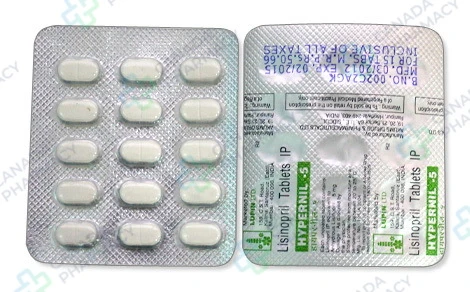
Lisinopril
Price range: $ 44,00 through $ 248,00
Lisinopril is a widely used medication belonging to the class of ACE inhibitors, specifically designed to support cardiovascular health. It is primarily indicated for the treatment of high blood pressure, which helps in preventing future strokes and heart attacks. Additionally, this medication is used to manage heart failure by improving the heart’s ability to pump blood effectively. For patients who have recently suffered a heart attack, Lisinopril is often administered to improve long-term survival and recovery outcomes. By relaxing the blood vessels, it ensures smoother blood flow and reduces the overall workload on the cardiac system.
Active substance: lisinopril
Delivery: 5–21 days (depending on the shipping method)
Extra 10% discount with coupon: IT4K6SVM
Each dosage option has its own packaging choices.
Description
Lisinopril belongs to a class of medications known as angiotensin-converting enzyme (ACE) inhibitors, designed to regulate arterial blood pressure and decrease cardiac workload. As a prescription-only oral medication approved by the US Food and Drug Administration (FDA), it plays a foundational role in managing hypertension, acute myocardial infarction recovery, and heart failure management.
This medication requires careful clinical management and individualized administration based on patient-specific physiological factors. Understanding how Lisinopril acts within the renal and vascular systems helps patients navigate therapy safely while adhering to prescribed monitoring regimens.
| Parameter | Clinical Details |
|---|---|
| Active Ingredient | Lisinopril |
| Therapeutic Class | Angiotensin-Converting Enzyme (ACE) Inhibitors |
| Dosage Form | Oral Tablet |
| Prescription Status | Prescription-Only (Rx) |
| Primary Purpose | Hypertension, Heart Failure, Post-Myocardial Infarction |
| Route of Administration | Oral |
Core Pharmacological and Clinical Information
Mechanism of Action: Lisinopril operates by competitively inhibiting angiotensin-converting enzyme, which prevents the systemic conversion of angiotensin I to angiotensin II, a potent endogenous vasoconstrictor. By reducing circulating levels of angiotensin II, the drug promotes vascular smooth muscle relaxation and decreases peripheral vascular resistance. Additionally, decreasing angiotensin II levels causes a secondary drop in aldosterone secretion, leading to reduced sodium and water retention by the kidneys while sparing potassium. This reduction in preload and afterload decreases cardiac workload and effectively lowers arterial blood pressure. Unlike some other ACE inhibitors, Lisinopril is a lysine analog of enalaprilat and acts directly without requiring hepatic metabolic activation.
Main Uses: Lisinopril is indicated for the treatment of hypertension in adult patients and pediatric patients 6 years of age and older, either as monotherapy or in combination with other classes of antihypertensive agents. Furthermore, Lisinopril is indicated as adjunctive therapy in managing heart failure in patients who fail to achieve adequate responses with digitalis and diuretics. Following acute myocardial infarction, Lisinopril is indicated within 24 hours of symptom onset in hemodynamically stable patients to improve overall survival outcomes. Prescribers may also utilize Lisinopril off-label to slow the progression of diabetic nephropathy, though this application requires distinct clinical supervision and monitoring.
Dosing Schedule: Administration of Lisinopril is oral and typically scheduled once daily at approximately the same time each day. For adult hypertension, the standard initial starting dose is 10 mg once daily in patients not receiving diuretic therapy, titrated gradually based on blood pressure response up to a maximum recommended dose of 40 mg daily. For heart failure, therapy generally begins at a low initial dose of 5 mg once daily under close medical observation to minimize initial hypotensive reactions. In post-myocardial infarction care, an initial dose of 5 mg is administered within 24 hours, followed by 5 mg after 24 hours, and then 10 mg daily thereafter. Dosing regimens must be adjusted for patients with impaired renal function based on calculated creatinine clearance rates.
How It’s Absorbed and Eliminated: Following oral administration, peak serum concentrations of Lisinopril occur approximately 7 hours after ingestion. Gastrointestinal absorption averages approximately 25%, with minimal variability between individual dosing trials. Food intake does not significantly affect the rate or extent of oral absorption, allowing administration with or without meals. Lisinopril does not bind to serum proteins other than circulating ACE enzymes and undergoes no hepatic metabolism. The drug is eliminated entirely unchanged via renal excretion. The effective half-life for accumulation following multiple dosing is approximately 12 hours, though elimination is prolonged in patients with impaired renal function.
Compatibility with Other Medicines: Concurrent administration of Lisinopril with potassium supplements, potassium-sparing diuretics (such as spironolactone, amiloride, or triamterene), or salt substitutes containing potassium increases the risk of severe hyperkalemia. Concomitant use with nonsteroidal anti-inflammatory drugs (NSAIDs), including ibuprofen and naproxen, may attenuate the antihypertensive effect of Lisinopril and increase the risk of acute renal function deterioration. Dual blockade of the renin-angiotensin system using angiotensin receptor blockers (ARBs) or aliskiren increases hypotension and renal toxicity risks. Furthermore, Lisinopril can decrease the renal clearance of lithium, leading to elevated serum lithium concentrations and potential lithium toxicity.
Adverse Reactions: Common side effects associated with Lisinopril include dizziness, headache, excessive fatigue, diarrhea, and a persistent, dry, non-productive cough caused by the pulmonary accumulation of bradykinin. Less common but notable adverse reactions include orthostatic hypotension, lightheadedness, hyperkalemia, and transient elevations in blood urea nitrogen or serum creatinine levels. Rare but severe adverse reactions encompass angioedema (swelling of the face, lips, tongue, or airway), severe hepatic dysfunction, agranulocytosis, and acute renal failure. Patients who experience difficulty breathing, facial swelling, or unexplained severe abdominal pain should seek immediate clinical evaluation.
Red Flags
Certain clinical signs warrant emergency medical evaluation. If swelling of the face, lips, tongue, glottis, or throat occurs, it may indicate life-threatening angioedema requiring immediate airway stabilization. Severe dizziness, fainting (syncope), or marked lightheadedness may indicate acute hypotension. Yellowing of the skin or eyes (jaundice), dark urine, or severe right upper quadrant abdominal pain require urgent diagnostic evaluation for drug-induced hepatic injury.
Important Precautions: Lisinopril carries a boxed warning regarding fetal toxicity; immediate discontinuation is required upon pregnancy detection, as drugs acting on the renin-angiotensin system can cause serious fetal injury or death during the second and third trimesters. Caution is required when prescribing Lisinopril to elderly patients or individuals with bilateral renal artery stenosis, volume depletion, or baseline kidney impairment. Serum potassium levels and renal function testing should be monitored periodically. Use in pediatric patients under 6 years of age or in pediatric patients with a glomerular filtration rate under 30 mL/min/1.73 m² is not recommended.
Practical Patient Guidance and FAQs
What to Avoid While Taking It: While food intake does not alter Lisinopril absorption, high-potassium foods, potassium supplements, and salt substitutes containing potassium should be consumed with caution due to hyperkalemia risks. Alcohol consumption while taking Lisinopril can exacerbate the blood pressure-lowering effect, increasing the likelihood of orthostatic hypotension, dizziness, or lightheadedness when standing up. Adequate hydration is recommended, as severe dehydration, vomiting, or excessive sweating can lead to an unexpected drop in blood pressure.
If You Skip a Dose: If a scheduled dose of Lisinopril is missed, it should be taken as soon as remembered on the same day. However, if it is almost time for the next scheduled dose, the missed dose should be skipped entirely, continuing with the regular dosing schedule. Doubling the dose to compensate for a missed tablet is contraindicated, as this increases the risk of acute hypotension and unexpected adverse side effects.
Storage and Expiration: Lisinopril tablets should be stored at controlled room temperature between 20°C to 25°C (68°F to 77°F), with short excursions permitted between 15°C and 30°C (59°F and 86°F). Protect the medication from moisture, high humidity, heat, and direct sunlight. Maintain the drug in its original, tightly closed container, kept out of the reach of children and pets. Properly discard any tablets that have passed their stated expiration date.
Why does Lisinopril cause a dry cough?
Lisinopril inhibits the enzyme responsible for breaking down bradykinin and substance P in the respiratory tract. The resulting accumulation of bradykinin in the lungs can trigger a persistent, non-productive dry cough in some patients. This side effect is drug-class specific and generally does not respond to standard cough medications. If the cough becomes intolerable, a healthcare provider may evaluate alternative blood pressure therapies.
Can Lisinopril cause elevated potassium levels?
Yes, Lisinopril reduces the production of aldosterone, a hormone that promotes potassium excretion in the kidneys. Lower aldosterone levels can lead to potassium retention, increasing serum potassium concentrations (hyperkalemia). Healthcare providers routinely monitor blood potassium levels via laboratory testing, especially in patients with renal impairment or those taking concurrent medications that affect potassium balance.
How long does it take for Lisinopril to lower blood pressure?
An initial reduction in blood pressure typically begins within 1 hour after ingestion, reaching its maximum antihypertensive effect approximately 6 hours post-dose. However, achieving full therapeutic stability and optimal blood pressure control may require several weeks of continuous daily administration. Patients should maintain consistent dosing even if they feel well, as high blood pressure often presents without noticeable symptoms.
Is it safe to stop taking Lisinopril suddenly? Abruptly discontinuing Lisinopril is not recommended without medical guidance. Stopping the medication suddenly can cause blood pressure levels to rise rapidly, increasing the workload on the heart and blood vessels. Patients needing to stop treatment should consult their prescriber to transition safely to an alternative management plan.
Can Lisinopril be taken with over-the-counter pain relievers? Caution is necessary when using nonprescription pain relievers such as ibuprofen, naproxen, or aspirin alongside Lisinopril. Chronic use of NSAIDs can decrease the effectiveness of Lisinopril in controlling blood pressure and increase the risk of kidney strain or impairment. Acetaminophen is often considered an alternative for minor pain relief, but patients should consult a pharmacist or physician before starting any new medication.
Information on this page is for reference and does not replace an assessment by a licensed healthcare professional. In accordance with FDA requirements.
Additional information
| Dosage |
2.5mg ,5mg ,10mg |
|---|---|
| Package |
60 pills ,90 pills ,120 pills ,180 pills ,270 pills ,360 pills |
| Ενεργός Ουσία |
Related products
Aceon
Price range: $ 51,00 through $ 491,00
Active substance: erbumine, perindopril
More Details
This product has multiple variants. The options may be chosen on the product page
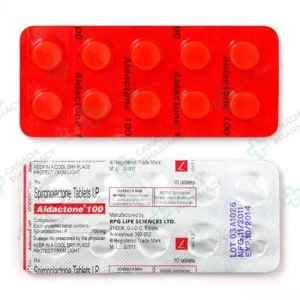
Aldactone
Price range: $ 33,00 through $ 345,00
Active substance: Spironolactone
More Details
This product has multiple variants. The options may be chosen on the product page
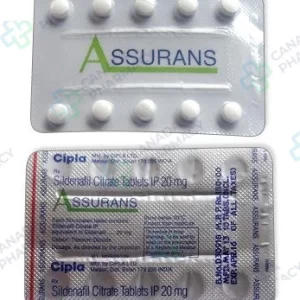
Assurans
Price range: $ 50,00 through $ 70,00
Active substance: Sildenafil Citrate
More Details
This product has multiple variants. The options may be chosen on the product page
Capoten
Price range: $ 42,00 through $ 323,00
Active substance: Captopril
More Details
This product has multiple variants. The options may be chosen on the product page
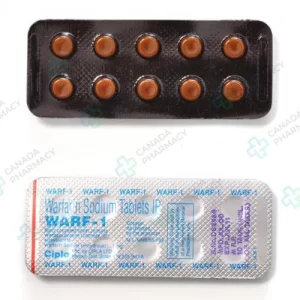
Coumadin
Price range: $ 12,00 through $ 153,00
Active substance: Warfarin
More Details
This product has multiple variants. The options may be chosen on the product page
Digoxin
Price range: $ 48,00 through $ 152,00
Active substance: digoxin
More Details
This product has multiple variants. The options may be chosen on the product page

Ecosprin
Price range: $ 19,00 through $ 57,00
Active substance: aspirin
More Details
This product has multiple variants. The options may be chosen on the product page
Furosemide
Price range: $ 46,00 through $ 193,00
Active substance: furosemide
More Details
This product has multiple variants. The options may be chosen on the product page