

-25%


Proscare
Price range: $ 46,00 through $ 205,00

Protonix
Price range: $ 19,00 through $ 217,00
Prothiaden
Price range: $ 32,00 through $ 131,00
Prothiaden is an effective tricyclic antidepressant specifically designed to help manage the symptoms of major depressive disorder. The medication works by balancing essential chemicals in the brain, such as norepinephrine and serotonin, to improve overall mood and emotional stability. It is primarily indicated for individuals experiencing persistent low spirits, loss of interest, and other symptoms associated with clinical depression. This treatment also helps alleviate feelings of anxiety that often accompany depressive states, promoting better rest and relaxation. By stabilizing neurotransmitter levels in the central nervous system, Prothiaden supports steady recovery and helps restore a sense of well-being.
Active substance: Dosulepin
Delivery: 5–21 days (depending on the shipping method)
Extra 10% discount with coupon: IT4K6SVM
Each dosage option has its own packaging choices.
Description
Prothiaden belongs to a group of medicines called tricyclic antidepressants (TCAs), containing the active substance dosulepin (also known as dothiepin). It acts primarily on central neurotransmitters to help manage mood and emotional stability in adults. In jurisdictions where it is authorized, the medication is dispensed in accordance with applicable federal and state regulations under medical prescription.
This reference guide provides an evidence-based overview of how Prothiaden functions, its clinical considerations, potential adverse events, and safety precautions. Understanding the pharmacologic profile of tricyclic agents is essential for safe administration and optimal therapeutic monitoring.
| Parameter | Details |
|---|---|
| Active ingredient (INN) | Dosulepin hydrochloride (Dothiepin) |
| Therapeutic class | Tricyclic antidepressant (TCA) |
| Dosage form | Oral capsules / film-coated tablets |
| Route of administration | Oral |
| Prescription status | Dispensed in accordance with applicable federal and state regulations |
| Primary purpose | Management of depressive disorders |
Clinical Overview and Pharmacologic Profile
Main uses
Prothiaden is primarily indicated for the treatment of major depressive episodes and associated anxiety symptoms in adults. Tricyclic antidepressants like dosulepin help alleviate persistent low mood, loss of interest, sleep disturbances, and emotional distress associated with clinical depression. In certain clinical settings outside the United States, dosulepin has also been evaluated for off-label indications such as chronic neuropathic pain management or fibromyalgia prevention. Any off-label application requires strict clinical oversight, individual risk evaluation, and ongoing monitoring due to the potential toxicity profile associated with tricyclic compounds.
How the drug works
Dosulepin operates as a potent inhibitor of presynaptic reuptake of norepinephrine and serotonin (5-HT) within the central nervous system. By blocking these reuptake transporters, Prothiaden increases the concentration of active monoamine neurotransmitters in the synaptic cleft, thereby enhancing central neuro-transmission and normalizing mood regulation over time. In addition to its primary reuptake inhibition, dosulepin exhibits pronounced central and peripheral anticholinergic (antimuscarinic), antihistaminic (H1-receptor blockade), and alpha-1 adrenergic receptor antagonist actions. These secondary receptor interactions contribute to both its sedative properties and its characteristic side effect profile.
How it’s absorbed and eliminated
Following oral administration, dosulepin is rapidly absorbed from the gastrointestinal tract. It undergoes extensive first-pass hepatic metabolism, converting primarily into its active metabolite, desmethyldosulepin (nordothiepin), as well as dosulepin sulfoxide. The drug binds extensively to plasma proteins (approximately 84% to 90%) and displays wide tissue distribution throughout the body. The elimination half-life of parent dosulepin is approximately 14 to 24 hours, whereas its active metabolite desmethyldosulepin exhibits an extended half-life ranging up to 30 to 46 hours. Excretion occurs predominantly via the renal system as water-soluble urinary metabolites, with a small percentage eliminated through the feces.
Dosing schedule
The dosage of Prothiaden is determined individually by a licensed healthcare provider based on the patient’s clinical diagnosis, age, renal function, and therapeutic response. Treatment typically begins at a lower initial daily dose to assess tolerance, often administered in divided doses or as a single evening dose due to its marked sedative effects. The dose may then be gradually titrated upward according to clinical guidance. Tablets or capsules should be swallowed whole with a glass of water. Patients must not alter their prescribed dose or stop treatment abruptly, as sudden withdrawal can trigger cholinergic rebound symptoms including nausea, headache, dizziness, insomnia, and anxiety.
Patient Safety and Administration Guidelines
Important precautions
Antidepressant medications, including tricyclic compounds, carry specific warnings regarding an increased risk of suicidal thoughts and behaviors in children, adolescents, and young adults during the initial stages of treatment. Prothiaden requires extreme caution in patients with pre-existing cardiovascular disease, a history of cardiac arrhythmias, ischemic heart disease, or recent myocardial infarction. It is similarly contraindicated or restricted in patients with narrow-angle glaucoma, urinary retention, severe hepatic dysfunction, or a history of epilepsy. Elderly individuals are particularly susceptible to orthostatic hypotension, confusion, and anticholinergic adverse effects; therefore, reduced initial dosing is recommended. Use during pregnancy or lactation requires a comprehensive risk-benefit assessment by a physician.
Adverse reactions
Side effects resulting from Prothiaden treatment are often linked to its pharmacological actions on muscarinic, histaminergic, and adrenergic receptors. Frequently reported adverse events include dry mouth, somnolence, sedation, constipation, blurred vision, urinary hesitation, weight gain, and increased sweating. Neurological reactions may encompass tremors, headache, dizziness, and mild confusion. Cardiovascular effects include orthostatic hypotension, sinus tachycardia, and ECG alterations such as prolongation of PR and QTc intervals. Patients experiencing persistent or bothersome reactions should consult their healthcare provider for evaluation.
Compatibility with other medicines
Prothiaden displays potential for significant drug-drug interactions. Concurrent administration with monoamine oxidase inhibitors (MAOIs) is strictly contraindicated due to the severe risk of hyperpyretic crises, severe hypertension, and serotonin toxicity; a washout period of at least 14 days is necessary when transitioning between these agents. Concomitant use with other central nervous system depressants, including sedatives, hypnotics, tranquilizers, or opioids, intensifies central depression and respiratory impairment. Co-administration with anticholinergic drugs increases the likelihood of severe dry mouth, paralytic ileus, or urinary retention. Drugs that prolong the QT interval or alter cardiac conduction escalate the risk of dangerous ventricular arrhythmias.
Food and alcohol interactions
Alcohol consumption must be strictly avoided during treatment with Prothiaden. Alcohol potentiates the sedative and central nervous system depressant effects of dosulepin, leading to severe impairment of cognitive function, motor coordination, alertness, and judgment. Food intake does not clinically alter the overall absorption rate or bioavailability of oral dosulepin; therefore, the medication may be taken with or without meals. Taking the dose with food or milk may help minimize mild gastrointestinal discomfort if present.
If you skip a dose
If a dose of Prothiaden is missed, it should be taken as soon as remembered, provided it is not close to the scheduled time for the next dose. If the next scheduled dose is near, the missed dose should be skipped, and the regular dosing schedule resumed. Patients should never double the dose or take extra medication to compensate for a missed capsule or tablet. If the entire daily dose is taken at bedtime and forgotten overnight, the patient should not take a double dose in the morning, as this can cause marked daytime drowsiness and impaired motor function.
Red flags
Emergency medical assistance must be sought immediately if any signs of acute overdose, severe toxicity, or allergic hypersensitivity occur. Critical warning signs include:
- Chest pain, rapid or irregular heartbeat (arrhythmias), or severe palpitations.
- Severe dizziness, fainting (syncope), low blood pressure, or loss of consciousness.
- Shortness of breath, severe respiratory depression, or wheezing.
- Swelling of the face, lips, tongue, or throat causing difficulty swallowing or breathing.
- Seizures, severe muscular rigidity, involuntary tremors, or myoclonus.
- Sudden onset of severe confusion, hallucinations, agitation, or signs of serotonin syndrome (high fever, rigidity, autonomic instability).
- Worsening depression or emergence of active suicidal ideation and intent.
Storage and expiration
Store Prothiaden at controlled room temperature, away from excess heat, direct light, and moisture. Do not store tablets or capsules in humid environments such as bathrooms. Keep the product securely closed in its original container and strictly out of the reach and sight of children and domestic animals. Expired or unused medication should not be used past the expiration date printed on the packaging. Unused pharmaceutical products should be disposed of via authorized community medicine take-back programs or in accordance with local environmental regulations.
Common questions
How long does it typically take for Prothiaden to show therapeutic results?
While certain effects, such as sedation or mild anxiety relief, may be observed within the first few days of treatment, the primary antidepressant efficacy of Prothiaden usually develops gradually over 2 to 4 weeks of continuous daily administration. Patients should maintain their prescribed schedule even if immediate mood changes are not apparent.
Is it safe to drive or operate machinery while taking Prothiaden?
No, operating motor vehicles or hazardous machinery is not recommended, especially during the initiation of therapy or following dose increases. Dosulepin frequently induces drowsiness, blurred vision, and delayed reaction times, which significantly impair physical and cognitive abilities required for safe driving.
What is the proper procedure if Prothiaden treatment needs to be discontinued?
Treatment with Prothiaden must never be stopped suddenly. Prescribers implement a gradual dosage reduction plan (tapering schedule) over several weeks to prevent withdrawal symptoms such as nausea, headaches, irritability, vivid dreams, and autonomic instability.
Can Prothiaden cause changes in heart rhythm?
Yes, tricyclic antidepressants can affect cardiac conduction times and heart rate. Because dosulepin can cause sinus tachycardia and prolongation of cardiac conduction intervals, baseline cardiac evaluation or ECG monitoring may be recommended for individuals with underlying heart conditions or those receiving high doses.
Why is Prothiaden frequently prescribed as a single dose at bedtime?
Due to its significant antihistaminic (H1) blockade, dosulepin produces prominent sedative effects. Administering the total daily dose at bedtime takes advantage of this property to aid sleep while minimizing daytime drowsiness and cognitive impairment.
In accordance with FDA regulatory guidelines.
This text is for informational purposes only and does not constitute individual medical advice.
Additional information
| Dosage |
50 mg ,75 mg |
|---|---|
| Package |
28 pills ,56 pills ,60 pills ,84 pills ,90 pills ,120 pills ,180 pills |
| Ενεργός Ουσία |
Related products
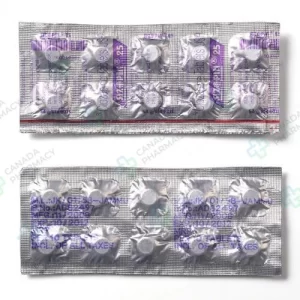
Clozaril
Price range: $ 45,00 through $ 129,00
Active substance: Clozapine
More Details
This product has multiple variants. The options may be chosen on the product page
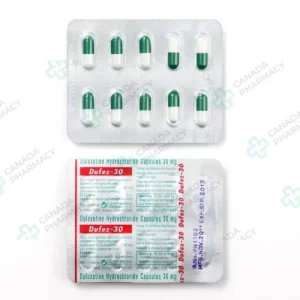
Cymbalta
Price range: $ 46,00 through $ 561,00
Active substance: Duloxetine
More Details
This product has multiple variants. The options may be chosen on the product page
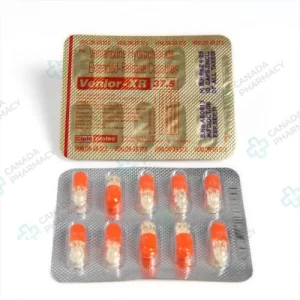
Effexor XR
Price range: $ 36,00 through $ 310,00
Active substance: Venlafaxine
More Details
This product has multiple variants. The options may be chosen on the product page
Geodon
Price range: $ 46,00 through $ 418,00
Active substance: Ziprasidone
More Details
This product has multiple variants. The options may be chosen on the product page
Lithium
Price range: $ 16,00 through $ 139,00
Active substance: Lithium
More Details
This product has multiple variants. The options may be chosen on the product page

Mellaril
Price range: $ 40,00 through $ 427,00
Active substance: Thioridazine
More Details
This product has multiple variants. The options may be chosen on the product page

Paroxetine
Price range: $ 44,00 through $ 321,00
Active substance: paroxetine
More Details
This product has multiple variants. The options may be chosen on the product page

Paxil
Price range: $ 34,00 through $ 445,00
Active substance: paroxetine
More Details
This product has multiple variants. The options may be chosen on the product page