

-17%
Revia
Price range: $ 82,00 through $ 432,00
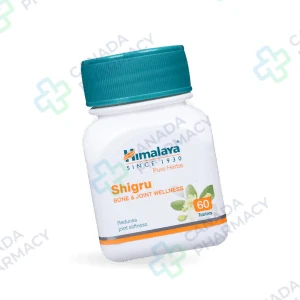
Shigru
Price range: $ 19,00 through $ 102,00
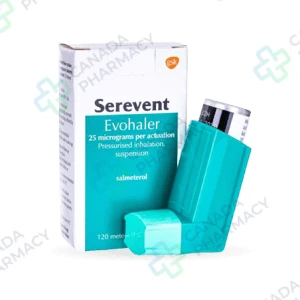
Serevent
Price range: $ 7,00 through $ 35,00
Serevent is a long-acting bronchodilator designed to provide consistent, long-term control over respiratory symptoms by keeping the airways open. It works by relaxing the muscles in the lungs to improve airflow and ease breathing for up to twelve hours at a time. This medication is primarily used for the regular maintenance treatment of asthma to prevent symptoms like wheezing and shortness of breath. It is also highly effective for managing chronic obstructive pulmonary disease (COPD), including chronic bronchitis and emphysema. Additionally, Serevent helps prevent exercise-induced bronchospasm, allowing individuals to maintain an active lifestyle with greater ease.
Active substance: Salmeterol
Delivery: 5–21 days (depending on the shipping method)
Extra 10% discount with coupon: IT4K6SVM
Each dosage option has its own packaging choices.
Description
Serevent (salmeterol xinafoate) belongs to a class of medications known as long-acting beta2-adrenergic agonists (LABAs). It is prescribed as a maintenance treatment to manage airflow obstruction and prevent bronchospasm in conditions such as asthma and chronic obstructive pulmonary disease (COPD).
Because of its prolonged duration of action and gradual onset, Serevent is designed for regular, daily administration rather than immediate relief of acute asthma attacks. In the United States, this medication is available by prescription only (Rx) under federal regulation.
Basic Information Overview
| Drug name | Serevent |
| Active ingredient (INN) | Salmeterol xinafoate |
| Therapeutic class | Long-acting beta2-adrenergic agonist (LABA) |
| Dosage form | Inhalation powder (dry powder inhaler) |
| Route of administration | Oral inhalation |
| Prescription status | Prescription only (Rx) |
| Primary purpose | Maintenance treatment of asthma, COPD, and prevention of exercise-induced bronchospasm |
How the Drug Works
Salmeterol xinafoate is a selective long-acting beta2-adrenergic agonist. At the cellular level, salmeterol binds to beta2-adrenergic receptors located in bronchial smooth muscle. This binding stimulates intracellular adenyl cyclase, an enzyme that catalyzes the synthesis of cyclic-3′,5′-adenosine monophosphate (cAMP) from adenosine triphosphate (ATP).
Elevated intracellular cAMP levels trigger a cascade of actions, including relaxation of bronchial smooth muscle and inhibition of mediator release from mast cells in the respiratory tract. Salmeterol possesses a lipophilic side chain that anchors the molecule within the cell membrane, allowing it to provide sustained bronchodilation lasting approximately 12 hours after a single dose.
Main Uses
Serevent is indicated for specific respiratory conditions requiring extended bronchodilation:
- Asthma Maintenance: Indicated for long-term, twice-daily administration in the maintenance treatment of asthma in patients 4 years of age and older. In asthma therapy, Serevent must strictly be used in combination with an inhaled corticosteroid (ICS). Monotherapy with salmeterol for asthma is contraindicated due to severe safety risks.
- Chronic Obstructive Pulmonary Disease (COPD): Indicated for long-term maintenance treatment of airflow obstruction in patients with COPD, including chronic bronchitis and emphysema.
- Exercise-Induced Bronchospasm (EIB): Indicated for the prevention of exercise-induced bronchospasm in patients 4 years of age and older when taken prior to physical exertion.
Dosing Schedule
Dosing of Serevent must be individualized and prescribed by a licensed healthcare provider. The standard administration parameters for the dry powder inhalation form are as follows:
- Asthma and COPD Maintenance: The standard dosage for adults and pediatric patients aged 4 years and older is 1 inhalation (50 mcg) twice daily, approximately 12 hours apart (in the morning and evening).
- Prevention of Exercise-Induced Bronchospasm: A single inhalation (50 mcg) should be administered at least 30 minutes before exercise. Additional doses should not be taken within 12 hours. Patients already receiving twice-daily Serevent for maintenance treatment should not take an extra dose for EIB prevention.
Patients should not exceed the maximum recommended dose of 50 mcg twice daily. Serevent must not be used to treat acute, sudden symptoms of shortness of breath.
How It’s Absorbed and Eliminated
Following oral inhalation, salmeterol acts locally within the pulmonary airways. Systemic absorption occurs primarily via the lungs, resulting in very low plasma concentrations at therapeutic doses. Following inhalation of recommended doses (50 mcg twice daily), plasma levels are typically low or below detectable limits.
Salmeterol that reaches systemic circulation is extensively metabolized by hepatic hydroxylation, mediated primarily by the cytochrome P450 enzyme CYP3A4, to form alpha-hydroxysalmeterol. The terminal elimination half-life of salmeterol is estimated at approximately 5.5 hours. Excretion occurs primarily via the feces (approximately 60%) and urine (approximately 25%) over a multi-day period.
Compatibility with Other Medicines
Co-administration of Serevent with other pharmacological agents requires careful medical supervision due to potential drug interactions:
- Strong CYP3A4 Inhibitors: Concomitant use with potent CYP3A4 inhibitors (such as ketoconazole, itraconazole, clarithromycin, or ritonavir) can significantly increase systemic exposure to salmeterol. This elevation may lead to systemic cardiovascular side effects, including QT interval prolongation and cardiac arrhythmias.
- Beta-Adrenergic Blockers: Non-selective beta-blockers (e.g., propranolol) can antagonize the therapeutic action of salmeterol and may precipitate severe bronchospasm in patients with reactive airway disease.
- Diuretics: Co-administration with non-potassium-sparing loop or thiazide diuretics may potentiate electrocardiographic changes or hypokalemia.
- Monoamine Oxidase Inhibitors (MAOIs) and Tricyclic Antidepressants: Use with caution in patients receiving these agents, as they may potentiate the cardiovascular actions of beta-agonists.
Adverse Reactions
Adverse events reported during therapy with Serevent are consistent with the pharmacological effects of long-acting beta2-adrenergic agonists. Commonly observed reactions include:
- Headache and throat irritation
- Nasal congestion or sinus discomfort
- Musculoskeletal pain and muscle cramps
- Fine tremors, particularly affecting the hands
- Palpitations, sinus tachycardia, or minor fluctuations in blood pressure
- Transient metabolic shifts, such as hyperglycemia or hypokalemia
Important Precautions
Boxed Warning / Asthma Risk: Long-acting beta2-adrenergic agonists (LABAs) used as monotherapy for asthma increase the risk of asthma-related death and hospitalizations. In patients with asthma, Serevent must always be combined with an inhaled corticosteroid. It is not indicated for patients whose asthma is adequately controlled on low or medium-dose inhaled corticosteroids alone.
Serevent is not a rescue inhaler and should never be initiated during rapidly deteriorating or life-threatening episodes of bronchospasm. Patients with underlying cardiovascular conditions (such as ischemic heart disease, cardiac arrhythmias, or hypertension), convulsive disorders, thyrotoxicosis, or diabetes mellitus should exercise caution and undergo regular monitoring during treatment.
If You Skip a Dose
If a scheduled dose of Serevent is missed, skip the missed dose and return to the normal dosing schedule at the next designated time. Do not take an extra inhalation or double the dose to compensate for a missed dose. Maintaining a regular 12-hour interval helps ensure stable therapeutic control over bronchial smooth muscle tone.
Storage and Expiration
Serevent dry powder inhalation devices should be stored at controlled room temperature, between 68°F and 77°F (20°C to 25°C), with excursions permitted between 59°F and 86°F (15°C to 30°C). Store the device in a dry environment away from direct heat and sunlight.
The inhaler device must be discarded 6 weeks after removal from its protective moisture-protective foil pouch, or when the dose counter reaches “0”, whichever occurs first. Do not attempt to wash or immerse any part of the device in water.
Special Populations
Pregnancy: Serevent should be used during pregnancy only if the potential benefit justifies the potential risk to the fetus. Adequate, well-controlled clinical trials in pregnant women have not been conducted.
Nursing Mothers: It is not known whether salmeterol is excreted in human milk. Caution should be exercised when Serevent is administered to a nursing woman.
Pediatric Use: Safety and effectiveness of Serevent in pediatric patients under 4 years of age with asthma have not been established. It is not recommended for pediatric patients with COPD.
Geriatric Use: Clinical studies showed no overall differences in safety or effectiveness between elderly patients and younger subjects, though heightened sensitivity in some older individuals cannot be ruled out.
Practical Tips
- Always keep the device horizontal when loading and inhaling the powder to ensure accurate dose delivery.
- Never exhale directly into the mouthpiece of the inhaler.
- Rinse the mouth with water without swallowing after inhalation if advised by a healthcare provider, especially when using concurrent inhaled corticosteroids.
- Always carry a short-acting rescue inhaler (such as albuterol) to manage sudden, acute breathing symptoms.
When to Seek Help Immediately
| Warning Sign / Red Flag | Action Required |
|---|---|
| Immediate worsening of wheezing (paradoxical bronchospasm) | Discontinue Serevent immediately, use a rescue inhaler, and seek emergency care. |
| Signs of severe allergic reaction (swelling of face, lips, tongue, or rash) | Seek emergency medical assistance immediately. |
| Chest pain, rapid or irregular heartbeat (palpitations) | Contact a physician or emergency medical service right away. |
| Significant decline in rescue inhaler effectiveness | Contact your prescribing provider immediately to review your treatment plan. |
Common Questions
Can Serevent be used to treat a sudden asthma attack?
No. Serevent has a gradual onset of action and is designed exclusively for long-term maintenance therapy. Rapid relief of acute bronchospasm requires a short-acting beta2-agonist rescue medication, such as albuterol.
Why must Serevent be used together with an inhaled corticosteroid in asthma?
Clinical trials demonstrated that using LABAs like salmeterol alone for asthma increases the risk of severe asthma exacerbations and asthma-related mortality. Inhaled corticosteroids address underlying airway inflammation, while Serevent maintains airway opening.
What should I do if my breathing symptoms worsen despite using Serevent daily?
If your usual dose of Serevent fails to control symptoms, or if you require more frequent doses of your rescue inhaler, consult your physician promptly. Do not increase the dose or frequency of Serevent on your own.
Does Serevent interact with blood pressure medications?
Certain blood pressure medications, specifically non-selective beta-blockers, can block the therapeutic action of Serevent and may trigger severe asthma attacks. Always inform your healthcare provider of all prescription medications you are taking.
How far in advance of exercise should Serevent be taken for EIB?
For the prevention of exercise-induced bronchospasm, Serevent should be administered at least 30 minutes prior to physical activity. A single dose provides protection for up to 12 hours.
In accordance with FDA requirements.
Information on this page is for reference and does not replace an assessment by a licensed healthcare professional.
Additional information
| Dosage |
125 MDI |
|---|---|
| Package |
1 inhaler ,3 inhaler ,6 inhaler |
| Ενεργός Ουσία |
Related products
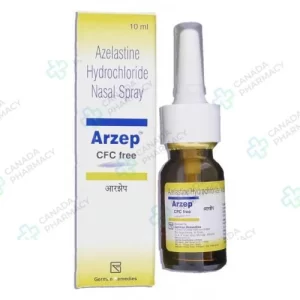
Astelin
Price range: $ 46,00 through $ 193,00
Active substance: Azelastine
More Details
This product has multiple variants. The options may be chosen on the product page
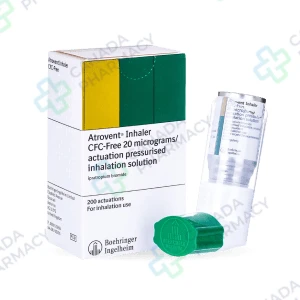
Atrovent
Price range: $ 22,00 through $ 65,00
Active substance: Ipratropium bromide
More Details
This product has multiple variants. The options may be chosen on the product page
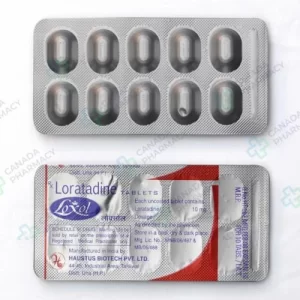
Claritin
Price range: $ 43,00 through $ 143,00
Active substance: Loratadine
More Details
This product has multiple variants. The options may be chosen on the product page
Deltasone
Price range: $ 47,00 through $ 296,00
Active substance: Prednisone
More Details
This product has multiple variants. The options may be chosen on the product page
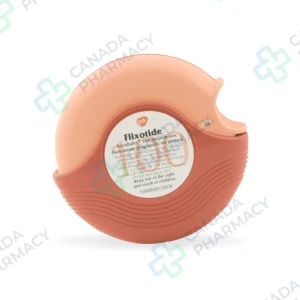
Flixotide Nasal Spray 100 doses
Price range: $ 54,00 through $ 220,00
Active substance: fluticasone
More Details
This product has multiple variants. The options may be chosen on the product page
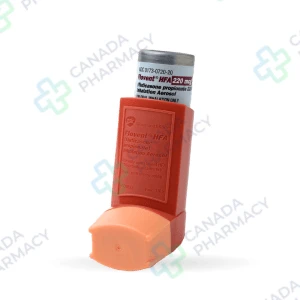
Flovent
Price range: $ 35,00 through $ 90,00
Active substance: fluticasone
More Details
This product has multiple variants. The options may be chosen on the product page
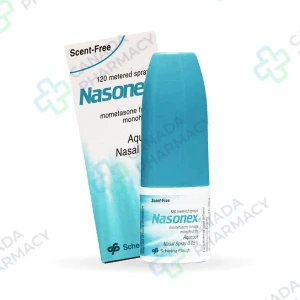
Nasonex nasal spray
Price range: $ 62,00 through $ 276,00
Active substance: Mometasone Furoate Monohydrate
More Details
This product has multiple variants. The options may be chosen on the product page
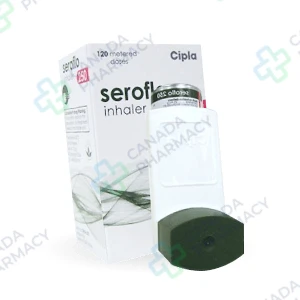
Seroflo
Price range: $ 110,00 through $ 659,00
Active substance: fluticasone, Salmeterol
More Details
This product has multiple variants. The options may be chosen on the product page