

-11%
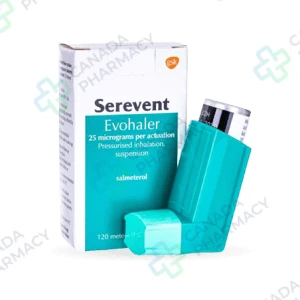
Serevent
Price range: $ 7,00 through $ 35,00
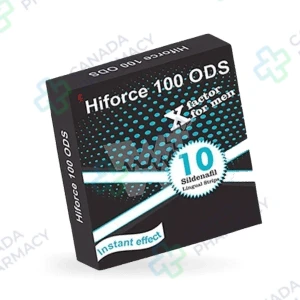
Sildenafil Lingual Strips Hiforce
Price range: $ 30,00 through $ 70,00
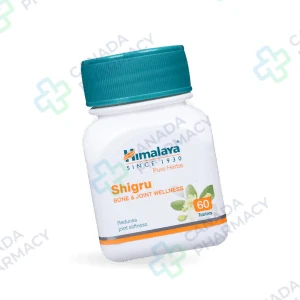
Shigru
Price range: $ 19,00 through $ 102,00
Shigru is a potent herbal supplement derived from the Moringa tree, renowned for its rich nutritional profile and natural therapeutic properties. This plant-based formula effectively supports joint health by reducing inflammation and alleviating discomfort associated with daily physical activity. Packed with essential vitamins, minerals, and antioxidants, it helps strengthen the body’s natural defenses and promotes overall vitality. The supplement also aids in improving blood circulation, ensuring that vital nutrients are efficiently delivered to various tissues. Regular use of Shigru contributes to maintained mobility and enhanced bone strength, making it an excellent addition to a daily wellness routine.
Active substance: Herbal
Delivery: 5–21 days (depending on the shipping method)
Extra 10% discount with coupon: IT4K6SVM
Each dosage option has its own packaging choices.
Description
Shigru belongs to a class of botanical dietary supplements derived from the leaves and seeds of Moringa oleifera. It is utilized in dietary regimens to support joint mobility and assist in maintaining balanced cellular oxidative status. In the United States, Shigru is regulated under the Dietary Supplement Health and Education Act (DSHEA) and is dispensed in accordance with applicable federal and state regulations.
As a botanical product, Shigru is available over the counter without a prescription, though healthcare supervision remains recommended for individuals managing chronic health conditions. Understanding its phytochemical composition, dosing considerations, and potential interactions is essential for safe integration into a broader wellness routine.
| Parameter | Details |
|---|---|
| Drug name | Shigru |
| Active ingredient (INN) | Moringa oleifera leaf/seed extract |
| Therapeutic class | Botanical / Herbal Supplement |
| Dosage form | Oral capsule / tablet |
| Route of administration | Oral |
| Prescription status | Dispensed in accordance with applicable federal and state regulations |
| Storage | Store at room temperature (59°F–86°F), away from moisture and direct heat |
Product Overview and Indications
How the drug works
The mechanism of action of Shigru relies on its rich concentration of bioactive phytochemicals, including isothiocyanates, quercetin, chlorogenic acid, and beta-sitosterol. These compounds act synergistically to modulate inflammatory mediators by inhibiting nuclear factor kappa B (NF-κB) transcription factors and suppressing pro-inflammatory enzymes like cyclooxygenase-2 (COX-2) in preclinical models. Additionally, the high polyphenol content neutralizes reactive oxygen species (ROS), protecting cellular components from oxidative stress. This dual antioxidant and anti-inflammatory action helps mitigate tissue breakdown in synovial membranes and supports structural vascular integrity. Because botanical extracts contain complex plant matrices, physiological actions occur gradually over sustained consumption rather than through rapid acute receptor blockade.
Main uses
Shigru is primarily indicated as a supportive dietary supplement for joint comfort, flexible movement, and systemic antioxidant protection. Clinical interest centers on its role in relieving mild joint stiffness and promoting healthy inflammatory responses in individuals experiencing age-related articular wear. Under the US regulatory framework, it is labeled with structure-function claims rather than disease-treatment indications. Any application of Shigru for specific medical pathologies, such as clinical osteoarthritis, metabolic syndrome, or acute gouty arthritis, is considered off-label or unproven under FDA standards and requires direct physician consultation. Patients should not replace established disease-modifying therapies with herbal supplements without medical approval.
Dosing schedule
The recommended dosage of Shigru typically ranges from 250 mg to 500 mg administered orally twice daily, ideally taken following meals to enhance absorption and reduce potential stomach upset. Exact dosing depends on the standardized concentration of active phytochemicals within the specific formulation. Clinical practitioners generally advise starting at the lower end of the dosing spectrum to assess individual gastrointestinal tolerance. The duration of use is commonly evaluated after 4 to 8 weeks of consistent daily administration. Capsules or tablets should be swallowed whole with a full glass of water. Dosage adjustments should only occur under the direction of a qualified healthcare provider.
How it’s absorbed and eliminated
Pharmacokinetic data for crude botanical extracts like Shigru differ from single-molecule pharmaceuticals due to the presence of multiple bioactive constituents. Key flavonoid components, such as quercetin glycosides, undergo preliminary enzymatic cleavage by intestinal microflora before intestinal absorption. Peak plasma concentrations of individual metabolites generally occur within 1 to 4 hours post-ingestion. Following oral intake, absorbed compounds undergo extensive hepatic phase II metabolism involving glucuronidation and sulfation. Elimination of water-soluble metabolites occurs predominantly via renal excretion, while unabsorbed plant fibers and lipophilic components pass through the gastrointestinal tract for fecal elimination. Specific half-life values vary across individual phytochemical constituents.
Safety Profile and Guidelines
Adverse reactions
Shigru is generally well-tolerated by most healthy adults when used within recommended dosage limits, but adverse reactions can occur. The most commonly reported side effects involve mild gastrointestinal distress, including nausea, loose stools, abdominal cramping, and heartburn, particularly when taken on an empty stomach. Less frequently, individuals may experience mild headaches or transient cutaneous hypersensitivity reactions such as localized itching. Excessive dosages may exert a mild laxative effect due to the plant’s natural fiber and phytochemical composition. If severe abdominal pain, persistent diarrhea, or unexpected allergic symptoms occur, administration should be suspended immediately and evaluated by a medical professional.
Compatibility with other medicines
Shigru possesses biological activities that may lead to drug interactions when co-administered with prescription pharmaceuticals. Concurrent use with oral antidiabetic agents (such as metformin or glipizide) may cause additive hypoglycemic effects, requiring close blood glucose monitoring. Similarly, combining Shigru with antihypertensive medications may enhance blood pressure-lowering effects, potentially causing symptomatic hypotension. Preliminary in vitro studies indicate that constituents of Moringa oleifera can inhibit cytochrome P450 enzymes, notably CYP3A4 and CYP2C9, which could alter the plasma concentrations of co-administered drugs metabolized by these hepatic pathways. Patients taking anticoagulants or thyroid hormones should consult their prescriber before starting Shigru.
Important precautions
Caution is advised in specific patient populations considering Shigru supplementation. Pregnant women must avoid extracts containing Moringa root or bark, as these tissues contain alkaloids that may stimulate uterine contractions; leaf extract safety during pregnancy and lactation has not been established in rigorous human clinical trials. Individuals with pre-existing hypoglycemia, hypotension, or hypothyroidism require medical supervision due to potential metabolic modulation. Because Shigru may influence systemic blood glucose and hemodynamic parameters, supplementation should be discontinued at least two weeks prior to scheduled surgical procedures. Pediatric use is not recommended unless explicitly directed by a board-certified pediatric provider.
Food and alcohol interactions
Taking Shigru alongside meals rich in dietary fats may facilitate the absorption of its fat-soluble constituents, such as beta-carotene and vitamin E derivatives. Conversely, co-administration with high-tannin beverages like dark tea or coffee might slightly reduce plant polyphenol bioaccessibility. Concomitant intake of significant amounts of alcohol should be avoided, as alcohol can irritate the gastric mucosa, compounding potential gastrointestinal adverse effects and altering hepatic metabolic pathways responsible for processing botanical compounds.
If you skip a dose
If a scheduled dose of Shigru is missed, it should be taken as soon as remembered, provided the next scheduled dose is not imminent. If it is nearly time for the subsequent dose, the missed portion should be skipped completely to resume the regular dosing schedule. Doubling doses to compensate for a missed capsule is not recommended, as higher single amounts increase the risk of acute gastrointestinal discomfort or laxative effects.
Storage and expiration
Shigru capsules should be stored in their original tight, light-resistant container at controlled room temperature, ideally between 59°F and 86°F (15°C to 30°C). Protect the product from excessive heat, high humidity, and direct sunlight. Keep the container out of reach of children and pets. Do not use the supplement after the expiration date printed on the bottle packaging, as botanical potency may degrade over time.
Common questions
Can I take Shigru alongside daily prescription blood pressure medication?
You should consult your prescribing physician before combining Shigru with antihypertensive therapy. Phytochemicals in Moringa oleifera possess inherent mild blood pressure-lowering properties, which could potentially compound the effects of prescription medications and lead to abnormally low blood pressure (hypotension).
How long does it take to notice the effects of Shigru on joint comfort?
Because Shigru is a botanical supplement rather than a fast-acting pharmaceutical analgesic, structural support and antioxidant benefits typically develop gradually. Most individuals report initial functional observations within 3 to 6 weeks of consistent daily administration alongside appropriate diet and physical activity.
Is it safe to drive after taking a standard dose of Shigru?
Shigru does not possess sedative properties or impair central nervous system function at standard dietary dosages. It is generally considered safe to drive or operate machinery, provided you do not experience unexpected dizziness or blood pressure fluctuations.
What should I do if I experience mild stomach cramps after taking Shigru?
Mild digestive discomfort often occurs if the supplement is consumed on an empty stomach. To minimize this, take your dose directly following a substantial meal. If gastrointestinal symptoms persist or worsen, suspend use and contact a healthcare professional.
Can Shigru be taken continuously without taking breaks?
While long-term observational data on standardized botanical extracts remain limited, periodic re-evaluation by a healthcare provider every few months is recommended to assess ongoing necessity, efficacy, and overall safety profile within your broader healthcare plan.
In accordance with FDA requirements: Dietary supplements are not intended to treat, diagnose, cure, or prevent any disease. This text is for informational purposes only and does not constitute individual medical advice.
Additional information
| Dosage |
60 caps |
|---|---|
| Package |
1 bottles ,3 bottles ,6 bottles |
| Ενεργός Ουσία |
Related products
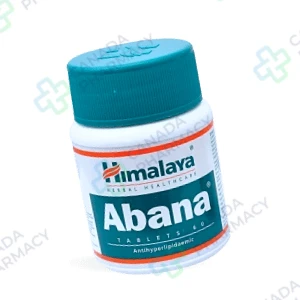
Abana
Price range: $ 89,00 through $ 580,00
Active substance: Abana
More Details
This product has multiple variants. The options may be chosen on the product page
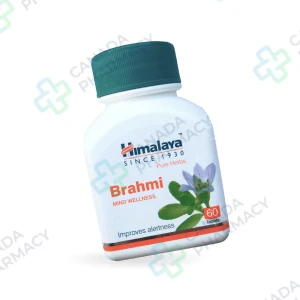
Brahmi
Price range: $ 53,00 through $ 206,00
Active substance: Brahmi
More Details
This product has multiple variants. The options may be chosen on the product page
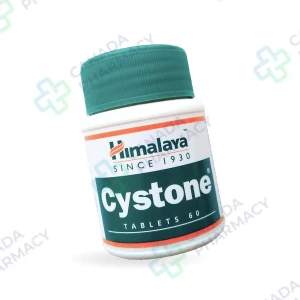
Cystone
Price range: $ 63,00 through $ 76,00
Active substance: Pasanabheda, Shilapushpa
More Details
This product has multiple variants. The options may be chosen on the product page
Geriforte Syrup
Price range: $ 41,00 through $ 246,00
Active substance: Geriforte Syrup
More Details
This product has multiple variants. The options may be chosen on the product page
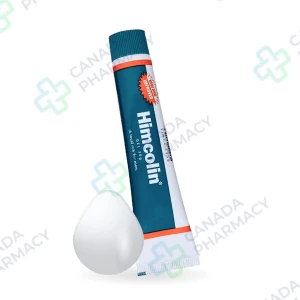
Himcolin
$ 57,00
Active substance: Himcolin
More Details
This product has multiple variants. The options may be chosen on the product page
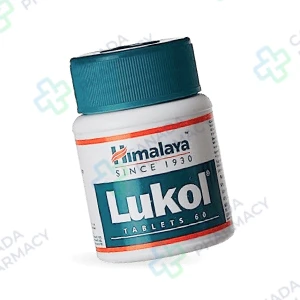
Lukol
More Details
This product has multiple variants. The options may be chosen on the product page
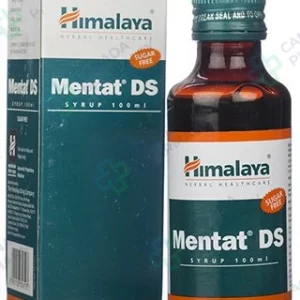
Mentat DS syrup
Price range: $ 49,00 through $ 341,00
Active substance: Brahmi
More Details
This product has multiple variants. The options may be chosen on the product page