

-34%

Ketasma
Price range: $ 10,00 through $ 23,00
Ketotifen
Price range: $ 67,00 through $ 309,00
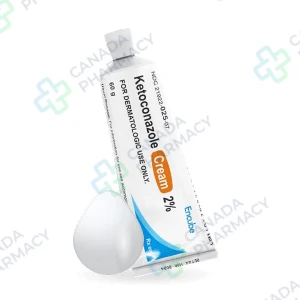
Ketoconazole Cream
Price range: $ 25,00 through $ 66,00
Ketoconazole Cream is a highly effective topical antifungal medication designed to treat various fungal skin infections. It is commonly used to provide relief from conditions such as athlete’s foot, jock itch, and ringworm. The cream also effectively targets seborrheic dermatitis and cutaneous candidiasis by inhibiting the growth of the underlying fungi. Its fast-acting formula helps soothe itching, redness, and irritation associated with these common skin concerns. By consistently applying this treatment to the affected area, users can promote clearer skin and prevent the further spread of the infection.
Active substance: ketoconazole
Delivery: 5–21 days (depending on the shipping method)
Extra 10% discount with coupon: IT4K6SVM
Each dosage option has its own packaging choices.
Description
Ketoconazole cream 2% belongs to the imidazole class of synthetic antifungal agents designed for topical dermatological application. It is primarily prescribed for the treatment of superficial fungal skin infections caused by dermatophytes and yeasts, such as tinea corporis, tinea cruris, tinea pedis, and cutaneous candidiasis. As a prescription medication regulated by the United States Food and Drug Administration (FDA), its use requires proper clinical evaluation and a valid prescription from a licensed healthcare provider.
Proper administration of topical ketoconazole is critical for achieving therapeutic efficacy while minimizing potential localized cutaneous adverse events. Patients must adhere strictly to the prescribed regimen, as early cessation of therapy may lead to symptomatic relapse or fungal persistence.
| Property | Details |
|---|---|
| Active Ingredient | Ketoconazole (2% w/w) |
| Therapeutic Class | Azole Antifungal / Imidazole Derivative |
| Dosage Form | Topical Cream |
| Route of Administration | Cutaneous (Topical application only) |
| Prescription Status | Prescription Only (Rx) |
| Primary Purpose | Treatment of superficial dermatophytic and yeast skin infections |
Clinical Profile & Therapeutic Indications
Mechanism of Action
Ketoconazole exerts its fungicidal or fungistatic activity by inhibiting the cytochrome P-450-dependent enzyme 14α-lanosterol demethylase. This enzyme is crucial for the conversion of lanosterol to ergosterol, an essential component of the fungal cell membrane. The resulting depletion of ergosterol, combined with the accumulation of toxic 14α-methylated sterols, compromises fungal membrane integrity, increases cellular permeability, and leads to irreversible structural cell damage. Ketoconazole exhibits broad-spectrum activity against common dermatophytes including Trichophyton rubrum, Trichophyton mentagrophytes, Microsporum canis, and Epidermophyton floccosum, as well as Candida species and Malassezia furfur.
Primary Therapeutic Indications
Ketoconazole cream 2% is FDA-approved for the topical treatment of tinea corporis (ringworm of the body), tinea cruris (jock itch), and tinea pedis (athlete’s foot) caused by susceptible dermatophytes. Additionally, it is indicated for the management of tinea versicolor caused by Malassezia furfur (formerly Pityrosporum orbiculare) and cutaneous candidiasis caused by Candida albicans. It is also prescribed for seborrheic dermatitis, a chronic inflammatory skin condition associated with fungal overgrowth. Use of ketoconazole cream for unapproved dermatological conditions without explicit medical guidance represents off-label usage and is not recommended.
Dosing and Application Guidelines
For the treatment of tinea corporis, tinea cruris, tinea versicolor, and cutaneous candidiasis, ketoconazole cream 2% is typically applied to the affected area and immediate surrounding skin once daily. For seborrheic dermatitis, the recommended application regimen is usually twice daily, depending on clinical severity. Duration of therapy varies by indication: tinea cruris and tinea versicolor generally require two weeks of continuous application, whereas tinea corporis and cutaneous candidiasis often require two to three weeks. Treatment for tinea pedis typically extends to six weeks to prevent recurrence. Patients should wash and thoroughly dry the affected area before applying a thin layer of cream.
Pharmacokinetic Profile
Pharmacokinetic evaluations demonstrate that topical application of ketoconazole cream 2% results in minimal systemic absorption. Plasma concentrations of ketoconazole remain below detectable limits (less than 5 ng/mL) in the vast majority of patients following single or repeated daily cutaneous applications. Because systemic exposure is negligible, systemic pharmacokinetic parameters–such as hepatic metabolism, plasma protein binding, and renal elimination half-life–are not clinically significant for the topical cream formulation. The active substance remains concentrated within the stratum corneum of the epidermis, maintaining effective local antifungal concentrations.
Evaluating Clinical Response
Clinical improvement in fungal skin infections typically manifests within the first few days to one week of initiated therapy, evidenced by decreased redness, reduced itching, and diminished scaling. Full resolution of fungal skin lesions requires completion of the complete course prescribed by the physician. If no visible improvement is observed after two weeks of consistent daily treatment for tinea cruris or tinea corporis (or four weeks for tinea pedis), re-evaluation by a healthcare provider is warranted.
Practical Considerations for Daily Use
To optimize therapy, patients should wash the affected skin gently with mild soap and dry the area completely prior to cream application. Hands must be washed thoroughly after applying the cream to prevent accidental spread of infection to other body sites or individuals. Wear loose-fitting, breathable cotton clothing over treated areas, particularly for tinea cruris or tinea pedis, to minimize friction, moisture retention, and localized heat, which foster fungal proliferation.
Safety, Administration & FAQ
Drug Interactions and Compatibility
Due to the minimal systemic bioavailability of topically applied ketoconazole cream 2%, systemic drug-drug interactions commonly associated with oral ketoconazole (such as CYP3A4 inhibition) are extremely unlikely to occur. However, concurrent application of other topical products, including corticosteroid creams, cosmetic preparations, or harsh chemical cleansers, on the same skin area should be avoided unless directed by a physician. Co-application may alter the cutaneous absorption, local barrier function, or overall efficacy of ketoconazole. If topical corticosteroids are used concurrently, a staggered application schedule is advised to prevent physical incompatibility.
Adverse Reactions and Safety Profile
Ketoconazole cream 2% is generally well tolerated, with adverse reactions predominantly restricted to local application site phenomena. Commonly reported side effects include mild skin irritation, localized erythema (redness), pruritus (itching), burning sensations, and stinging immediately following application. Less frequently, patients may experience severe contact dermatitis, dry skin, skin peeling, oily skin, or localized allergic reactions. If persistent severe irritation, blistering, swelling, or open oozing lesions develop, treatment should be discontinued immediately, and the prescribing physician consulted. Systemic side effects, such as hepatotoxicity or adrenal insufficiency, are not associated with topical administration.
Important Precautions and Special Populations
Ketoconazole cream 2% is intended strictly for external dermatological use and must never be administered orally, ophthalmically, or intravaginally. Avoid contact with eyes, nostrils, lips, and mucous membranes. In pregnancy, topical ketoconazole is classified under FDA Pregnancy Category C; it should be used during pregnancy only if the potential benefit justifies the potential risk to the fetus. It is unknown whether topical administration results in sufficient systemic absorption to produce detectable quantities in human breast milk. Nursing mothers should exercise caution and avoid applying the cream directly to the chest area to prevent accidental pediatric ingestion. Safety and effectiveness in pediatric patients have not been firmly established.
Missed Application Procedure
If a scheduled application of ketoconazole cream is missed, it should be applied as soon as remembered on the same day. However, if it is almost time for the next scheduled dose, skip the missed application and resume the regular dosing schedule. Patients should not apply double quantities or extra layers of cream to make up for a missed dose, as excessive application increases the risk of local skin irritation without accelerating healing.
Storage and Expiration Standards
Ketoconazole cream 2% should be stored at controlled room temperature between 20°C and 25°C (68°F to 77°F), with brief excursions permitted between 15°C and 30°C (59°F to 86°F). Protect the medication from excessive heat, direct sunlight, and freezing conditions. Keep the tube tightly closed when not in use. Always verify the expiration date printed on the tube crimp and carton; do not use the product past its stated expiry date, and dispose of unused medication safely out of reach of children.
Frequently Asked Questions
Can ketoconazole cream be applied to broken skin or open wounds?
Ketoconazole cream 2% should not be applied to broken skin, open wounds, or severely excoriated lesions. Application to compromised skin barriers may exacerbate local irritation, burning, or stinging, and can increase systemic absorption. If skin integrity is compromised, consult a physician prior to application.
What should I do if the skin becomes increasingly red or irritated after application?
Mild transient stinging or redness can occur, but severe or worsening irritation may indicate local contact sensitization or allergic dermatitis. Discontinue use of the cream, wash the area with mild soap and water, and seek evaluation from a healthcare provider to determine whether treatment modification is necessary.
Is it acceptable to stop using the cream early if all skin symptoms disappear?
No, treatment should be continued for the full duration recommended by the prescribing provider, even if clinical symptoms such as itching or redness completely resolve early. Premature discontinuation can allow viable fungal spores to persist in the epidermis, significantly increasing the likelihood of infection recurrence.
Can ketoconazole cream 2% be used concurrently with topical hydrocortisone?
Topical corticosteroids are sometimes prescribed concurrently to rapidly reduce severe inflammation or pruritus associated with fungal infections. However, they must be used strictly under medical supervision, and application of the two products should be separated in time to prevent interference with cutaneous drug absorption and localized skin thinning.
In accordance with FDA requirements.
This text is for informational purposes only and does not constitute individual medical advice.
Additional information
| Dosage |
2% 15 g |
|---|---|
| Package |
2 tubes ,5 tubes ,8 tubes |
| Ενεργός Ουσία |
Related products
Ampicillin
Price range: $ 40,00 through $ 140,00
Active substance: acillin
More Details
This product has multiple variants. The options may be chosen on the product page
Augmentin
Price range: $ 56,00 through $ 678,00
Active substance: amoxicillin, clavulanate
More Details
This product has multiple variants. The options may be chosen on the product page
Azee
Price range: $ 30,00 through $ 150,00
Active substance: Azithromycin
More Details
This product has multiple variants. The options may be chosen on the product page
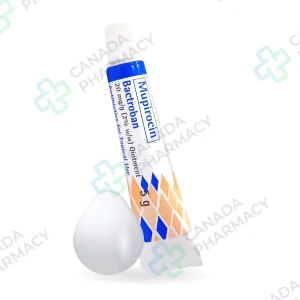
Bactroban Ointment 5g
Price range: $ 55,00 through $ 200,00
Active substance: Mupirocin
More Details
This product has multiple variants. The options may be chosen on the product page
Baycip
Price range: $ 42,00 through $ 113,00
Active substance: Ciprofloxacin
More Details
This product has multiple variants. The options may be chosen on the product page
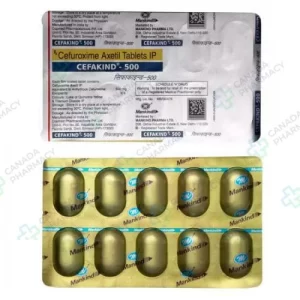
Ceftin
Price range: $ 38,00 through $ 386,00
Active substance: Cefuroxime
More Details
This product has multiple variants. The options may be chosen on the product page
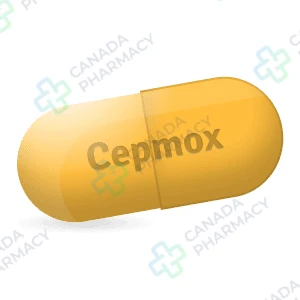
Cepmox
Price range: $ 41,00 through $ 115,00
Active substance: amoxicillin
More Details
This product has multiple variants. The options may be chosen on the product page
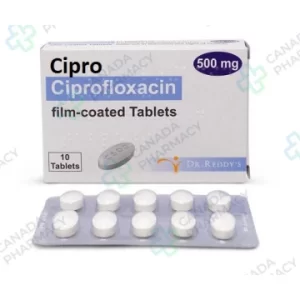
Cipro
Price range: $ 40,00 through $ 317,00
Active substance: Ciprofloxacin
More Details
This product has multiple variants. The options may be chosen on the product page