

-59%

Arjuna
Price range: $ 63,00 through $ 72,00

Aromasin
Price range: $ 123,00 through $ 1 152,00
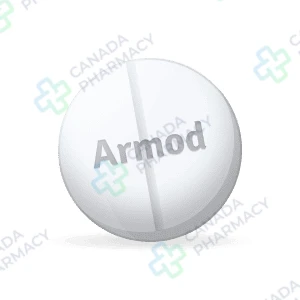
Armod
Price range: $ 68,00 through $ 255,00
Armod is a potent wakefulness-promoting medication designed to help individuals manage excessive daytime sleepiness. It is effectively used to improve alertness in adults diagnosed with narcolepsy or obstructive sleep apnea. The formula also assists those struggling with shift work disorder by helping them stay awake during their scheduled work hours. By targeting specific neurotransmitters in the brain, the active ingredient works to sustain a state of mental clarity and vigilance throughout the day. This medication provides a reliable solution for maintaining a productive routine despite chronic sleep-related challenges.
Active substance: Armodafinil
Delivery: 5–21 days (depending on the shipping method)
Extra 10% discount with coupon: IT4K6SVM
Each dosage option has its own packaging choices.
Description
Armod belongs to a class of central nervous system agents known as wakefulness-promoting medications. It is indicated to improve wakefulness in adult patients experiencing excessive sleepiness associated with specific diagnosed sleep disorders.
As a prescription-only medication regulated under federal law as a controlled substance, Armod must be administered under direct medical supervision. The dosage and administration schedule are individually evaluated by a licensed prescriber based on the underlying diagnosis.
Clinical Overview and Pharmacological Profile
| Parameter | Specification |
|---|---|
| Drug Name | Armod |
| Active Ingredient (INN) | Armodafinil |
| Therapeutic Class | Central Nervous System Agent / Wakefulness-Promoting Agent |
| Dosage Form | Oral Tablet |
| Route of Administration | Oral |
| Prescription Status | Prescription Only (Rx / Controlled Substance) |
| Primary Purpose | Improvement of wakefulness in excessive daytime sleepiness |
How the drug works
Armod contains armodafinil, which is the isolated R-enantiomer of racemic modafinil. The exact mechanism of action by which armodafinil promotes wakefulness has not been fully established, though its pharmacological profile differs from classical central nervous system stimulants such as amphetamines. Armodafinil functions primarily as a dopamine reuptake inhibitor by binding to the dopamine transporter and increasing extracellular dopamine concentrations in specific subcortical regions of the brain. Additionally, armodafinil indirectly modulates neurotransmitter systems involving orexin, histamine, glutamate, and gamma-aminobutyric acid (GABA), thereby selectively activating neuronal pathways responsible for sleep-wake regulation.
Main uses
Armod is FDA-approved for adult patients to treat excessive sleepiness associated with three specific medical diagnoses: obstructive sleep apnea (OSA), narcolepsy, and shift work disorder (SWD). In patients diagnosed with obstructive sleep apnea, Armod is indicated as an adjunctive treatment alongside primary interventions, such as continuous positive airway pressure (CPAP), to treat remaining daytime somnolence; it does not treat the underlying physical airway obstruction.
In clinical practice, healthcare providers may occasionally evaluate off-label uses for Armod, including fatigue related to multiple sclerosis, depression-associated fatigue, or attention deficit hyperactivity disorder (ADHD). These application areas are categorized as off-label, meaning they lack formal FDA approval for these indications and require careful clinical risk-benefit evaluation by a prescribing physician.
How it’s absorbed and eliminated
Following oral administration, Armod is rapidly absorbed from the gastrointestinal tract, achieving peak plasma concentration (Cmax) approximately 2 hours after ingestion under fasting conditions. Co-administration with food delays the time to reach peak concentration by approximately 2 to 4 hours, although total systemic exposure (AUC) remains comparable. Armodafinil exhibits linear pharmacokinetics across standard therapeutic dose ranges. The elimination half-life is approximately 12 to 15 hours, accommodating a once-daily dosing regimen. Armodafinil undergoes extensive hepatic metabolism, primarily through oxidation via cytochrome P450 3A4 (CYP3A4) pathways. The resulting inactive metabolites are excreted predominantly by the kidneys in urine, with less than 10% of the parent compound excreted unchanged.
Dosing schedule
Armod is supplied as an oral tablet. For the management of excessive sleepiness associated with narcolepsy or obstructive sleep apnea, the standard recommended dosage is 150 mg or 250 mg taken once daily as a single dose in the morning. For shift work disorder, the recommended dosage is 150 mg taken once daily approximately 1 hour prior to the start of the work shift. Tablets must be swallowed whole with fluid and may be taken with or without food. Special patient populations, including individuals with severe hepatic impairment, require dose adjustments, typically receiving a reduced maintenance dose. Dosing schedules are determined on an individual basis by the prescribing clinician.
Compatibility with other medicines
Armod exhibits notable drug interaction potential due to its capacity to induce CYP3A4 enzymes and inhibit CYP2C19 enzymes in the liver. Simultaneous administration of Armod with steroidal or oral contraceptives (including birth control pills, patches, implants, and injections) reduces systemic contraceptive concentrations, increasing the risk of contraceptive failure. Patients using hormonal birth control must utilize an alternative non-hormonal barrier method during treatment and for one month after discontinuing Armod. Furthermore, Armod can decrease plasma concentrations of drugs metabolized by CYP3A4, such as cyclosporine, triazolam, and midazolam. Conversely, drugs cleared via CYP2C19 pathways, such as omeprazole, diazepam, and phenytoin, may demonstrate increased plasma levels when co-administered with Armod, potentially raising the risk of adverse drug effects.
Food and alcohol interactions
Taking Armod with food does not significantly alter overall bioavailability, but high-fat meals can delay the onset of peak plasma concentration by 2 to 4 hours. Patients seeking a consistent onset of action should maintain regular habits regarding meal timing and dose intake. Concomitant use of alcohol with Armod is not recommended. Alcohol possesses central nervous system depressant properties that directly counter the wakefulness-promoting action of the medication. Combining alcohol with Armod may result in unpredictable cognitive impairment, altered judgment, or heightened central nervous system side effects.
Safety Guidelines and Patient Information
Adverse reactions
Clinical evaluation of Armod indicates that while the medication is generally tolerated, adverse events may occur. The most commonly reported side effect is headache, followed by nausea, dizziness, insomnia, anxiety, dry mouth, dyspepsia, and diarrhea. Most common reactions are mild to moderate and often decrease in intensity as treatment continues. Less frequent but clinically significant adverse events include cardiovascular symptoms (such as tachycardia, palpitations, chest discomfort, and hypertension) and psychiatric symptoms (including agitation, nervous tension, depression, confusion, and mania). Treatment must be evaluated if persistent or severe side effects develop.
Important precautions
Severe dermatological reactions, including Stevens-Johnson syndrome (SJS), toxic epidermal necrolysis (TEN), and drug reaction with eosinophilia and systemic symptoms (DRESS), have been reported in association with armodafinil. Treatment must be discontinued at the first sign of a cutaneous rash or hypersensitivity reaction. Patients with a history of major cardiovascular disease, such as recent myocardial infarction or unstable angina, require thorough cardiac assessment prior to initiating therapy. Safety and efficacy in pediatric populations have not been established; Armod is not approved for pediatric use. Data regarding pregnancy are limited, and potential fetal risks must be weighed against maternal clinical need. Caution is advised during lactation, as it is unknown whether armodafinil is excreted in human milk. Elderly patients may require lower doses due to age-related changes in hepatic or renal function.
Red flags
Patients taking Armod should be aware of critical signs that indicate a potentially severe adverse event. Emergency medical assistance is required if any of the following symptoms occur:
| Severe Manifestation | Clinical Description |
|---|---|
| Severe Cutaneous Rash | Skin rash, mucosal blistering, peeling skin, or mouth sores |
| Hypersensitivity Reactions | Swelling of the face, lips, tongue, or throat; dyspnea |
| Cardiovascular Distress | Chest pain, severe palpitations, irregular heartbeat, shortness of breath |
| Psychiatric Disturbances | Suicidal ideation, hallucinations, mania, severe aggression, or depression |
| Systemic Hypersensitivity | Fever accompanied by enlarged lymph nodes and multiorgan dysfunction |
If you skip a dose
If a dose of Armod is missed, it may be taken as soon as remembered, provided it is still early in the day. If the missed dose is noted late in the afternoon or evening, the patient should skip that dose entirely and resume the standard schedule the following morning. Taking Armod late in the day can cause severe nocturnal insomnia. Patients must not double the dose to make up for a missed tablet.
Storage and expiration
Armod tablets must be stored at controlled room temperature, ideally between 68°F and 77°F (20°C to 25°C), with permitted excursions between 59°F and 86°F (15°C to 30°C). Keep the medication in its original container, tightly closed and protected from light, excess heat, and moisture. Store away from high-humidity areas such as bathrooms. Keep out of reach of children and domestic pets. Discard any medication that has passed the expiration date stated on the packaging in accordance with local pharmaceutical disposal guidelines.
How long does it take for Armod to start working?
Under fasting conditions, Armod reaches peak plasma concentration approximately 2 hours after oral administration. Most patients begin to observe an increase in wakefulness within 1 to 2 hours post-dose. Co-administration with a high-fat meal can delay the onset of the peak pharmacological effect by an additional 2 to 4 hours.
Can Armod be taken alongside caffeine or other stimulants?
Combining Armod with dietary caffeine or other central nervous system stimulants can lead to additive stimulant effects. This combination may increase the frequency or severity of adverse reactions such as elevated heart rate, increased blood pressure, anxiety, tremors, and nervousness. Patients are advised to consult their healthcare provider before using caffeine or stimulant supplements during Armod treatment.
Does Armod affect the safety of driving or operating machinery?
While Armod is prescribed to enhance wakefulness, it may not completely eliminate excessive sleepiness or fully restore normal alertness in patients with sleep disorders. Additionally, side effects such as dizziness or spatial disorientation may occur. Patients should refrain from driving, operating heavy machinery, or performing hazardous activities until they have adequately assessed how Armod affects their cognitive and motor capabilities.
What steps should be taken if pregnancy occurs during treatment?
If a patient becomes pregnant while receiving Armod, they should notify their prescribing physician immediately. Armodafinil can reduce the systemic efficacy of hormonal contraceptives, increasing the potential for unplanned pregnancy. The treating physician will evaluate whether treatment should be modified or discontinued based on an assessment of maternal benefit and potential fetal risk.
This text is for informational purposes only and does not constitute individual medical advice. In accordance with FDA requirements.
Additional information
| Dosage |
50 mg ,150 mg |
|---|---|
| Package |
30 pills ,60 pills ,60 tabs ,90 pills ,90 tabs ,180 pills ,180 tabs ,270 pills ,270 tabs |
| Ενεργός Ουσία |
Related products
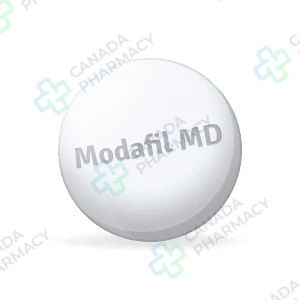
Modafil MD
Price range: $ 37,00 through $ 474,00
Active substance: Modafinil
More Details
This product has multiple variants. The options may be chosen on the product page
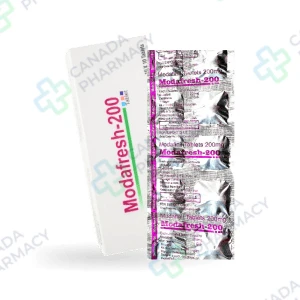
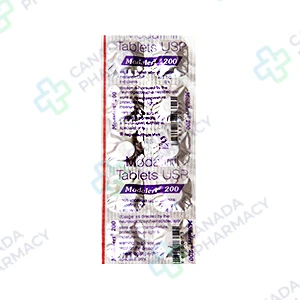
Modalert
Price range: $ 47,00 through $ 301,00
Active substance: Modafinil
More Details
This product has multiple variants. The options may be chosen on the product page
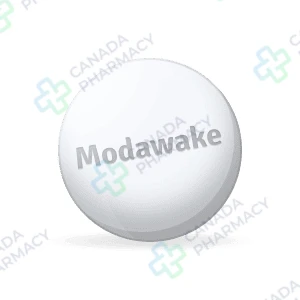
Modawake
Price range: $ 75,00 through $ 236,00
Active substance: Modafinil
More Details
This product has multiple variants. The options may be chosen on the product page

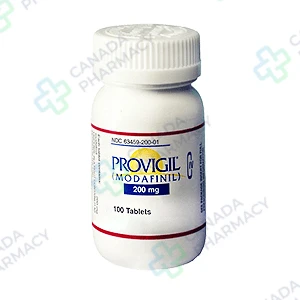
Provigil
Price range: $ 47,00 through $ 301,00
Active substance: Modafinil
More Details
This product has multiple variants. The options may be chosen on the product page


Waklert
Price range: $ 65,00 through $ 426,00
Active substance: Armodafinil
More Details
This product has multiple variants. The options may be chosen on the product page