-57%
Mobic
Price range: $ 18,00 through $ 140,00
Modafresh
Price range: $ 18,00 through $ 312,00
Modafil MD
Price range: $ 37,00 through $ 474,00
Modafil MD is a high-quality medication specifically designed to promote wakefulness and enhance alertness in individuals facing excessive daytime sleepiness. This product is primarily used to manage conditions such as narcolepsy and obstructive sleep apnea, helping users maintain a steady state of vigilance. The sublingual formula is also highly effective for those experiencing shift work sleep disorder, providing support for focus during non-traditional working hours. The “MD” designation signifies a convenient, mouth-dissolving tablet that allows for rapid absorption and ease of use at any time. By targeting specific centers in the brain, Modafil MD helps you achieve a more active and productive lifestyle throughout the day.
Active substance: Modafinil
Delivery: 5–21 days (depending on the shipping method)
Extra 10% discount with coupon: IT4K6SVM
Each dosage option has its own packaging choices.
Description
Modafil MD belongs to a class of central nervous system medications known as wakefulness-promoting agents, containing modafinil as its active pharmaceutical ingredient. In the United States, modafinil is designated as a prescription-only (Rx) medication and is classified as a Schedule IV federal controlled substance due to a recognized potential for dependence and abuse.
The medication is prescribed by healthcare providers to treat excessive daytime sleepiness associated with diagnosed sleep disorders. Proper utilization of this treatment requires a valid prescription, individual dose evaluation by a clinician, and regular monitoring throughout the treatment course.
| Parameter | Details |
|---|---|
| Active Ingredient | Modafinil |
| Therapeutic Class | Central Nervous System Agent / Wakefulness-Promoting Agent |
| Dosage Form | Orally disintegrating tablet (ODT) |
| Route of Administration | Oral / Sublingual |
| Prescription Status | Prescription Only (Rx) |
| Primary Purpose | Management of excessive daytime sleepiness |
| Storage | Controlled room temperature 68°F to 77°F (20°C to 25°C) |
Clinical Overview and Pharmacological Profile
Main Indications and Mechanisms
Main uses: Modafil MD is indicated for reducing excessive daytime sleepiness in adult patients diagnosed with narcolepsy, obstructive sleep apnea (OSA), or shift work disorder (SWD). In patients with obstructive sleep apnea, the drug is used as an adjunct to primary underlying therapies, such as continuous positive airway pressure (CPAP), and does not treat the underlying airway obstruction itself. Any potential off-label applications–such as management of fatigue associated with multiple sclerosis or attention deficit conditions–have not received formal approval from the Food and Drug Administration (FDA) and must only be conducted under explicit medical supervision.
How the drug works: Modafil MD exerts its therapeutic effect by altering chemical messengers within central nervous system regions that regulate the sleep-wake cycle. Unlike conventional sympathomimetic amphetamines, modafinil acts selectively on wakefulness centers located in the hypothalamus. It binds to the dopamine transporter (DAT) and inhibits dopamine reuptake, leading to increased extracellular dopamine levels in specific brain regions. Additionally, modafinil interacts with histamine, norepinephrine, and orexin neurotransmitter pathways, promoting conscious wakefulness without inducing generalized peripheral sympathetic activation.
How it’s absorbed and eliminated: Following oral administration, the disintegrating formulation allows rapid dissolution in the mouth followed by gastrointestinal absorption. Peak plasma concentrations are reached within approximately 2 to 4 hours after intake. Modafinil exhibits a plasma elimination half-life ranging between 12 and 15 hours in healthy adults, supporting a once-daily dosing regimen. Hepatic metabolism serves as the primary route of elimination, predominantly mediated by the cytochrome P450 3A4/5 (CYP3A4/5) enzyme pathways. The inactive metabolites, including modafinil acid and modafinil sulfone, are subsequently excreted through the kidneys in urine. Clearance is diminished in elderly individuals and patients with severe hepatic impairment, necessitating dose reductions in those patient groups.
Safety, Dosing, and Patient Guidance
Dosage and Administration Guidelines
Dosing schedule: For patients treated for narcolepsy or obstructive sleep apnea, the standard recommended dosage of modafinil is 200 mg administered orally once daily as a single dose in the morning. For patients with shift work disorder, a 200 mg dose is typically taken approximately 1 hour prior to the start of the scheduled work shift. Modafil MD disintegrating tablets should be allowed to dissolve on or under the tongue before swallowing. Dosage adjustments are required for specific clinical profiles; for instance, patients with severe liver impairment should receive a reduced daily dose of 100 mg. Clinicians may adjust individual dosing protocols based on patient response and therapeutic goals.
Adverse Effects and Safety Warnings
Adverse reactions: Clinical evaluations indicate that modafinil is generally tolerated, but adverse effects may occur. Common side effects reported include headache, nausea, nervousness, rhinitis, anxiety, insomnia, back pain, dizziness, and dyspepsia. Most mild events diminish as the patient adjusts to the medication. However, serious adverse events require immediate vigilance. Severe cutaneous reactions, including Stevens-Johnson syndrome (SJS), toxic epidermal necrolysis (TEN), and drug reaction with eosinophilia and systemic symptoms (DRESS), have been reported with modafinil. The drug must be discontinued immediately at the first sign of a skin rash, mucosal lesions, or hypersensitivity.
Important precautions: Modafinil carries warnings regarding cardiovascular safety and psychiatric effects. Patients with a history of severe hypertension, cardiac arrhythmias, left ventricular hypertrophy, or recent myocardial infarction require thorough cardiovascular screening prior to starting therapy. Psychiatric reactions, including heightened anxiety, aggression, mania, hallucinations, or suicidal ideation, may develop or worsen during treatment. Because modafinil is a Schedule IV federal controlled substance, healthcare prescribers must evaluate patients for a history of drug or alcohol abuse prior to prescribing. Usage in pregnant women is not recommended unless potential benefits outweigh fetal risks, as animal studies demonstrate developmental toxicity and human surveillance data remains limited.
Compatibility with other medicines: Modafinil acts as an inducer of CYP3A4/5 enzymes and an inhibitor of CYP2C19 enzymes, creating significant potential for metabolic drug interactions. A critical interaction occurs with hormonal contraceptives, including oral tablets, transdermal patches, implants, and injections. Modafinil enhances the clearance of hormonal agents, significantly reducing their effectiveness. Patients using hormonal birth control must utilize an alternative, non-hormonal method of contraception during treatment and for one month following therapy discontinuation. Furthermore, modafinil can decrease plasma concentrations of cyclosporine, triazolam, and midazolam, while elevating systemic levels of drugs metabolized by CYP2C19, such as diazepam, phenytoin, propranolol, and omeprazole.
What to avoid while taking it: Co-administration of food does not significantly alter the overall extent of modafinil absorption, though it may delay peak plasma concentrations by approximately 1 to 2 hours. Alcohol consumption should be strictly avoided while taking Modafil MD, as central nervous system interactions between modafinil and ethanol have not been fully established and unpredictable neuro-psychiatric reactions can occur. Patients should also limit excessive intake of dietary caffeine or stimulant beverages, which can exacerbate side effects such as palpitations, elevated heart rate, and nervousness.
Practical tips: Patients utilizing Modafil MD should establish a consistent administration routine aligned with their prescribed daily schedule. Taking the dose late in the afternoon or evening can cause severe nocturnal insomnia. Maintain adequate daily hydration and report any emerging physical, dermatological, or psychological symptoms to your healthcare provider without delay. Patients should exercise caution when operating motor vehicles or operating hazardous machinery until they are reasonably certain that modafinil therapy does not adversely affect their alertness or motor coordination.
If you skip a dose: If a scheduled morning or pre-shift dose of Modafil MD is missed, it should be taken as soon as remembered on that day. However, if it is already late in the afternoon or close to regular sleep hours, the missed dose should be skipped entirely to maintain normal sleep architecture. Patients must never take two doses simultaneously or take an extra dose to make up for a missed tablet.
Storage and expiration: Modafil MD tablets must be stored at controlled room temperature between 68°F and 77°F (20°C to 25°C), with temporary excursions permitted between 59°F and 86°F (15°C to 30°C). Store the medication inside its original blister packaging or tight container to protect it from moisture, high humidity, and direct sunlight. Keep the product securely stored away from children and unauthorized individuals, in accordance with regulations for controlled substances. Unused or expired tablets should be disposed of through authorized pharmacy take-back programs or state-approved disposal methods.
Frequently Asked Questions
Does Modafil MD interact with oral birth control pills?
Yes. Modafinil induces CYP3A4 enzymes, which accelerates the breakdown of estrogenic and progestational compounds found in birth control pills, patches, and implants. This interaction reduces contraceptive efficacy and increases the risk of unintended pregnancy. Patients must use an alternative non-hormonal barrier method of contraception during treatment and for 30 days after stopping Modafil MD.
Is Modafil MD a federally controlled substance in the US?
Yes. Modafinil is classified by the Drug Enforcement Administration (DEA) as a Schedule IV controlled substance. While its potential for abuse and physical dependence is lower than Schedule II stimulants, it carries recognized potential for misuse. Consequently, it must only be taken by the person to whom it was legally prescribed.
What should I do if I notice a skin rash after taking a dose?
You must stop taking Modafil MD immediately and seek urgent medical evaluation. Serious skin conditions, such as Stevens-Johnson syndrome, can begin as a mild rash or flu-like symptoms before progressing. Any new rash or mucosal sore warrants prompt medical assessment by a physician.
Can I drive or operate heavy machinery while taking Modafil MD?
Although modafinil promotes wakefulness, it may not completely restore normal levels of alertness in individuals with underlying sleep disorders. Until you observe how the medication specifically affects your alertness and reaction times, avoid driving, operating machinery, or participating in hazardous tasks.
Does Modafil MD cure narcolepsy or sleep apnea?
No. Modafinil is a symptomatic treatment that helps manage excessive daytime sleepiness; it does not cure underlying neurological or obstructive sleep disorders. Patients diagnosed with obstructive sleep apnea must continue using their primary airway therapies, such as continuous positive airway pressure (CPAP), as directed by their clinician.
Source and Regulatory Notice: Prescribing information aligns with United States Food and Drug Administration (FDA) regulatory guidelines for modafinil oral formulations.
This content is informational and does not replace a consultation with your doctor or pharmacist.
Additional information
| Dosage |
200 mg |
|---|---|
| Package |
10 pills ,20 pills ,30 pills ,50 pills ,100 pills ,200 pills ,300 pills |
| Ενεργός Ουσία |
Related products
Armod
Price range: $ 68,00 through $ 255,00
Active substance: Armodafinil
More Details
This product has multiple variants. The options may be chosen on the product page

Artvigil
Price range: $ 65,00 through $ 398,00
Active substance: Armodafinil
More Details
This product has multiple variants. The options may be chosen on the product page

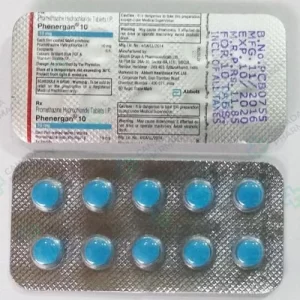
Phenergan
Price range: $ 42,00 through $ 136,00
Active substance: Promethazine
More Details
This product has multiple variants. The options may be chosen on the product page

Unisom
Price range: $ 46,00 through $ 232,00
Active substance: diphenhydramine
More Details
This product has multiple variants. The options may be chosen on the product page