-48%
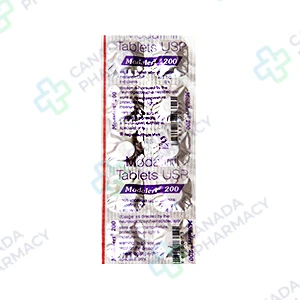
Modalert
Price range: $ 47,00 through $ 301,00
Modvigil
Price range: $ 61,00 through $ 759,00
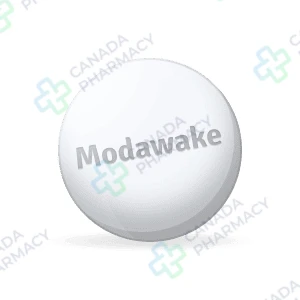
Modawake
Price range: $ 75,00 through $ 236,00
Modawake is a highly effective wakefulness-promoting agent designed to manage excessive sleepiness associated with various sleep disorders. It is primarily utilized to improve alertness in adults diagnosed with narcolepsy, helping them maintain a steady level of wakefulness throughout the day. The medication also serves as a reliable option for individuals experiencing persistent daytime drowsiness caused by obstructive sleep apnea. For those working irregular hours, Modawake provides the necessary support to combat the fatigue often associated with shift work sleep disorder. By promoting sustained mental clarity, this product helps users stay productive and alert during their most important activities.
Active substance: Modafinil
Delivery: 5–21 days (depending on the shipping method)
Extra 10% discount with coupon: IT4K6SVM
Each dosage option has its own packaging choices.
Description
Modawake belongs to a class of central nervous system agents designated as wakefulness-promoting agents. It contains modafinil as its active pharmaceutical ingredient and is evaluated for improving wakefulness in adult patients who experience excessive sleepiness associated with diagnosed sleep disorders.
This medication requires proper medical assessment and oversight, as dispensing is conducted in accordance with applicable federal and state regulations governing prescription central nervous system stimulants.
| Drug name | Modawake |
| Active ingredient (INN) | Modafinil |
| Dosage form | Oral tablet |
| Route of administration | Oral |
| Primary purpose | Wakefulness promotion |
| Prescription status | Dispensed in accordance with applicable federal and state regulations |
Overview and Clinical Profile
Main uses
Modafinil is indicated to improve wakefulness in adult patients with excessive sleepiness associated with narcolepsy, obstructive sleep apnea (OSA), and shift work disorder (SWD). In patients with obstructive sleep apnea, the drug is indicated as an adjunct to standard treatments for the underlying airway obstruction, such as continuous positive airway pressure (CPAP), rather than as a replacement for primary therapies. Off-label indications–such as off-label use for fatigue associated with structural neurological conditions or psychiatric conditions–are not FDA-approved applications and must be evaluated on an individual risk-benefit basis by a licensed healthcare provider.
How the drug works
The exact mechanism of action of modafinil in promoting wakefulness remains incompletely understood. Pharmacological studies demonstrate that modafinil binds to the dopamine transporter (DAT) and inhibits dopamine reuptake, resulting in increased extracellular dopamine levels in specific brain regions. In addition to its action on dopamine pathways, modafinil modulates central neurochemical systems involving histamine, norepinephrine, serotonin, glutamate, and gamma-aminobutyric acid (GABA) in hypothalamic wakefulness circuits. Unlike classical central nervous system stimulants like amphetamines, modafinil demonstrates lower affinity for dopamine transporters and exhibits a distinct central binding profile.
Dosing schedule
For patients with narcolepsy or obstructive sleep apnea, the standard recommended dosage is 200 mg taken orally once daily as a single dose in the morning. For patients treated for shift work disorder, the standard dosage is 200 mg taken orally approximately one hour prior to the start of their work shift. Dosages are determined individually by the prescribing provider based on therapeutic response and clinical tolerance. In patients with severe hepatic impairment, the daily dose should be reduced to 50% of the standard recommended dosage. Tablets should be swallowed whole with fluid and may be administered with or without food.
What happens in the body
Following oral administration, modafinil is rapidly absorbed, reaching peak plasma concentrations within 2 to 4 hours. Absolute oral bioavailability is high, though co-administration with food may delay absorption by approximately one hour without altering the overall area under the curve (AUC). Modafinil is approximately 60% bound to plasma proteins, primarily plasma albumin. Metabolism occurs extensively in the liver via cytochrome P450 pathways, specifically CYP3A4/5, as well as non-CYP enzymatic pathways, producing inactive metabolites including modafinil acid and modafinil sulfone. The elimination half-life is approximately 12 to 15 hours. Less than 10% of the parent drug is excreted unchanged in the urine.
Safety Profile, Interactions, and FAQ
Adverse reactions
In clinical trials, headache was the most commonly reported adverse event associated with modafinil administration. Other frequently observed adverse reactions include nausea, nervousness, anxiety, insomnia, dizziness, dyspepsia, diarrhea, and dry mouth. Rare but severe adverse effects include serious cutaneous reactions such as Stevens-Johnson syndrome (SJS), toxic epidermal necrolysis (TEN), and drug reaction with eosinophilia and systemic symptoms (DRESS). Psychiatric events–including hypomania, mania, hallucinations, agitation, and suicidal ideation–have been reported. If a severe skin rash, mucosal erosion, or signs of systemic hypersensitivity occur, treatment must be discontinued immediately and emergency medical care sought.
Important precautions
Modafinil requires cautious evaluation in patients with underlying cardiovascular conditions, including severe hypertension, recent myocardial infarction, or unstable angina. Regular monitoring of blood pressure and heart rate is recommended during treatment. Patients with severe hepatic impairment require modified dosing protocols, while elderly patients may exhibit reduced clearance necessitating careful dose selection. Modafinil is not recommended during pregnancy or for individuals planning pregnancy due to potential risks of major congenital malformations and intrauterine growth restriction. The safety and effectiveness of modafinil in pediatric patients under 17 years of age have not been established.
Compatibility with other medicines
Modafinil induces CYP3A4/5 enzymes and weakly inhibits CYP2C19 enzymes, creating potential for significant drug interactions. Co-administration of modafinil with hormonal contraceptives (including oral tablets, implants, patches, and vaginal rings) significantly reduces contraceptive efficacy; alternative or concomitant non-hormonal contraceptive methods must be used during therapy and for one month following treatment discontinuation. Concomitant administration with drugs metabolized by CYP2C19, such as omeprazole, diazepam, or phenytoin, may increase systemic exposure to these agents. Additionally, modafinil may lower circulating levels of CYP3A4 substrates, including cyclosporine and certain oral anticoagulants.
Food and alcohol interactions
Administration of modafinil with food does not alter the overall absorption extent of the drug, although it may delay peak blood levels by approximately one hour. Concomitant use of alcohol with modafinil is strongly discouraged. The central nervous system effects of combined alcohol and wakefulness-promoting agents have not been systematically evaluated, and alcohol may impair cognitive control while undermining the intended therapeutic effect of alertness.
If you skip a dose
If a daily dose of modafinil is missed, the patient should skip the missed tablet if it is already late in the day. Taking a missed dose during the afternoon or evening increases the likelihood of nighttime insomnia and disrupted sleep architecture. The patient should resume their regular dosing schedule the following morning or prior to their next scheduled work shift. Patients must not double the dose to make up for a missed tablet.
Storage and expiration
Modawake tablets should be stored at controlled room temperature, ideally between 20°C and 25°C (68°F to 77°F), with permitted excursions between 15°C and 30°C (59°F to 86°F). Protect the medication from excessive heat, high humidity, and direct sunlight by keeping tablets in their original packaging. Store securely out of reach of children and unauthorized individuals. Discard any medication that has passed the expiration date stated on the package.
Practical tips
Establishing a consistent daily administration routine helps align the peak therapeutic effect with required waking hours while preserving nocturnal sleep. Patients taking modafinil for shift work disorder should plan their administration timing precisely 60 minutes before starting their shift. Because mild dry mouth may occur, maintaining adequate hydration throughout waking hours is advisable. Individuals using hormonal contraception should consult their physician to select reliable non-hormonal barrier methods before initiating modafinil therapy.
Common questions
How does modafinil affect nighttime sleep if taken late in the day?
Because modafinil has an elimination half-life of 12 to 15 hours, taking a dose late in the day or during the afternoon can result in significant residual drug concentrations at bedtime. This central nervous system stimulation can interfere with normal sleep onset, leading to prolonged sleep latency and nocturnal insomnia.
Can modafinil interfere with hormonal birth control?
Yes. Modafinil induces the hepatic enzyme CYP3A4, which accelerates the breakdown of synthetic estrogen and progestin hormones found in oral contraceptive pills, patches, implants, and injections. This interaction reduces contraceptive efficacy. Alternative or supplemental non-hormonal birth control methods should be used during treatment and for 30 days after stopping modafinil.
What should be done if a skin rash appears during treatment?
If any skin rash, hives, mouth sores, or skin peeling develops while taking modafinil, the drug should be discontinued immediately. Severe cutaneous reactions, including Stevens-Johnson syndrome, have been reported with modafinil. Patients should seek immediate medical evaluation at an emergency medical facility upon first appearance of a rash.
Is modafinil pharmacologically identical to traditional amphetamine stimulants?
No. While modafinil promotes wakefulness and interacts with central dopamine pathways, its chemical structure, receptor-binding affinities, and neurochemical profile differ from traditional sympathomimetic stimulants like amphetamines or methylphenidate. It exhibits lower affinity for dopamine transporters and distinct hypothalamic activation patterns.
In accordance with FDA requirements.
This material is educational. Only a licensed prescriber can determine whether a medication is appropriate for you.
Additional information
| Dosage |
200 mg |
|---|---|
| Package |
50 pills ,100 pills ,200 pills ,300 pills |
| Ενεργός Ουσία |
Related products
Armod
Price range: $ 68,00 through $ 255,00
Active substance: Armodafinil
More Details
This product has multiple variants. The options may be chosen on the product page
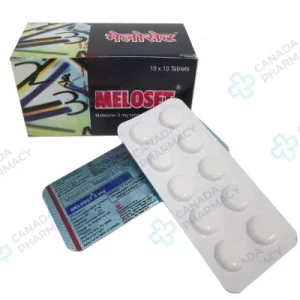
Meloset
Price range: $ 11,00 through $ 52,00
Active substance: Melatonin
More Details
This product has multiple variants. The options may be chosen on the product page
Modafil MD
Price range: $ 37,00 through $ 474,00
Active substance: Modafinil
More Details
This product has multiple variants. The options may be chosen on the product page
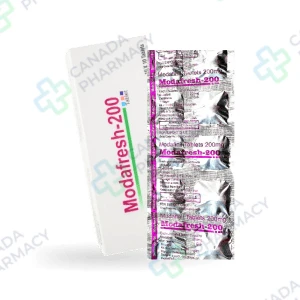
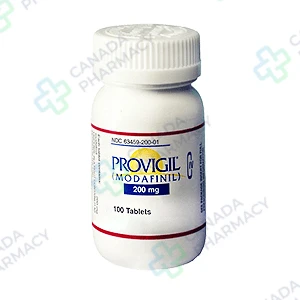
Provigil
Price range: $ 47,00 through $ 301,00
Active substance: Modafinil
More Details
This product has multiple variants. The options may be chosen on the product page

Unisom
Price range: $ 46,00 through $ 232,00
Active substance: diphenhydramine
More Details
This product has multiple variants. The options may be chosen on the product page