

-40%

Tugain Gel
Price range: $ 27,00 through $ 91,00
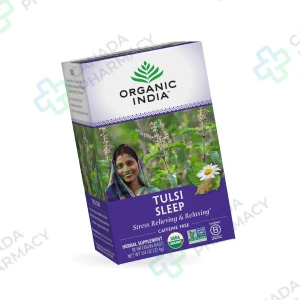
Tulsi Sleep
Price range: $ 10,00 through $ 28,00
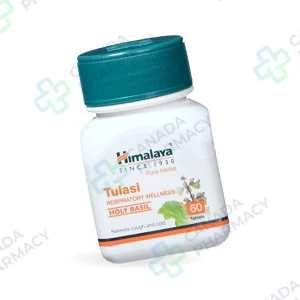
Tulasi
Price range: $ 9,00 through $ 27,00
Tulasi, also known as Holy Basil, is a revered herbal supplement widely used in traditional wellness practices to support long-term health. This natural formula is primarily recognized for its ability to maintain respiratory comfort and promote clear, healthy airways. In addition to soothing the respiratory tract, Tulasi acts as a powerful antioxidant that helps strengthen the body’s natural immune response. Many people incorporate this supplement into their daily routine to help manage environmental stress and foster a sense of calm and balance. These pure herbal capsules provide an effective way to enhance your general vitality and overall physical well-being.
Active substance: Herbal
Delivery: 5–21 days (depending on the shipping method)
Extra 10% discount with coupon: IT4K6SVM
Each dosage option has its own packaging choices.
Description
Tulasi works primarily through its active botanical compounds, such as eugenol, ursolic acid, and rosmarinic acid, which help modulate oxidative stress responses within human tissues. This adaptogenic mechanism helps support respiratory comfort and cellular resilience during mild physiological stress.
In the United States, Tulasi (commonly known as Holy Basil or Ocimum sanctum) is classified and sold over the counter as an herbal dietary supplement dispensed in accordance with applicable federal and state regulations.
Key Product Information
| Attribute | Details |
|---|---|
| Drug / Supplement Name | Tulasi |
| Active Ingredient | Ocimum sanctum L. (Holy Basil) leaf extract |
| Regulatory Status | Over-the-counter dietary supplement |
| Primary Purpose | Botanical support for respiratory health and stress adaptation |
| Dosage Form | Oral capsules / oral tablets |
| Storage | Cool, dry place away from heat and direct sunlight |
Detailed Pharmacological and Clinical Guide
How the drug works
On one hand, laboratory studies suggest that Ocimum sanctum exerts its biological effects through secondary plant metabolites, primarily eugenol, caryophyllene, and ursolic acid. These chemical constituents interact with systemic oxidative cascades, inhibiting certain inflammatory pathways like cyclooxygenase (COX-2) activity in vitro. On the other hand, its adaptogenic profile suggests a mild modulating influence on the hypothalamic-pituitary-adrenal (HPA) axis, which governs bodily stress responses. Unlike synthetic pharmaceutical agents that target single isolated cell receptors, Tulasi functions through a complex mixture of natural phytochemicals. Consequently, its therapeutic action is cumulative and subtle rather than immediate or intensive.
Main uses
Tulasi is primarily utilized as a dietary herbal supplement intended to support healthy upper respiratory function and maintain metabolic resilience against daily environmental stressors. In traditional Ayurvedic systems, it has been used to manage cough symptoms and clear bronchial passages, while modern consumers often seek it for general adaptogenic benefits. It is important to note that the United States Food and Drug Administration (FDA) has not evaluated these structure-function claims for the treatment or prevention of any medical disease. Any use of Tulasi for diagnosed chronic respiratory illness, metabolic disorders, or clinical anxiety should be considered off-label from a conventional medical standpoint and discussed with a licensed provider.
Dosing schedule
Standard oral administration typically ranges from 300 mg to 600 mg of standardized extract taken once or twice daily. Because standardized concentrations vary significantly across different botanical preparations, the dose is determined individually based on product specificities and practitioner guidance. Capsules or tablets are best swallowed whole with a full glass of water. Daily intake should strictly follow label instructions or specific direction from a clinical provider. For long-term supplementation exceeding eight consecutive weeks, periodic re-evaluation by a healthcare provider is recommended to assess continuing suitability, as comprehensive safety data for uninterrupted, multi-year intake remain limited.
What happens in the body
Following oral ingestion, the active constituents of Ocimum sanctum are absorbed through the gastrointestinal mucosa, though complete bioavailability profiles in human subjects remain incompletely mapped. Bioactive components like eugenol are processed by the hepatic system via glucuronide and sulfate conjugation phase II metabolic pathways. Plasma concentration peaks generally occur within one to two hours post-ingestion, followed by systemic distribution to peripheral tissues. Excretion occurs primarily via renal pathways and biliary elimination. The exact biological half-life varies between individuals due to variances in gut microbiome activity, metabolic rate, and systemic liver clearance capacity.
Compatibility with other medicines
Tulasi exhibits notable potential interactions with several therapeutic drug classes. On one hand, its light antiplatelet and anticoagulant properties mean concurrent use with prescription blood thinners, such as warfarin, aspirin, or clopidogrel, may increase bleeding risk. On the other hand, because Holy Basil may lower blood glucose levels, co-administration with antidiabetic medications (including insulin or metformin) requires careful glucose monitoring to prevent hypoglycemic episodes. Additionally, preliminary studies demonstrate potential interactions with sedative medications and thyroid therapies; Tulasi may alter circulating thyroid hormone levels (specifically T3 and T4 balance). Always inform your healthcare provider about all botanical supplements before combining them with prescribed therapies.
Adverse reactions
Tulasi is generally well-tolerated by most healthy adult consumers, but adverse effects can occur. Mild gastrointestinal disturbances, including nausea, soft stools, or light abdominal discomfort, represent the most common reported reactions during initial administration. Some individuals may experience transient dizziness or lightheadedness, particularly if taken on an empty stomach. Hypoglycemic symptoms, such as sweating, shakiness, or mild confusion, may develop in sensitive individuals or those taking blood-sugar-lowering therapies simultaneously. Severe allergic reactions–such as skin rash, hives, or swelling of facial tissues–are rare but require immediate discontinuation. Patients experiencing persistent or unexplained symptoms should stop taking the product immediately.
What you may notice early on
During the first few days of starting Tulasi supplementation, subtle changes in subjective stress levels and respiratory comfort may begin to manifest. Unlike fast-acting prescription drugs, botanical adaptogens generally produce gradual, cumulative effects over one to three weeks of continuous use. Initial gastrointestinal adaptation is common, and mild stomach sensitivity during the first two days usually resolves promptly when taken alongside meals. If no noticeable difference occurs after several weeks, dose adjustment or alternative clinical strategies may be considered under professional guidance.
What to avoid while taking it
Tulasi can be consumed with or without food, though taking it with meals significantly reduces the likelihood of mild stomach irritation. Moderate alcohol intake does not have a direct, severe toxicity interaction with Holy Basil; however, since both substances can affect central nervous system relaxation and hepatic metabolism, excessive alcohol consumption should be avoided. Caution is advised when combining Tulasi with heavy caffeine intake or potent stimulant herbs, as opposing effects on physiological stress responses may reduce the intended adaptogenic benefit.
Practical tips
Integrating Tulasi into daily routines is simple when consistent timing is maintained. Many users prefer taking their scheduled dose in the morning with breakfast to establish daily coverage, or split into morning and early evening doses. If scheduled for surgical or dental procedures, users in locations such as Chicago are routinely advised by surgical teams to stop all herbal supplements, including Tulasi, at least two weeks prior to surgery to minimize bleeding risks and anesthetic interactions.
Storage and expiration
To preserve botanical potency and prevent degradation of volatile essential oils like eugenol, store Tulasi capsules in their original, tightly sealed container. Keep the bottle in a cool, dry place away from heat, direct sunlight, and excess moisture, avoiding bathroom storage cabinets. Always check the printed expiration date on the package, and discard any product that exhibits discoloration, unexpected moisture damage, or an unusual odor beyond its shelf life.
Important precautions
Caution is warranted in specific patient cohorts. Safety during pregnancy and breastfeeding has not been established; Ocimum sanctum may exert anti-fertility effects or stimulate uterine contractions, making it unrecommended for pregnant women or those trying to conceive. Patients with known bleeding disorders or upcoming scheduled surgeries must avoid use due to anticoagulant potential. Individuals diagnosed with hypothyroidism should exercise caution, as Holy Basil may lower circulating thyroid hormone levels. Children and elderly patients should use this supplement only under direct medical supervision, with dosages adjusted appropriately for metabolic capacity and body weight.
Common questions
Can Tulasi be taken alongside daily thyroid medication?
Caution is advised when combining Tulasi with thyroid medications such as levothyroxine. Animal studies suggest that Holy Basil extracts may reduce circulating T3 and T4 thyroid hormone concentrations. Combining it with thyroid replacement therapy could interfere with hormone level balance. If you have a diagnosed thyroid disorder, consult your endocrinologist before starting Tulasi supplementation to monitor thyroid function tests appropriately.
Should I stop taking Tulasi before undergoing surgery?
Yes, it is recommended to discontinue Tulasi supplementation at least two weeks before any scheduled elective surgical or dental procedure. Tulasi possesses mild blood-thinning properties that may extend bleeding time during and after surgery. Additionally, botanical compounds can potentially interact with surgical anesthetics and sedative agents, making temporary cessation essential for patient safety.
What should I do if a scheduled dose of Tulasi is missed?
If you miss a dose of Tulasi, take it as soon as you remember, provided it is not close to the time for your next scheduled dose. If it is almost time for your next routine dose, skip the missed dose and resume your standard administration schedule. Never double the dose to make up for a missed tablet, as taking excessive amounts may increase the risk of stomach upset or mild hypoglycemia.
Does Tulasi cause drowsiness or affect the ability to drive?
Tulasi generally does not cause significant sedation or impair cognitive function in standard dietary doses. However, because it acts as an adaptogen and exerts mild calming effects on the central nervous system, sensitive individuals might experience slight drowsiness, especially if taken alongside other relaxing herbal remedies or medications. Evaluate your personal response to the supplement before driving or operating heavy machinery.
Source and disclaimer
In accordance with FDA requirements, dietary supplements are not intended to diagnose, treat, cure, or prevent any disease.
This text is for informational purposes only and does not constitute individual medical advice.
Additional information
| Dosage |
60 tabs |
|---|---|
| Package |
1 bottles ,3 bottles ,5 bottles |
| Ενεργός Ουσία |
Related products
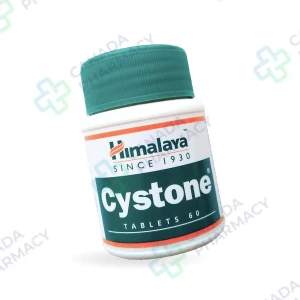
Cystone
Price range: $ 63,00 through $ 76,00
Active substance: Pasanabheda, Shilapushpa
More Details
This product has multiple variants. The options may be chosen on the product page
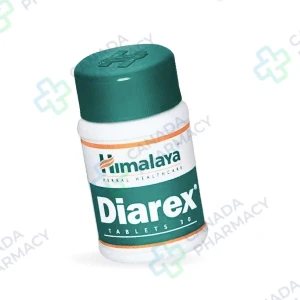
Diarex
Price range: $ 54,00 through $ 236,00
Active substance: Diarex
More Details
This product has multiple variants. The options may be chosen on the product page
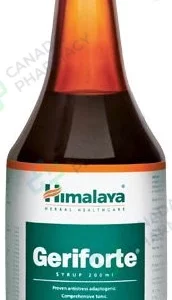
Geriforte Syrup
Price range: $ 41,00 through $ 246,00
Active substance: Geriforte Syrup
More Details
This product has multiple variants. The options may be chosen on the product page
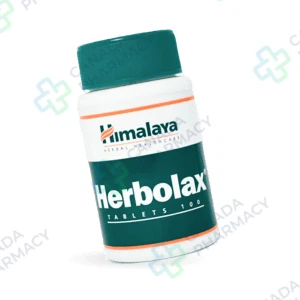
Herbolax
Price range: $ 50,00 through $ 83,00
Active substance: Chebulic Myrobalan, Trivruth
More Details
This product has multiple variants. The options may be chosen on the product page
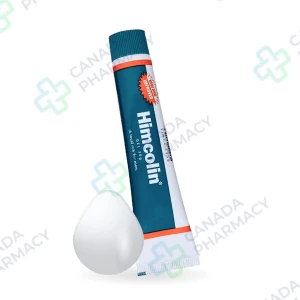
Himcolin
$ 57,00
Active substance: Himcolin
More Details
This product has multiple variants. The options may be chosen on the product page
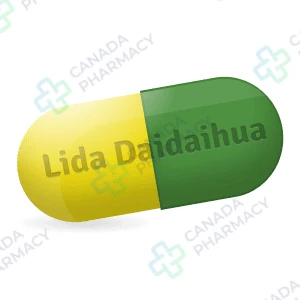
Lida daidaihua
Price range: $ 52,00 through $ 171,00
Active substance: Synephrine
More Details
This product has multiple variants. The options may be chosen on the product page
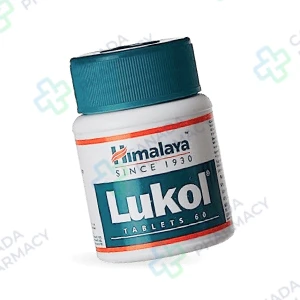
Lukol
More Details
This product has multiple variants. The options may be chosen on the product page
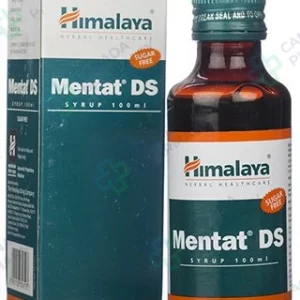
Mentat DS syrup
Price range: $ 49,00 through $ 341,00
Active substance: Brahmi
More Details
This product has multiple variants. The options may be chosen on the product page