

-27%
Conjubrook
Price range: $ 215,00 through $ 705,00
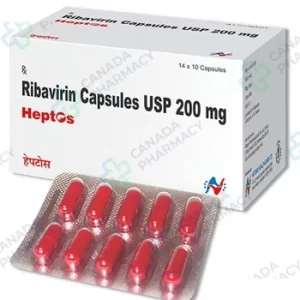
Copegus
Price range: $ 171,00 through $ 452,00
Contrave
Price range: $ 49,00 through $ 644,00
Contrave is an FDA-approved oral medication specifically designed to assist adults in achieving long-term weight management goals. By combining two active ingredients, naltrexone and bupropion, this treatment targets the areas of the brain responsible for hunger and the reward system. It is intended for individuals with a body mass index (BMI) of 30 or greater, or those with a BMI of 27 or greater who also have weight-related medical conditions. This medication helps to reduce food cravings and control appetite, making it easier to adhere to a reduced-calorie diet. When used alongside increased physical activity and a healthy lifestyle, Contrave provides a comprehensive approach to sustainable weight loss.
Active substance: Bupropion, Naltrexone
Delivery: 5–21 days (depending on the shipping method)
Extra 10% discount with coupon: IT4K6SVM
Each dosage option has its own packaging choices.
Description
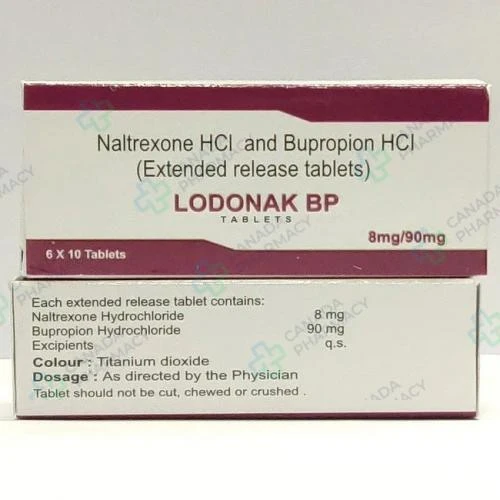
Contrave is an FDA-approved prescription medication combining naltrexone hydrochloride (8 mg) and bupropion hydrochloride (90 mg) in an extended-release tablet formulation. It belongs to the therapeutic class of central nervous system agents designated for chronic weight management when used as an adjunct to a reduced-calorie diet and increased physical activity.
This medication is specifically indicated for adults with an initial body mass index (BMI) of 30 kg/m² or greater (obese), or 27 kg/m² or greater (overweight) in the presence of at least one weight-related comorbid condition, such as controlled hypertension, type 2 diabetes mellitus, or dyslipidemia. Because Contrave carries serious clinical warnings, including a boxed warning regarding neuropsychiatric reactions, patients must strictly adhere to prescribing guidelines and safety monitoring.
| Attribute | Clinical Detail |
|---|---|
| Active Ingredients | Naltrexone hydrochloride / Bupropion hydrochloride (8 mg / 90 mg) |
| Therapeutic Class | Opioid antagonist / Aminoketone antidepressant combination |
| Dosage Form | Extended-release tri-layer tablet |
| Route of Administration | Oral |
| Prescription Status | Prescription only (Rx) |
| Primary Purpose | Chronic weight management in eligible adult patients |
Safety Profile and Critical Warnings
Important Precautions: Contrave carries a Boxed Warning regarding the bupropion component, which is associated with an increased risk of suicidal thoughts and behaviors in children, adolescents, and young adults taking antidepressants. Patients, families, and caregivers must monitor for any emerging depression, suicidal ideation, unusual mood shifts, or behavioral changes. Contrave is not approved for use in pediatric patients under 18 years of age.
Bupropion also carries a dose-dependent risk of seizures. To minimize seizure risk, healthcare providers strictly enforce the gradual weekly dose escalation titration and limit the maximum daily dose to four tablets (32 mg naltrexone / 360 mg bupropion). Contrave is strictly contraindicated in patients with a history of seizure disorders, current or prior diagnosis of anorexia nervosa or bulimia, or those undergoing abrupt discontinuation of alcohol, benzodiazepines, barbiturates, or antiepileptic drugs.
Naltrexone acts as a potent opioid receptor antagonist. Therefore, Contrave is strictly contraindicated in patients taking chronic opioids, opiate agonists (such as methadone or buprenorphine), or those undergoing acute opioid withdrawal. Attempting to overcome naltrexone blockade by administering large doses of exogenous opioids can lead to life-threatening opioid intoxication, severe respiratory depression, and fatal overdose. Patients requiring elective surgery involving opioid analgesia must suspend Contrave therapy temporarily under physician direction.
Adverse Reactions and Red Flags
Common adverse reactions observed in clinical trials include nausea, constipation, headache, vomiting, dizziness, insomnia, dry mouth, and diarrhea. Nausea represents the most frequent adverse event leading to treatment discontinuation (occurring in approximately 30% of clinical trial participants). Increasing fluid intake and strictly adhering to the meal restrictions can assist in managing mild gastrointestinal discomfort.
Certain clinical signs require immediate emergency intervention. Patients experiencing any of the severe manifestations listed below should discontinue treatment and seek urgent medical evaluation.
| Red Flag Manifestation | Potential Clinical Underlying Cause |
|---|---|
| Seizures or Sudden Convulsions | Bupropion-induced reduction in seizure threshold |
| Acute Suicidal Thoughts or Behavior | Neuropsychiatric reaction (Boxed Warning priority) |
| Facial Swelling, Rash, or Anaphylaxis | Severe hypersensitivity reaction to active components |
| Chest Pain or Palpitations | Significant surge in blood pressure or heart rate |
| Severe Right Upper Quadrant Pain | Hepatotoxicity or acute drug-induced liver injury |
| Eye Pain or Visual Disturbances | Angle-closure glaucoma triggering in susceptible anatomy |
What to Avoid While Taking It: Patients taking Contrave must strictly avoid consuming high-fat meals when ingesting doses, as high-fat content significantly increases systemic absorption and systemic exposure of both bupropion and naltrexone, elevating the risk of adverse reactions and seizures. Excessive alcohol consumption should be avoided. Abrupt cessation of heavy alcohol intake during treatment is prohibited due to elevated seizure risk.
Pharmacological Profile and Clinical Management
Main Indications
Contrave is indicated as an adjunct to a reduced-calorie diet and increased physical activity for chronic weight management in adult patients with an initial BMI of:
- 30 kg/m² or greater (obesity), or
- 27 kg/m² or greater (overweight) accompanied by at least one weight-related medical condition (e.g., controlled hypertension, dyslipidemia, or type 2 diabetes).
Limitation of use: The effect of Contrave on cardiovascular morbidity and mortality has not been established. The safety and effectiveness of Contrave in combination with other products intended for weight loss have not been established.
Dosing Schedule
Treatment with Contrave involves a mandatory 4-week dose titration schedule to optimize gastrointestinal tolerance and reach the standard therapeutic dose. Tablets must be swallowed whole with water and must never be crushed, chewed, divided, or dissolved.
- Week 1: One tablet in the morning.
- Week 2: One tablet in the morning and one tablet in the evening.
- Week 3: Two tablets in the morning and one tablet in the evening.
- Week 4 and beyond: Two tablets in the morning and two tablets in the evening (Maximum dose: 32 mg naltrexone / 360 mg bupropion daily).
If a patient skips a dose, they should refrain from taking extra tablets. If You Skip a Dose: Simply skip the missed dose and resume the normal daily schedule at the next appointed time. Taking double doses increases peak blood levels and dramatically elevates the risk of central nervous system toxicity and seizures.
How the Drug Works: Contrave combines two neuroactive compounds targeting distinct regions of the central nervous system: the arcuate nucleus of the hypothalamus (the central appetite regulation hub) and the mesolimbic dopamine circuit (the reward center). Bupropion stimulates pro-opiomelanocortin (POMC) neurons in the hypothalamus, releasing alpha-MSH and beta-endorphin, which signals satiety. Naltrexone blocks beta-endorphin-mediated autoinhibitory feedback on POMC neurons, sustaining bupropion-induced neuron activation. Combined, these mechanisms decrease appetite and assist in controlling hedonic food cravings.
How It’s Absorbed and Eliminated: Following oral administration, peak plasma concentrations (Tmax) for both naltrexone and bupropion occur approximately 2 hours post-dose. Bupropion is extensively metabolized in the liver primarily via the CYP2B6 enzyme pathway into active metabolites, including hydroxybupropion. Naltrexone is metabolized by dihydrodiol dehydrogenase to its major active metabolite, 6-beta-naltrexol. Elimination occurs primarily through renal excretion (87% for bupropion metabolites, 53% for naltrexone metabolites). The terminal elimination half-life is approximately 21 hours for bupropion and approximately 5 hours for naltrexone (with 6-beta-naltrexol demonstrating a half-life of roughly 13 hours).
Compatibility with Other Medicines: Monoamine oxidase inhibitors (MAOIs) are strictly contraindicated due to the risk of severe hypertensive reactions; at least 14 days must elapse between discontinuing an MAOI and starting Contrave. Concomitant administration of CYP2B6 inhibitors (such as ticlopidine or clopidogrel) increases bupropion exposure and requires a dose reduction to one tablet twice daily. Bupropion is a strong inhibitor of the CYP2D6 enzyme pathway, which can significantly elevate plasma levels of co-administered drugs metabolized by CYP2D6 (including certain tricyclic antidepressants, selective serotonin reuptake inhibitors, antipsychotics, and type 1C antiarrhythmics).
Day-to-Day Use: Maintain a consistent daily routine for taking morning and evening doses. Avoid scheduling evening doses close to bedtime to prevent treatment-emergent insomnia. Periodic monitoring of blood pressure and pulse rate is required, particularly during the first several weeks of treatment, as bupropion can induce clinical increases in resting heart rate and blood pressure.
Common Questions
Q: What should be done if acute pain management requiring opioids becomes necessary while taking Contrave?
A: Contrave must be immediately discontinued if opioid analgesics are required for emergency pain management. Because naltrexone blocks opioid receptors, standard doses of opioid medications will be ineffective. Patients must inform attending medical staff that they are taking a naltrexone-containing product. Medical providers will utilize non-opioid analgesic modalities until the drug has cleared the body.
Q: Is it safe to consume alcoholic beverages during treatment with Contrave?
A: Alcohol consumption should be minimized or completely avoided during treatment. Bupropion can reduce alcohol tolerance, and excessive alcohol use–or sudden withdrawal from heavy drinking–substantially increases the risk of grand mal seizures. Discuss personal alcohol consumption habits with your prescriber before initiating therapy.
Q: How long should Contrave be taken before evaluating whether it is effective?
A: Clinical response should be formally evaluated at 12 weeks of therapy at the full maintenance dose (four tablets daily). If a patient has not lost at least 5% of their baseline body weight by week 16 of therapy, it is unlikely that meaningful weight loss will be achieved, and healthcare providers typically recommend discontinuing treatment.
Q: What steps can manage severe nausea during the initial dose escalation phase?
A: Nausea is the most reported side effect during early treatment. To manage nausea, ensure tablets are consumed with low-fat food rather than on an empty stomach, and strictly avoid high-fat meals. If nausea persists or impairs hydration, contact your physician, who may adjust the dose escalation pace.
Q: Can Contrave be stopped abruptly, or does it require gradual dose tapering?
A: While Contrave does not typically induce physical dependence, sudden discontinuation of the bupropion component does not usually cause withdrawal syndromes, but it should always be managed under medical direction. If discontinuation is indicated due to side effects or elevated blood pressure, follow specific guidance from your healthcare provider.
This text is for informational purposes only and does not constitute individual medical advice. In accordance with FDA requirements.
Additional information
| Dosage |
90mg+8mg |
|---|---|
| Package |
20 pills ,30 pills ,60 pills ,90 pills ,120 pills ,180 pills ,270 pills ,360 pills |
| Ενεργός Ουσία | , |
Related products
Astralean
Price range: $ 49,00 through $ 670,00
Active substance: Clenbuterol
More Details
This product has multiple variants. The options may be chosen on the product page
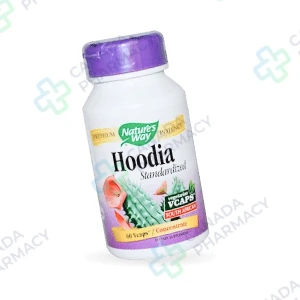
Hoodia
Price range: $ 80,00 through $ 294,00
Active substance: oxypregnane steroidal glycoside
More Details
This product has multiple variants. The options may be chosen on the product page
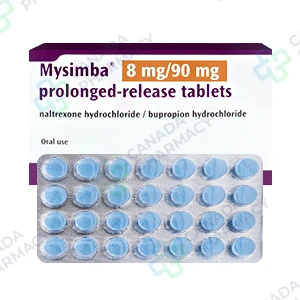
Mysimba
Price range: $ 70,00 through $ 688,00
Active substance: Bupropion, Naltrexone
More Details
This product has multiple variants. The options may be chosen on the product page
Orligal
Price range: $ 13,00 through $ 42,00
Active substance: Orlistat
More Details
This product has multiple variants. The options may be chosen on the product page
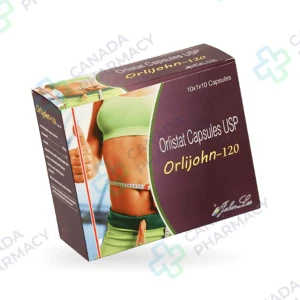
Orlijohn
Price range: $ 57,00 through $ 335,00
Active substance: Orlistat
More Details
This product has multiple variants. The options may be chosen on the product page
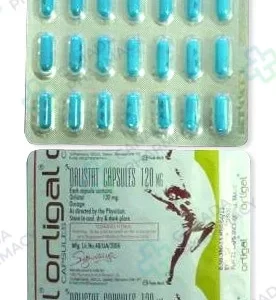
Orlistat
Price range: $ 59,00 through $ 455,00
Active substance: Orlistat
More Details
This product has multiple variants. The options may be chosen on the product page
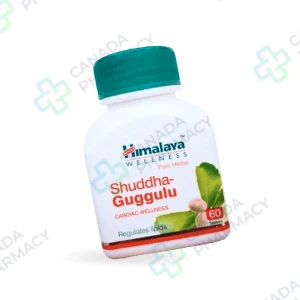
Shuddha Guggulu
Price range: $ 49,00 through $ 292,00
Active substance: Shuddha Guggulu
More Details
This product has multiple variants. The options may be chosen on the product page

Slimonil
Price range: $ 53,00 through $ 76,00
More Details
This product has multiple variants. The options may be chosen on the product page