

-19%
Opticare Ointment
Price range: $ 26,00 through $ 98,00
Ortho Tri-Cyclen
Price range: $ 28,00 through $ 56,00
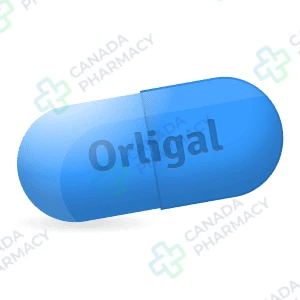
Orligal
Price range: $ 13,00 through $ 42,00
Orligal is an effective medication designed to assist individuals in achieving their weight management goals. It works by inhibiting the enzyme lipase, which prevents a significant portion of dietary fats from being absorbed during digestion. By reducing caloric intake from fat, this treatment helps users lose weight more efficiently when combined with a balanced diet. It is particularly beneficial for those looking to manage obesity and maintain a healthy body mass index over time. Regular use of Orligal supports long-term success in preventing weight regain and promoting overall wellness.
Active substance: Orlistat
Delivery: 5–21 days (depending on the shipping method)
Extra 10% discount with coupon: IT4K6SVM
Each dosage option has its own packaging choices.
Description
Orligal belongs to a class of medications known as gastrointestinal lipase inhibitors, which function locally within the digestive tract rather than affecting the central nervous system. It is indicated for weight management in individuals meeting specific body mass index criteria when used alongside a reduced-calorie, low-fat diet. This prescription medication is dispensed in accordance with applicable federal and state regulations within the United States.
The active component, orlistat, acts directly in the lumen of the stomach and small intestine to prevent the breakdown and absorption of dietary fats. Because systemic absorption of the active substance is minimal, the primary pharmacological action remains localized to the gastrointestinal tract.
| Active Ingredient (INN) | Orlistat |
| Therapeutic Class | Gastrointestinal Lipase Inhibitor |
| Dosage Form | Oral Capsule |
| Route of Administration | Oral |
| Primary Purpose | Weight management in obesity or overweight with risk factors |
| Administration Timing | With fat-containing meals or up to 1 hour post-meal |
Pharmacological Profile and Clinical Overview
How the drug works
Orligal exerts its therapeutic activity within the lumen of the stomach and small intestine. It forms a covalent bond with the active serine site of gastric and pancreatic lipases. Inactivating these enzymes inhibits the hydrolysis of dietary triglycerides into absorbable free fatty acids and monoglycerides. As a result, approximately 30% of ingested dietary fat passes through the gastrointestinal tract unabsorbed. The unabsorbed fat is subsequently eliminated through the feces, leading to a net reduction in caloric intake without systemic metabolic interference.
Main uses
This medication is indicated for weight management, including weight loss and weight maintenance, when used in conjunction with a reduced-calorie diet. It is prescribed for adults with an initial body mass index (BMI) of 30 kg/m² or greater (classified as obese). Additionally, it may be prescribed for patients with a BMI of 27 kg/m² or greater (classified as overweight) who present with concomitant risk factors such as controlled hypertension, type 2 diabetes mellitus, or dyslipidemia. Therapeutic efficacy depends on continued adherence to dietary modifications.
How to take it
The standard dosing regimen for Orligal is one 120 mg capsule administered orally three times daily. Each dose should be taken during a main meal containing fat, or within one hour after the completion of the meal. If a meal is occasionally skipped or contains no dietary fat, the corresponding dose of the medication should be omitted. Daily intake of fat, carbohydrates, and protein should be evenly distributed across three main meals. Exceeding the recommended dose does not yield additional weight-loss benefits and increases the frequency of gastrointestinal adverse effects.
What happens in the body
Systemic exposure to the active substance following oral administration is extremely minimal. Plasma concentrations of unchanged orlistat are generally unquantifiable (< 5 ng/mL) at standard therapeutic doses. In vitro studies demonstrate that orlistat is more than 99% bound to plasma proteins. The metabolism of the small absorbed fraction occurs mainly within the gastrointestinal wall to form inactive metabolites. Fecal excretion accounts for approximately 97% of the administered dose, with about 83% excreted as unaltered active substance. Renal elimination of total drug-related material is less than 2%.
Safety Profile and Patient Guidance
Compatibility with other medicines
Orligal can alter the absorption of concomitant medications due to its mechanism of action. Co-administration with cyclosporine may decrease plasma levels of cyclosporine; therefore, cyclosporine should be administered at least 2 hours before or after Orligal, accompanied by frequent blood level monitoring. Separation of dosing by at least 4 hours is necessary when taking levothyroxine to prevent hypothyroidism due to impaired absorption. Fat-soluble vitamins (A, D, E, and K) and beta-carotene absorption may also be reduced; a daily multivitamin supplement containing these nutrients should be taken at bedtime or at least 2 hours apart from Orligal. Patients taking oral anticoagulants such as warfarin require regular INR monitoring due to potential changes in vitamin K absorption.
Adverse reactions
The side effect profile is primarily gastrointestinal, directly resulting from the mechanism of blocking fat absorption. Commonly observed adverse events include oily spotting, flatus with discharge, fecal urgency, fatty or oily stool, oily evacuation, increased frequency of defecation, and fecal incontinence. These events are generally mild to moderate in severity and tend to occur early in treatment, particularly when the fat content of meals exceeds the recommended threshold. Soft stool or abdominal discomfort may also occur. Maintaining a diet where fat accounts for no more than 30% of total daily calories reduces the incidence and severity of these digestive side effects.
What to avoid while taking it
Patients should avoid high-fat meals containing more than 30% of total daily caloric value. High dietary fat content significantly increases the likelihood of unpleasant gastrointestinal adverse reactions such as severe oily spotting or fecal incontinence. Excessive alcohol intake should be avoided, as alcohol provides empty calories that compromise dietary goals and may exacerbate gastrointestinal upset. Patients should also avoid taking fat-soluble vitamin supplements simultaneously with the medication capsule.
If you skip a dose
If a dose is missed during or within one hour after a fat-containing meal, it should be taken as soon as remembered within that one-hour window. If more than an hour has passed since the meal, the missed dose should be skipped entirely, and the regular dosing schedule resumed with the next main meal. A double dose should never be taken to compensate for a missed capsule. If a planned meal contains no fat, the dose for that meal should be omitted intentionally.
Practical tips
To optimize nutritional balance, patients are advised to take a daily multivitamin supplement containing fat-soluble vitamins (A, D, E, K) once daily, preferably at bedtime when Orligal is not being taken. Patients should track their fat intake to ensure it is evenly distributed throughout breakfast, lunch, and dinner. Staying adequately hydrated and keeping a diet log assists in monitoring both caloric intake and gastrointestinal tolerance during the course of treatment.
Important precautions
Orligal is contraindicated in patients with chronic malabsorption syndrome, severe cholestasis, or known hypersensitivity to the active substance. Patients with a history of hyperoxaluria or calcium oxalate nephrolithiasis should exercise caution, as increased levels of urinary oxalate have been reported, potentially raising the risk of kidney stones. Cases of severe liver injury have been reported post-marketing; patients should report any signs of hepatic dysfunction, such as jaundice, dark urine, upper right quadrant abdominal pain, or unexplained pruritus. Blood glucose levels in patients with type 2 diabetes should be monitored closely, as weight reduction may necessitate adjustments in antidiabetic medications.
Red flags
Immediate medical evaluation is necessary if any of the following serious events occur during treatment:
- Signs of severe liver injury, including yellowing of the skin or eyes (jaundice), dark urine, or severe right upper quadrant abdominal pain.
- Symptoms of a severe allergic reaction, such as swelling of the face, lips, tongue, or throat, or difficulty breathing.
- Signs of kidney stone formation, including severe flank pain, painful urination, or blood in the urine.
- Severe, persistent abdominal pain radiating to the back, accompanied by nausea or vomiting.
Common questions
What should be done if a meal contains no fat?
If a planned meal does not contain any fat, the dose of Orligal for that specific meal should be omitted. The medication functions exclusively by blocking the absorption of dietary fat; therefore, taking a capsule with a fat-free meal provides no therapeutic benefit and is unnecessary.
Why is a daily multivitamin recommended during treatment?
Because Orligal reduces the absorption of dietary fats, it also decreases the absorption of fat-soluble vitamins (A, D, E, and K) and beta-carotene. Taking a daily multivitamin supplement at bedtime ensures adequate nutrient levels and prevents nutritional deficiencies during long-term therapy.
Can Orligal affect the absorption of oral contraceptives?
While Orligal does not directly interact with contraceptive hormones, severe diarrhea occurring as a gastrointestinal side effect can impair the absorption of oral contraceptive pills. Patients experiencing severe diarrhea should use an additional barrier method of contraception to prevent contraceptive failure.
Is it safe to consume alcohol while taking this medication?
There is no direct chemical interaction between Orligal and alcohol. However, alcohol consumption contributes additional calories without nutritional value and may undermine weight management plans. Furthermore, excessive alcohol intake can irritate the digestive tract.
How long after a meal can the capsule still be taken?
The capsule must be taken during the meal or within one hour after completing the meal. If more than one hour has elapsed, the active lipases will have already processed the dietary fats, rendering the medication ineffective for that meal. In such cases, wait until the next fat-containing meal.
In accordance with FDA requirements.
This text is for informational purposes only and does not constitute individual medical advice.
Additional information
| Dosage |
120 mg |
|---|---|
| Package |
21 caps ,42 caps ,63 caps ,84 caps |
| Ενεργός Ουσία |
Related products
Charboleps
Price range: $ 6,00 through $ 14,00
Active substance: Herbal
More Details
This product has multiple variants. The options may be chosen on the product page
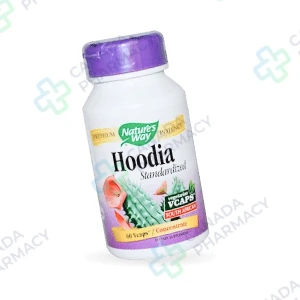
Hoodia
Price range: $ 80,00 through $ 294,00
Active substance: oxypregnane steroidal glycoside
More Details
This product has multiple variants. The options may be chosen on the product page
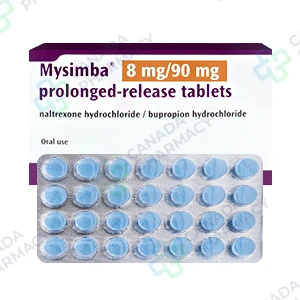
Mysimba
Price range: $ 70,00 through $ 688,00
Active substance: Bupropion, Naltrexone
More Details
This product has multiple variants. The options may be chosen on the product page
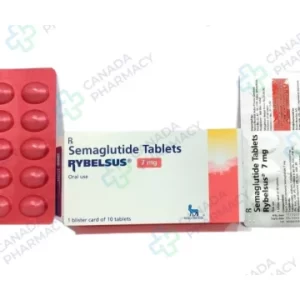
Rybelsus
Price range: $ 250,00 through $ 880,00
Active substance: Semaglutide
More Details
This product has multiple variants. The options may be chosen on the product page
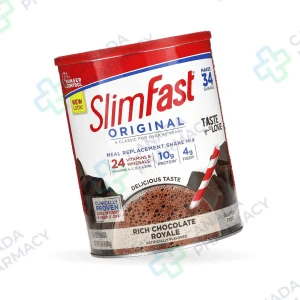
Slimfast
Price range: $ 20,00 through $ 54,00
Active substance: Orlistat
More Details
This product has multiple variants. The options may be chosen on the product page
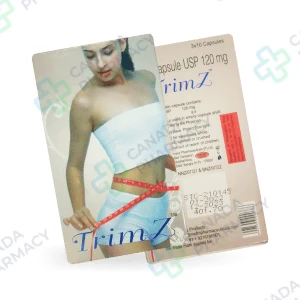
Trim Z
$ 50,00
Active substance: Orlistat
More Details
This product has multiple variants. The options may be chosen on the product page
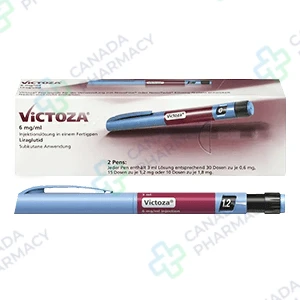
Victoza
Price range: $ 450,00 through $ 850,00
Active substance: Liraglutide
More Details
This product has multiple variants. The options may be chosen on the product page
Vyfat
Price range: $ 40,00 through $ 105,00
Active substance: Orlistat
More Details
This product has multiple variants. The options may be chosen on the product page