

-33%
Lyrica
Price range: $ 50,00 through $ 540,00
Maxman
Price range: $ 32,00 through $ 160,00
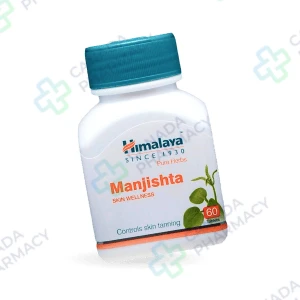
Manjishtha
Price range: $ 15,00 through $ 30,00
Manjishtha is a highly regarded Ayurvedic herb known for its powerful detoxifying and blood-purifying properties. This natural supplement is widely used to promote a clear, radiant complexion and support overall skin health from within. It effectively aids the body’s lymphatic system in removing toxins, ensuring internal balance and vitality. Rich in natural antioxidants, Manjishtha helps protect cells against oxidative stress while supporting a healthy inflammatory response. Incorporating this traditional herbal remedy into your daily routine provides comprehensive support for a balanced and healthy lifestyle.
Active substance: Herbal
Delivery: 5–21 days (depending on the shipping method)
Extra 10% discount with coupon: IT4K6SVM
Each dosage option has its own packaging choices.
Description
Manjishtha (Rubia cordifolia) belongs to the botanical class of herbal supplements derived from Indian madder root, traditionally integrated into Ayurvedic wellness systems. In the United States, this dietary supplement is distributed in accordance with applicable federal and state regulations. It is frequently utilized by individuals seeking targeted antioxidant support and skin health maintenance under appropriate professional guidance.
Understanding the biological properties, safety profile, and administration guidelines of Manjishtha helps ensure safe integration into routine health regimens. Consumers should always evaluate dietary supplements alongside a qualified healthcare provider prior to initiation.
| Parameter | Specification |
|---|---|
| Drug name | Manjishtha |
| Active ingredient (INN) | Rubia cordifolia root extract |
| Primary purpose | Botanical dietary supplement / Antioxidant support |
| Route of administration | Oral |
| Prescription status | Dispensed in accordance with applicable federal and state regulations |
| Storage | Store at 15°C–30°C (59°F–86°F) in a dry place away from direct light |
Manjishtha – Information for Patients and Caregivers
How the drug works
Rubia cordifolia contains several bioactive anthraquinones, including purpurin, munjistin, rubiadin, and alizarin, alongside various polyphenolic compounds. The primary biological mechanism attributed to Manjishtha is its free-radical scavenging capacity, which mitigates oxidative stress at the cellular level. Research indicates that these phytocompounds modulate inflammatory signaling pathways by downregulating specific pro-inflammatory cytokine responses and inhibiting cyclooxygenase enzyme activity in preclinical models. Additionally, botanical extracts demonstrate mild anti-platelet and microcirculation-supporting properties in experimental settings. Precise cellular pathways and pharmacodynamics in human physiology remain under continuous scientific evaluation.
Main uses
In dietary supplement formulations, Manjishtha is used primarily to support general skin health, promote natural metabolic detoxification processes, and provide systemic antioxidant defense. Clinical applications in traditional frameworks focus on microcirculatory support and management of minor cutaneous conditions such as skin blemishes and mild localized tissue irritation. Note that in the United States, botanical supplements are not FDA-approved to treat, cure, diagnose, or prevent any specific disease or chronic condition. Any therapeutic application for chronic dermatological disorders, metabolic conditions, or systemic inflammatory issues is considered off-label and requires explicit medical oversight.
Dosing schedule
Dosing for Manjishtha depends on the specific commercial formulation, such as standardized root powder, concentrated aqueous extracts, or oral capsules. Typical adult regimens reported in reference literature range from 500 mg to 2,000 mg daily, divided into one or two administrations. Capsules are generally ingested with water following meals to minimize gastrointestinal tolerance issues and optimize compound bioavailability. The exact daily dosage and duration of use must be determined individually by a healthcare provider based on baseline organ function, age, and individual health goals. Doses higher than recommended guidelines should not be taken without formal therapeutic monitoring.
What happens in the body
Formal human pharmacokinetic studies for whole Rubia cordifolia extracts remain limited, as complex botanical mixtures display multi-constituent absorption profiles. Major anthraquinone constituents like rubiadin undergo gastrointestinal absorption following oral ingestion, with peak plasma concentrations varying based on gastric emptying and product excipients. Hepatic biotransformation involves phase II glucuronidation and sulfation pathways, while systemic metabolites are predominantly eliminated through the renal system and intestinal tract. Specific elimination half-life parameters vary between individuals and across specific phytochemical fractions. Precise systemic distribution volume and protein binding levels are not fully characterized in primary literature.
Compatibility with other medicines
Manjishtha displays potential interaction risks when co-administered with pharmaceutical agents due to its bioactive constituents. Concomitant use with anticoagulant or antiplatelet medications (such as warfarin, aspirin, or clopidogrel) may increase the risk of bleeding, as anthraquinones exhibit mild anti-aggregatory effects. Furthermore, because botanical metabolites undergo hepatic clearance, potential interactions with cytochrome P450 enzyme substrates or nephrotoxic agents cannot be ruled out. Patients taking antihypertensive, antidiabetic, or immunosuppressive therapies must consult their prescriber prior to initiating use to prevent altered clearance rates or additive pharmacological effects.
Adverse reactions
While Manjishtha is generally tolerated when used within established safety parameters, adverse reactions may occur in sensitive individuals. Common mild gastrointestinal complaints include nausea, abdominal discomfort, loose stools, or gastric irritation. Due to the presence of natural plant pigments, temporary discoloration of urine (yellow-orange to reddish tint) may occur and is considered a benign metabolic byproduct. Less frequently, allergic contact dermatitis or hypersensitivity reactions, including localized skin rashes, have been observed. Severe adverse effects, such as hepatic strain or renal irritation, are rare but remain a theoretical risk with excessive doses.
Important precautions
Caution is required when evaluating Manjishtha for vulnerable patient cohorts. Pregnant individuals should avoid Rubia cordifolia completely, as certain anthraquinones possess emmenagogue properties and may stimulate uterine contractions. Lactating women should refrain from use due to insufficient safety data regarding metabolite excretion into human breast milk. Patients with preexisting renal impairment, active liver disease, or bleeding disorders require thorough clinical evaluation before starting supplementation. Use in pediatric populations is not established without explicit pediatric supervision. Discontinue use at least two weeks prior to elective surgical procedures to minimize perioperative bleeding risks.
First days of treatment
During the initial days of taking Manjishtha, individuals usually report minimal immediate subjective changes. Mild gastrointestinal adaptation, such as minor shifts in stool consistency or harmless urine color alterations, may appear within 24 to 48 hours of oral intake. Physiological benefits related to skin clarity or antioxidant status typically evolve gradually over several weeks of consistent use. Patients should monitor baseline reactions and report unexpected gastrointestinal distress or skin hypersensitivity to a healthcare professional.
What to avoid while taking it
Dietary factors can influence the absorption and metabolic handling of Manjishtha supplements. Concurrent alcohol consumption should be avoided or minimized, as alcohol places additive clearance demands on hepatic metabolic pathways shared by botanical compounds. Taking the supplement alongside excessively heavy or high-fat meals may delay gastric emptying and alter absorption rates. Individuals are advised to maintain adequate daily hydration to facilitate normal renal filtration and compound excretion during supplementation.
Practical tips
Integrating Manjishtha into a routine requires consistency and accurate dosage management. Doses should be taken at predictable times each day, preferably following food, to promote GI comfort and maintain consistent tissue exposure. Using standardized capsules or measured solid dose forms ensures consistent administration compared to unmeasured loose bulk powders. Patients should maintain a complete list of all dietary supplements and prescription drugs to present during periodic reviews in clinical settings, such as healthcare facilities in Texas or New York.
Storage and expiration
Proper storage conditions preserve the structural stability of phytochemical compounds in Manjishtha products. Store the container tightly closed at controlled room temperature between 15°C and 30°C (59°F and 86°F). Protect the product from exposure to direct sunlight, high humidity, and excessive heat. Do not store supplements in humid environments such as bathroom cabinets. Keep out of reach of children and pets, and discard any expired or physically degraded capsules according to local waste guidelines.
Common questions
How long does it typically take to observe skin-related effects from Manjishtha?
Observation timelines vary depending on baseline skin health, product potency, and individual metabolic rates. Most references indicate that consistent daily administration for 4 to 8 weeks is necessary to evaluate subtle changes in skin appearance or systemic antioxidant response.
Is urine color change expected while taking this supplement?
Yes, temporary discoloration of urine to an orange or reddish-brown tint can occur due to the urinary excretion of water-soluble anthraquinone pigments present in Rubia cordifolia. This effect is generally harmless, though persistent dark urine accompanied by abdominal pain should be evaluated medically.
Can Manjishtha be taken together with prescription blood thinners?
Concurrent administration with anticoagulants or antiplatelet medications is not recommended without direct physician oversight. Bioactive components in the plant may possess mild blood-thinning properties, potentializing the risk of unexpected bleeding or bruising.
What should be done if an oral dose of Manjishtha is missed?
If a dose is skipped, it should be taken as soon as remembered unless it is close to the time for the next scheduled dose. Users should not double the dose to compensate for a missed administration, as higher single amounts may induce stomach irritation.
Should Manjishtha supplementation be paused prior to medical procedures?
Yes, botanical supplements containing Rubia cordifolia extracts should be discontinued at least 14 days before planned surgical or dental procedures to reduce potential bleeding risks and unexpected interactions with anesthetic agents.
This text is for informational purposes only and does not constitute individual medical advice. Always consult your healthcare provider before starting or changing any treatment. In accordance with FDA requirements, statements regarding dietary supplements have not been evaluated by the Food and Drug Administration.
Additional information
| Dosage |
60 caps |
|---|---|
| Package |
1 bottles ,2 bottles ,3 bottles |
| Ενεργός Ουσία |
Related products
Arjuna
Price range: $ 63,00 through $ 72,00
Active substance: Arjuna (Terminalia arjuna) bark extract
More Details
This product has multiple variants. The options may be chosen on the product page
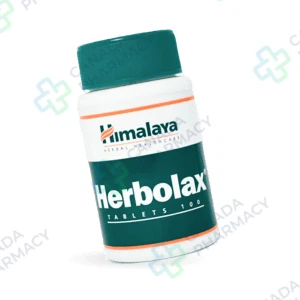
Herbolax
Price range: $ 50,00 through $ 83,00
Active substance: Chebulic Myrobalan, Trivruth
More Details
This product has multiple variants. The options may be chosen on the product page
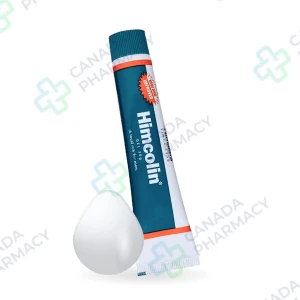
Himcolin
$ 57,00
Active substance: Himcolin
More Details
This product has multiple variants. The options may be chosen on the product page
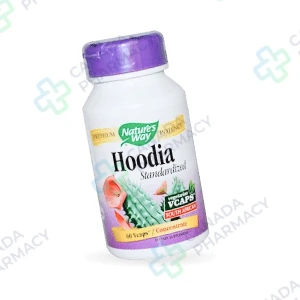
Hoodia
Price range: $ 80,00 through $ 294,00
Active substance: oxypregnane steroidal glycoside
More Details
This product has multiple variants. The options may be chosen on the product page
Lida daidaihua
Price range: $ 52,00 through $ 171,00
Active substance: Synephrine
More Details
This product has multiple variants. The options may be chosen on the product page
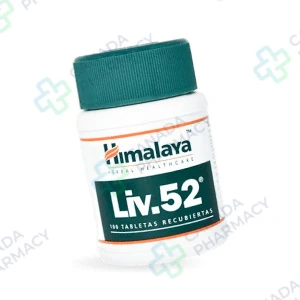
Liv.52
Price range: $ 55,00 through $ 118,00
Active substance: himsra kasani
More Details
This product has multiple variants. The options may be chosen on the product page