

-50%
Rebetol
Price range: $ 78,00 through $ 446,00
Reosto
Price range: $ 33,00 through $ 55,00
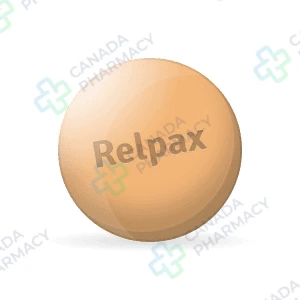
Relpax
Price range: $ 27,00 through $ 152,00
Relpax is a specialized medication designed for the acute treatment of migraine headaches with or without aura in adults. As part of the triptan class of drugs, it works by narrowing blood vessels around the brain to alleviate intense pain. This fast-acting formula helps reduce migraine-related symptoms such as sensitivity to light and sound, as well as nausea. It is most effective when taken at the first sign of a migraine attack to help you return to your daily activities quickly. By targeting the biological triggers of migraine pain, Relpax provides reliable relief for those seeking to manage their condition effectively.
Active substance: Eletriptan
Delivery: 5–21 days (depending on the shipping method)
Extra 10% discount with coupon: IT4K6SVM
Each dosage option has its own packaging choices.
Description
Relpax belongs to a class of medications known as selective serotonin 5-HT1B/1D receptor agonists, widely referred to as triptans. It is indicated specifically for the acute treatment of migraine headaches with or without aura in adult patients.
As a prescription therapy evaluated under federal regulatory standards by the FDA, Relpax is not intended for the preventive management of migraines or for managing cluster headaches. Proper clinical use requires medical evaluation to confirm diagnosis, screen for underlying cardiovascular risks, and establish safe dosing parameters.
Clinical Overview and Pharmacologic Profile
| Parameter | Specification |
|---|---|
| Active ingredient | Eletriptan hydrobromide |
| Therapeutic class | Serotonin 5-HT1B/1D receptor agonist (Triptan) |
| Dosage form | Oral tablets (20 mg, 40 mg) |
| Route of administration | Oral |
| Primary purpose | Acute treatment of migraine attacks in adults |
| Storage | 20°C to 25°C (68°F to 77°F); excursions permitted to 15°C–30°C (59°F–86°F) |
How the drug works
Eletriptan hydrobromide binds with high affinity to human vascular 5-HT1B and neuronal 5-HT1D receptors. During a migraine attack, intracranial blood vessels undergo pathologically amplified vasodilation while sensory nerve endings release pro-inflammatory neuropeptides. The activation of 5-HT1B receptors leads to selective vasoconstriction of abnormally dilated intracranial blood vessels. Simultaneously, stimulation of presynaptic 5-HT1D receptors located on trigeminal sensory nerve terminals inhibits the central and peripheral release of vasoactive neuropeptides, such as calcitonin gene-related peptide (CGRP) and substance P. This dual pharmacologic action alleviates localized head pain as well as associated autonomic signs including nausea, photophobia, and phonophobia.
Main uses
Relpax is approved for the acute therapy of migraine attacks with or without aura in adult patients. Therapy should be initiated as soon as a migraine headache begins, although efficacy has been demonstrated when taken at later stages during an attack. Relpax is explicitly not approved for prophylactic therapy to prevent headache onset or decrease monthly headache frequency. Furthermore, Relpax is not indicated for non-migrainous headache syndromes, cluster headaches, hemiplegic migraines, or basilar migraines. Diagnosis of true migraine headache must be firmly established by a physician prior to prescribing.
Dosing schedule
The standard initial single oral dose of Relpax is either 20 mg or 40 mg, swallowed whole with fluid. Selection of initial dosing depends on individual patient clinical response and tolerability. The maximum single oral dose recommended is 40 mg. If the initial dose achieves partial relief or if the migraine recurs following initial response, a second dose may be administered at least 2 hours after the first dose. The cumulative maximum dose must not exceed 80 mg within any 24-hour window. If a patient experiences no relief following the initial dose during a migraine attack, a second dose should not be taken for the same attack without professional re-evaluation.
What happens in the body
Following oral administration, eletriptan hydrobromide is rapidly absorbed across the gastrointestinal mucosa, exhibiting an absolute mean bioavailability of approximately 50%. Peak plasma concentration (Cmax) is attained within approximately 1.5 to 2 hours. Co-administration with high-fat meals increases peak concentration and overall systemic exposure (AUC) by approximately 20% to 30%, though this increase does not alter clinical dosing guidelines. Eletriptan displays a mean elimination half-life of approximately 4 hours. Biotransformation occurs predominantly in the liver via the cytochrome P450 enzyme system, driven mainly by the CYP3A4 isoenzyme. Elimination proceeds via hepatic metabolism as well as renal excretion.
What you may notice early on
Patients initiating Relpax during the early onset of a migraine attack usually experience initial headache relief within 1 to 2 hours following administration. Beyond pain reduction, associated symptoms such as sensitivity to light or sound and nausea often decline in intensity. Mild, transient sensations such as localized warmth, tingling, or temporary muscle tightness in the neck or upper torso may occur shortly after ingestion. If no therapeutic response is observed after the first tablet, individuals should contact their treating healthcare provider rather than repeating doses independently.
Safety Guidelines and Precautions
Compatibility with other medicines
Because eletriptan is primarily metabolized by CYP3A4 isoenzymes, concurrent administration with potent CYP3A4 inhibitors dramatically raises eletriptan plasma concentrations. Relpax must not be administered within 72 hours of taking potent CYP3A4 inhibitors, including ketoconazole, itraconazole, clarithromycin, ritonavir, or nelfinavir. Additionally, Relpax must not be taken within 24 hours of using other 5-HT1 agonists (triptans) or ergot-type medications (such as dihydroergotamine or methysergide) due to additive risk of vasospastic reactions. Co-administration of triptans with selective serotonin reuptake inhibitors (SSRIs) or serotonin-norepinephrine reuptake inhibitors (SNRIs) requires clinical caution due to potential risk of serotonin syndrome.
Adverse reactions
In controlled clinical trials, Relpax was generally well tolerated. Most reported adverse events were mild to moderate in severity and self-limiting. Frequently observed adverse reactions include dizziness, somnolence, nausea, paresthesia (numbness or tingling sensations), and asthenia (physical weakness). Patients may also experience non-cardiac tightness, pressure, or heavy sensations across the chest, throat, neck, or jaw. Less frequent reactions include dry mouth, facial flushing, abdominal distress, and transient dyspnea. Any persistent or worsening adverse symptoms should be evaluated by a medical professional.
Important precautions
Relpax is contraindicated in patients with documented ischemic heart disease, history of myocardial infarction, coronary artery vasospasm (Prinzmetal’s angina), uncontrolled hypertension, peripheral vascular disease, or history of cerebrovascular accidents including stroke or transient ischemic attack (TIA). It must not be prescribed to individuals with severe hepatic impairment. Patients presenting with cardiovascular risk factors–such as hypertension, hypercholesterolemia, diabetes, tobacco use, or strong family history of coronary artery disease–should undergo thorough cardiac screening prior to receiving Relpax. During pregnancy, Relpax should be used only if the potential benefit justifies potential fetal risk; caution is also advised when administering to nursing mothers.
What to avoid while taking it
Relpax can be administered independently of food intake. Patients should exercise caution regarding alcohol consumption during a migraine attack. Alcohol is a documented trigger for migraine headaches in susceptible individuals and can intensify central nervous system side effects of Relpax, such as somnolence and dizziness. Combining alcohol with Relpax may impair alertness and motor control, increasing the risk of accidents when operating machinery or driving.
Red flags
Emergency medical care should be sought immediately if a patient experiences sudden severe chest pain, chest tightness radiating to the left arm or neck, dyspnea, or irregular cardiac rhythm, as these may indicate acute myocardial ischemia or coronary vasospasm. Immediate care is also required upon onset of neurological deficits, such as sudden unilateral weakness, slurred speech, or vision impairment. Signs suggestive of serotonin syndrome–including confusion, hyperthermia, severe neuromuscular irritability, tremor, and diaphoresis–warrant urgent emergency evaluation.
Storage and expiration
Store Relpax tablets at controlled room temperature between 20°C and 25°C (68°F to 77°F). Excursions are permitted between 15°C and 30°C (59°F to 86°F). Protect tablets from moisture and direct light by retaining them in their original packaging until administration. Keep out of reach of children and pets. Do not use medication past the expiration date marked on the carton. Dispose of unused or expired tablets according to standard pharmacy drug take-back practices.
Common questions
How soon can a second dose of Relpax be taken if the migraine returns?
If an initial dose provides relief but the headache subsequently recurs, a second dose may be administered at least 2 hours after the first dose. The cumulative dose within 24 hours must not exceed 80 mg. If the first dose produces no symptom reduction, a second dose should not be taken for the same attack.
What should patients do if an initial dose of Relpax fails to provide relief?
If no pain relief occurs following the initial tablet, patients should not take a second dose for that specific attack. Instead, medical advice should be sought to confirm the diagnosis and consider alternative rescue medications for future attacks.
Is it safe to take Relpax alongside an SSRI or SNRI antidepressant?
Combining Relpax with serotonin reuptake inhibitors introduces a potential risk of serotonin syndrome, a serious condition characterized by altered mental status, autonomic instability, and neuromuscular changes. Concurrent use requires explicit medical oversight and monitoring for early warning signs.
Can Relpax cause chest discomfort that is not related to a heart problem?
Yes, triptans frequently cause transient sensations of tightness, pressure, or heaviness in the chest, throat, or jaw that are non-cardiac. However, because triptans cause blood vessel constriction, any chest pain must be evaluated by a healthcare professional to rule out underlying coronary artery involvement.
Is it safe to drive after taking Relpax?
Relpax can cause dizziness, somnolence, and reduced alertness. Patients should refrain from driving, operating heavy machinery, or undertaking hazardous tasks until they are certain the medication does not impair their cognitive or physical abilities.
In accordance with FDA requirements.
This text is for informational purposes only and does not constitute individual medical advice.
Additional information
| Dosage |
20 mg ,40 mg |
|---|---|
| Package |
6 tabs ,10 tabs ,12 tabs ,18 tabs ,24 tabs ,30 tabs |
| Ενεργός Ουσία |
Related products
Aspirin
Price range: $ 8,00 through $ 118,00
Active substance: Acetylsalicylic acid
More Details
This product has multiple variants. The options may be chosen on the product page
Depakote
Price range: $ 32,00 through $ 267,00
Active substance: Divalproex
More Details
This product has multiple variants. The options may be chosen on the product page
Imitrex
Price range: $ 147,00 through $ 617,00
Active substance: Sumatriptan
More Details
This product has multiple variants. The options may be chosen on the product page
Inderal
Price range: $ 21,00 through $ 164,00
Active substance: Propranolol
More Details
This product has multiple variants. The options may be chosen on the product page
Inderal LA
$ 42,00
Active substance: Propranolol
More Details
This product has multiple variants. The options may be chosen on the product page
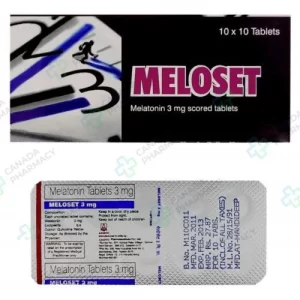
Melatonin
Anti-Inflammatories, AntiConvulsants, AntiParasitics, Cancer, Dementias, HIV, Migraine, Osteoporosis, Respiratory Tract
Price range: $ 46,00 through $ 201,00
Active substance: Melatonin
More Details
This product has multiple variants. The options may be chosen on the product page
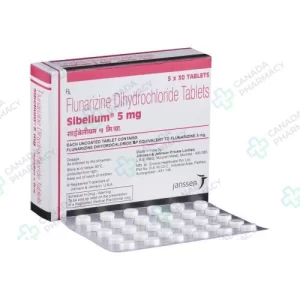
Sibelium
Price range: $ 41,00 through $ 55,00
Active substance: Flunarizine
More Details
This product has multiple variants. The options may be chosen on the product page
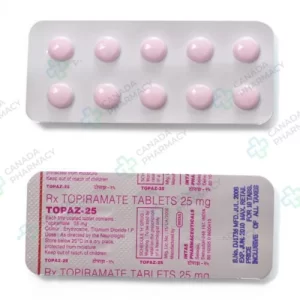
Topamax
Price range: $ 39,00 through $ 584,00
Active substance: Topiramate
More Details
This product has multiple variants. The options may be chosen on the product page