

-16%
Sildalis
Price range: $ 50,00 through $ 340,00
Sildigra
Price range: $ 41,00 through $ 369,00
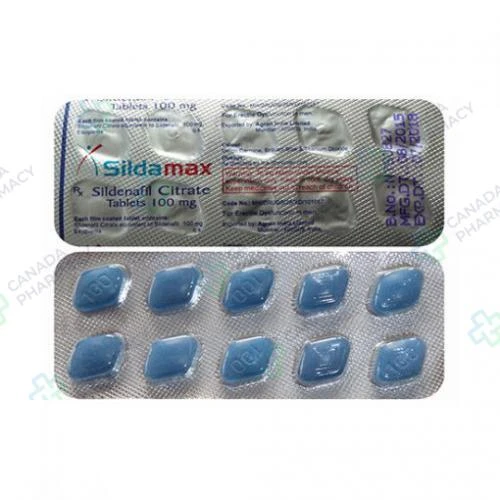
Sildamax
Price range: $ 57,00 through $ 160,00
Sildamax is a highly effective medication designed to help men manage the symptoms of erectile dysfunction and improve sexual performance. Each tablet contains Sildenafil Citrate, the same active ingredient found in leading brand-name treatments, ensuring consistent and reliable results. By enhancing blood flow to the pelvic region, this medication helps users achieve and maintain a firm erection suitable for physical intimacy. The fast-acting formula typically begins working within an hour and provides a window of effectiveness that lasts for several hours. Sildamax offers a dependable solution for those looking to restore their confidence and enjoy a more satisfying intimate life.
Active substance: Sildenafil Citrate
Delivery: 5–21 days (depending on the shipping method)
Extra 10% discount with coupon: IT4K6SVM
Each dosage option has its own packaging choices.
Description
Sildamax – Information for Patients and Caregivers
Sildamax belongs to a class of medications known as phosphodiesterase type 5 (PDE5) inhibitors, containing the active ingredient sildenafil citrate. In the United States, sildenafil-containing drug products are dispensed strictly in accordance with applicable federal and state regulations requiring a valid prescription from a licensed healthcare provider.
Understanding the proper clinical usage, potential risks, and physiological mechanisms of this agent is essential for ensuring patient safety. The following reference guide outlines standard pharmacological principles regarding dosing, physiological mechanisms, potential drug interactions, and clinical precautions associated with sildenafil therapy.
| Drug name | Sildamax |
| Active ingredient (INN) | Sildenafil citrate |
| Therapeutic class | Phosphodiesterase Type 5 (PDE5) Inhibitor |
| Dosage form | Oral tablet |
| Route of administration | Oral |
| Primary purpose | Treatment of erectile dysfunction |
| Prescription status | Prescription required (Rx) |
How the drug works
The active component in Sildamax, sildenafil, acts via selective inhibition of cyclic guanosine monophosphate (cGMP)-specific phosphodiesterase type 5 (PDE5). During physiological sexual stimulation, nitric oxide is released in the cavernous tissue of the penis. Nitric oxide activates the enzyme guanylate cyclase, resulting in increased levels of cGMP. Elevated cGMP leads to smooth muscle relaxation within the corpus cavernosum, facilitating an influx of blood. PDE5 is the primary enzyme responsible for the degradation of cGMP in cavernous tissue. By inhibiting PDE5, sildenafil preserves local cGMP concentrations, thereby enhancing the natural erectile response to stimulation without initiating erection independently of sexual arousal.
Main uses
Sildenafil is primarily indicated for the treatment of erectile dysfunction (ED) in adult males. ED is defined as the persistent inability to attain or maintain a penile erection sufficient for satisfactory sexual performance. Prior to initiating therapy, a licensed practitioner performs a comprehensive evaluation to assess underlying cardiovascular status and exclude anatomical or systemic causes. Off-label prescribing of sildenafil for non-approved vascular or systemic conditions must be strictly evaluated by a licensed clinician, as alternative conditions carry distinct pharmacokinetic and dosage requirements. PDE5 inhibitors do not protect against sexually transmitted infections or treat underlying reproductive tract infections.
Dosing schedule
Dosing of sildenafil must be individually established by a healthcare professional based on therapeutic response and clinical tolerability. For adult patients treated for erectile dysfunction, the standard initial oral dose is administered approximately one hour prior to anticipated sexual activity. Administration may occur between 30 minutes and four hours prior to activity depending on individual response. The maximum recommended dosing frequency is once per day. Dose adjustments may be necessary for elderly individuals or patients with compromised renal or hepatic function. Tablets should be taken orally with water, adhering strictly to the prescriber’s explicit directions.
What happens in the body
Following oral administration, sildenafil is rapidly absorbed into systemic circulation. Absolute bioavailability averages approximately 41% due to first-pass hepatic metabolism. Maximum plasma concentrations are typically attained within 30 to 120 minutes of oral administration in a fasted state. The drug is predominantly metabolized by hepatic cytochrome P450 enzymes, primarily the CYP3A4 pathway, with minor contributions from the CYP2C9 isoenzyme. The principal circulating metabolite exhibits selectivity for PDE5 comparable to the parent compound. Sildenafil and its active metabolite are excreted primarily as inactive metabolites in the feces, with a smaller fraction eliminated via the kidneys.
Compatibility with other medicines
Co-administration of sildenafil with organic nitrates (such as nitroglycerin, isosorbide mononitrate, or isosorbide dinitrate) or nitric oxide donors is strictly contraindicated, as it can precipitate severe and potentially life-threatening hypotension. Concomitant use with alpha-blockers prescribed for hypertension or benign prostatic hyperplasia requires clinical caution; patients should be stable on alpha-blocker therapy before initiating PDE5 inhibitors to minimize the risk of orthostatic hypotension. Strong CYP3A4 inhibitors (including certain azole antifungals, macrolide antibiotics, and protease inhibitors) significantly reduce sildenafil clearance, necessitating lower starting doses under strict supervision.
Adverse reactions
Side effects associated with sildenafil therapy are generally mild to moderate in intensity and transient in duration. The most commonly reported adverse events in clinical documentation include headache, facial flushing, dyspepsia, nasal congestion, dizziness, and mild visual disturbances such as transient cyanopsia (blue-tinted vision) or altered light sensitivity. Less common side effects include back pain, myalgia, and skin rash. Patients experiencing persistent or distressing adverse reactions should consult their healthcare provider. Dose adjustment or treatment discontinuation under professional guidance may be necessary if side effects persist.
Important precautions
Cardiovascular evaluation is essential prior to initiating sildenafil therapy, as sexual activity carries a degree of cardiac risk. Patients with recent myocardial infarction, stroke, unstable angina, severe heart failure, or uncontrolled cardiac arrhythmias require specialized medical evaluation before use. Caution is recommended in individuals with anatomical penile deformation or predisposing risk factors for priapism (such as sickle cell anemia, multiple myeloma, or leukemia). Patients with severe renal impairment or hepatic impairment require reduced initial dosages due to altered clearance rates. Sildenafil is not indicated for pediatric populations unless specifically prescribed for distinct medical conditions under specialist oversight.
What to avoid while taking it
Co-administration of sildenafil with heavy or high-fat meals may delay the rate of gastrointestinal absorption, leading to a delayed onset of peak plasma concentrations compared to administration in a fasted state. Alcohol consumption should be limited, as excessive alcohol intake can independently impair erectile response and increase the risk of orthostatic side effects, including lightheadedness and blood pressure drops. Grapefruit juice inhibits CYP3A4 metabolism, which may elevate sildenafil blood concentrations, and should be avoided unless discussed with a provider.
Red flags
Emergency medical assistance must be sought immediately if a patient experiences an erection lasting longer than four hours (priapism), as immediate intervention is necessary to prevent permanent tissue damage. Sudden visual loss in one or both eyes, which may indicate non-arteritic anterior ischemic optic neuropathy (NAION), requires prompt medical evaluation and discontinuation of therapy. Patients experiencing sudden hearing loss, acute chest pain, severe dizziness, syncope, or signs of a serious allergic reaction (such as facial, lip, or tongue swelling) must access emergency medical care right away.
If you skip a dose
Because sildenafil for erectile dysfunction is intended for use on an as-needed basis prior to sexual activity, fixed daily dosing schedules are generally not utilized. In such cases, missed dose guidelines do not apply. If a patient is prescribed sildenafil on a regular scheduled regimen for a specific medical indication, a missed dose should be taken as soon as remembered. If it is nearly time for the next scheduled dose, the missed dose should be omitted. Double dosing to compensate for a skipped tablet is strictly prohibited.
Storage and expiration
Sildenafil tablets should be stored at controlled room temperature, ideally between 68°F and 77°F (20°C to 25°C), away from excessive heat, moisture, and direct sunlight. Storage in environments with high humidity, such as bathroom cabinets, is not recommended. Tablets must remain in their original packaging until administration to protect against environmental degradation. Keep out of reach of children and pets. Expired medications should not be ingested and must be disposed of according to local pharmaceutical waste guidelines.
Common Questions
How long does it typically take for sildenafil to take effect?
Sildenafil is generally absorbed within 30 to 60 minutes following oral ingestion in a fasted state. However, onset of action can be delayed if the medication is taken with a high-fat meal. Physiological sexual stimulation is required for the drug to produce its intended therapeutic effect. If no response occurs after proper administration, patients should consult their provider rather than adjusting the dosage independently.
Can sildenafil be taken safely alongside blood pressure medications?
Combining sildenafil with antihypertensive medications requires careful clinical supervision. While co-administration with many routine blood pressure drugs is permitted, additive blood-pressure-lowering effects can occur, leading to lightheadedness or dizziness. Concomitant use with nitrates or guanylate cyclase stimulators is strictly prohibited due to severe hypotensive risks. Patients taking alpha-blockers should be clinically stable before starting PDE5 inhibitor therapy.
Is it safe to drive or operate machinery after taking this medication?
Sildenafil can cause dizziness, lightheadedness, or temporary visual alterations in some patients. Individuals should assess their personal reaction to the medication before driving, operating heavy machinery, or performing high-risk tasks. If visual disturbances or lightheadedness occur after taking a dose, driving should be avoided until symptoms resolve completely.
What should be done if the standard prescribed dose seems ineffective?
If the prescribed dose fails to achieve an adequate response, patients should not increase the dose without medical authorization. Factors such as food intake, timing, alcohol consumption, and psychological stress can influence response variability. A clinician can assess whether a dosage modification, lifestyle intervention, or alternative treatment strategy is clinically appropriate.
Information on this page is for reference and does not replace an assessment by a licensed healthcare professional.
In accordance with FDA requirements.
Additional information
| Dosage |
100 mg |
|---|---|
| Package |
30 pills ,50 pills ,100 pills |
| Ενεργός Ουσία |
Related products
Alprostadil
$ 450,00
Active substance: Alprostadil
More Details
This product has multiple variants. The options may be chosen on the product page
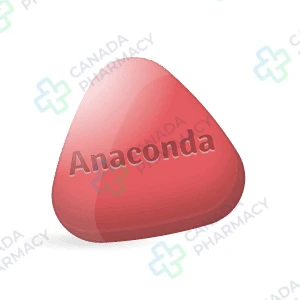
Anaconda
Price range: $ 87,00 through $ 225,00
Active substance: Sildenafil Citrate
More Details
This product has multiple variants. The options may be chosen on the product page
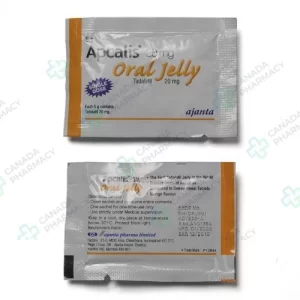
Apcalis SX Oral Jelly
Price range: $ 48,00 through $ 325,00
Active substance: Tadalafil
More Details
This product has multiple variants. The options may be chosen on the product page
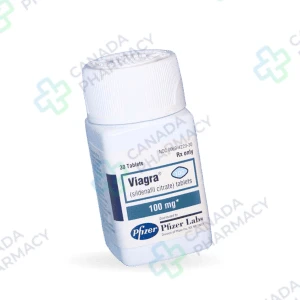
Bottled Viagra
Price range: $ 114,00 through $ 324,00
Active substance: Sildenafil
More Details
This product has multiple variants. The options may be chosen on the product page
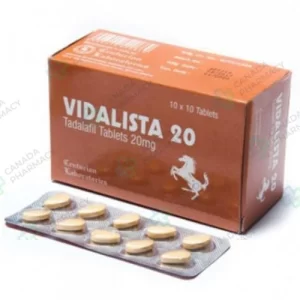
Cialis
Price range: $ 40,00 through $ 470,00
Active substance: Tadalafil
More Details
This product has multiple variants. The options may be chosen on the product page
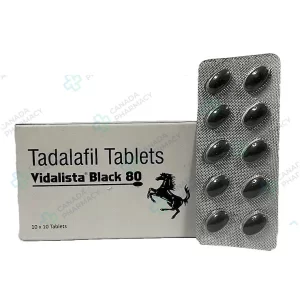
Cialis Black
Price range: $ 51,00 through $ 401,00
Active substance: Tadalafil
More Details
This product has multiple variants. The options may be chosen on the product page
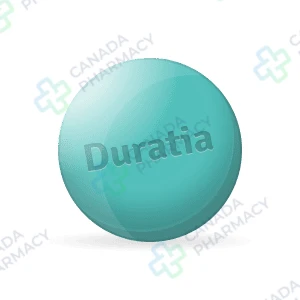
Duratia
Price range: $ 43,00 through $ 526,00
Active substance: Dapoxetine
More Details
This product has multiple variants. The options may be chosen on the product page

Erectafil
Price range: $ 60,00 through $ 466,00
Active substance: Tadalafil
More Details
This product has multiple variants. The options may be chosen on the product page