

-55%
Pamelor
Price range: $ 54,00 through $ 185,00
Pariet
Price range: $ 43,00 through $ 144,00
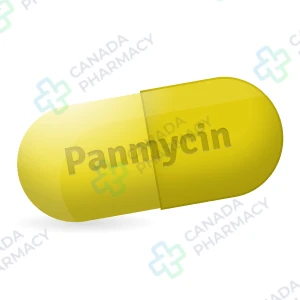
Panmycin
Price range: $ 41,00 through $ 260,00
Panmycin is a versatile tetracycline antibiotic designed to effectively combat a wide variety of bacterial infections. It works by inhibiting the protein synthesis of bacteria, which stops the spread of infection and supports the body’s natural recovery process. The medication is commonly used to treat conditions such as respiratory tract infections, urinary tract issues, and certain skin conditions like severe acne. Additionally, it provides a reliable solution for managing specific intestinal infections and other systemic bacterial challenges. Its long-standing reputation for efficacy makes it a trusted option for Canadians looking to restore their health and overcome bacterial illnesses.
Active substance: tetracycline
Delivery: 5–21 days (depending on the shipping method)
Extra 10% discount with coupon: IT4K6SVM
Each dosage option has its own packaging choices.
Description
Panmycin belongs to a group of medicines called broad-spectrum tetracycline antibiotics. It is prescribed by healthcare providers for the treatment of specific infections caused by susceptible Gram-positive and Gram-negative bacteria. In the United States, Panmycin is classified as a prescription medication (Rx) and must be dispensed in accordance with federal and state laws under the supervision of a licensed prescriber.
The active pharmaceutical ingredient in Panmycin is tetracycline hydrochloride. This antimicrobial agent operates by inhibiting bacterial protein synthesis, thereby preventing the proliferation and spread of infection within the host. Proper adherence to administration instructions is required to maintain effective serum concentrations and minimize the risk of therapeutic failure or antimicrobial resistance.
| Attribute | Details |
|---|---|
| Active ingredient | Tetracycline hydrochloride |
| Therapeutic class | Tetracycline antibiotic |
| Route of administration | Oral |
| Prescription status | Prescription (Rx) |
| Primary purpose | Treatment of susceptible bacterial infections |
| Storage requirements | Store at 20°C to 25°C (68°F to 77°F); protect from light and moisture |
Therapeutic Profile and Pharmacokinetics
Mechanism of Action and Clinical Pharmacology
Panmycin exerts its antimicrobial effect through the reversible binding to the 30S ribosomal subunit of susceptible microorganisms. By occupying this specific binding site, tetracycline hydrochloride blocks the access of aminoacyl-tRNA to the ribosomal acceptor (A) site. This action effectively halts the addition of new amino acids to the growing peptide chain, inhibiting bacterial protein synthesis. Because human cells lack 30S ribosomal subunits, the medication selectively targets bacterial pathogens. The activity of Panmycin is primarily bacteriostatic, meaning it stops bacterial replication and allows the host immune system to clear the remaining infection.
What happens in the body
Following oral administration, tetracycline hydrochloride is absorbed primarily from the stomach and upper small intestine. Peak serum levels are typically achieved within 2 to 4 hours post-ingestion. Absorption is significantly reduced when the medication is taken alongside food, particularly dairy products containing calcium or supplements containing multivalent cations. Panmycin binds to plasma proteins in varying degrees (approximately 20% to 60%) and concentrates in the liver, bile, and bones. The elimination half-life of tetracycline hydrochloride in individuals with normal renal function ranges between 6 and 11 hours. The drug is excreted unchanged in the urine via glomerular filtration, with a secondary portion excreted through the biliary system into the feces.
Approved Clinical Indications
Panmycin is indicated for the treatment of infections caused by susceptible strains of designated microorganisms. Common FDA-approved indications include rickettsial infections (such as Rocky Mountain spotted fever and typhus fever), respiratory tract infections caused by Mycoplasma pneumoniae, chlamydial infections, and lymphogranuloma venereum. Additionally, Panmycin is indicated for urinary tract infections, severe acne vulgaris as an adjunctive therapy, and specific sexually transmitted infections when alternative agents are contraindicated. It is essential to perform culture and susceptibility testing prior to initiating therapy to confirm that the offending pathogen is sensitive to tetracycline hydrochloride.
Dosing schedule
The dosage of Panmycin must be individually determined by a licensed prescriber based on the clinical indication, severity of infection, and patient renal function. For adult patients, standard daily dosages generally range from 1 gram to 2 grams divided into two or four equal doses, depending on the specific pathogen being treated. Therapy should be continued for at least 24 to 48 hours after symptoms and fever have subsided. To reduce the risk of esophageal irritation and ulceration, oral doses should be administered with an adequate volume of fluid (a full glass of water) while in an upright position. Dosing intervals must be strictly maintained to ensure stable blood concentration levels throughout the treatment course.
Safety, Interactions, and Patient Guidelines
Contraindications and Special Populations
The use of Panmycin during tooth development (the last half of pregnancy, infancy, and childhood up to 8 years of age) may cause permanent discoloration of the teeth (yellow-gray-brown). This adverse reaction is more common during long-term use of the drug, but it has been observed following repeated short-term courses. Enamel hypoplasia has also been reported. Panmycin should not be used in these patient populations unless other drugs are not effective or are contraindicated. Photosensitivity, manifested by an exaggerated sunburn reaction, has been observed in some individuals taking tetracyclines. Patients exposed to direct sunlight or ultraviolet light should discontinue treatment at the first evidence of skin erythema.
Special populations
Tetracycline hydrochloride crosses the placenta and is present in human milk. Due to the potential for serious adverse reactions in nursing infants–including effects on bone growth and dental development–a decision should be made whether to discontinue nursing or discontinue the drug, taking into account the importance of the drug to the mother. In patients with renal impairment, standard doses may lead to systemic accumulation and potential hepatic toxicity. Reductions in total dosage or longer administration intervals are recommended for individuals with reduced kidney function.
What side effects may occur
Adverse reactions associated with Panmycin administration affect multiple organ systems. Gastrointestinal side effects are the most frequently reported and include anorexia, nausea, vomiting, diarrhea, glossitis, dysphagia, and enterocolitis. Esophageal ulcerations have occurred in patients taking capsules or tablets with insufficient fluid prior to retiring. Dermatologic reactions include maculopapular and erythematous rashes, skin photosensitivity, and exfoliative dermatitis. Hypersensitivity reactions may manifest as urticaria, angioedema, anaphylaxis, or systemic lupus erythematosus exacerbation. Central nervous system effects such as headache, dizziness, and benign intracranial hypertension (pseudotumor cerebri) have also been documented. Blood dyscrasias, including hemolytic anemia, thrombocytopenia, and eosinophilia, occur rarely.
Drug and Dietary Interactions
What not to combine
Panmycin interacts with several classes of medications, potentially altering therapeutic efficacy or toxicity. Antacids containing aluminum, calcium, or magnesium, as well as oral iron preparations and zinc salts, impair the gastrointestinal absorption of tetracycline hydrochloride; administration of these agents should be separated by several hours. Because bacteriostatic drugs like Panmycin may interfere with the bactericidal action of penicillin, co-administration of penicillin antibiotics should generally be avoided. Concomitant use with oral anticoagulants may prolong prothrombin time, necessitating dosage adjustments of the anticoagulant. Concurrent administration of oral contraceptives may decrease contraceptive effectiveness, increasing the risk of breakthrough bleeding or unintended pregnancy.
What to avoid while taking it
Dietary intake plays a critical role in the bioavailability of Panmycin. Co-ingestion with milk, cheese, yogurt, or other calcium-rich food items significantly decreases tetracycline absorption due to chelation complex formation. Panmycin should ideally be taken on an empty stomach, either one hour before or two hours after meals. Excessive alcohol consumption should be avoided during antibiotic therapy, as acute or chronic alcohol ingestion may alter metabolic clearance, impair immune recovery, and increase the risk of gastrointestinal irritation.
If you skip a dose
If a dose of Panmycin is missed, it should be taken as soon as remembered on that day. However, if it is almost time for the next scheduled dose, the missed dose should be skipped and the regular dosing schedule resumed. Double doses must not be administered to compensate for a missed dose. Maintaining consistent plasma drug levels is necessary for bacterial suppression, so patients should strive to adhere strictly to the established regimen.
Storage and expiration
Panmycin must be stored at controlled room temperature between 20°C and 25°C (68°F to 77°F), with excursions permitted between 15°C and 30°C (59°F to 86°F). Protect the medication from light, moisture, and excessive heat. Keep the container tightly closed. Expired tetracycline products must never be consumed; degraded tetracycline can form toxic metabolites (such as epianhydrotetracycline) that cause severe renal tubular damage, a condition known as Fanconi-like syndrome.
Common questions
Why must Panmycin be taken with a full glass of water?
Taking Panmycin with a full glass of fluid reduces the risk of esophageal irritation and ulceration. The tablet or capsule can become lodged in the esophagus if swallowed without adequate liquid, releasing concentrated active drug that damages the mucosal lining.
Can Panmycin be taken with dairy products?
No. Calcium present in dairy products binds to tetracycline hydrochloride in the digestive tract, forming an insoluble chelate. This reaction prevents the absorption of the drug into the bloodstream, rendering the antibiotic ineffective.
What happens if degraded or expired Panmycin is ingested?
Using expired tetracycline is hazardous. Chemical breakdown products of old tetracycline can lead to renal tubular toxicity (Fanconi syndrome), causing symptoms such as proteinuria, glycosuria, aminoaciduria, and severe metabolic acidosis.
Is sun exposure safe while taking Panmycin?
Sun exposure should be minimized. Panmycin can induce photosensitivity reactions, leading to exaggerated sunburn-like skin eruptions upon exposure to direct sunlight or ultraviolet light.
Does Panmycin interfere with oral hormonal contraceptives?
Yes. Tetracycline antibiotics may decrease the systemic effectiveness of estrogen-containing oral contraceptives. Patients using oral contraceptives are advised to use an additional, non-hormonal barrier method of birth control during treatment.
In accordance with FDA requirements.
This text is for informational purposes only and does not constitute individual medical advice.
Additional information
| Dosage |
250mg ,500mg |
|---|---|
| Package |
30 pills ,60 pills ,90 pills ,120 pills ,180 pills ,270 pills ,360 pills |
| Ενεργός Ουσία |
Related products
Augmentin
Price range: $ 56,00 through $ 678,00
Active substance: amoxicillin, clavulanate
More Details
This product has multiple variants. The options may be chosen on the product page

Azeetop
Price range: $ 40,00 through $ 250,00
Active substance: Azithromycin
More Details
This product has multiple variants. The options may be chosen on the product page

Bactrim
Price range: $ 41,00 through $ 196,00
Active substance: sulfamethoxazole, trimethoprim
More Details
This product has multiple variants. The options may be chosen on the product page
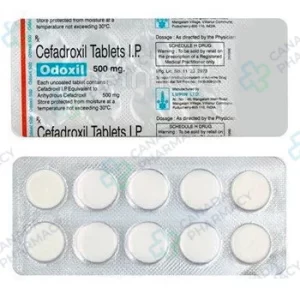
Cefadroxil
Price range: $ 41,00 through $ 349,00
Active substance: cefadroxil
More Details
This product has multiple variants. The options may be chosen on the product page

Cephadex
Price range: $ 16,00 through $ 48,00
Active substance: cephalexin
More Details
This product has multiple variants. The options may be chosen on the product page
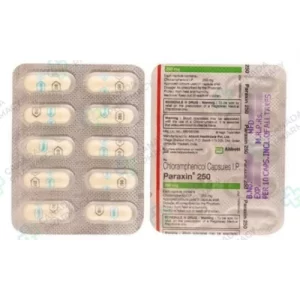
Chloromycetin
Price range: $ 52,00 through $ 242,00
Active substance: chloramphenicol
More Details
This product has multiple variants. The options may be chosen on the product page
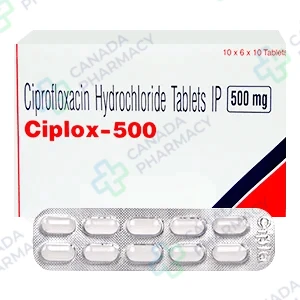
Ciplox
Price range: $ 49,00 through $ 434,00
Active substance: Ciprofloxacin
More Details
This product has multiple variants. The options may be chosen on the product page
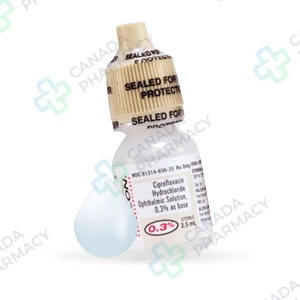
Ciprodex Ophthalmic Solution
Price range: $ 63,00 through $ 95,00
Active substance: Ciprofloxacin, Dexamethasone
More Details
This product has multiple variants. The options may be chosen on the product page