

-83%
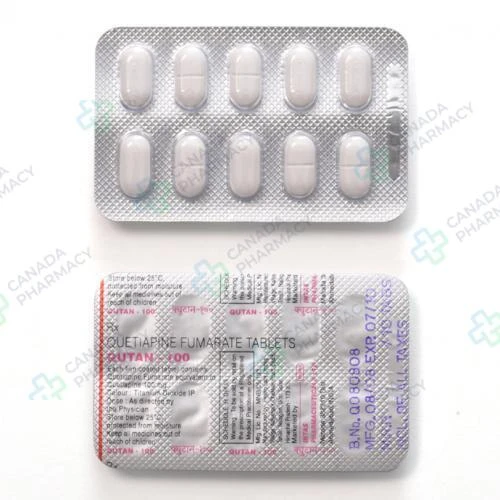
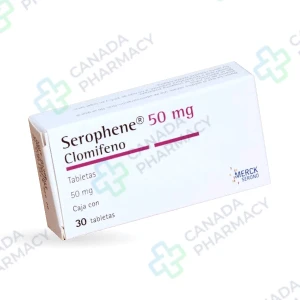
Serophene
Price range: $ 40,00 through $ 537,00
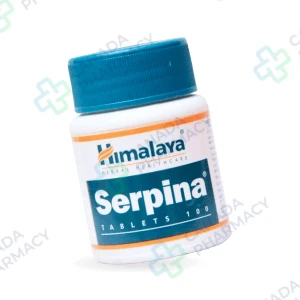
Serpina
Price range: $ 41,00 through $ 246,00
Seroquel
Price range: $ 40,00 through $ 600,00
Seroquel is an effective atypical antipsychotic medication designed to manage various complex mental health conditions. It is primarily used to treat schizophrenia, helping to reduce symptoms such as hallucinations and disorganized thinking. The medication is also highly effective in stabilizing mood for individuals experiencing manic or depressive episodes associated with bipolar disorder. By balancing key neurotransmitters like dopamine and serotonin in the brain, it helps restore emotional equilibrium. This treatment is a trusted option for improving clarity of thought and enhancing overall daily functioning.
Active substance: Quetiapine
Delivery: 5–21 days (depending on the shipping method)
Extra 10% discount with coupon: IT4K6SVM
Each dosage option has its own packaging choices.
Description
Seroquel belongs to a class of psychotropic medications designated as atypical antipsychotics, containing the active chemical substance quetiapine fumarate. In the United States, this drug is classified strictly as a prescription (Rx) medication and must be dispensed in compliance with federal and state regulations under the supervision of a licensed healthcare provider.
The medication is approved by the U.S. Food and Drug Administration (FDA) for the management of specific psychiatric disorders, including schizophrenia, manic and depressive episodes associated with bipolar disorder, and adjunctive treatment in major depressive disorder. Clinical evaluation is mandatory to establish an appropriate dosing schedule and to assess risk factors prior to initiating therapy.
| Parameter | Specification |
|---|---|
| Drug Name | Seroquel |
| Active Ingredient | Quetiapine fumarate |
| Therapeutic Class | Atypical Antipsychotic (AHFS 28:16.08) |
| Dosage Form | Oral tablet |
| Route of Administration | Oral |
| Prescription Status | Rx only (Prescription required) |
How the drug works
Quetiapine is a dibenzothiazepine derivative that displays affinity for multiple neurotransmitter receptors in the central nervous system. Its pharmacological efficacy is primarily mediated through antagonist activity at serotonin type 2A (5-HT2A) and dopamine type 2 (D2) receptors. The compound exhibits higher affinity for 5-HT2A receptors than for D2 receptors, which is characteristic of second-generation atypical antipsychotics and contributes to a lower incidence of extrapyramidal side effects compared to typical antipsychotics.
In addition to dopamine and serotonin antagonism, quetiapine demonstrates high affinity for histamine H1 receptors and alpha-1 adrenergic receptors, moderate affinity for alpha-2 adrenergic receptors, and low to negligible affinity for muscarinic M1 receptors. The active human plasma metabolite, norquetiapine, contributes to the clinical profile by inhibiting the norepinephrine transporter (NET) and acting as a partial agonist at serotonin 5-HT1A receptors. These multi-receptor interactions account for both therapeutic benefits and specific systemic adverse effects, such as somnolence and orthostatic hypotension.
Main uses
Seroquel is FDA-approved for the treatment of schizophrenia in adult and adolescent patients aged 13 to 17 years. Clinical trials have established its efficacy in reducing positive symptoms, such as hallucinations and delusions, as well as addressing negative symptoms associated with psychotic disorders.
The medication is also indicated for the acute treatment of manic episodes associated with bipolar I disorder, either as monotherapy or as adjunctive therapy to lithium or divalproex in adults and pediatric patients aged 10 to 17 years. For acute depressive episodes associated with bipolar I and bipolar II disorder (bipolar depression), Seroquel is approved as monotherapy in adult populations. Furthermore, it is approved for the maintenance treatment of bipolar I disorder as an adjunct to mood stabilizers.
Use of immediate-release Seroquel for primary insomnia, generalized anxiety disorder, or unapproved behavioral disruptions constitutes off-label use. Off-label prescribing must be carefully evaluated by a qualified clinician based on risk-benefit ratios, as FDA safety warnings apply across all indications.
How it’s absorbed and eliminated
Following oral administration, quetiapine fumarate is rapidly absorbed from the gastrointestinal tract. Peak plasma concentrations (Cmax) are achieved approximately 1.5 hours post-dose. The active metabolite norquetiapine reaches peak plasma concentrations within 2 hours. Co-administration with food yields minor increases in peak concentration and total bioavailability, but immediate-release tablets may be administered without regard to meals.
Quetiapine is widely distributed throughout body tissues, exhibiting an apparent volume of distribution of approximately 10 ± 4 L/kg. Plasma protein binding is approximately 83% across therapeutic concentration ranges. The drug undergoes extensive hepatic metabolism, with less than 1% of the administered dose excreted unchanged in urine.
The primary metabolic pathway involves oxidation mediated by the cytochrome P450 3A4 (CYP3A4) enzyme system. Sulfoxidation and cleavage of the dibenzothiazepine ring represent minor pathways. The mean elimination half-life of quetiapine is approximately 6 hours, while the elimination half-life of active norquetiapine is approximately 12 hours. Renal elimination accounts for approximately 73% of the radiolabeled dose, with 20% recovered in feces.
Dosing schedule
Dosage regimens for Seroquel must be titrated individually based on clinical diagnosis, therapeutic response, and patient tolerance. Seroquel is supplied as oral tablets in strengths of 25 mg, 50 mg, 100 mg, 200 mg, 300 mg, and 400 mg.
For adult schizophrenia, therapy typically initiates at 25 mg twice daily. The dose may be increased in increments of 25 mg to 50 mg twice daily on days two and three, targeting a range of 300 mg to 400 mg per day by day four, divided into two or three doses. Further adjustments occur in increments of 50 mg to 100 mg twice daily at intervals of no less than two days. The effective therapeutic dosage generally ranges between 150 mg/day and 750 mg/day.
For acute bipolar mania in adults, initial titration begins at 100 mg/day in divided doses on day one, advancing to 200 mg/day on day two, 300 mg/day on day three, and 400 mg/day on day four. Dose adjustments up to 800 mg/day may be made by day six. For bipolar depression, treatment is administered once daily at bedtime, titrated over four days to a target dosage of 300 mg daily.
Elderly patients or individuals with hepatic impairment require lower initial doses, typically starting at 25 mg/day, with daily increments of 25 mg to 50 mg until a therapeutic response is achieved.
Adverse reactions
Adverse events associated with Seroquel range from mild functional disturbances to severe metabolic and neurological reactions. Somnolence and sedation are among the most frequently reported side effects, stemming from H1 receptor blockade.
Common clinical side effects observed in controlled trials include:
- Dry mouth and constipation
- Dizziness and orthostatic hypotension
- Increased appetite and progressive weight gain
- Dyspepsia and abdominal pain
- Asthenia and peripheral edema
Metabolic changes represent a major concern during therapy. Antipsychotic treatment can induce hyperglycemia, hypertriglyceridemia, elevated total cholesterol, and reduced HDL cholesterol. Blood glucose levels and lipid profiles should be monitored at baseline and periodically throughout treatment.
Extrapyramidal symptoms (EPS), including akathisia, dystonia, and tremor, occur less frequently than with conventional antipsychotics but remain dose-dependent. Transient elevations in serum transaminases (ALT and AST) and minor decreases in total thyroid hormone levels (T4 and free T4) have also been documented.
Compatibility with other medicines
Because quetiapine is primarily metabolized by CYP3A4, concurrent administration with potent CYP3A4 inhibitors significantly increases systemic quetiapine exposure. Co-administration with ketoconazole, itraconazole, clarithromycin, erythromycin, or ritonavir is contraindicated or requires substantial dose reductions. Conversely, co-administration with strong CYP3A4 inducers, such as carbamazepine, phenytoin, rifampin, or St. John’s wort, markedly increases quetiapine clearance and decreases therapeutic plasma levels, necessitating increased dosages of Seroquel.
Concomitant use of Seroquel with central nervous system depressants, including sedatives, hypnotics, opioids, or benzodiazepines, leads to additive somnolence and cognitive impairment. Combined administration with antihypertensive agents may compound orthostatic hypotensive reactions due to alpha-1 adrenergic blockade.
Caution is warranted when co-administering drugs known to prolong the QTc interval, such as quinidine, procainamide, amiodarone, sotalol, ziprasidone, or moxifloxacin, as joint administration increases the risk of cardiac arrhythmias.
Important precautions
Seroquel carries two FDA Boxed Warnings. First, elderly patients with dementia-related psychosis treated with antipsychotic drugs are at an increased risk of death compared to placebo. Seroquel is not approved for the treatment of patients with dementia-related psychosis. Second, antidepressants increase the risk of suicidal thoughts and behaviors in pediatric and young adult patients. Patients starting therapy must be closely monitored for clinical worsening and emergence of suicidal ideation.
Neuroleptic Malignant Syndrome (NMS) is a rare but potentially fatal symptom complex reported in association with antipsychotic administration. Clinical manifestations include hyperpyrexia, muscle rigidity, altered mental status, and autonomic instability. Immediate discontinuation of Seroquel and intensive medical care are mandatory if NMS is suspected.
Tardive dyskinesia, a syndrome of involuntary, dyskinetic movements, may develop in patients receiving antipsychotic drugs. The risk is highest among elderly populations and correlates with total cumulative dose and duration of exposure. Severe neutropenia (absolute neutrophil count < 500/mm³) and agranulocytosis have also been reported; complete blood counts should be performed if patients present with unexplained fever or signs of infection.
Food and alcohol interactions
Immediate-release Seroquel tablets may be taken with or without food. However, patients must avoid consuming grapefruit or grapefruit juice during treatment. Compounds in grapefruit inhibit intestinal CYP3A4 metabolism, which can significantly elevate quetiapine concentrations in the blood and increase the incidence of adverse effects.
Ethanol consumption must be strictly avoided while taking Seroquel. Alcohol acts synergistically with quetiapine to worsen central nervous system depression, leading to profound sedation, severe psychomotor impairment, and heightened risk of orthostatic syncope.
If you skip a dose
If a patient omits a scheduled dose of Seroquel, the tablet should be taken as soon as remembered. However, if the time is close to the next scheduled dose, the missed dose should be skipped entirely, and the regular dosing schedule resumed.
Under no circumstances should a double dose be taken to compensate for a missed tablet. Taking two doses simultaneously increases the likelihood of severe hypotension, profound somnolence, and extrapyramidal symptoms. Maintaining consistent daily timing helps stabilize plasma levels.
Special populations
Dosage selection in elderly patients must be cautious, typically initiating at 25 mg/day due to reduced hepatic clearance and increased susceptibility to adverse effects, including falls and confusion. Safety and efficacy in pediatric populations under 13 years for schizophrenia and under 10 years for bipolar mania have not been established.
Seroquel should be used during pregnancy only if the potential benefit outweighs the potential risk to the fetus. Neonates exposed to antipsychotics during the third trimester of pregnancy are at risk for extrapyramidal and withdrawal symptoms post-delivery. Quetiapine is excreted into human milk; nursing decisions must balance the clinical need for the drug against potential risks to the infant.
Storage and expiration
Seroquel tablets must be stored at controlled room temperature between 20°C and 25°C (68°F to 77°F), with short excursions permitted between 15°C and 30°C (59°F to 86°F) according to United States Pharmacopeia (USP) guidelines.
Keep the container tightly closed to protect from excessive moisture, heat, and direct light. Store out of the reach of children and domestic animals. Medication past the manufacturer’s stated expiration date should be disposed of via proper drug take-back programs or in accordance with federal waste disposal regulations.
Common questions
What baseline laboratory tests are required before starting Seroquel?
Prior to initiating therapy, clinicians typically obtain a baseline complete blood count (CBC), fasting blood glucose level, lipid panel (including triglycerides and total cholesterol), and body weight/BMI measurement. Baseline blood pressure monitoring and liver function tests are also recommended, along with periodic follow-up evaluations during maintenance treatment.
Is Seroquel associated with withdrawal symptoms upon discontinuation?
Abrupt withdrawal of Seroquel can produce acute discontinuation symptoms, including nausea, vomiting, insomnia, headache, diarrhea, dizziness, and irritability. Gradual dosage reduction under medical supervision is recommended to minimize withdrawal effects and lessen the likelihood of symptom relapse.
How does quetiapine affect cardiac conduction?
In clinical trials, quetiapine was associated with mean increases in heart rate and minor prolonged QT intervals. While significant QTc prolongation is uncommon at standard therapeutic doses, caution is required when prescribing the drug to patients with existing cardiovascular disease, hypokalemia, hypomagnesemia, or concurrent administration of QT-prolonging medications.
Can Seroquel impair physical coordination and driving performance?
Yes. Because Seroquel causes dose-dependent somnolence and dizziness, it significantly impairs alertness, judgment, and motor coordination. Patients must refrain from operating dangerous machinery, driving motor vehicles, or performing hazardous tasks until they have established how the medication affects their capabilities.
What is the risk of developing cataracts during quetiapine treatment?
Cataract formation was observed in chronic animal toxicity studies of quetiapine. While human clinical trial data have not established a definitive causal relationship, lens changes have been noted in long-term human studies. Lens examinations by an eye care specialist are recommended at the initiation of treatment and every 6 months thereafter during chronic therapy.
Disclaimer: Information on this page is for reference and does not replace an assessment by a licensed healthcare professional. In accordance with FDA regulatory guidelines.
Additional information
| Dosage |
25mg ,50mg ,100mg ,200mg ,300mg |
|---|---|
| Package |
10 pills ,20 pills ,30 pills ,60 pills ,90 pills ,120 pills ,180 pills ,270 pills ,360 pills |
| Ενεργός Ουσία |
Related products
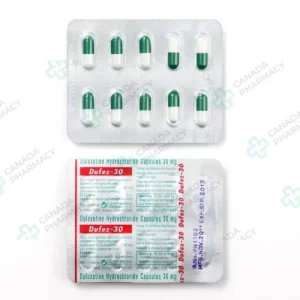
Cymbalta
Price range: $ 46,00 through $ 561,00
Active substance: Duloxetine
More Details
This product has multiple variants. The options may be chosen on the product page
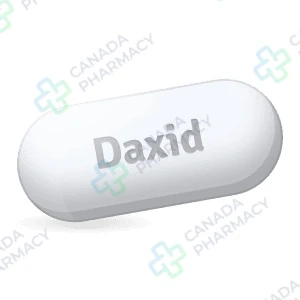
Daxid
Price range: $ 42,00 through $ 229,00
Active substance: Sertraline
More Details
This product has multiple variants. The options may be chosen on the product page
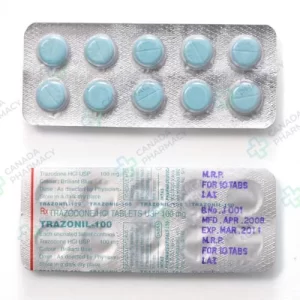
Desyrel
Price range: $ 41,00 through $ 206,00
Active substance: Trazodone
More Details
This product has multiple variants. The options may be chosen on the product page
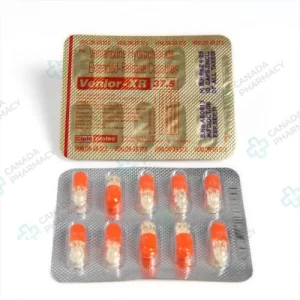
Effexor XR
Price range: $ 36,00 through $ 310,00
Active substance: Venlafaxine
More Details
This product has multiple variants. The options may be chosen on the product page
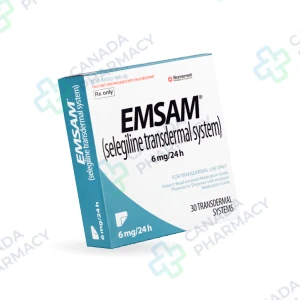
Emsam
Price range: $ 66,00 through $ 345,00
Active substance: Selegiline
More Details
This product has multiple variants. The options may be chosen on the product page
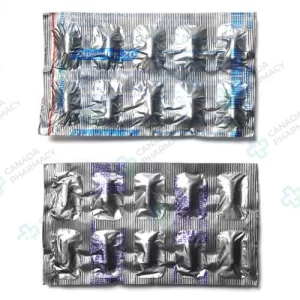
Geodon
Price range: $ 46,00 through $ 418,00
Active substance: Ziprasidone
More Details
This product has multiple variants. The options may be chosen on the product page
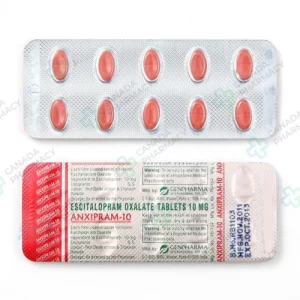
Lexapro
Price range: $ 40,00 through $ 265,00
Active substance: Escitalopram
More Details
This product has multiple variants. The options may be chosen on the product page
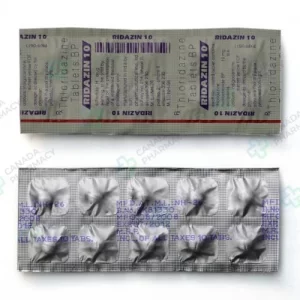
Mellaril
Price range: $ 40,00 through $ 427,00
Active substance: Thioridazine
More Details
This product has multiple variants. The options may be chosen on the product page