

-59%
Zofran
Price range: $ 44,00 through $ 258,00
Zovirax
Price range: $ 52,00 through $ 587,00
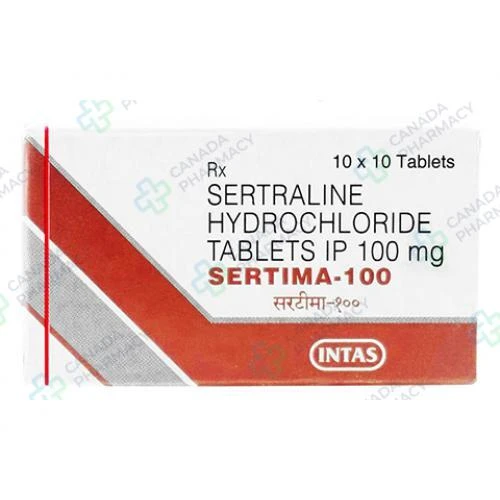
Zoloft
Price range: $ 35,00 through $ 214,00
Zoloft is a highly effective selective serotonin reuptake inhibitor (SSRI) primarily indicated for the treatment of major depressive disorder. This medication is also widely used to manage symptoms of panic disorder and social anxiety disorder in adult patients. Many individuals rely on it for the long-term management of obsessive-compulsive disorder and post-traumatic stress disorder. By helping to restore the balance of serotonin in the brain, it works to improve mood, sleep quality, and energy levels. Additionally, it is an approved treatment option for premenstrual dysphoric disorder to help alleviate severe emotional and physical symptoms.
Active substance: Sertraline
Delivery: 5–21 days (depending on the shipping method)
Extra 10% discount with coupon: IT4K6SVM
Each dosage option has its own packaging choices.
Description
Zoloft belongs to a class of psychotherapeutic medications known as selective serotonin reuptake inhibitors (SSRIs). The active pharmaceutical ingredient is sertraline hydrochloride, an oral prescription drug regulated under United States federal law.
This drug is approved by the U.S. Food and Drug Administration (FDA) for treating major depressive disorder, obsessive-compulsive disorder, panic disorder, posttraumatic stress disorder, social anxiety disorder, and premenstrual dysphoric disorder. Proper clinical utilization requires precise diagnosis, individualized dosing titration, and ongoing medical oversight.
| Drug Name | Zoloft |
| Active Ingredient | Sertraline hydrochloride |
| Therapeutic Class | Selective Serotonin Reuptake Inhibitor (SSRI) |
| Dosage Form | Oral tablets (25 mg, 50 mg, 100 mg), Oral liquid concentrate (20 mg/mL) |
| Route of Administration | Oral |
| Prescription Status | Rx only (Prescription required) |
Clinical Profile and Pharmacological Action
Main uses
Zoloft is indicated for the treatment of several psychiatric conditions in adult populations under FDA approval. Primary indications include Major Depressive Disorder (MDD), where it helps alleviate core depressive symptoms; Obsessive-Compulsive Disorder (OCD) in both adult and pediatric patients (ages 6 to 17); Panic Disorder (PD) with or without agoraphobia; Posttraumatic Stress Disorder (PTSD); Social Anxiety Disorder (SAD); and Premenstrual Dysphoric Disorder (PMDD).
In addition to FDA-approved indications, licensed prescribers may evaluate the drug for off-label applications. Off-label use refers to prescribing a medication for a condition not explicitly listed in its FDA label, based on published clinical trial evidence and medical judgment. Examples of off-label uses for sertraline include generalized anxiety disorder, binge eating disorder, and premature ejaculation. Off-label use must always be guided by a qualified healthcare provider.
How the drug works
The mechanism of action of sertraline is linked to its potent and selective inhibition of CNS neuronal uptake of serotonin (5-HT). By blocking the serotonin transporter protein (SERT), sertraline inhibits the reuptake of serotonin at the presynaptic membrane, leading to an increase in extracellular concentrations of serotonin in synaptic clefts throughout the central nervous system.
Sertraline exhibits minimal affinity for adrenergic, dopaminergic, histaminergic, GABAergic, or muscarinic receptors. This selectivity accounts for its therapeutic profile and lower incidence of anticholinergic, sedative, and cardiovascular side effects compared to tricyclic antidepressants (TCAs).
How it’s absorbed and eliminated
Following oral administration, sertraline is absorbed slowly from the gastrointestinal tract, reaching peak plasma concentrations (Cmax) between 4.5 and 8.4 hours post-dose. Administration with food slightly increases Cmax and overall bioavailability, though it can be taken with or without food. Sertraline is extensive bound to plasma proteins (approximately 98%).
Elimination occurs primarily through hepatic metabolism via multiple cytochrome P450 enzymes (including CYP2C19, CYP2D6, and CYP3A4). The primary metabolic pathway yields N-desmethylsertraline, a metabolite substantially less active than the parent compound. The mean elimination half-life of parent sertraline is approximately 26 hours, whereas N-desmethylsertraline exhibits a longer half-life ranging from 62 to 104 hours. Steady-state plasma concentrations are typically achieved after approximately one week of once-daily dosing.
First days of treatment
During the initial phase of therapy, patients generally do not experience immediate symptomatic relief. Therapeutic response in mood and anxiety disorders typically requires 2 to 4 weeks of consistent administration, while full response in conditions such as OCD or PTSD may take 6 weeks or longer. Early physical side effects, such as mild nausea, altered sleep patterns, or transient restlessness, often manifest within the first few days and frequently diminish over 1 to 2 weeks as neurochemical adaptation occurs.
Safety, Dosing, and Daily Administration
Dosing schedule
Dosing of Zoloft must be strictly determined by a prescribing physician based on the specific condition being treated, patient age, renal and hepatic function, and therapeutic response. For major depressive disorder and OCD in adults, the standard starting dose is 50 mg once daily. For panic disorder, PTSD, and social anxiety disorder, treatment is usually initiated at 25 mg once daily for one week before increasing to 50 mg once daily to minimize early therapeutic anxiety or gastrointestinal distress.
Dose adjustments, if clinically indicated, should occur in increments of 25 mg to 50 mg at intervals of no less than one week, up to a maximum recommended dose of 200 mg once daily. Zoloft liquid concentrate (20 mg/mL) must be diluted immediately prior to administration; it should be mixed strictly with 4 ounces (1/2 cup) of water, ginger ale, lemon/lime soda, lemonade, or orange juice, and swallowed immediately.
Compatibility with other medicines
Sertraline has significant potential for drug interactions. The concurrent administration of sertraline with Monoamine Oxidase Inhibitors (MAOIs), including linezolid and intravenous methylene blue, is strictly contraindicated due to the high risk of fatal Serotonin Syndrome. A minimum of 14 days must elapse between discontinuation of an MAOI and initiation of sertraline, and vice versa. Similarly, co-administration with pimozide is contraindicated due to potential QT prolongation and cardiac arrhythmia risks.
Combining sertraline with other serotonergic agents (such as triptans, tramadol, fentanyl, lithium, or St. John’s Wort) increases the risk of Serotonin Syndrome. Concomitant use of nonsteroidal anti-inflammatory drugs (NSAIDs), aspirin, or oral anticoagulants (such as warfarin) can impair platelet aggregation and elevate the risk of upper gastrointestinal bleeding.
Adverse reactions
Adverse reactions associated with sertraline therapy range from mild and transient symptoms to severe systemic events. Clinical studies highlight several common side effects, including:
- Gastrointestinal disturbance (nausea, diarrhea, loose stools, dyspepsia, dry mouth)
- Central nervous system effects (insomnia, somnolence, dizziness, tremor, fatigue)
- Metabolic shifts (decreased appetite, weight variations)
- Sexual dysfunction (ejaculatory delay, erectile dysfunction, decreased libido, anorgasmia)
- Autonomic reactions (increased sweating, hot flashes)
Less common but serious adverse events include hyponatremia (particularly in elderly patients receiving diuretics), serotonin syndrome, activation of mania/hypomania, angle-closure glaucoma, and increased risk of bleeding.
Important precautions
Zoloft carries an FDA Boxed Warning regarding the increased risk of suicidal thoughts and behaviors in children, adolescents, and young adults (up to age 24) during initial treatment or dose adjustments. Prescribers and caregivers must closely monitor patients for clinical worsening, sudden mood changes, or emergence of suicidal ideation.
Prior to initiating therapy, patients should be screened for bipolar disorder, as monotherapy with SSRIs can precipitate mixed or manic episodes. Abrupt cessation of sertraline must be avoided due to the risk of Discontinuation Syndrome, characterized by dizziness, sensory disturbances (paresthesias), agitation, anxiety, headache, and nausea. Tapering the dose gradually under clinical guidance is mandatory when stopping treatment. Regarding special populations, safety and effectiveness in pediatric patients are established solely for OCD. Caution is advised during pregnancy; administration during the third trimester may pose risks of persistent pulmonary hypertension of the newborn (PPHN) or neonatal withdrawal symptoms.
What to avoid while taking it
Patients should avoid consuming alcohol while taking sertraline, as ethanol may compound central nervous system impairment and impair motor skills. Grapefruit juice should be consumed with caution or avoided, as it can modestly inhibit CYP3A4 metabolism and elevate sertraline plasma levels. When using the oral concentrate form, do not mix the medication with liquids other than those specified by the FDA label (water, ginger ale, lemon/lime soda, lemonade, or orange juice), as incompatibility may alter drug solubility or absorption.
If you skip a dose
If a dose of sertraline is missed, it should be taken as soon as remembered on the same day. However, if it is almost time for the next scheduled dose, the missed dose should be skipped entirely, and the normal dosing schedule resumed. Double doses must never be ingested to compensate for a missed dose, as this significantly increases the risk of adverse toxic effects.
Storage and expiration
Zoloft tablets and oral concentrate should be stored at controlled room temperature, between 20°C to 25°C (68°F to 77°F), with permitted excursions between 15°C to 30°C (59°F to 86°F). Protect the medication from excessive moisture and heat. Keep the bottle tightly closed and stored securely out of reach of children. Expired medications should not be used and must be disposed of according to local pharmaceutical disposal programs.
Common questions
Q: How long does it take for Zoloft to produce full therapeutic benefits?
A: Therapeutic response is non-immediate. Initial improvements may appear within 2 to 4 weeks of continuous daily use, but full therapeutic efficacy for conditions like MDD, OCD, or PTSD often requires 6 to 8 weeks of consistent administration at an appropriate dosage.
Q: Can Zoloft be stopped abruptly if symptoms resolve?
A: No. Abrupt discontinuation can trigger SSRI discontinuation syndrome, resulting in dizziness, electric shock-like sensations, nausea, anxiety, and sleep disturbances. Any reduction in dosage or discontinuation must be executed via a gradual, medically supervised dose-tapering schedule.
Q: Does Zoloft interact with over-the-counter pain relievers?
A: Yes. Combining sertraline with NSAIDs (such as ibuprofen or naproxen) or aspirin increases the risk of gastrointestinal bleeding because both SSRIs and NSAIDs inhibit platelet activation. Consult a healthcare provider before taking OTC pain relievers.
Q: Is Zoloft safe to use during pregnancy?
A: Sertraline should only be used during pregnancy if the potential benefit justifies the potential risk to the fetus. Exposure during late pregnancy may increase the risk of neonatal complications, including respiratory distress and persistent pulmonary hypertension. A individual risk-benefit assessment by an obstetrician and psychiatrist is required.
Q: What should be done if Zoloft oral concentrate is mixed with an unapproved liquid?
A: The oral concentrate must only be diluted in water, ginger ale, lemon/lime soda, lemonade, or orange juice. Mixing it with other liquids (such as tea, milk, or unapproved juices) may cause precipitation or altered stability. If incorrectly mixed, discard the solution safely and prepare a new dose correctly.
In accordance with FDA requirements.
This text is for informational purposes only and does not constitute individual medical advice.
Additional information
| Dosage |
25 mg ,50mg ,100mg |
|---|---|
| Package |
30 pills ,60 pills ,90 pills ,120 pills ,180 pills ,270 pills ,360 pills |
| Ενεργός Ουσία |
Related products
Amitriptyline
Price range: $ 41,00 through $ 114,00
Active substance: amitriptyline
More Details
This product has multiple variants. The options may be chosen on the product page
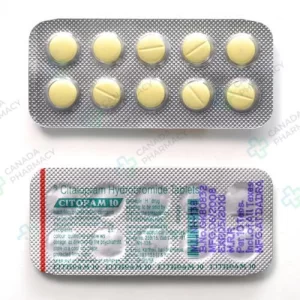
Celexa
Price range: $ 7,00 through $ 193,00
Active substance: Citalopram
More Details
This product has multiple variants. The options may be chosen on the product page
Clozaril
Price range: $ 45,00 through $ 129,00
Active substance: Clozapine
More Details
This product has multiple variants. The options may be chosen on the product page
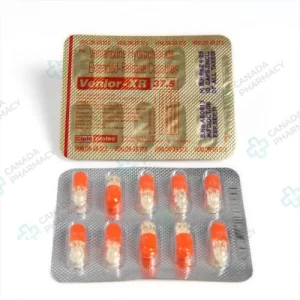
Effexor XR
Price range: $ 36,00 through $ 310,00
Active substance: Venlafaxine
More Details
This product has multiple variants. The options may be chosen on the product page
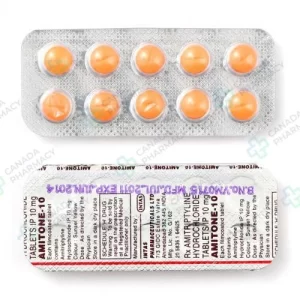
Elavil
Price range: $ 39,00 through $ 222,00
Active substance: amitriptyline
More Details
This product has multiple variants. The options may be chosen on the product page
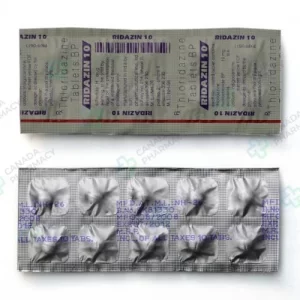
Mellaril
Price range: $ 40,00 through $ 427,00
Active substance: Thioridazine
More Details
This product has multiple variants. The options may be chosen on the product page
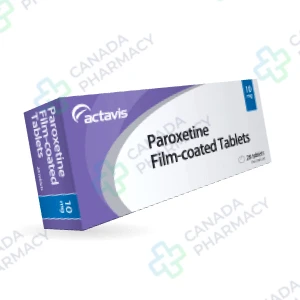
Paroxetine
Price range: $ 44,00 through $ 321,00
Active substance: paroxetine
More Details
This product has multiple variants. The options may be chosen on the product page
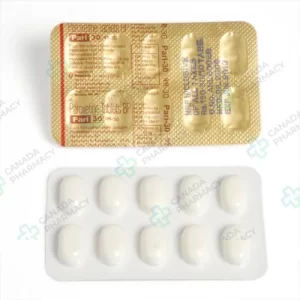
Paxil
Price range: $ 34,00 through $ 445,00
Active substance: paroxetine
More Details
This product has multiple variants. The options may be chosen on the product page