

-48%
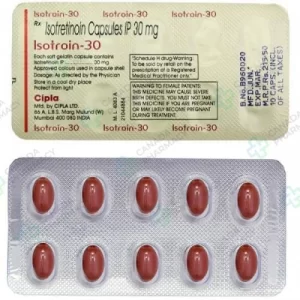
Isotroin
Price range: $ 41,00 through $ 513,00
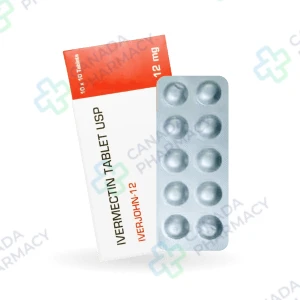
Iverjohn
Price range: $ 50,00 through $ 880,00
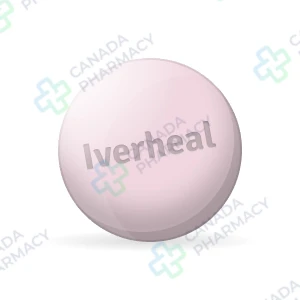
Iverheal
Price range: $ 50,00 through $ 880,00
Iverheal is a potent antiparasitic agent formulated to treat various infections caused by parasitic organisms. It contains Ivermectin, which effectively eliminates parasites by paralyzing their muscle and nerve cells. This medication is primarily indicated for the treatment of intestinal strongyloidiasis and onchocerciasis. By targeting the parasites directly, it helps clear the infection from the body and promotes a faster recovery. Iverheal is produced according to strict standards to ensure safety and consistent results for managing parasitic conditions.
Active substance: Ivermectin
Delivery: 5–21 days (depending on the shipping method)
Extra 10% discount with coupon: IT4K6SVM
Each dosage option has its own packaging choices.
Description
Iverheal belongs to a class of antiparasitic medications known as anthelmintics. The active drug component, ivermectin, targets specific parasitic organisms within the human body to clear underlying infections. In the United States, oral ivermectin formulations are classified as prescription-only (Rx) medications under federal regulations and must be used strictly under professional medical supervision.
Dispensed in accordance with applicable federal and state regulations, this medication is selected by prescribers based on individual clinical evaluation. Patients should follow all directions provided by their treating physician or pharmacist to ensure appropriate therapeutic outcomes.
| Attribute | Details |
|---|---|
| Drug Name | Iverheal |
| Active Ingredient | Ivermectin |
| Therapeutic Class | Anthelmintic agent |
| Dosage Form | Oral tablet |
| Route of Administration | Oral |
| Prescription Status | Prescription (Rx) only |
| Primary Purpose | Treatment of specific systemic parasitic infections |
Pharmacological Profile and Indications
How the Drug Works
Iverheal contains ivermectin, an agent that selectively binds with high affinity to glutamate-gated chloride ion channels occurring in invertebrate nerve and muscle cells. This binding increases the permeability of the cell membrane to chloride ions, inducing hyperpolarization of the nerve or muscle cell. Consequently, the target parasite experiences neuromuscular paralysis and ultimate destruction. Because mammalian chloride channels exhibit significantly lower affinity for the compound and do not readily cross the blood-brain barrier under normal physiological conditions, the drug selectively targets pathogenic organisms without exerting primary neurotoxicity on host human tissues.
Main Uses
Iverheal is indicated for the treatment of specific parasitic infections confirmed through diagnostic laboratory testing. Primary FDA-approved indications for oral ivermectin include intestinal strongyloidiasis caused by the nematode parasite Strongyloides stercoralis and onchocerciasis (river blindness) caused by Onchocerca volvulus. It is important to note that any use of oral ivermectin for unapproved indications, such as viral infections or non-indicated dermatological conditions, is classified as off-label. Off-label use requires a tailored risk-benefit evaluation by a licensed healthcare provider, as safety and efficacy for non-approved conditions have not been established by regulatory authorities.
What Happens in the Body
Following oral administration, ivermectin is absorbed through the gastrointestinal tract, reaching peak plasma concentration approximately 4 hours after ingestion. The active compound is highly bound to plasma proteins, primarily albumin, reaching protein binding levels of approximately 93%. It undergoes extensive hepatic metabolism, mediated predominantly by the cytochrome P450 enzyme system, specifically the CYP3A4 isoenzyme. The terminal elimination half-life of ivermectin in healthy adults is approximately 18 hours. The drug and its metabolic derivatives are excreted almost entirely through the feces, with less than 1% eliminated unchanged in human urine.
Dosing Schedule
The dosing schedule for Iverheal is determined individually by a licensed prescriber based on body weight, infection severity, and the specific parasitic organism involved. For intestinal strongyloidiasis, standard treatment typically consists of a single oral dose providing approximately 200 micrograms of ivermectin per kilogram of body weight. For onchocerciasis, the standard regimen generally involves a single oral dose providing approximately 150 micrograms per kilogram of body weight, repeated at 3- to 12-month intervals depending on clinical response and endemic exposure. Tablets should be taken on an empty stomach with a full glass of water, at least one hour before or two hours after meals.
What You May Notice Early On
During the initial phase of treatment, patients may experience reactions related to the death of the parasitic organisms rather than direct drug toxicity. In cases of heavy microfilarial clearance, systemic symptoms such as mild fever, skin itching, or localized lymph node tenderness may manifest within the first 24 to 48 hours. These responses, known in certain treatment contexts as Mazzotti-type reactions, generally peak early and subside as the host immune system clears the eliminated parasites. Patients monitoring their recovery should report any unexpected or severe inflammatory symptoms to their prescribing physician.
Safety, Precautions, and Practical Guidance
What Side Effects May Occur
Treatment with Iverheal may produce mild to moderate adverse reactions depending on individual patient sensitivity and underlying parasite burden. Frequently reported side effects include dizziness, fatigue, nausea, abdominal discomfort, diarrhea, and mild cutaneous reactions such as pruritus or transient rash. In patients treated for microfilarial infections, immune-mediated responses may lead to joint pain, facial swelling, or postural hypotension. Severe adverse events, including encephalopathy or major neurological toxicity, are rare but have been documented in individuals co-infected with high densities of Loa loa. Any severe or escalating reaction warrants immediate clinical evaluation.
Important Precautions
Before initiating therapy with Iverheal, patients must undergo a thorough medical evaluation to verify the underlying parasitic diagnosis. Special caution is required in individuals with pre-existing hepatic impairment, as altered metabolism may affect systemic drug clearance. In patients who have lived in or traveled to regions endemic for Loa loa, screening for loiasis is essential prior to administration due to the risk of severe neurological side effects. Regarding pediatric populations, safety and effectiveness have not been established in pediatric patients weighing under 15 kilograms. For pregnant patients, use is limited to situations where the potential therapeutic benefit outweighs potential fetal risks under strict medical guidance.
What Not to Combine
Iverheal may interact with concomitant medications that alter metabolic pathways or blood-brain barrier transport mechanisms. Co-administration with strong CYP3A4 inhibitors (such as ketoconazole or clarithromycin) may elevate ivermectin plasma concentrations, whereas strong CYP3A4 inducers (such as rifampin or St. John’s wort) may reduce therapeutic efficacy. Furthermore, caution is advised when combining ivermectin with vitamin K antagonists like warfarin, as enhanced anticoagulant effects and prolonged prothrombin time have been observed; regular INR monitoring is recommended. Concomitant use with GABA-ergic agents should also be monitored due to potential additive central nervous system effects.
What to Avoid While Taking It
Patients taking Iverheal should refrain from consuming alcohol during the treatment period, as alcohol can exacerbate central nervous system side effects such as dizziness, somnolence, and lightheadedness. Additionally, because administration with high-fat meals significantly increases the bioavailability and peak concentration of ivermectin, food intake should be strictly avoided for two hours before and one hour after ingestion unless specifically instructed by a physician. Maintaining hydration and avoiding sudden changes in posture immediately following a dose can help mitigate transient lightheadedness or postural blood pressure shifts.
What to Ask Your Provider
When discussing therapy with a prescribing doctor or dispensing pharmacist, patients are encouraged to ask specific clarifying questions to ensure safe administration. Key inquiries include verifying the exact weight-based dose required, understanding whether follow-up stool examinations or blood tests are necessary to confirm parasite eradication, and identifying which specific symptoms require immediate emergency care. Patients should also disclose all prescription medications, over-the-counter drugs, dietary supplements, and recent international travel history to assist the clinician in assessing interaction risks and co-infection factors.
Storage and Expiration
Iverheal tablets should be stored at room temperature, ideally between 68°F and 77°F (20°C to 25°C), with permitted excursions between 59°F and 86°F (15°C to 30°C). The medication must be kept in its original packaging, away from excess heat, direct light, and moisture, avoiding humid environments such as bathroom cabinets. Keep the product securely stored out of reach of children and household pets. Do not use tablets past the expiration date printed on the packaging.
Common Questions
Is a follow-up medical examination required after taking Iverheal?
Clinical protocols generally recommend follow-up evaluations to confirm complete eradication of the parasite. For intestinal strongyloidiasis, repeat stool examinations are typically performed to verify that microfilariae are no longer present. In cases of onchocerciasis, periodic clinical assessments may be scheduled to monitor microfilarial counts and assess ocular health. Patients should adhere to all follow-up appointments requested by their prescriber.
Can Iverheal be safely administered during breastfeeding?
Active ivermectin is excreted in human milk in low concentrations following oral administration. The safety profile of the drug in nursing infants has not been fully established, particularly for low-birth-weight infants. Prescribers weigh the necessity of maternal treatment against potential risks to the infant before recommending use during lactation. Alternative therapies or temporary cessation of nursing may be advised depending on the clinical context.
What actions should be taken if a dose of Iverheal is missed?
Because Iverheal is frequently prescribed as a single-dose treatment or a widely spaced intermittent regimen, missing a scheduled dose requires prompt consultation with a healthcare provider. Patients should not double the dose to compensate for a missed administration. The prescribing clinician will advise whether to take the dose immediately on an empty stomach or reschedule according to the overall treatment plan.
Does Iverheal impair the ability to operate machinery or drive?
Iverheal can cause central nervous system side effects in some individuals, including dizziness, lightheadedness, somnolence, and transient visual disturbances. These effects may be intensified if postural hypotension develops. Patients are advised to refrain from driving, operating heavy machinery, or engaging in hazardous tasks until they observe how their body responds to the medication.
How does food consumption impact the absorption of Iverheal?
Administration of ivermectin alongside a high-fat meal markedly increases its systemic absorption and peak plasma concentration compared to administration in a fasted state. To ensure predictable pharmacokinetics and minimize potential adverse effects, standard clinical guidelines specify that the tablet must be ingested on an empty stomach with a full glass of water.
This text is for informational purposes only and does not constitute individual medical advice. Always consult your healthcare provider before starting or changing any treatment.
In accordance with FDA requirements.
Additional information
| Dosage |
3mg ,6mg ,12mg |
|---|---|
| Package |
10 pills ,20 pills ,30 pills ,60 pills ,90 pills ,120 pills ,180 pills ,270 pills |
| Ενεργός Ουσία |
Related products
Augmentin
Price range: $ 56,00 through $ 678,00
Active substance: amoxicillin, clavulanate
More Details
This product has multiple variants. The options may be chosen on the product page
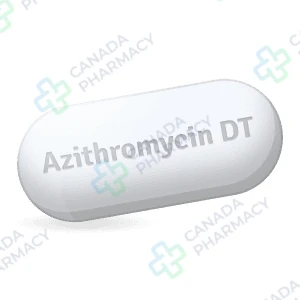
Azithromycin DT
Price range: $ 60,00 through $ 972,00
Active substance: Azithromycin
More Details
This product has multiple variants. The options may be chosen on the product page
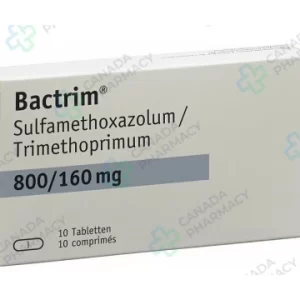
Bactrim
Price range: $ 41,00 through $ 196,00
Active substance: sulfamethoxazole, trimethoprim
More Details
This product has multiple variants. The options may be chosen on the product page
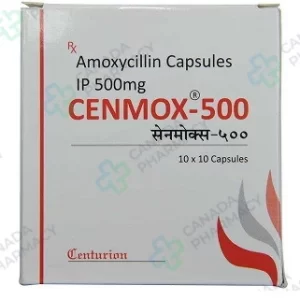
Cenmox
$ 51,00
Active substance: amoxicillin
More Details
This product has multiple variants. The options may be chosen on the product page
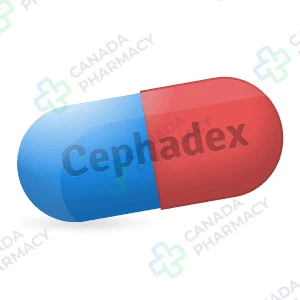
Cephadex
Price range: $ 16,00 through $ 48,00
Active substance: cephalexin
More Details
This product has multiple variants. The options may be chosen on the product page
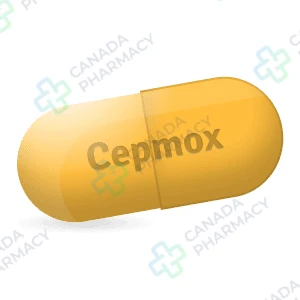
Cepmox
Price range: $ 41,00 through $ 115,00
Active substance: amoxicillin
More Details
This product has multiple variants. The options may be chosen on the product page
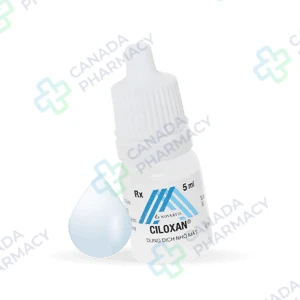
Ciloxan Ophthalmic Solution
Price range: $ 50,00 through $ 63,00
Active substance: Ciprofloxacin hydrochloride
More Details
This product has multiple variants. The options may be chosen on the product page
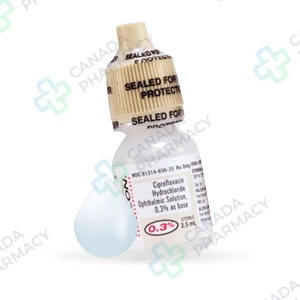
Ciprodex Ophthalmic Solution
Price range: $ 63,00 through $ 95,00
Active substance: Ciprofloxacin, Dexamethasone
More Details
This product has multiple variants. The options may be chosen on the product page