

-48%
Iverheal
Price range: $ 50,00 through $ 880,00
Ivermectol
Price range: $ 67,00 through $ 872,00
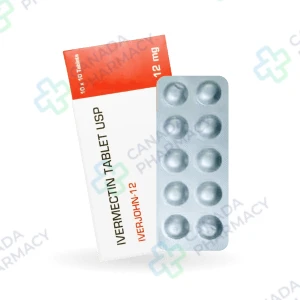
Iverjohn
Price range: $ 50,00 through $ 880,00
Iverjohn is a specialized antiparasitic medication formulated with the active ingredient Ivermectin to target specific parasitic infections. It is primarily used to treat strongyloidiasis of the intestinal tract, helping to eliminate threadworms from the body. Additionally, this medication is a highly effective treatment for onchocerciasis, a condition caused by specific types of parasitic worms. The active component works by paralyzing and neutralizing these organisms, which effectively stops the spread of the infection. Iverjohn offers a reliable solution for maintaining personal health and ensuring the thorough removal of harmful parasites.
Active substance: Ivermectin
Delivery: 5–21 days (depending on the shipping method)
Extra 10% discount with coupon: IT4K6SVM
Each dosage option has its own packaging choices.
Description
Iverjohn belongs to a class of antiparasitic medications containing ivermectin, an active agent synthesized from avermectin compounds. It is primarily prescribed for treating specific parasitic nematode infections affecting the intestinal tract and skin tissue in human patients. Proper administration requires precise medical diagnosis, laboratory verification, and strict oversight by a licensed medical provider.
In the United States, oral ivermectin formulations are classified as prescription-only (Rx) pharmaceuticals governed by federal regulations. The medication must be dispensed in accordance with applicable federal and state legal requirements, requiring a valid prescription issued by a qualified clinician. It is not approved for over-the-counter distribution or self-directed therapy.
| Attribute | Specification |
|---|---|
| Active Ingredient | Ivermectin |
| Therapeutic Class | Anthelmintic agent |
| Administration Route | Oral |
| Prescription Status | Prescription (Rx) only |
| Primary Purpose | Treatment of microfilariae and intestinal nematodes |
| Storage Conditions | Store below 86°F (30°C), protected from moisture and light |
Clinical Overview & Usage
How the drug works
Iverjohn operates by binding selectively and with high affinity to glutamate-gated chloride ion channels found within invertebrate nerve and muscle cells. This selective binding enhances membrane permeability to chloride ions, causing hyperpolarization of target neuromuscular membranes. The resulting electrical disruption leads to muscle paralysis and subsequent death of the target parasites. Human nerve channels remain largely unaffected because glutamate-gated chloride channels are absent in mammalian systems. Furthermore, therapeutic oral dosages do not routinely cross the blood-brain barrier under physiological conditions, minimizing central nervous system effects in human hosts.
What it’s used for
The clinical indications for oral ivermectin established under FDA guidelines focus on intestinal strongyloidiasis caused by the roundworm Strongyloides stercoralis and tissue-level onchocerciasis caused by Onchocerca volvulus. Before treatment, microscopic identification or serological testing is necessary to confirm infection type. Off-label uses–such as administration for cutaneous larva migrans or scabies–must be explicitly designated as off-label and supervised by a physician. The FDA has not authorized oral ivermectin for treating or preventing viral infections, including COVID-19, as clinical trials have failed to show therapeutic efficacy for such applications.
Dosing schedule
Dosage calculations are conducted strictly on a body-weight basis by the prescribing physician. For intestinal strongyloidiasis, standard regimens typically involve a single oral dose of approximately 200 micrograms per kilogram of body weight. For onchocerciasis, the recommended dosage is typically a single oral dose of 150 micrograms per kilogram, often repeated at six- to twelve-month intervals depending on parasite suppression needs. Tablets should be swallowed whole with water on an empty stomach, at least one hour before or two hours after meals, to ensure consistent systemic absorption. Patients must not adjust doses independently.
What happens in the body
Following oral administration, ivermectin is rapidly absorbed from the gastrointestinal tract, reaching peak plasma concentrations within approximately four hours. Peak systemic concentration correlates directly with the administered dose. Ivermectin is extensively bound to human plasma proteins, primarily albumin, reaching levels exceeding 99%. Metabolism occurs predominantly in the liver via cytochrome P450 enzymes, specifically CYP3A4. The terminal elimination half-life averages approximately 16 hours in adult patients. Excretion occurs almost entirely through the feces as metabolites and unchanged drug, with less than 1% excreted in urine.
Safety Guidelines & Pharmacokinetics
Compatibility with other medicines
Co-administration of Iverjohn with other medicinal products requires thorough pharmacokinetic evaluation. Strong inhibitors or inducers of the CYP3A4 enzyme system can alter systemic clearance. Concomitant use with potent P-glycoprotein inhibitors (such as ketoconazole, erythromycin, or verapamil) may increase blood-brain barrier penetration and raise the risk of central nervous system toxicity. Combining ivermectin with anticoagulants like warfarin requires periodic monitoring of international normalized ratio (INR) values, as alterations in prothrombin time have been observed in rare cases. Patients should provide a complete medication list to their clinician before treatment.
Adverse reactions
Adverse reactions during treatment are generally mild to moderate and often relate to the immune response triggered by dying parasites (Mazzotti reaction) rather than direct drug toxicity. Common systemic reactions include dizziness, pruritus, skin rash, fatigue, nausea, abdominal pain, and peripheral edema. In patients treated for onchocerciasis, ocular adverse events such as conjunctivitis, eyelid edema, and limbitis may occur secondary to parasite clearance. Mild transient leukopenia and elevated liver enzymes have also been noted. Patients experiencing persistent gastrointestinal distress or severe skin irritation should inform their healthcare professional.
Important precautions
Before initiating therapy, patients must be evaluated for co-infection with Loa loa nematodes, particularly if they have traveled to endemic areas in Central Africa. High microfilarial densities of Loa loa can precipitate severe toxicity, including encephalopathy and retinal hemorrhages. Special populations require specific consideration: safety has not been established in pediatric patients weighing under 15 kilograms. Pregnant women should avoid ivermectin unless potential clinical benefit outweighs fetal risk. Nursing mothers excrete low concentrations of ivermectin into human milk; clinical evaluation is required before use during lactation. Elderly patients should be monitored for organ function decline.
What to avoid while taking it
Food intake significantly increases the bioavailability of oral ivermectin. Consuming a high-fat meal concurrently can increase peak plasma concentrations up to two-fold; therefore, taking the drug on an empty stomach with plain water is mandatory for predictable dosing. Alcohol consumption should be strictly avoided during therapy. Alcohol can potentiate central nervous system depression, exacerbating side effects such as sedation, dizziness, and orthostatic hypotension. Additionally, patients should avoid driving or operating machinery if they experience lightheadedness or drowsiness following administration.
Red flags
Although severe adverse events are uncommon when taken at prescribed therapeutic doses, certain symptoms require immediate emergency medical attention. Emergency evaluation is necessary if patients experience signs of severe allergic reaction, such as facial, lip, or tongue swelling, or acute shortness of breath. Neurological signs including severe confusion, inability to maintain balance, seizure activity, or altered consciousness are critical red flags requiring emergency care. Immediate medical intervention is also indicated if severe blistering skin rashes or high fever occur shortly after medication ingestion.
If you skip a dose
Because Iverjohn is frequently administered as a single-dose regimen for indications like strongyloidiasis, missed doses are uncommon. However, if a single dose is missed on the scheduled day, it should be taken as soon as remembered on an empty stomach, provided the next scheduled evaluation is not immediate. If treatment involves a multi-dose schedule and the next dose is near, skip the missed dose and resume the normal schedule. Never double the dose to compensate for a missed tablet, as elevated serum levels increase the risk of adverse neurological reactions.
Storage and expiration
Iverjohn tablets should be stored in their original packaging at controlled room temperature between 68°F and 77°F (20°C to 25°C), with brief excursions permitted up to 86°F (30°C). Keep the medication stored away from excess heat, direct light, and moisture; bathroom cabinets are inappropriate storage locations. Keep out of reach of children and domestic pets. Inspect the package for expiration dates prior to use, and safely dispose of any unused or expired medication through authorized pharmacy take-back programs or local waste disposal guidelines.
Common questions
How quickly does ivermectin begin working against parasitic infections?
Ivermectin begins immobilizing susceptible parasites within hours of ingestion as peak plasma concentrations are reached in approximately four hours. However, clearance of symptoms and microfilariae from tissues depends on individual parasite burden and immune response, often requiring days to weeks for full clinical evaluation.
Is it safe to consume alcohol while taking Iverjohn?
No. Alcohol consumption increases the risk of central nervous system side effects such as dizziness, somnolence, and low blood pressure. Patients should abstain from alcohol for at least 48 hours following medication intake.
What should I do if I experience dizziness after taking the tablet?
Dizziness is a recognized side effect caused by blood pressure drops or parasite clearance responses. Sit or lie down immediately until the feeling passes. Avoid sudden posture changes, driving, or operating heavy machinery until symptoms resolve completely.
Can ivermectin be taken with breakfast or other meals?
No. Food enhances the absorption of ivermectin in an unpredictable manner. The medication must be taken with a full glass of water on an empty stomach–either one hour before eating or two hours after a meal.
Why is a repeat dose sometimes required months later?
In conditions like onchocerciasis, ivermectin kills microfilariae (immature larvae) but does not kill adult worms. Repeat dosing every 6 to 12 months is necessary to manage new microfilariae produced by surviving adult worms over their lifespan.
This text is for informational purposes only and does not constitute individual medical advice. In accordance with FDA requirements.
Additional information
| Dosage |
3mg ,6mg ,12mg |
|---|---|
| Package |
10 pills ,20 pills ,30 pills ,60 pills ,90 pills ,120 pills ,180 pills ,270 pills |
| Ενεργός Ουσία |
Related products
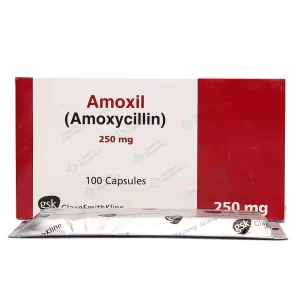
Amoxil
Price range: $ 40,00 through $ 170,00
Active substance: amoxicillin
More Details
This product has multiple variants. The options may be chosen on the product page
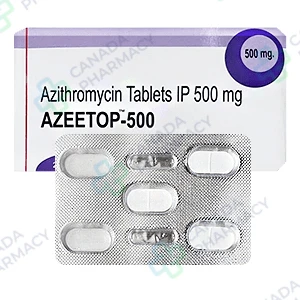
Azeetop
Price range: $ 40,00 through $ 250,00
Active substance: Azithromycin
More Details
This product has multiple variants. The options may be chosen on the product page
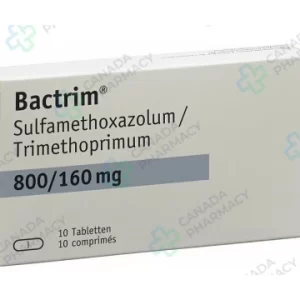
Bactrim
Price range: $ 41,00 through $ 196,00
Active substance: sulfamethoxazole, trimethoprim
More Details
This product has multiple variants. The options may be chosen on the product page
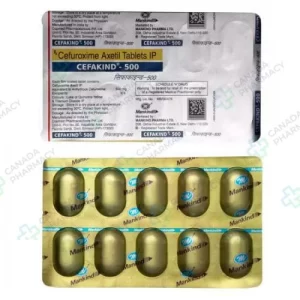
Ceftin
Price range: $ 38,00 through $ 386,00
Active substance: Cefuroxime
More Details
This product has multiple variants. The options may be chosen on the product page
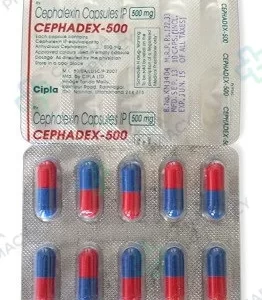
Cephalexin
Price range: $ 39,00 through $ 349,00
Active substance: cephalexin
More Details
This product has multiple variants. The options may be chosen on the product page
Chloramphenicol
Price range: $ 56,00 through $ 260,00
Active substance: chloramphenicol
More Details
This product has multiple variants. The options may be chosen on the product page
Ciprodex Ophthalmic Solution
Price range: $ 63,00 through $ 95,00
Active substance: Ciprofloxacin, Dexamethasone
More Details
This product has multiple variants. The options may be chosen on the product page
Cleocin
Price range: $ 91,00 through $ 361,00
Active substance: Clindamycin
More Details
This product has multiple variants. The options may be chosen on the product page