

-28%
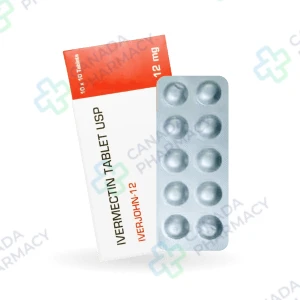
Iverjohn
Price range: $ 50,00 through $ 880,00
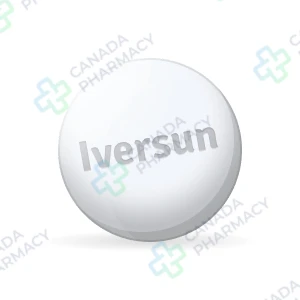
Iversun
Price range: $ 250,00 through $ 500,00
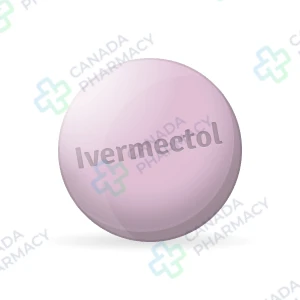
Ivermectol
Price range: $ 67,00 through $ 872,00
Ivermectol is a potent antiparasitic medication designed to treat various infections caused by specific parasitic worms. It is officially indicated for the treatment of intestinal strongyloidiasis and onchocerciasis, effectively targeting parasites in the human body. The active ingredient works by interfering with the nervous system of the parasites, leading to their neutralization and removal. This treatment is a trusted choice for managing conditions like river blindness and other localized parasitic infestations. Its proven efficacy makes Ivermectol a key solution for maintaining patient health against parasitic threats.
Active substance: Ivermectin
Delivery: 5–21 days (depending on the shipping method)
Extra 10% discount with coupon: IT4K6SVM
Each dosage option has its own packaging choices.
Description
Ivermectol belongs to a class of antiparasitic medications known as avermectins, which are semisynthetic derivatives derived from the fermentation of Streptomyces avermitilis. In the United States, oral formulations containing the active ingredient ivermectin are classified as prescription-only (Rx) medications regulated under federal guidelines by the Food and Drug Administration (FDA).
This product requires a valid order from a licensed healthcare provider following an appropriate clinical assessment. It must be dispensed in full accordance with applicable federal and state regulations to ensure proper clinical oversight, individualized dosing, and patient safety.
| Attribute | Specification |
|---|---|
| Drug Name | Ivermectol |
| Active Ingredient (INN) | Ivermectin |
| Therapeutic Class | Anthelmintic agent (Antiparasitic) |
| Dosage Form | Oral tablet |
| Route of Administration | Oral |
| Prescription Status | Prescription (Rx) only |
| Primary Purpose | Eradication of susceptible tissue and intestinal parasitic infections |
Clinical Overview and Pharmacologic Profile
Main Uses
Oral ivermectin is explicitly approved by the FDA for the treatment of two primary parasitic conditions: intestinal strongyloidiasis caused by the nematode parasite Strongyloides stercoralis, and onchocerciasis (commonly referred to as river blindness) caused by the filarial nematode Onchocerca volvulus. Treatment aims to eliminate microfilariae and reduce the burden of adult intestinal parasites.
In clinical practice, prescribers may evaluate ivermectin for off-label indications, including scabies caused by Sarcoptes scabiei when topical treatments fail or are unfeasible, demodicosis, and specific microfilaremic infections. Any use outside FDA-approved labeling constitutes off-label use and requires clinical discretion by a physician. The FDA has not approved oral ivermectin for the prevention or treatment of viral infections, including COVID-19; rigorous clinical trials have failed to establish efficacy for such indications.
How the Drug Works
Ivermectin acts by selectively binding with high affinity to glutamate-gated chloride ion channels present in invertebrate nerve and muscle cells. This binding increases the permeability of the cell membrane to chloride ions, causing hyperpolarization of the nerve or muscle cell. Ultimately, this hyperpolarization leads to neuromuscular paralysis and the death of the parasite. Mammalian channels are not significantly affected because ivermectin exhibits a much lower affinity for mammalian ligand-gated chloride channels and does not readily cross the blood-brain barrier under physiological conditions.
How It’s Absorbed and Eliminated
Following oral administration, ivermectin is rapidly absorbed from the gastrointestinal tract. Peak plasma concentrations are achieved approximately 4 hours after administration. The active substance is highly bound to plasma proteins, predominantly albumin, reaching approximately 93% protein binding. Ivermectin undergoes extensive hepatic metabolism, primarily mediated by the cytochrome P450 enzyme CYP3A4. The systemic elimination half-life of oral ivermectin in healthy adults is approximately 18 hours. The drug and its metabolic derivatives are excreted almost exclusively in the feces over a period of up to 12 days, with less than 1% excreted in urine.
Dosing Schedule
Dosage regimens for ivermectin are established on a weight-based calculation (typically measured in micrograms per kilogram of body weight) and depend entirely on the specific diagnosis. For intestinal strongyloidiasis, the standard recommended dosage is a single oral dose designed to deliver approximately 200 mcg of ivermectin per kg of body weight. For onchocerciasis, the single recommended oral dose delivers approximately 150 mcg per kg of body weight, which may require repeat evaluations at 3- to 12-month intervals depending on parasite suppression dynamics.
Tablets must be ingested with water on an empty stomach–specifically at least 1 hour before or 2 hours after a meal–to maintain predictable pharmacokinetics. Exact dosage adjustments and administration frequency must be determined individually by a qualified medical professional.
What You May Notice Early On
During the initial 24 to 48 hours following administration, patients treated for parasitic infections may observe mild physical reactions. These events are often not a direct toxic effect of the drug itself, but rather an inflammatory immune response triggered by the death and clearance of microfilariae within tissues. Patients undergoing treatment for onchocerciasis may experience temporary systemic symptoms known as the Mazzotti reaction, which typically peaks within the first two days of treatment.
Safety Information and Special Considerations
Adverse Reactions
Adverse events associated with oral ivermectin vary based on parasite burden and indication. Common side effects reported in clinical literature include peripheral edema, facial edema, orthostatic hypotension, tachycardia, dizziness, headache, myalgia, and gastrointestinal disturbances such as nausea, abdominal discomfort, and diarrhea. Dermatologic reactions, including pruritus, rash, and urticaria, are also commonly noted.
Severe adverse events, though infrequent, require immediate clinical intervention. These include severe skin reactions (such as toxic epidermal necrolysis or Stevens-Johnson syndrome), marked liver enzyme elevations, transient hypereosinophilia, and central nervous system effects including somnolence, ataxia, confusion, or seizures–particularly if the blood-brain barrier integrity is compromised.
Important Precautions
Precautions must be exercised in patients with underlying hepatic impairment, as decreased metabolic clearance can lead to increased systemic exposure. The safety and effectiveness of oral ivermectin in pediatric patients weighing less than 15 kg have not been established; therefore, use in this population is generally avoided. In elderly patients, dose selection should be cautious, reflecting the greater frequency of decreased hepatic, renal, or cardiac function.
Regarding pregnancy and lactation: Ivermectin is excreted in human milk in low concentrations. Due to potential risks to the neonate, prescribers must carefully weigh the risk-to-benefit ratio prior to authorizing treatment in pregnant or nursing individuals.
What Not to Combine
Co-administration of ivermectin with potent CYP3A4 inhibitors (such as ketoconazole, itraconazole, or erythromycin) may increase systemic plasma concentrations of ivermectin. Conversely, strong CYP3A4 inducers (such as rifampin or St. John’s wort) may decrease plasma levels, reducing therapeutic response. Caution is also advised when combining ivermectin with GABAergic agents (including benzodiazepines, barbiturates, and sodium oxybate), as additive central nervous system effects could theoretically occur. Concomitant administration with oral anticoagulants like warfarin may alter prothrombin time, requiring routine monitoring of International Normalized Ratio (INR) levels.
Food and Alcohol Interactions
Ingestion of ivermectin alongside a high-fat meal substantially increases systemic exposure (bioavailability), doubling the area under the concentration-time curve (AUC) compared to administration under fasting conditions. To maintain standardized therapeutic dosing and prevent unpredictable toxicity, the drug must be taken strictly on an empty stomach. Consumption of ethanol (alcohol) should be limited or avoided during therapy due to potential additive central nervous system depression and increased risk of orthostatic dizziness.
If You Skip a Dose
Because ivermectin is most frequently administered as a single, one-time dose for standard indications, missed dosing issues are less common than with chronic daily therapies. If a prescribed dose is missed, contact your healthcare provider for guidance. If a multi-dose regimen has been prescribed, take the missed dose as soon as it is remembered, unless it is almost time for the next scheduled dose. Patients should never take double or extra doses to compensate for a missed dose.
Storage and Expiration
Ivermectol tablets should be stored at controlled room temperature between 68°F and 77°F (20°C to 25°C), with temporary excursions permitted between 59°F and 86°F (15°C to 30°C) in accordance with standard USP guidelines. The medication must be kept in its original packaging, tightly closed, and protected from excessive heat, light, and moisture. Store all pharmaceuticals out of the reach and sight of children and pets. Do not use this medication past the expiration date printed on the packaging.
Common Questions
Is Ivermectol available over-the-counter in the United States?
No. In the United States, oral formulations of ivermectin are prescription-only (Rx) medications. Federal law prohibits dispensing this drug without a valid prescription from an authorized healthcare provider who has evaluated your specific medical condition.
Why must this medication be taken strictly on an empty stomach?
Taking ivermectin with food–especially high-fat meals–significantly increases how much of the drug is absorbed into your bloodstream. Administration on an empty stomach ensures consistent, predictable drug levels that align with established safety and efficacy profiles.
How long does it take for ivermectin to clear from the body?
Ivermectin has an average elimination half-life of approximately 18 hours in adults. It is primarily metabolized by the liver and eliminated through the feces, with complete systemic elimination generally occurring over several days following a single dose.
What is the Mazzotti reaction and when does it occur?
The Mazzotti reaction is a complex immune response that can occur when treating microfilarial infections (such as onchocerciasis). It is caused by the sudden clearance of dying parasites and may include fever, rash, joint pain, tender lymph nodes, and low blood pressure, usually emerging within 24 to 48 hours of treatment.
Can Ivermectol be used for viral prevention or treatment?
No. Ivermectin is an antiparasitic agent. Current clinical evidence and FDA guidelines state that oral ivermectin is not approved or recommended for the prevention or treatment of viral infections, including COVID-19.
In accordance with FDA requirements.
This text is for informational purposes only and does not constitute individual medical advice.
Additional information
| Dosage |
12mg |
|---|---|
| Package |
10 pills ,20 pills ,30 pills ,60 pills ,90 pills ,120 pills ,180 pills |
| Ενεργός Ουσία |
Related products
Augmentin
Price range: $ 56,00 through $ 678,00
Active substance: amoxicillin, clavulanate
More Details
This product has multiple variants. The options may be chosen on the product page
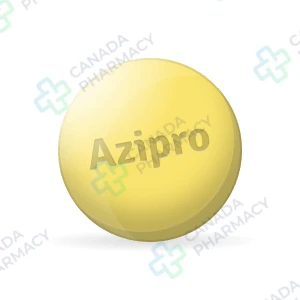
Azipro
Price range: $ 90,00 through $ 680,00
Active substance: Azithromycin
More Details
This product has multiple variants. The options may be chosen on the product page
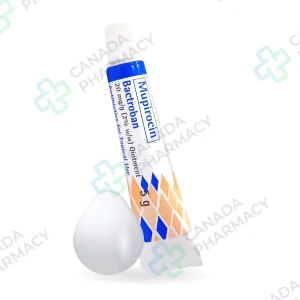
Bactroban Ointment 5g
Price range: $ 55,00 through $ 200,00
Active substance: Mupirocin
More Details
This product has multiple variants. The options may be chosen on the product page
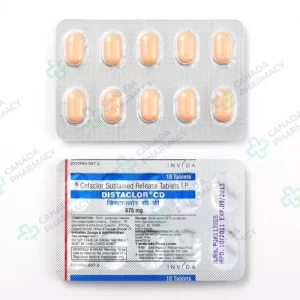
Ceclor CD
Price range: $ 53,00 through $ 154,00
Active substance: Cefaclor
More Details
This product has multiple variants. The options may be chosen on the product page
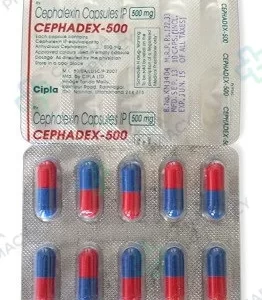
Cephalexin
Price range: $ 39,00 through $ 349,00
Active substance: cephalexin
More Details
This product has multiple variants. The options may be chosen on the product page
Chloramphenicol
Price range: $ 56,00 through $ 260,00
Active substance: chloramphenicol
More Details
This product has multiple variants. The options may be chosen on the product page
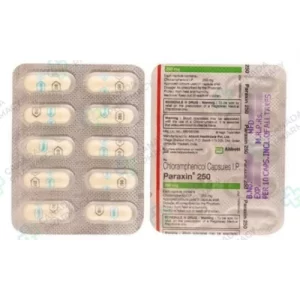
Chloromycetin
Price range: $ 52,00 through $ 242,00
Active substance: chloramphenicol
More Details
This product has multiple variants. The options may be chosen on the product page
Cleocin
Price range: $ 91,00 through $ 361,00
Active substance: Clindamycin
More Details
This product has multiple variants. The options may be chosen on the product page