

-55%

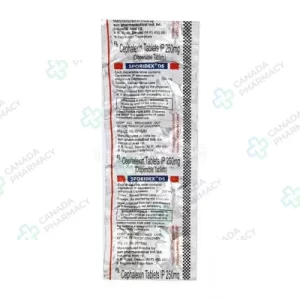
Keflex
Price range: $ 49,00 through $ 374,00
Kemadrin
Price range: $ 41,00 through $ 281,00
Keftab
Price range: $ 41,00 through $ 593,00
Keftab is a potent cephalosporin antibiotic used to treat a diverse range of bacterial infections in the body. This medication is highly effective for addressing common issues such as respiratory tract infections, skin conditions, and ear infections. It also serves as a reliable treatment for bacterial ailments affecting the urinary tract and bone structures. By preventing the growth of bacteria, Keftab helps the immune system quickly resolve symptoms and restore overall wellness. Its well-established efficacy makes it a trusted choice for managing acute bacterial health concerns.
Active substance: cephalexin
Delivery: 5–21 days (depending on the shipping method)
Extra 10% discount with coupon: IT4K6SVM
Each dosage option has its own packaging choices.
Description
Keftab belongs to a class of antimicrobial medications known as first-generation cephalosporins. It acts against susceptible Gram-positive and select Gram-negative bacteria responsible for common systemic infections. This prescription medication is evaluated and approved under Federal Food and Drug Administration (FDA) standards for systemic antibacterial therapy.
As a prescription-only therapy, Keftab must be dispensed strictly in accordance with federal and state regulations following a direct evaluation by a licensed healthcare provider. Treatment regimens and daily dosing schedules are determined individually based on the specific site and severity of the bacterial infection.
Product Overview and Clinical Information
| Parameter | Details |
|---|---|
| Active ingredient | Cephalexin (as hydrochloride) |
| Therapeutic class | First-generation cephalosporin antibacterial |
| Dosage form | Oral tablet |
| Route of administration | Oral |
| Prescription status | Prescription (Rx only) |
| Primary purpose | Treatment of susceptible bacterial infections |
How the drug works
Keftab exerts its bactericidal activity by targeting active bacterial cell wall synthesis. The active compound binds to specific penicillin-binding proteins located inside the bacterial cell wall. This binding inhibits the final transpeptidation step of peptidoglycan synthesis, which is essential for structural integrity. Without a stable cell wall, susceptible bacteria undergo osmotic instability, cell lysis, and ultimate death. Keftab exhibits spectrum activity against aerobic Gram-positive organisms such as Staphylococcus aureus (methicillin-susceptible strains) and Streptococcus pneumoniae, as well as Gram-negative pathogens including Escherichia coli, Proteus mirabilis, and Klebsiella pneumoniae. It is inactive against Enterococcus species, methicillin-resistant staphylococci, and Pseudomonas species.
Main uses
Keftab is indicated for the treatment of respiratory tract infections caused by susceptible strains of Streptococcus pneumoniae and Streptococcus pyogenes. It is also prescribed for otitis media, skin and skin structure infections attributable to staphylococci or streptococci, and bone infections. Furthermore, healthcare providers utilize this agent for uncomplicated genitourinary tract infections, including acute prostatitis caused by Escherichia coli, Proteus mirabilis, and Klebsiella pneumoniae. To prevent the development of drug-resistant bacteria and maintain clinical efficacy, Keftab should be used solely to treat or prevent infections that are proven or strongly suspected to be caused by susceptible microorganisms. When culture and susceptibility information are available, they should be considered in selecting or modifying antimicrobial therapy.
How it’s absorbed and eliminated
Following oral administration, Keftab is rapidly and almost completely absorbed from the gastrointestinal tract. Peak serum concentrations are typically attained within 1 hour after administration under fasting conditions. The drug exhibits wide distribution throughout body tissues and fluids, including pericardial fluid, synovial fluid, and bone tissue, although therapeutic levels in the central nervous system are negligible. Cephalexin does not undergo significant hepatic metabolism and is excreted largely unchanged in the urine. Approximately 80% or more of the administered dose is recovered in the urine within 8 hours via glomerular filtration and tubular secretion. The serum elimination half-life ranges from 0.5 to 1 hour in individuals with normal renal function, but this clearance period is prolonged in patients with impaired renal capacity.
Dosing schedule
The dosage of Keftab is determined individually by the prescribing clinician based on the severity of the infection, microbial susceptibility, and the patient’s renal function. For standard adult indications, the typical dosage ranges from 250 mg to 500 mg administered orally every 6 hours, or alternatively 500 mg every 12 hours for specific uncomplicated infections such as skin structure infections or cystitis. Total daily dosages may be adjusted upward for severe clinical conditions, not exceeding 4 g daily without specialized supervision. Therapy is generally continued for 7 to 14 days, and streptococcal infections require at least 10 days of continuous treatment to minimize the risk of rheumatic fever. Patients must complete the full prescribed course even if symptoms resolve earlier.
What side effects may occur
Adverse reactions associated with Keftab primarily involve the gastrointestinal system. Gastrointestinal manifestations include diarrhea, nausea, vomiting, dyspepsia, and abdominal cramps. Dermatological reactions such as mild skin rashes, urticaria, and pruritus have also been observed during clinical use. Less common systemic effects include transient elevations in hepatic enzymes, fatigue, headache, dizziness, and genital moniliasis or vaginitis due to fungal overgrowth. A significant adverse risk involves Clostridioides difficile-associated diarrhea, which can range in severity from mild diarrhea to fatal colitis. Treatment with antibacterial agents alters the normal flora of the colon, permitting overgrowth of C. difficile. Patients experiencing severe or persistent watery diarrhea during or after therapy require immediate clinical evaluation.
Red flags
Certain adverse symptoms indicate severe systemic complications that necessitate immediate medical care. Anaphylactic reactions, though rare, represent a life-threatening emergency characterized by airway swelling and circulatory collapse. Patients should seek emergency medical attention immediately if any signs of severe hypersensitivity or severe cutaneous adverse reactions appear.
| Symptom | Potential Clinical Concern |
|---|---|
| Swelling of face, lips, tongue, or throat | Severe anaphylactic reaction |
| Shortness of breath or wheezing | Acute respiratory distress / hypersensitivity |
| Severe watery diarrhea or stomach cramps | Clostridioides difficile-associated colitis |
| Widespread skin rash with peeling or blistering | Potential Stevens-Johnson syndrome |
| Unusual bruising or abnormal bleeding | Hematologic abnormality / blood dyscrasia |
What not to combine
Concomitant administration of Keftab with other pharmacological agents can alter drug clearance or therapeutic response. Probenecid inhibits the renal tubular secretion of cephalexin, leading to increased and prolonged blood levels of the antibiotic; co-administration is generally not recommended unless specifically intended. Additionally, cephalexin may decrease the clearance of metformin, resulting in increased metformin plasma concentrations and heightened risk of hypoglycemia; clinical monitoring of blood glucose is advised when these drugs are used together. Cephalosporins may also reduce the immunogenic response to live oral typhoid vaccine. Patients should inform their prescriber of all concurrent medications, including over-the-counter supplements and herbal preparations.
Important precautions
Prior to initiating Keftab, careful inquiry should be made concerning previous hypersensitivity reactions to cephalosporins, penicillins, or other beta-lactam agents. Cross-reactivity between penicillins and cephalosporins occurs in a subset of patients, and caution is required when administering this drug to individuals with a history of penicillin allergy. Patients with significantly impaired renal function require adjusted dosage regimens based on serum creatinine or creatinine clearance values to avoid accumulation. In pregnant women, cephalexin should be used only if clearly needed after evaluating risk versus benefit. Cephalexin is excreted in human milk; caution should be exercised when administered to nursing mothers. Prolonged use may result in the overgrowth of non-susceptible organisms.
What to avoid while taking it
Keftab may be taken with or without food. Administering the tablet alongside meals or milk can help minimize mild gastrointestinal upset, such as nausea or abdominal discomfort, without significantly impairing total drug absorption. While alcohol does not directly interact with cephalexin to produce a disulfiram-like reaction, consuming alcohol during an active bacterial infection is discouraged. Alcohol can induce dehydration, interfere with normal sleep cycles, and compromise general immune recovery during antimicrobial treatment.
If you skip a dose
Maintaining consistent blood levels of the antibiotic is crucial for optimal therapeutic success. If a dose of Keftab is missed, it should be taken as soon as remembered. However, if it is almost time for the next scheduled dose, the missed dose should be skipped, and the regular dosing schedule resumed. Patients must not double the dose or take extra medicine to compensate for a missed dose, as this increases the likelihood of adverse gastrointestinal effects.
Storage and expiration
Keftab tablets should be stored at controlled room temperature, generally between 20°C and 25°C (68°F to 77°F), with excursions permitted between 15°C and 30°C (59°F to 86°F). Keep the container tightly closed and protect it from excessive moisture and direct heat exposure. Medications must be stored out of reach of children and pets. Discard any medication that has passed its expiration date as stated on the pharmacy packaging, following local guidelines for safe drug disposal.
Frequently Asked Questions
Can Keftab cause false-positive results on laboratory tests?
Yes, treatment with cephalexin may cause a false-positive reaction for glucose in the urine when using Benedict’s solution, Fehling’s solution, or Clinitest tablets. Enzymatic glucose oxidase tests are not affected. Additionally, a positive direct Coombs’ test may occur during therapy, which can interfere with hematologic cross-matching procedures.
How long does it typically take for Keftab to clear an infection?
Symptomatic improvement often begins within 24 to 48 hours after starting therapy. However, the duration required to completely eradicate the bacterial pathogen depends on the diagnosis and severity. Completing the entire prescribed course is essential to prevent infection relapse and decrease the risk of developing resistant strains.
Is dose adjustment necessary for elderly patients?
Elderly individuals are more likely to have decreased renal function. Because cephalexin is substantially excreted by the kidneys, dose selection should be cautious in older adults, and monitoring renal function may be beneficial during prolonged therapy.
What should I do if severe diarrhea develops after completing treatment?
Diarrhea that occurs days or weeks after completing an antibiotic regimen may indicate a late-onset Clostridioides difficile infection. Patients experiencing persistent, severe, or bloody diarrhea should contact a healthcare provider immediately and avoid taking over-the-counter anti-diarrheal agents without medical advice.
In accordance with FDA requirements.
This text is for informational purposes only and does not constitute individual medical advice.
Additional information
| Dosage |
125mg ,250mg ,375mg ,500mg ,750mg |
|---|---|
| Package |
30 pills ,60 pills ,90 pills ,120 pills ,180 pills ,270 pills ,360 pills |
| Ενεργός Ουσία |
Related products
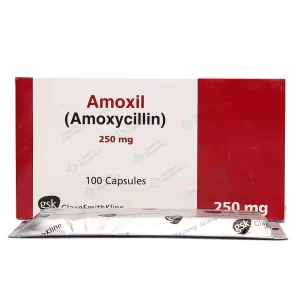
Amoxil
Price range: $ 40,00 through $ 170,00
Active substance: amoxicillin
More Details
This product has multiple variants. The options may be chosen on the product page
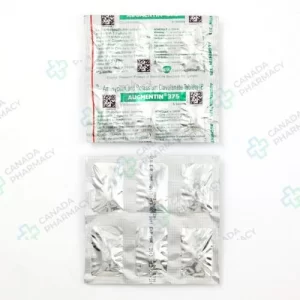
Augmentin
Price range: $ 56,00 through $ 678,00
Active substance: amoxicillin, clavulanate
More Details
This product has multiple variants. The options may be chosen on the product page

Azee
Price range: $ 30,00 through $ 150,00
Active substance: Azithromycin
More Details
This product has multiple variants. The options may be chosen on the product page
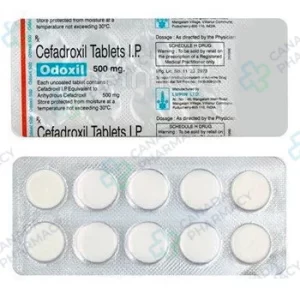
Cefadroxil
Price range: $ 41,00 through $ 349,00
Active substance: cefadroxil
More Details
This product has multiple variants. The options may be chosen on the product page
Cephadex
Price range: $ 16,00 through $ 48,00
Active substance: cephalexin
More Details
This product has multiple variants. The options may be chosen on the product page
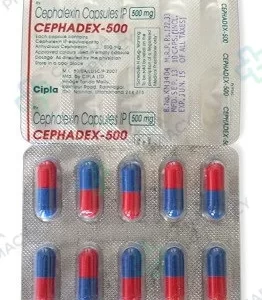
Cephalexin
Price range: $ 39,00 through $ 349,00
Active substance: cephalexin
More Details
This product has multiple variants. The options may be chosen on the product page
Cepmox
Price range: $ 41,00 through $ 115,00
Active substance: amoxicillin
More Details
This product has multiple variants. The options may be chosen on the product page
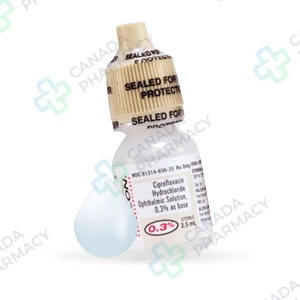
Ciprodex Ophthalmic Solution
Price range: $ 63,00 through $ 95,00
Active substance: Ciprofloxacin, Dexamethasone
More Details
This product has multiple variants. The options may be chosen on the product page