

-25%
KamaSutra Pink Dotted Condoms
Price range: $ 11,00 through $ 28,00
Keraglo Eva
Price range: $ 22,00 through $ 91,00
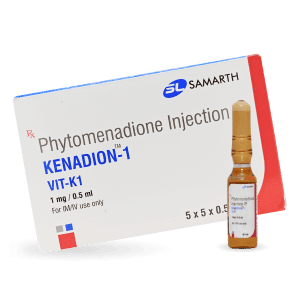
Kenadion Injection
Price range: $ 70,00 through $ 240,00
Kenadion Injection is a high-quality preparation of Phytomenadione, which serves as a vital source of Vitamin K1 for the body. This medication is essential for the proper synthesis of coagulation factors, helping to maintain healthy blood-clotting functions. It is primarily used for the prevention and treatment of hemorrhagic disease in newborns to ensure their safety during the first days of life. Furthermore, Kenadion is an effective solution for correcting bleeding disorders caused by a severe Vitamin K deficiency or malabsorption. It also provides a reliable way to reverse the effects of anticoagulant medications when a rapid restoration of normal blood clotting is necessary.
Delivery: 5–21 days (depending on the shipping method)
Extra 10% discount with coupon: IT4K6SVM
Each dosage option has its own packaging choices.
Description
Kenadion Injection belongs to a class of medications known as fat-soluble vitamin analogs, specifically containing phytonadione (vitamin K1). It is prescribed primarily to reverse coagulation defects caused by vitamin K deficiency or to treat anticoagulant-induced hypoprothrombinemia. As a prescription-only injectable therapy, it must be dispensed and administered in accordance with applicable federal and state regulations.
This parenteral solution delivers active phytonadione directly into systemic circulation or subcutaneous tissue when oral supplementation is inadequate, medically contraindicated, or clinically ineffective. Proper therapeutic administration requires precise clinical monitoring of blood coagulation parameters, such as Prothrombin Time (PT) and International Normalized Ratio (INR).
| Active ingredient (INN) | Phytonadione (Vitamin K1) |
| Therapeutic class | Antihemorrhagic agent / Vitamin K analog |
| Dosage form | Solution for injection |
| Route of administration | Subcutaneous, Intramuscular, or Intravenous |
| Prescription status | Prescription (Rx) only |
| Storage | 68°F to 77°F (20°C to 25°C); protect from light |
How the drug works
The mechanism of action of phytonadione revolves around its essential role as a cofactor in the hepatic synthesis of active blood clotting factors. Specifically, phytonadione is required for the enzymatic conversion of clotting factor precursors–factor II (prothrombin), factor VII, factor IX, and factor X–into their functional forms. This transformation occurs via a microsomal enzyme, gamma-glutamyl carboxylase, which converts specific glutamic acid residues in these precursor proteins into gamma-carboxyglutamate (Gla) residues. The Gla residues enable coagulation proteins to bind calcium ions and biological phospholipid surfaces, an essential step in forming a stable fibrin clot.
When vitamin K stores are depleted or inhibited by competitive vitamin K antagonists such as coumarin derivatives, uncarboxylated clotting factor precursors accumulate, resulting in prolonged coagulation times and elevated risk of hemorrhage. The exogenous administration of phytonadione restores the functional gamma-carboxylation cycle in hepatic tissue, promoting the rapid synthesis of active clotting factors.
Main uses
Kenadion Injection is indicated for the treatment of hypoprothrombinemia secondary to factors limiting vitamin K absorption or synthesis. The primary FDA-approved indications include:
- Reversal of anticoagulant-induced prothrombin deficiency caused by coumarin or indandione derivatives (e.g., warfarin therapy).
- Treatment of hypoprothrombinemia secondary to vitamin K deficiency resulting from malabsorption syndromes, ulcerative colitis, obstructive jaundice, biliary fistula, or prolonged therapy with broad-spectrum antibacterial agents.
- Prophylaxis and treatment of vitamin K deficiency bleeding in newborns (hemorrhagic disease of the newborn).
Unlabeled or off-label applications of injectable phytonadione include emergency management of accidental ingestion of vitamin K-antagonist rodenticides (superwarfarins). Such applications represent specialized toxicological management and fall outside standard FDA-approved product labeling.
How it is administered
The dosing schedule and administration route for Kenadion Injection are determined strictly by the clinical indication, severity of bleeding, and baseline coagulation assays. Subcutaneous administration is the strongly preferred parenteral route due to superior safety profiles relative to intravenous or intramuscular routes.
Intramuscular administration may be considered when subcutaneous delivery is medically inappropriate, provided the baseline bleeding risk is evaluated. Intravenous administration is reserved exclusively for urgent, life-threatening hemorrhagic conditions where immediate action is mandatory. When given intravenously, the drug must be infused extremely slowly, at a rate not exceeding 1 milligram per minute, to decrease the risk of severe systemic adverse events. Blood coagulation metrics, specifically PT/INR, must be evaluated at regular intervals following administration to guide subsequent dosing requirements.
What happens in the body
Following parenteral administration, phytonadione is absorbed and transported via the vascular system to the liver. When administered intravenously, measurable correction of elevated clotting parameters typically begins within 1 to 2 hours, with significant control of hemorrhage and reduction in PT/INR achieved within 3 to 6 hours. Normalization of prothrombin concentration is generally observed within 12 to 24 hours.
Phytonadione concentrates temporarily in hepatic tissue, the adrenal glands, and the lungs, but it does not remain permanently in body tissues. Hepatic metabolism transforms phytonadione into polar metabolites via modification of its aliphatic side chain, followed by glucuronide conjugation. Elimination occurs through both biliary and renal pathways, with metabolites excreted in bile and urine. The biological half-life exhibits variability depending on patient organ function and administration route.
Compatibility with other medicines
Phytonadione demonstrates significant pharmacodynamic interactions with specific pharmacological classes:
- Oral Anticoagulants (e.g., Warfarin): Phytonadione directly antagonizes the therapeutic effect of coumarin derivatives. Administration of high doses of phytonadione can induce prolonged temporary resistance to subsequent oral anticoagulant therapy.
- Broad-spectrum Antibiotics: Systemic antibiotics alter gastrointestinal flora, reducing endogenous vitamin K2 production and potentially potentiating hypoprothrombinemia.
- Bile Acid Sequestrants and Mineral Oil: While primary interactions occur with oral forms, concomitant systemic therapies affecting lipid handling can influence phytonadione utilization.
- Salicylates and Cephalosporins: High-dose salicylates or N-methylthiotetrazole (NMTT) side-chain cephalosporins inhibit vitamin K epoxide reductase, potentially increasing phytonadione requirements.
Adverse reactions
Parenteral administration of phytonadione may elicit localized or systemic adverse effects. Injection site reactions include localized pain, tenderness, swelling, and transient erythema. Less frequently, delayed cutaneous reactions–such as indurated, erythematous, or plaque-like skin lesions at the injection site–have been reported, developing anywhere from several days to weeks after administration.
Systemic reactions include flushing, dysgeusia (alteration in taste perception), dizziness, sweating, transient hypotension, and tachycardia. Rapid intravenous administration poses a substantial risk of severe anaphylactoid reactions, characterized by bronchospasm, laryngeal edema, cyanosis, and cardiovascular collapse. In neonates, excessive dosing may precipitate hyperbilirubinemia, jaundice, and hemolytic anemia.
Important precautions
Kenadion Injection carries significant warnings regarding severe hypersensitivity reactions. Fatalities have occurred during and immediately following intravenous and intramuscular administration. Severe reactions, including anaphylaxis, respiratory arrest, and cardiac arrest, can occur even when the drug is diluted and infused slowly. Consequently, the subcutaneous route should be used whenever feasible, reserving intravenous administration strictly for emergency clinical situations.
Phytonadione does not reverse hypoprothrombinemia caused by intrinsic liver failure (hepatocellular disease). In conditions where hepatic cellular machinery is damaged, the liver cannot synthesize clotting factors regardless of vitamin K supplementation; administering phytonadione in such cases may be ineffective and may result in unwanted adverse events. Patients with mechanical heart valves or severe deep vein thrombosis require careful dose titration to avoid overcorrection, which could trigger thromboembolic complications.
First days of treatment
During the initial phase of phytonadione therapy, patients do not typically feel immediate subjective changes. Clinical management focuses on objective laboratory assessments rather than symptomatic perceptions. Within the first 6 to 12 hours post-administration, clinical staff monitor PT and INR values to verify biological response. In patients treated for active hemorrhages, visible signs of bleeding–such as epistaxis, mucosal bleeding, or spreading hematomas–should stabilize and gradually subside as systemic coagulation factor levels rebuild.
Red flags
Immediate emergency medical intervention is required if any of the following acute symptoms develop during or shortly after administration:
- Difficulty breathing, wheezing, or stridor
- Swelling of the face, lips, tongue, or throat
- Chest tightness, chest pain, or severe palpitations
- Sudden drop in blood pressure, severe dizziness, or syncope
- Signs of unexpected thrombosis, such as unilateral leg swelling, sudden shortness of breath, or focal neurological deficits
Pregnancy, breastfeeding, and other groups
Phytonadione is classified as a medication to be used during pregnancy only if the potential maternal benefit clearly outweighs the potential fetal risk. Vitamin K1 crosses the placenta in limited quantities. Breastfeeding women should exercise caution, as phytonadione is excreted into human milk in low concentrations.
Pediatric administration, particularly in premature infants and neonates, requires strict adherence to recommended weight-based dosage guidelines to minimize the risk of bilirubin displacement and secondary hyperbilirubinemia. Elderly patients may present increased sensitivity to coagulation balance changes and altered hepatic clearance, necessitating diligent monitoring of prothrombin time.
Storage and expiration
Kenadion Injection must be stored at controlled room temperature between 68°F and 77°F (20°C to 25°C), with brief excursions permitted between 59°F and 86°F (15°C to 30°C). The preparation is light-sensitive; ampules and vials must be retained in their original outer cardboard packaging until immediate use. Inspect the solution visually for particulate matter or discoloration prior to administration; do not use if the solution is turbid or contains precipitation. Do not freeze. Discard any unused portion remaining in single-dose containers.
Common questions
How quickly does Kenadion Injection restore normal blood clotting?
Measurable control of bleeding and improvement in clotting parameters typically begin within 1 to 2 hours following parenteral administration. Full correction of elevated Prothrombin Time (PT) and INR values is generally achieved within 12 to 24 hours, depending on individual metabolic activity and baseline deficit.
Why is subcutaneous administration preferred over intravenous injection?
Subcutaneous administration is preferred because intravenous delivery carries a markedly higher risk of severe anaphylactoid reactions and cardiovascular collapse. Subcutaneous administration provides a safer bioavailability profile while effectively promoting hepatic factor synthesis.
Can Kenadion Injection treat bleeding caused by advanced liver disease?
No. Kenadion Injection specifically addresses hypoprothrombinemia resulting from vitamin K deficiency or inhibition. In severe hepatocellular failure, the liver’s underlying cellular machinery cannot manufacture coagulation factors despite adequate vitamin K presence; thus, phytonadione is not effective for primary liver-failure-induced coagulopathy.
Is it normal to notice delayed skin reactions at the site of injection?
Yes. Delayed cutaneous reactions, such as localized redness, swelling, or firm skin plaques, can occasionally develop at the injection site several days or weeks after treatment. Any persistent or expanding skin lesions should be evaluated by a medical provider.
Will receiving phytonadione permanently prevent warfarin from working in the future?
No. Phytonadione temporarily counteracts the biological effect of warfarin. Once the exogenously administered phytonadione is cleared and metabolized, oral anticoagulant therapy can be safely re-established under medical supervision, though temporary resistance may require careful dose titration.
In accordance with FDA requirements, prescription medications should only be administered under the direct supervision of a licensed healthcare provider.
The information presented here is not a substitute for professional medical advice.
Additional information
| Dosage |
0.5 ml 1 mg ,1 ml 10 mg |
|---|---|
| Package |
10 flacons ,20 flacons ,30 flacons |
| Active Ingredient |
Phytomenadione |
Related products
Cipcal
Price range: $ 117,00 through $ 216,00
More Details
This product has multiple variants. The options may be chosen on the product page
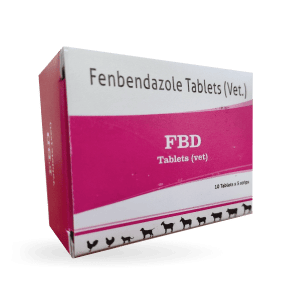
FBD
Price range: $ 90,00 through $ 810,00
More Details
This product has multiple variants. The options may be chosen on the product page
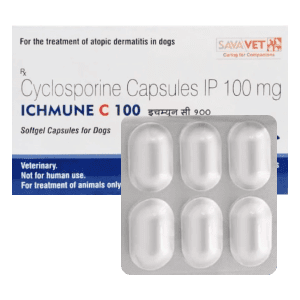
Ichmune C
Price range: $ 112,00 through $ 1 071,00
More Details
This product has multiple variants. The options may be chosen on the product page
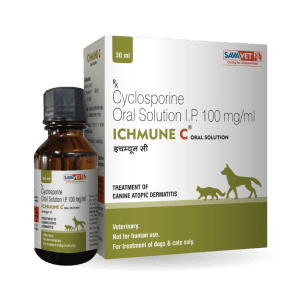
Ichmune C Oral Solution
$ 150,00
More Details
This product has multiple variants. The options may be chosen on the product page
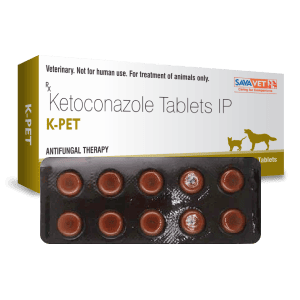
K-Pet
Price range: $ 32,00 through $ 176,00
More Details
This product has multiple variants. The options may be chosen on the product page
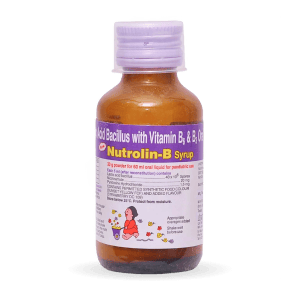
Nutrolin-B Syrup
Price range: $ 19,00 through $ 45,00
More Details
This product has multiple variants. The options may be chosen on the product page
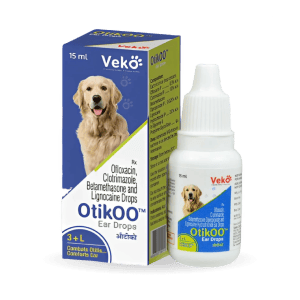
OtikOO Ear Drops
Price range: $ 33,00 through $ 87,00
More Details
This product has multiple variants. The options may be chosen on the product page
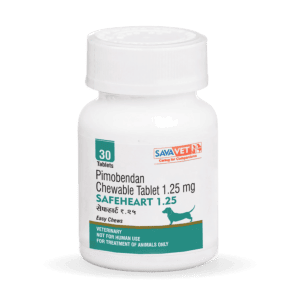
Safeheart Soft
Price range: $ 44,00 through $ 114,00
More Details
This product has multiple variants. The options may be chosen on the product page