
-14%
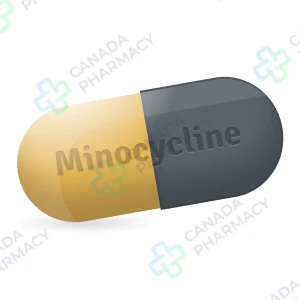
Minocycline
Price range: $ 36,00 through $ 622,00
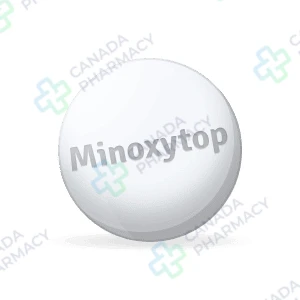
Minoxytop
Price range: $ 43,00 through $ 377,00
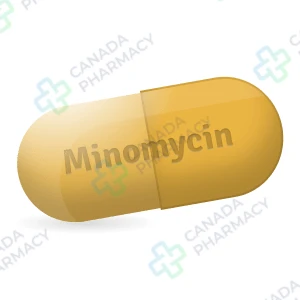
Minomycin
Price range: $ 61,00 through $ 406,00
Minomycin is a versatile tetracycline antibiotic designed to treat a wide variety of bacterial infections within the body. It is frequently used to manage conditions affecting the respiratory system, skin, and urinary tract. This medication is highly effective at reducing the inflammation and bacteria associated with severe cases of acne. By inhibiting the growth of harmful microorganisms, Minomycin helps the body successfully overcome systemic infections. Its proven efficacy makes it a trusted option for addressing diverse bacterial concerns and promoting overall recovery.
Active substance: minocycline
Delivery: 5–21 days (depending on the shipping method)
Extra 10% discount with coupon: IT4K6SVM
Each dosage option has its own packaging choices.
Description
Minomycin – Information for Patients and Caregivers
Minomycin belongs to the tetracycline class of broad-spectrum antibacterial agents, containing minocycline hydrochloride as its active pharmaceutical ingredient. It is indicated for the treatment of susceptible strains of gram-positive and gram-negative microorganisms, as well as specific clinical presentations of moderate-to-severe acne vulgaris.
As a prescription-only medication regulated by the US Food and Drug Administration (FDA), Minomycin requires careful clinical evaluation prior to initiation. Proper diagnostic assessment ensures microbial susceptibility and minimizes the development of drug-resistant bacterial strains.
| Property | Details |
|---|---|
| Active ingredient | Minocycline hydrochloride |
| Therapeutic class | Tetracycline derivative antibiotic |
| Dosage form | Oral capsules / tablets |
| Route of administration | Oral |
| Prescription status | Prescription (Rx) only |
| Primary purpose | Treatment of susceptible bacterial infections |
Pharmacological Properties and Indications
How the drug works
Minomycin exerts its antimicrobial effect primarily through bacteriostatic activity. The active constituent, minocycline, penetrates bacterial cell walls and reversibly binds to the 30S ribosomal subunit of susceptible bacterial microorganisms. This binding action inhibits the access of aminoacyl-tRNA to the ribosomal acceptor site, effectively blocking bacterial protein synthesis. Because human eukaryotic cells lack the specific ribosomal target configuration accessible at therapeutic concentrations, the agent selectively targets microbial pathogens. Minomycin demonstrates a broader spectrum of activity compared to earlier tetracycline derivatives due to its enhanced lipid solubility, allowing better tissue penetration against organisms such as Propionibacterium acnes (Cutibacterium acnes), Mycoplasma pneumoniae, and various rickettsial species.
What happens in the body
Following oral administration, minocycline is rapidly and almost completely absorbed from the gastrointestinal tract, demonstrating an oral bioavailability of approximately 90% to 100%. Peak plasma concentrations are typically achieved within 1 to 4 hours after ingestion. Unlike first-generation tetracyclines, the oral absorption of minocycline is not significantly altered by the presence of food or moderate amounts of dairy products. Minomycin exhibits high lipid solubility, permitting wide distribution into body tissues and fluids, including the central nervous system, thyroid tissue, lungs, and skin. The plasma protein binding of minocycline ranges between 70% and 75%. The elimination half-life of minocycline in patients with normal renal function ranges from 11 to 23 hours, allowing for once- or twice-daily dosing schedules. Metabolism occurs partially in the liver, and elimination is carried out via both biliary and renal pathways.
Main uses
Minomycin is FDA-approved for the treatment of infections caused by designated susceptible strains of specific microorganisms. Key clinical indications include respiratory tract infections caused by Streptococcus pneumoniae or Haemophilus influenzae, urinary tract infections, sexually transmitted infections such as non-gonococcal urethritis caused by Ureaplasma urealyticum or Chlamydia trachomatis, and rickettsial infections such as Rocky Mountain spotted fever. Additionally, Minomycin is indicated as adjunctive therapy in severe acne vulgaris when systemic antibacterial treatment is clinically warranted. It may also be prescribed off-label for specific dermatological or rheumatological inflammatory conditions under specialist supervision.
Dosing, Administration, and Expectations
Dosing schedule
The administration schedule and dosage of Minomycin are individualized based on the specific infection being treated, severity, and patient clinical characteristics. For standard systemic infections in adult patients, the customary initial dosage is 200 mg orally, followed by 100 mg every 12 hours. Alternatively, some regimens specify 50 mg four times daily. For the adjunctive treatment of acne vulgaris, typical adult dosages range from 50 mg to 100 mg daily or twice daily. Therapy should be continued for at least 24 to 48 hours after symptoms and fever have subsided. To reduce the risk of esophageal irritation and ulceration, capsules or tablets should be swallowed whole with adequate fluid (a full glass of water) while in an upright sitting or standing position, rather than immediately before lying down.
Signs of improvement
Response times to Minomycin therapy depend significantly on the therapeutic indication. In acute bacterial infections, symptomatic improvement–such as reduction in fever, diminished localized pain, or decreased inflammatory markers–is generally expected within 48 to 72 hours of initiating therapy. In contrast, when Minomycin is utilized for dermatological indications such as acne vulgaris, noticeable clinical improvement in inflammatory papules and pustules typically requires 6 to 8 weeks of consistent daily administration. If no clinical progress is observed within a reasonable treatment period, the prescribing clinician must reassess bacterial susceptibility or re-evaluate the diagnosis.
If you skip a dose
If a dose of Minomycin is omitted, it should be taken as soon as remembered, provided it is not close to the scheduled time for the subsequent dose. If the next scheduled dose is approaching, the missed dose should be skipped, and the regular dosing schedule resumed. Patients must not double the dose to compensate for a skipped tablet. Maintaining consistent blood plasma levels is essential for suppressing bacterial growth and preventing the development of antimicrobial resistance.
Safety Profile and Drug Interactions
Adverse reactions
Minomycin therapy is associated with several known adverse reactions ranging from mild gastrointestinal disturbance to severe systemic effects. Frequently reported side effects include nausea, vomiting, diarrhea, anorexia, lightheadedness, dizziness, and vertigo. Vestibular side effects are more frequent with minocycline than with other tetracyclines due to its high lipophilicity and CNS penetration; these symptoms typically resolve upon therapy discontinuation. Long-term use of Minomycin can cause dark hyperpigmentation of the skin, nails, mucous membranes, bones, and teeth. Serious but less common adverse events include pseudotumor cerebri (benign intracranial hypertension), drug-induced lupus-like syndrome, autoimmune hepatitis, severe cutaneous adverse reactions (such as Stevens-Johnson syndrome), and photosensitivity. Patients experiencing persistent headache, visual disturbances, or severe skin eruptions should report these symptoms immediately.
Compatibility with other medicines
Minomycin interacts with several classes of pharmaceutical agents, requiring careful co-administration management. Antacids containing aluminum, calcium, or magnesium, as well as iron preparations and bismuth subsalicylate, form insoluble chelates with minocycline in the gastrointestinal tract, significantly reducing its oral absorption; such products should be administered at least 2 hours before or 2 hours after Minomycin. Concomitant use with oral anticoagulants (e.g., warfarin) may prolong prothrombin time, necessitating dosage adjustment of the anticoagulant. Minocycline may decrease the efficacy of oral contraceptives, and co-administration with isotretinoin must be avoided due to an increased risk of pseudotumor cerebri. Penicillin antibiotics should not be combined with Minomycin, as bacteriostatic agents may interfere with the bactericidal action of penicillins.
Food and alcohol interactions
Although minocycline absorption is less impaired by food than that of tetracycline or demeclocycline, taking Minomycin with meals containing high concentrations of divalent cations (such as calcium-fortified dairy products) can moderately decrease bioavailability. It is generally advised to administer the medication with food if gastrointestinal upset occurs, provided heavy calcium supplementation is avoided. Chronic heavy alcohol consumption may decrease the half-life of tetracycline antibiotics by inducing hepatic microsomal enzymes, potentially reducing therapeutic efficacy.
Important precautions
Minomycin is contraindicated in patients with known hypersensitivity to any tetracycline antibiotic. The use of Minomycin during tooth development (pregnancy, lactation, and children under 8 years of age) may cause permanent discoloration of the teeth (yellow-gray-brown) and reversible enamel hypoplasia. Therefore, its use in pediatric patients under 8 years is restricted to situations where alternative therapies are unavailable or ineffective. Tetracyclines cross the placenta and can impair fetal skeletal development; Minomycin is classified as hazardous during pregnancy. Elderly patients should be monitored for renal and hepatic function, as age-related organ decline may affect drug clearance.
Storage and expiration
Minomycin capsules and tablets should be stored at controlled room temperature, between 20°C and 25°C (68°F to 77°F), with excursions permitted between 15°C and 30°C (59°F to 86°F). The medication must be kept in a tight, light-resistant container away from excessive moisture, heat, and direct sunlight. Expired or degraded tetracyclines must never be ingested, as degraded minocycline products can cause a dangerous renal tubular dysfunction known as Fanconi-like syndrome.
Common Questions
Can Minomycin cause sun sensitivity?
Yes, photosensitivity manifested by an exaggerated sunburn reaction is a documented adverse effect of tetracycline class antibiotics, including Minomycin. Patients undergoing treatment should limit exposure to direct sunlight and ultraviolet light devices, utilizing protective clothing and broad-spectrum sunscreens. If erythema or skin discomfort occurs, treatment should be discontinued under medical guidance.
Is vestibular dizziness common with Minomycin?
Vestibular side effects such as dizziness, lightheadedness, and ataxia occur more frequently with minocycline than with other tetracyclines. This phenomenon is attributed to the drug’s high lipid solubility, allowing it to cross the blood-brain barrier and concentrate in vestibular tissues. Patients experiencing these symptoms should avoid driving or operating hazardous machinery.
What should be done if severe headache or blurry vision occurs?
Development of severe headache, blurred vision, double vision, or papilledema during Minomycin therapy may indicate intracranial hypertension (pseudotumor cerebri). Women of childbearing age who are overweight are at elevated risk. Patients experiencing these neurological symptoms must seek medical evaluation promptly, as therapy discontinuation is usually required to prevent permanent visual loss.
How should Minomycin be taken relative to meals and supplements?
Minomycin can be taken with or without food, but swallowing the capsule with a full glass of water while standing or sitting upright is recommended to prevent esophageal irritation. Multi-mineral supplements, antacids, or iron tablets should be spaced at least two hours apart from Minomycin to prevent chelation and reduced absorption.
Is Minomycin safe to use during pregnancy or breastfeeding?
Minomycin is not recommended during pregnancy or breastfeeding. Tetracyclines cross the placenta, distribute into human milk, and can cause permanent dental discoloration, enamel hypoplasia, and inhibition of linear bone growth in the developing fetus or nursing infant.
In accordance with FDA requirements.
Information on this page is for reference and does not replace an assessment by a licensed healthcare professional.
Additional information
| Dosage |
50mg ,100mg |
|---|---|
| Package |
30 pills ,60 pills ,90 pills ,120 pills ,180 pills |
| Ενεργός Ουσία |
Related products
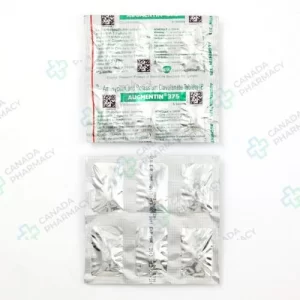
Augmentin
Price range: $ 56,00 through $ 678,00
Active substance: amoxicillin, clavulanate
More Details
This product has multiple variants. The options may be chosen on the product page
Azithromycin DT
Price range: $ 60,00 through $ 972,00
Active substance: Azithromycin
More Details
This product has multiple variants. The options may be chosen on the product page
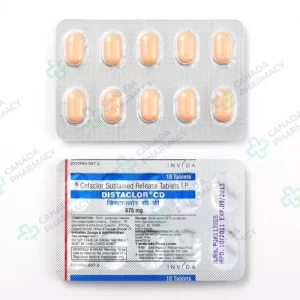
Ceclor CD
Price range: $ 53,00 through $ 154,00
Active substance: Cefaclor
More Details
This product has multiple variants. The options may be chosen on the product page
Cefaclor
Price range: $ 68,00 through $ 3 600,00
Active substance: cefaclor monohydrate
More Details
This product has multiple variants. The options may be chosen on the product page
Cefixime
Price range: $ 101,00 through $ 509,00
Active substance: cefixime
More Details
This product has multiple variants. The options may be chosen on the product page
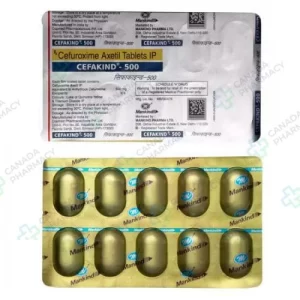
Ceftin
Price range: $ 38,00 through $ 386,00
Active substance: Cefuroxime
More Details
This product has multiple variants. The options may be chosen on the product page
Cepmox
Price range: $ 41,00 through $ 115,00
Active substance: amoxicillin
More Details
This product has multiple variants. The options may be chosen on the product page
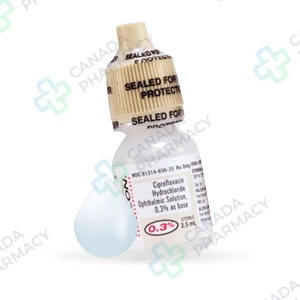
Ciprodex Ophthalmic Solution
Price range: $ 63,00 through $ 95,00
Active substance: Ciprofloxacin, Dexamethasone
More Details
This product has multiple variants. The options may be chosen on the product page