

-26%
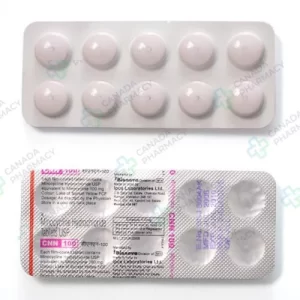
Minocin
Price range: $ 70,00 through $ 329,00
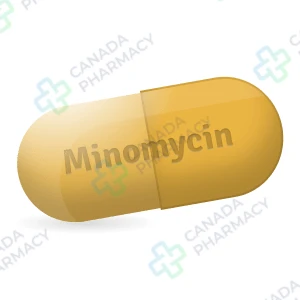
Minomycin
Price range: $ 61,00 through $ 406,00
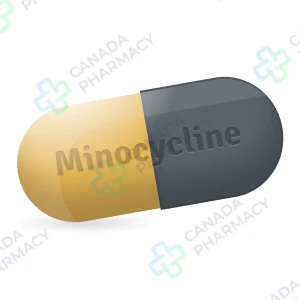
Minocycline
Price range: $ 36,00 through $ 622,00
Minocycline is a potent tetracycline antibiotic widely used to treat a variety of bacterial infections throughout the body. It is highly effective in managing inflammatory acne by targeting the bacteria responsible for breakouts and reducing skin redness. Beyond dermatology, this medication is used to address respiratory tract infections, urinary tract issues, and certain skin conditions. It also serves as a reliable option for treating specific sexually transmitted infections and tick-borne diseases. By effectively inhibiting the growth and spread of bacteria, Minocycline helps the body recover from various bacterial illnesses.
Active substance: minocycline
Delivery: 5–21 days (depending on the shipping method)
Extra 10% discount with coupon: IT4K6SVM
Each dosage option has its own packaging choices.
Description
Minocycline belongs to a class of medications known as tetracycline antibiotics. It is an FDA-approved prescription drug synthesized to treat a wide variety of bacterial infections, including severe acne vulgaris, respiratory tract infections, and specific sexually transmitted diseases. Because it is a systemic antibiotic, minocycline requires evaluation and authorization by a licensed healthcare provider prior to initiation.
As a broad-spectrum antibacterial agent, minocycline acts by suppressing bacterial protein synthesis. Proper adherence to prescribed administration guidelines helps ensure therapeutic effectiveness while minimizing the risk of bacterial resistance.
| Attribute | Details |
|---|---|
| Active ingredient | Minocycline hydrochloride |
| Therapeutic class | Tetracycline derivative antibiotic |
| Dosage form | Oral capsule, tablet, extended-release tablet |
| Route of administration | Oral |
| Prescription status | Prescription only (Rx) |
| Primary purpose | Treatment of susceptible bacterial infections and inflammatory acne |
Clinical Overview and Pharmacology
Main Uses and Indications
Minocycline hydrochloride is indicated for the treatment of infections caused by susceptible strains of designated gram-positive and gram-negative microorganisms. Primary FDA-approved indications include moderate-to-severe inflammatory acne vulgaris, rickettsial infections (such as Rocky Mountain spotted fever and typhus fever), respiratory tract infections caused by Mycoplasma pneumoniae, lymphogranuloma venereum, and uncomplicated urethral, endocervical, or rectal infections caused by Chlamydia trachomatis. It is also utilized as an adjunctive treatment in severe inflammatory nodular acne. Any off-label applications, such as long-term management of rheumatoid arthritis or neurodegenerative disease research protocols, fall outside FDA-approved labeling and require explicit medical oversight.
Mechanism of Action and Pharmacokinetics
How the drug works: Minocycline is a semi-synthetic second-generation tetracycline derivative. The primary mechanism of action involves reversible binding to the 30S ribosomal subunit of susceptible bacteria. By blocking the access of aminoacyl-tRNA to the ribosomal acceptor site, minocycline effectively inhibits bacterial protein synthesis, exerting a bacteriostatic effect. Relative to first-generation tetracyclines, minocycline possesses high lipid solubility, which enhances tissue penetration into sebaceous glands, bronchial secretions, and the central nervous system.
How it’s absorbed and eliminated: Following oral administration, minocycline is rapidly and almost completely absorbed from the gastrointestinal tract. Peak plasma concentrations are typically reached within 1 to 4 hours post-ingestion. The elimination half-life of minocycline in individuals with normal renal function ranges from approximately 11 to 23 hours, allowing for once- or twice-daily dosing schedules depending on the clinical formulation. Minocycline undergoes metabolic transformation in the liver and is eliminated through both biliary and renal excretion routes.
Dosing schedule: Dosing schedules for minocycline vary significantly based on the underlying diagnosis, age, weight, and specific formulation (immediate-release versus extended-release). For general systemic infections in adults, therapy usually begins with an initial loading dose followed by maintenance dosing every 12 hours. Extended-release formulations designed for acne vulgaris are typically dosed once daily based on body weight (approximately 1 mg/kg). Patients must swallow capsules or tablets whole with a full glass of water while upright to minimize the risk of esophageal ulceration. Dosage adjustments may be required for individuals with severe renal impairment.
Safety Profile, Interactions, and FAQ
Safety, Adverse Effects, and Precautions
Compatibility with other medicines: Minocycline interacts with several therapeutic classes. Co-administration with oral antacids containing aluminum, magnesium, or calcium, as well as oral iron preparations and zinc supplements, leads to chelation in the gastrointestinal tract, significantly decreasing minocycline absorption. Tetracyclines can depress plasma prothrombin activity; therefore, patients taking anticoagulant medications such as warfarin may require lower anticoagulant doses. Concurrent administration of minocycline with penicillin antibiotics should be avoided because bacteriostatic agents may interfere with bactericidal activity. Furthermore, simultaneous use of systemic retinoids (such as isotretinoin) and minocycline is contraindicated due to an increased risk of pseudotumor cerebri. Estrogen-containing oral contraceptives may also exhibit reduced efficacy during tetracycline therapy.
Adverse reactions: Common adverse effects associated with minocycline include gastrointestinal disturbances such as nausea, vomiting, diarrhea, and epigastric pain. Vestibular reactions, including lightheadedness, dizziness, vertigo, and ataxia, occur more frequently with minocycline than with other tetracyclines owing to its high lipophilicity. Long-term administration can lead to skin, nail, tooth, or mucous membrane hyperpigmentation, often presenting as a blue-gray discoloration. Rare but serious reactions include hypersensitivity syndrome, drug-induced lupus erythematosus, autoimmune hepatitis, severe dermatologic reactions, and pseudotumor cerebri (benign intracranial hypertension).
Important precautions: Minocycline, like other tetracyclines, can cause permanent tooth discoloration (yellow-gray-brown) and enamel hypoplasia if used during tooth development (the last half of pregnancy, infancy, and childhood up to 8 years of age). Consequently, minocycline is generally avoided in pediatric patients under 8 years unless alternative therapies are unavailable. Patients who experience persistent headache, visual changes, or papilledema should be evaluated for pseudotumor cerebri and discontinue therapy if confirmed. Regular laboratory monitoring of renal, hepatic, and hematopoietic function is recommended during extended treatment courses.
Food and alcohol interactions: While minocycline absorption is less affected by food than that of first-generation tetracyclines, taking it alongside heavy dairy products or calcium-fortified foods can still moderately reduce systemic absorption. It is recommended to take minocycline with plain water and separate dairy or mineral-rich meals by 2 hours. Alcohol does not directly interfere with minocycline antibacterial activity, but chronic excessive alcohol intake may enhance hepatic metabolism and exacerbate liver strain.
Special populations: Minocycline is contraindicated during pregnancy because it crosses the placenta and poses risks of fetal skeletal growth retardation and permanent enamel staining. Minocycline is excreted into human milk; nursing mothers should avoid its use due to potential adverse effects on infant bone and tooth development. Elderly patients should be dosed cautiously, starting at the lower end of the dosing range, due to a higher prevalence of reduced hepatic, renal, or cardiac function.
If you skip a dose: If a scheduled dose of minocycline is missed, it should be taken as soon as remembered. However, if it is nearly time for the next scheduled dose, the missed dose should be skipped, and the regular schedule resumed. Patients must not take extra medication or double up on doses, as elevated blood levels increase the incidence of central nervous system and gastrointestinal toxicity.
Storage and expiration: Minocycline capsules and tablets should be stored at controlled room temperature between 68°F and 77°F (20°C to 25°C), shielded from excess heat, light, and moisture. Expired minocycline should never be consumed. Degradation products of expired tetracyclines can cause severe renal tubular damage known as Fanconi-like syndrome.
Frequently Asked Questions
Does minocycline cause skin discoloration or hyperpigmentation?
Yes, long-term use of minocycline can result in cutaneous and mucosal hyperpigmentation. This discoloration typically manifests as blue-gray staining on the skin, nails, teeth, sclera, or thyroid tissue. While skin hyperpigmentation may slowly fade after drug discontinuation, complete resolution is not guaranteed in all cases.
Can minocycline be taken with dairy products or antacids?
Antacids containing aluminum, magnesium, or calcium, as well as iron supplements, bind to minocycline and impair its systemic absorption. While light meals with small amounts of dairy affect minocycline less than other tetracyclines, it is best to separate antacids and mineral supplements from minocycline by at least 2 hours.
Is vestibular dysfunction common with minocycline treatment?
Central nervous system side effects such as dizziness, lightheadedness, vertigo, and loss of balance occur more frequently with minocycline than with other tetracycline antibiotics. These symptoms stem from the drug’s lipid solubility and entry into the central nervous system. Patients experiencing vestibular effects should exercise caution when operating machinery or driving.
What should be done if symptoms of drug-induced lupus appear?
Patients developing unexplained joint pain, fever, malaise, or cutaneous lupus-like lesions while taking minocycline should contact their physician immediately. Drug-induced lupus erythematosus is a known reaction associated with chronic minocycline use. Discontinuation of the medication typically leads to resolution of clinical symptoms and antinuclear antibody titers over time.
How long does it take for minocycline to show improvement in acne vulgaris?
In the treatment of inflammatory acne vulgaris, visible clinical improvement typically requires 4 to 8 weeks of consistent daily therapy. Prescribers generally re-evaluate treatment efficacy periodically to determine whether ongoing therapy is necessary or if a transition to topical maintenance therapy is appropriate.
In accordance with FDA requirements.
The information presented here is not a substitute for professional medical advice.
Additional information
| Dosage |
50mg ,100 mg |
|---|---|
| Package |
10 pills ,30 pills ,45 pills ,60 pills ,90 pills ,120 pills ,180 pills ,270 pills |
| Ενεργός Ουσία |
Related products
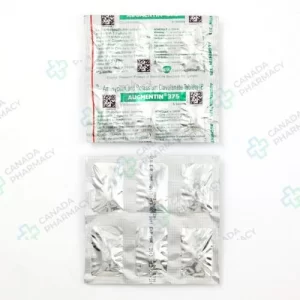
Augmentin
Price range: $ 56,00 through $ 678,00
Active substance: amoxicillin, clavulanate
More Details
This product has multiple variants. The options may be chosen on the product page
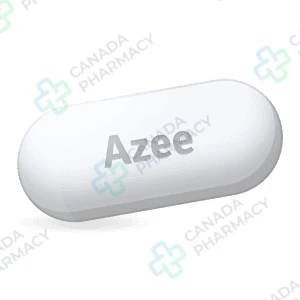
Azee
Price range: $ 30,00 through $ 150,00
Active substance: Azithromycin
More Details
This product has multiple variants. The options may be chosen on the product page

Azee DT
Price range: $ 20,00 through $ 42,00
Active substance: Azithromycin
More Details
This product has multiple variants. The options may be chosen on the product page
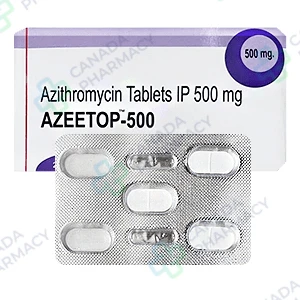
Azeetop
Price range: $ 40,00 through $ 250,00
Active substance: Azithromycin
More Details
This product has multiple variants. The options may be chosen on the product page
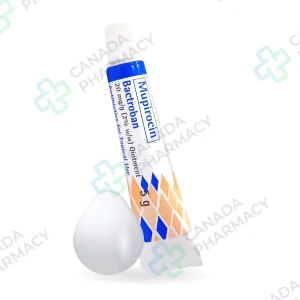
Bactroban Ointment 5g
Price range: $ 55,00 through $ 200,00
Active substance: Mupirocin
More Details
This product has multiple variants. The options may be chosen on the product page
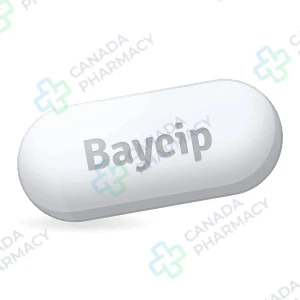
Baycip
Price range: $ 42,00 through $ 113,00
Active substance: Ciprofloxacin
More Details
This product has multiple variants. The options may be chosen on the product page
Ceftin
Price range: $ 38,00 through $ 386,00
Active substance: Cefuroxime
More Details
This product has multiple variants. The options may be chosen on the product page
Ciprodex Ophthalmic Solution
Price range: $ 63,00 through $ 95,00
Active substance: Ciprofloxacin, Dexamethasone
More Details
This product has multiple variants. The options may be chosen on the product page